Why Chores Help Kids Develop a Growth Mindset
10 April 2026
Let’s be real—when we think about kids doing chores, the first image that comes to mind might be a dramatic eye-roll or a disappearing act when it’s time to clean their rooms. Sound familiar? But believe it or not, those seemingly simple, often resisted tasks can be the key to unlocking something much bigger: a growth mindset.
Wait, chores help build character and a flexible, resilient brain? Yup. And we’re going to dive into the how and why of it all in this article.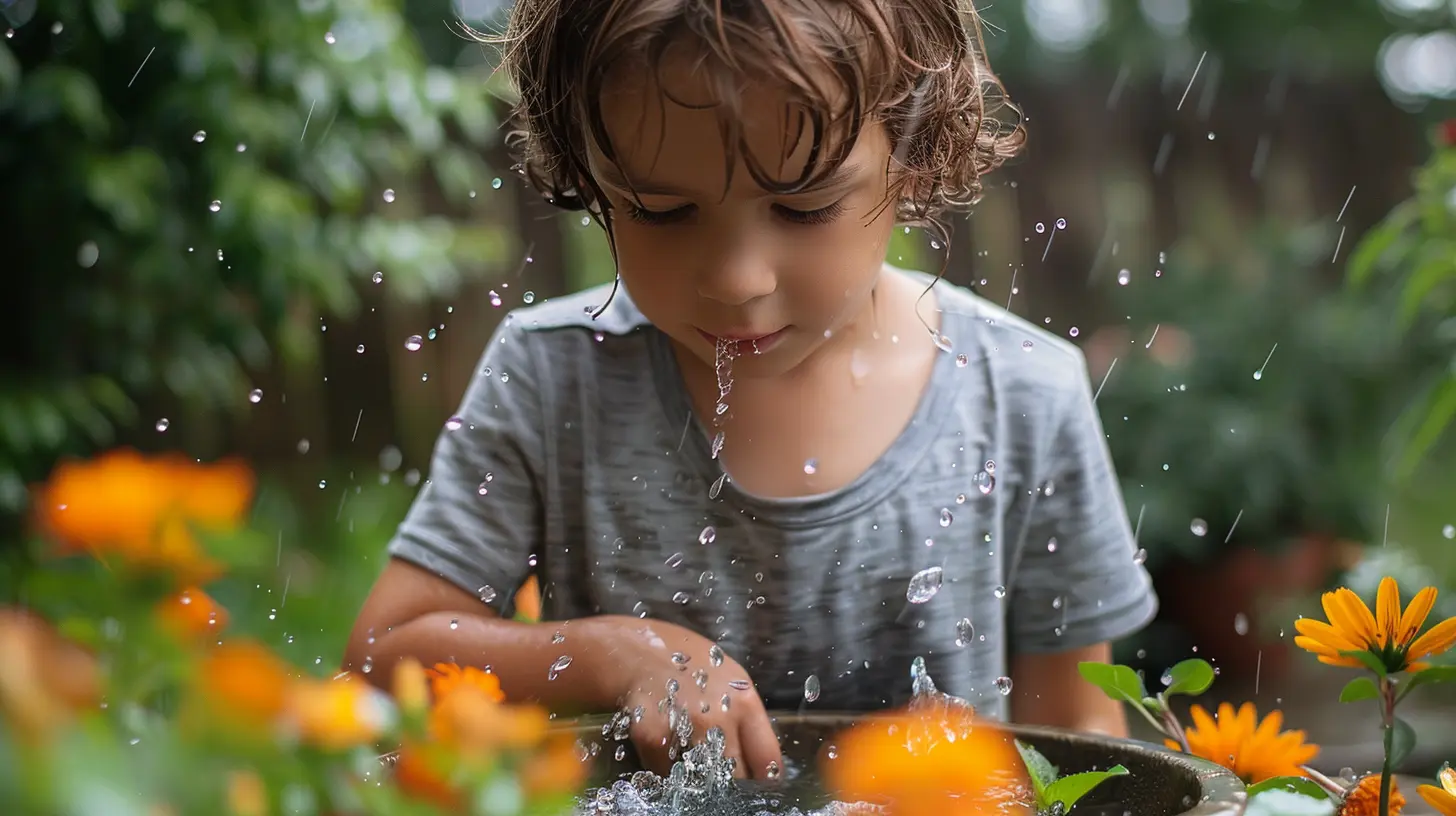
What the Heck Is a Growth Mindset Anyway?
Before we get knee-deep in laundry and dishes, let’s talk about this buzzword: growth mindset. Coined by psychologist Carol Dweck, it’s the belief that abilities and intelligence aren’t fixed. Basically, kids (or adults!) with a growth mindset believe they can develop their skills through effort, trial-and-error, and persistence.Imagine your child saying, “I can’t do this yet... but I’ll figure it out.” That “yet” is the magic word. It means they’re not giving up—they’re leaning in.
Why Are Chores More Than Just Busy Work?
Sure, we mostly ask our kids to do chores because we need help around the house. But if you look under the surface, chores are like sneaky little life coaches in disguise, quietly teaching life’s most important lessons. One sock-fold at a time.1. Chores Teach Responsibility (With a Side of Accountability)
Have you ever tried to explain to a 6-year-old why they need to put their toys away every day? Fun times, right?But when kids take part in household duties, they learn that their actions (or lack of) affect others. If your tween forgets to feed the dog, Fido doesn’t get breakfast. If they don’t take the trash out, guess what—trash mountain appears.
That sense of “I did that” is the foundation of accountability. And when they mess up and try again the next day? That’s growth mindset in action.
2. Effort Over Outcome: The Heart of Growth Thinking
Chores aren't always about perfection. Folded laundry may come out looking like origami at first. Does that matter? Nope. What matters is effort. Kids learn that the process is what counts, and that trying again improves results.They begin to realize that, yeah, folding a towel was hard the first time—but now it’s a breeze. Progress! And that realization? It’s like planting a seed in their minds that says, “Hard things get easier if I stick with them.”
3. Confidence Grows With Every Little Win
There’s nothing cuter than a 5-year-old proudly announcing, “I made my bed all by myself!” Sure, the sheets are crooked, but the pride? 100% earned.Every task completed builds confidence. And confidence fuels a growth mindset like peanut butter fuels a PB&J sandwich. Once kids start feeling capable, they tackle tougher tasks with a “Let me try!” attitude. That’s parenting gold right there.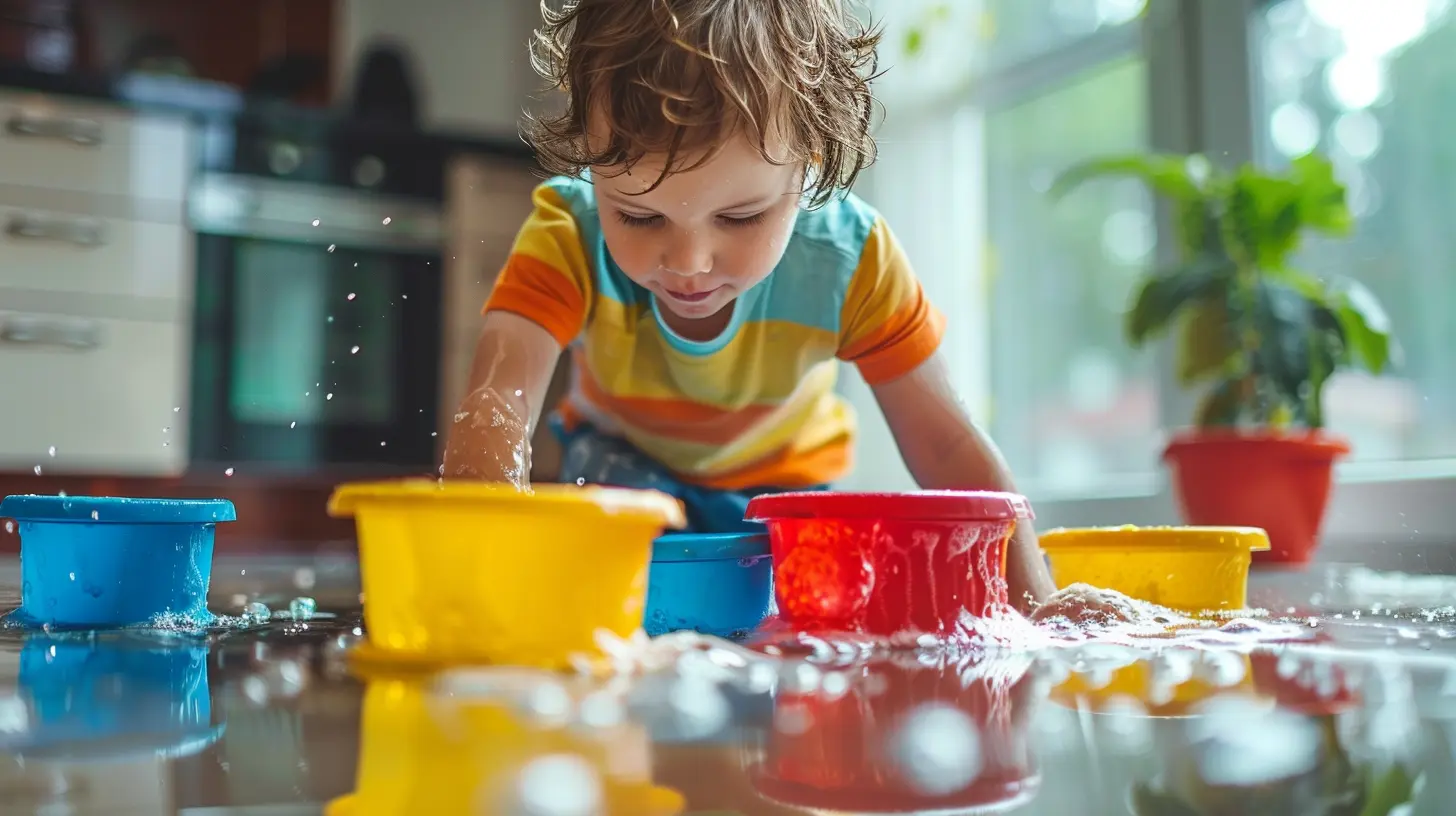
How Chores Rewire the Brain for Life
Okay, we’re getting a teeny-tiny bit sciencey here—but stick with me.Our brains develop “neural pathways” based on repeated experiences. When kids repeatedly engage in solving problems, adjusting strategies, and sticking to tasks (hey, just like they do with chores!), pathways related to persistence and problem-solving grow stronger.
This isn’t just theoretical. Neuroscience shows that repetition + effort = stronger mental habits. Chores are low-stakes practice for real-world challenges.
Real-Life Skills Wrapped in Dish Towels
Not everything has to be a “teachable moment,” but chores hit the jackpot when it comes to life skills. Here’s what kids really learn, even if they don’t realize it:- Time management: “I’ll need to sweep before screen time.”
- Prioritization: “Should I do homework first or help with dinner?”
- Teamwork: “Who’s in charge of dishes tonight?”
- Emotional regulation: “I really don’t want to fold laundry, but I guess I should.”
These skills aren’t just handy—they’re life-changing. And kids get to practice them in a safe, supportive environment (read: your home).
Turning Chores Into Growth Opportunities (Without the Tears)
Okay, so how do we encourage this magical mix of responsibility and resilience without the whole thing turning into a daily drama?1. Start Small, Start Young
Even toddlers can help put toys in a bin. The trick is to match the chore to the child's age and abilities. Starting young builds routine, and routine builds positive habits.2. Make Failing Safe (And Even Fun)
Don’t scold when the juice gets spilled during cleanup. Instead, laugh it off and say, “Oops! Mistakes help us learn.” When failure isn't scary, kids are more likely to try again.This is how chores normalize growth mindset thinking. Failing isn’t the end—it’s just step one.
3. Praise Effort, Not Outcomes
Try saying, “I noticed how hard you worked to sweep up those crumbs,” instead of “Good job, the floor looks perfect.” See the difference?One focuses on effort (which kids can control), the other on results (which may vary). This helps them fall in love with the process, not the praise.
4. Collaborate Like Teammates
Instead of assigning chores like a drill sergeant, treat it like a team project. “Hey, want to be my sous-chef in the kitchen?” is way better than, “Go set the table... now.”When kids feel included, they step up. And they learn that problem-solving and cooperation go hand in hand.
Chores Build Resilience (One Sock at a Time)
Life throws curveballs—missed buses, tough classes, rejections from soccer tryouts. What helps kids bounce back? Resilience. And you guessed it: chores help build that inner grit.Why? Because chores are routine mini-challenges that require persistence. The trash isn’t going to take itself out. The toilet won’t clean itself. But your kid can do it. And when they do? They start to say, “Hey, I can handle stuff. Even the gross stuff.”
That belief? That’s the resilience you want them to carry into every hard moment life throws at them.
Let’s Make It Fun (Because Why Not?)
Listen, it doesn’t have to be all “you missed a spot” vibes. Here are a few quick tips to turn tedious into terrific:- Pick a silly chore playlist: Bonus points for dance breaks!
- Use chore charts with stickers or checkboxes: Instant mini dopamine hits.
- Time yourself: “Let’s beat our record for folding laundry.”
- Chore challenge: “Who can sort the recycling fastest?”
- Funny aprons, superhero capes, or rubber gloves that look like ducks: Because why not?
Making chores playful makes them stick—and your kids won’t dread them nearly as much.
What Parents Should Remember (Take a Breath)
Sometimes, it's easier to just do the chores ourselves—faster, neater, less drama. But here’s the thing: when we always step in, we rob our kids of the chance to try, fail, and grow.Let them struggle a little. Let them figure out the vacuum cord (even if it takes five attempts). Let them learn that being helpful feels good.
You're not just raising clean kids—you're raising capable, confident humans who believe they can grow and improve. That’s so much more powerful than a spotless room.
Kids and Chores: A Real-Life Story (Because We’re All In This)
Quick personal story: My 8-year-old once spent 30 minutes trying to fold a fitted sheet. Thirty. Minutes. There were tears, there was frustration, and there were a lot of wrinkles.But then? Then came the proud proclamation: “Look, Mom! I did it! Kinda...”
Best part? The next week, he tried again without being asked. That’s the growth mindset in action. Not perfection, but perseverance.
Final Thoughts: Let’s Raise Helpers, Not Perfectionists
Here’s the truth: chores aren’t about spotless floors. They’re about raising kids who care, who try, who fail and try again. Kids who show up for themselves and others. Kids who look at challenges and say, “I’ve done hard things before. I’ve got this.”Through dishes and dustpans, we’re giving them the confidence to lean in and grow. So the next time your kid whines about taking out the trash, smile and hand them the bag. You're building something bigger than a clean kitchen—you’re building a growth mindset that’ll last a lifetime.
all images in this post were generated using AI tools
Category:
Chores For KidsAuthor:

Austin Wilcox
Discussion
rate this article
2 comments
Rosanna Wells
Great article! It's inspiring to see how chores can nurture a growth mindset in kids. By tackling tasks, they're building resilience, responsibility, and problem-solving skills. Encouraging them to embrace challenges will surely set them up for success in all areas of life. Keep up the fantastic work!
April 16, 2026 at 3:35 AM
Austin Wilcox
Thanks for your thoughtful comment! I'm glad you found it inspiring. Chores really do play a key role in helping kids grow.
Sarina McQuillen
Chores teach responsibility, resilience, and problem-solving, fostering a strong growth mindset in kids.
April 12, 2026 at 4:59 AM
Austin Wilcox
Absolutely! Chores play a crucial role in instilling these values, providing kids with real-life opportunities to learn and grow.