Why Neighborhood Connections Matter for Raising Kids
2 October 2026
In today's fast-paced world, where families often feel isolated despite being surrounded by others, the importance of neighborhood connections in raising children cannot be overstated. Building relationships with those who live nearby is vital for both parents and kids. These connections can provide support, foster community, and create an enriching environment for children to thrive. This article will delve into why neighborhood ties are essential and how they can make a significant difference in your child's upbringing.
The Foundation of Community Support
Emotional Safety and Well-Being
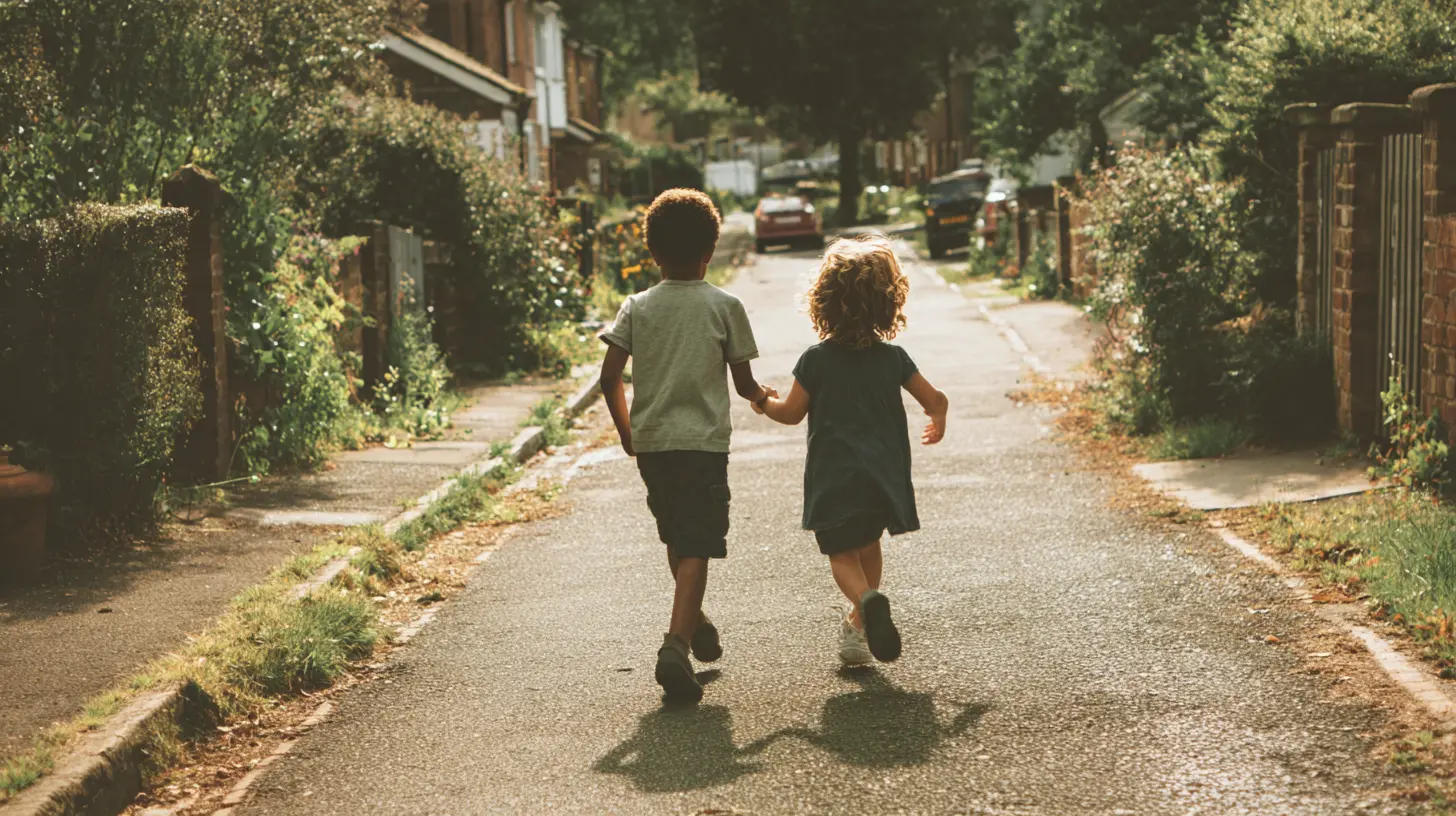
One of the primary benefits of having strong neighborhood connections is the emotional safety it provides for children. When kids know their neighbors and have positive interactions with them, it can create a sense of belonging. This feeling is essential for emotional well-being, especially in challenging times. For instance, if a child is bullied at school, having a supportive neighbor to talk to can make a world of difference.Shared Responsibilities
In tightly-knit communities, the idea of shared responsibility becomes prevalent. Neighbors often look out for one another's children, whether that means keeping an eye on them while they play outside or stepping in when needed. This communal approach fosters a network of trust that benefits everyone involved. By creating an environment where parents feel comfortable letting their children play freely, kids gain independence while still feeling protected.Practical Support
Beyond emotional support, neighborhood connections also provide practical assistance. This could range from carpooling for school events to sharing babysitting duties. Parents can benefit from the collective knowledge and experience of their neighbors, whether it is seeking advice on parenting challenges or finding reliable local services, such as childcare or tutoring.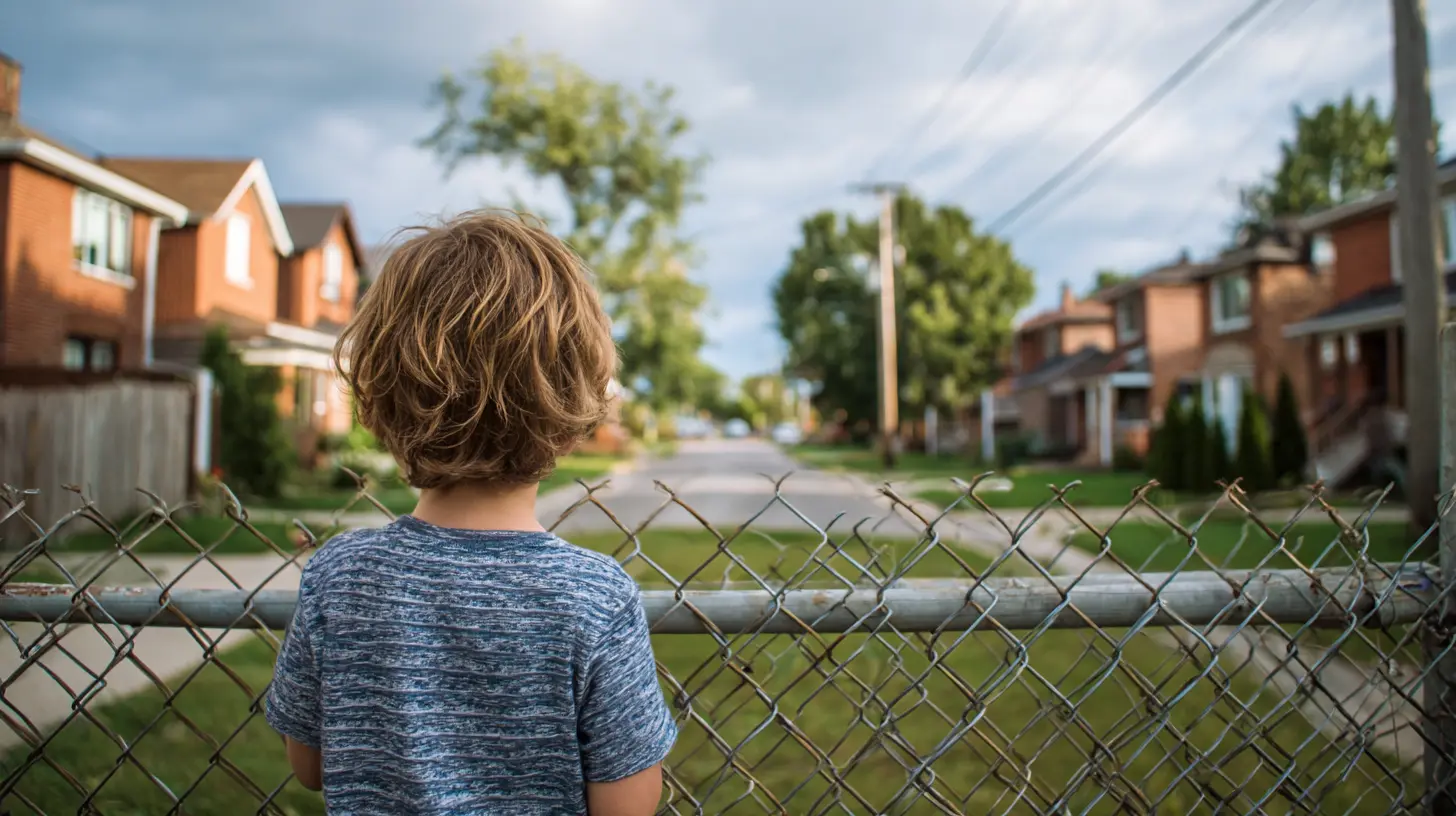
The Social Benefits for Children
Developing Social Skills
Children who engage with their neighbors regularly have more opportunities to develop social skills. Playing with neighborhood kids allows them to learn vital lessons in communication, sharing, and conflict resolution. For example, when kids play together, they might encounter disagreements. Navigating these situations helps them build resilience and adaptability, qualities that will serve them well throughout life.Broader Perspectives
When children interact with a diverse group of neighbors, they expose themselves to different cultures, lifestyles, and viewpoints. This exposure helps them appreciate diversity and develop empathy. It is crucial for kids to understand that the world is made up of various perspectives and that learning from others enriches their own experiences.Collaborative Learning Opportunities
Neighborhoods with strong connections often organize group activities, such as book clubs, sports teams, or arts and crafts sessions. Such collaborative learning opportunities not only help children acquire new skills but also promote teamwork. For instance, a block party can become a fun way for kids to contribute to planning and execution, fostering a sense of ownership and pride in their community.
The Role of Parents in Fostering Connections
Being Proactive
Parents have a significant role in establishing and nurturing neighborhood connections. Taking the initiative to introduce oneself to neighbors can set the tone for a community-oriented environment. Organizing events like potluck dinners or playdates can be an effective way to bring families together. Children will benefit from seeing their parents actively engaged in building relationships, as it sets a model for them to follow.Encouraging Independence
While parents should be involved in fostering these connections, it is also essential to encourage children to build relationships on their own. Allowing kids to play outside unsupervised, within reason, can help them form friendships independently. However, parents should ensure that the environment is safe and that children understand boundaries and safety guidelines.Creating a Welcoming Atmosphere
Being friendly and open to interaction can invite neighbors into a more cohesive community. Simple gestures, such as smiling or waving when passing by, can break down barriers and encourage conversation. Parents should teach their kids the importance of being friendly and approachable, reinforcing the idea that positive interactions can lead to meaningful connections.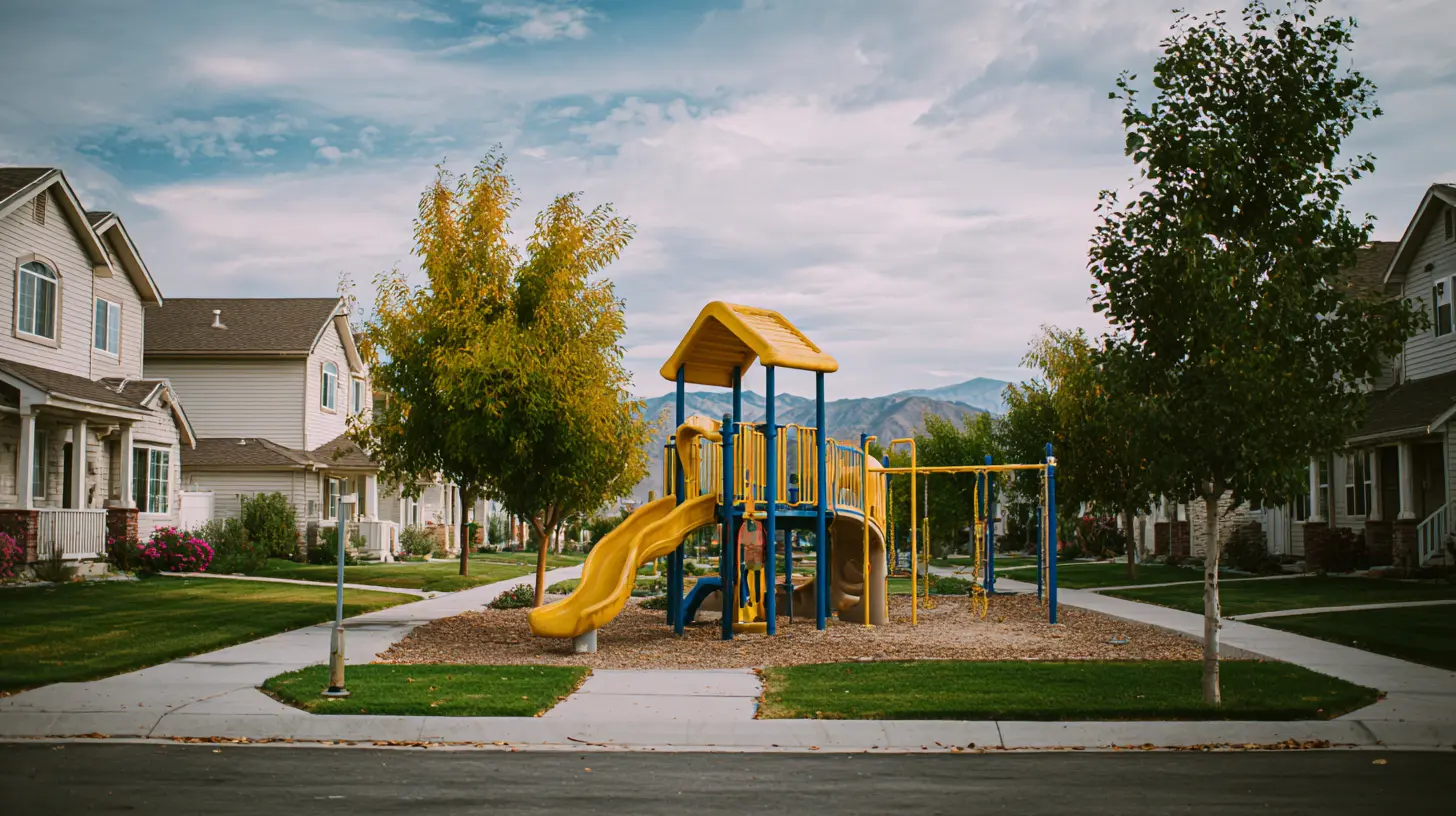
The Challenges of Urban Living
Isolation in City Environments
While neighborhood connections are crucial, urban living often presents challenges that can hinder these relationships. Busy lifestyles and high-density living can lead to feelings of isolation. Parents may find it difficult to connect with neighbors due to time constraints or a lack of communal spaces.Digital vs. Physical Connections
In the digital age, many people find it easier to build connections online rather than face-to-face. While social media can be a great tool for staying in touch, it can also create a false sense of community. Parents should be cautious about relying solely on online interactions for their children. Encouraging offline playdates and community events can help bridge that gap.The Long-Term Benefits of Neighborhood Connections
Lifelong Friendships
As children grow, the friendships they form in their neighborhoods can evolve into lifelong connections. These bonds can provide a sense of continuity as kids transition through different life stages. For example, childhood friends often support each other during high school, college, and beyond, creating a network of support that lasts a lifetime.Enhanced Problem-Solving Skills
Having a strong community can also bolster children's problem-solving skills. When children face challenges, having a network of neighbors to turn to for advice can offer multiple perspectives on a situation. This variety of input can help them think creatively and approach issues from different angles.Community Involvement and Civic Responsibility
Children raised in communities with strong ties are often more likely to engage in civic activities as adults. Strong neighborhood connections foster a sense of responsibility towards one another and the community. As kids see their parents actively participating in local initiatives, they are more likely to carry that value into adulthood.
Best Practices for Building Neighborhood Connections
Organize Community Events
Consider organizing neighborhood gatherings like block parties, movie nights, or seasonal festivals. These events can serve as icebreakers, allowing families to meet and interact in a casual setting.Start a Neighborhood Group
Creating a neighborhood group can provide a platform for parents to share information and resources. This could be a social media group or a physical community bulletin board where families can post events or needs.Engage in Local Activities
Encouraging children to participate in local sports teams, clubs, or classes can help them meet their peers while building connections among parents. This creates a supportive network that benefits everyone involved.Foster Open Communication
Encourage open lines of communication with your neighbors. Whether through casual conversations or more formal meetings, discussing community needs and concerns can strengthen relationships and build trust.Common Misconceptions
Neighborhoods Are Just for Kids
Some parents believe that neighborhood connections primarily benefit children. However, these relationships offer significant advantages for adults as well. Parents who connect with neighbors often find support in shared responsibilities and collective problem-solving.It Takes Too Much Time
While building connections might seem time-consuming, the investment is worth it. Small interactions can lead to meaningful relationships over time. You do not need to create a full-blown community initiative; simply being friendly and approachable can yield significant results.Only Families with Young Kids Benefit
Neighborhood connections are beneficial for families at all stages. Whether you have toddlers, teenagers, or adult children, the relationships built in the community can provide resources, emotional support, and social opportunities.
Conclusion
The importance of neighborhood connections in raising children cannot be understated. These relationships provide emotional support, practical assistance, and social learning opportunities. Parents play a crucial role in fostering these connections by being proactive, encouraging independence, and creating a welcoming environment. By investing time and effort into building a strong community, families can create a rich, supportive environment that benefits everyone involved.Healthy neighborhood connections not only enhance the upbringing of children but also create a vibrant community where everyone thrives. There will always be challenges, especially in urban settings, but addressing these proactively can lead to meaningful relationships that last a lifetime.
all images in this post were generated using AI tools
Category:
Parenting And CommunityAuthor:

Austin Wilcox