Why Punishing in Anger Can Backfire
8 January 2026
Let’s be honest—parenting is hard. It’s filled with beautiful highs and chaotic lows. There are moments when your child’s sweet giggle melts your heart… and then there are times when their behavior pushes every single one of your buttons.
We’ve all been there. Your toddler just smeared peanut butter all over the walls, or your teenager came home way past curfew. You're tired, frustrated, maybe even furious. And in that heated moment, it feels almost natural to lash out with a punishment. But here’s the thing—punishing in anger almost always ends up doing more harm than good.

The Heat of the Moment: Why It Feels Right (But Isn't)
When we get angry, our brains go into fight-or-flight mode. It’s a biological reaction. Your heart races, your muscles tense, and logic often goes straight out the window. You’re not thinking clearly, and in those moments, decisions are made more with emotion than reason.Have you ever yelled or handed out a punishment, then regretted it later? Yeah, you’re not alone. Acting from a place of anger might feel satisfying in the moment, but it rarely leads to long-term change in a child’s behavior. In fact, it can do the opposite.
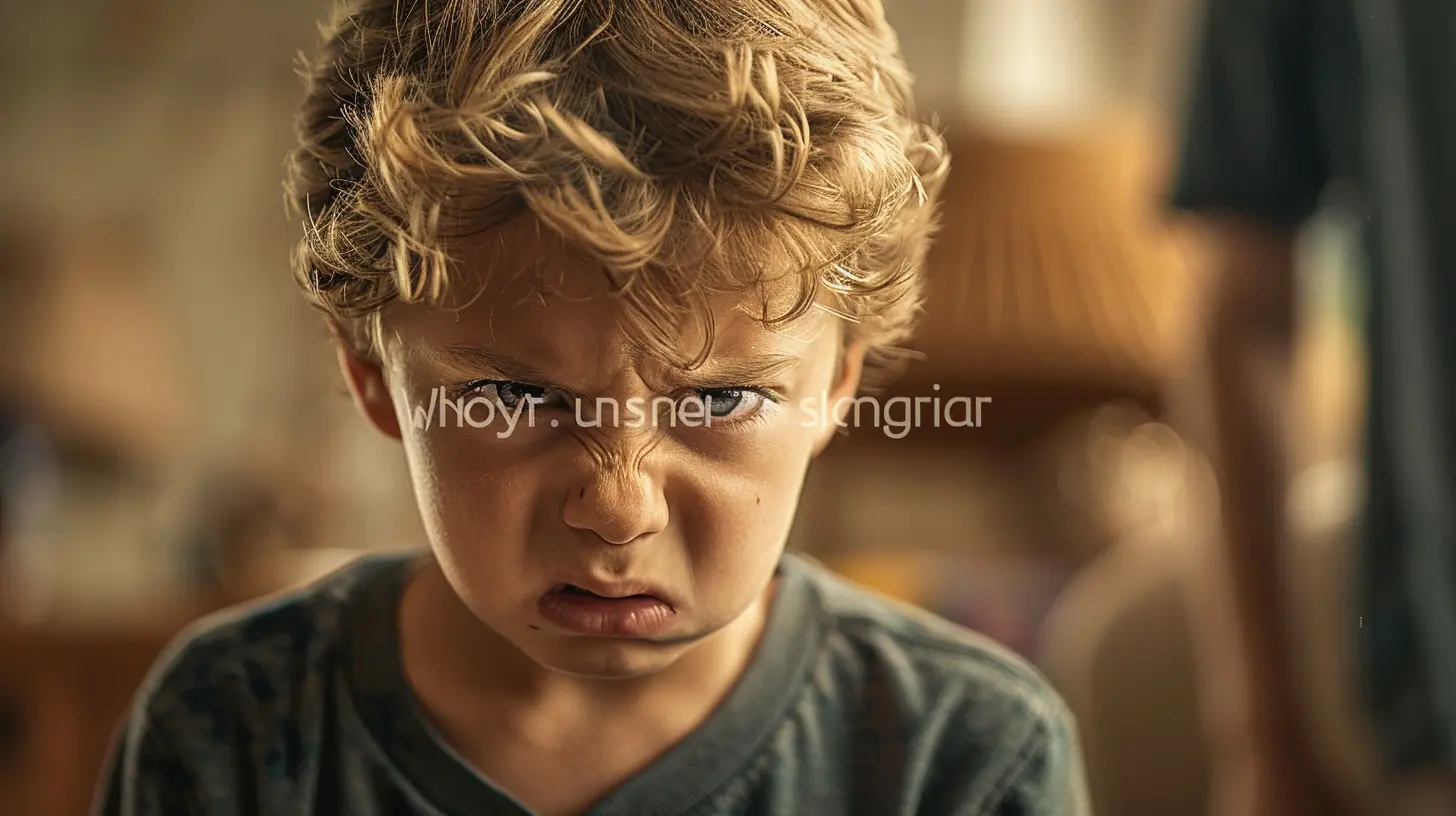
What Punishment in Anger Really Teaches
Kids are always learning from us—even when we don’t mean to be teaching. When we react in anger, we’re modeling impulsiveness, not self-control.Instead of learning what they did wrong and why it matters, your child learns:
- That emotions rule behavior.
- That mistakes are met with rage rather than understanding.
- That love might feel conditional.
Think of it this way: would you learn better from a teacher who calmly helped you understand your mistake, or one who shouted and slammed your test on your desk?

The Fallout: Emotional Impact on Kids
Here’s where the damage really takes root. When you punish your child in anger, it doesn't just address their behavior—it hits at their emotional core.1. Fear Over Respect
Punishments given in anger often instill fear, not respect. Sure, the behavior might stop temporarily, but at what cost? Your child may start doing the right thing just to avoid your wrath—not because they actually understand why it matters.2. Breakdown in Communication
If your child constantly worries about your emotional responses, they may stop opening up entirely. And let’s face it, parenting gets even harder when your kid won't talk to you.3. Damaged Self-Esteem
Kids interpret strong emotions from their parents as a reflection of their worth. If Dad is yelling, maybe I’m a bad kid. If Mom is always mad when I mess up, maybe I’m not lovable. Harsh, yes—but these are the conclusions kids often draw.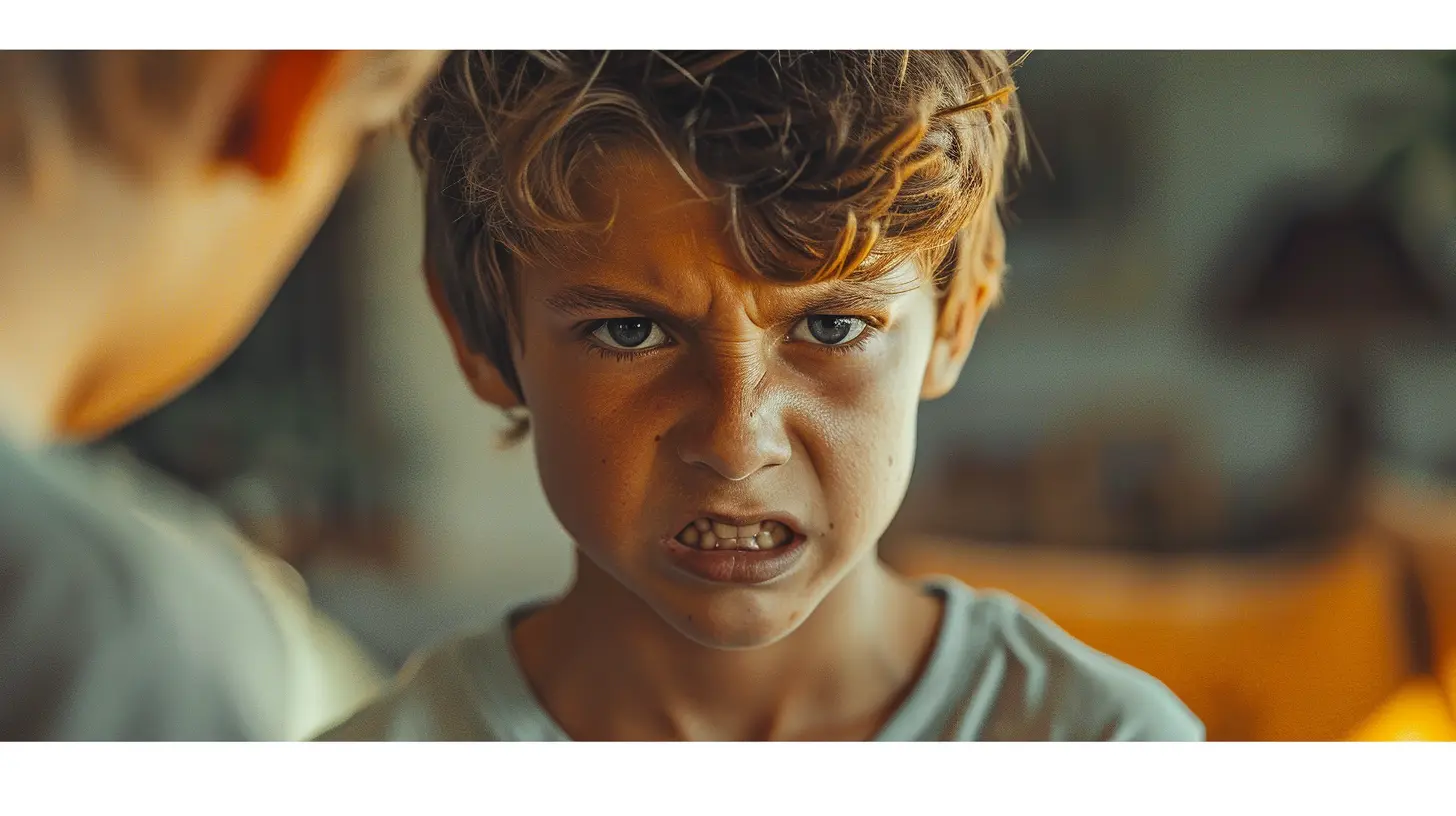
Short-Term Compliance vs. Long-Term Growth
It’s tempting to think a strong punishment equals good parenting. But here's the twist—discipline done in anger may get fast results but rarely leads to lasting behavior change.True discipline, the kind that teaches rather than simply controls, is about guidance. It's about helping our kids understand cause and effect, choices and consequences, all within the framework of love and connection.
Punishment in anger might stop the behavior today, but it won’t help your child manage their emotions, make better decisions tomorrow, or grow into a thoughtful adult.
The Regret Hangover: When Parents Feel Guilty
Let’s not forget about you—the parent in all of this. Many moms and dads who punish in anger are left with a pretty heavy dose of guilt afterwards.You lie awake replaying what you said. You worry about whether you went too far. And sometimes, that guilt leads to overcompensating (like giving treats or reversing punishments), which only confuses your child more. It becomes a messy cycle—one where no one really wins.
So What’s the Alternative? Responding vs. Reacting
Let’s swap out the word “punish” for “discipline.” Discipline comes from the Latin word “disciplina,” meaning instruction or training. That’s what we’re really after—raising kids who learn from their mistakes.Here’s a better approach to handling those anger-triggering moments:
1. Pause Before You Act
If you're boiling over, hit the brakes. Go into another room. Splash cold water on your face. Count to 10. Whatever it takes to cool down.Discipline doesn't need immediate action. It’s okay to say, “I’m really upset right now. I need a minute before we talk about this.”
2. Use Calm Consequences
Once you’ve had a moment to think, give a consequence that matches the behavior. If your child broke something on purpose, they help clean it up or do extra chores to pay for it. Logical consequences help kids understand the impact of their actions.3. Talk It Out
After things settle, sit down and have a real conversation. Ask them what happened and why. Explain how their actions affected others. This helps build empathy and understanding.4. Model Emotional Regulation
When you stay calm, even when upset, your child learns that emotions don’t have to control behavior. This is powerful. You’re teaching emotional intelligence just by keeping your cool.5. Offer Reconnection
Discipline should never leave your child feeling unloved. After the consequence is done, reconnect. A hug, a kind word, a “Let’s start fresh”—these are important steps in healing and teaching.But What If They Keep Pushing?
They will. That’s what kids do. Testing limits is part of their development. You’re playing the long game here.Just because you handle discipline calmly doesn’t mean you're being a pushover. You can be kind and firm at the same time. Think of it like a tree—rooted deep but flexible in the wind. That’s the kind of strength kids need to see from us.
What Happens When You Change Your Approach?
Switching from punishing in anger to disciplining with intention won’t magically fix everything overnight. But over time, you’ll start to see some pretty amazing changes:- Your child will feel safer coming to you when they've messed up.
- You'll start having fewer power struggles.
- Your guilt will shrink.
- Your home will begin to feel less like a battleground and more like a team.
Why? Because love and connection are the ultimate groundwork for good behavior. When kids feel seen, heard, and respected, they’re more likely to show that back to you.
Real Talk: You’re Human Too
No one’s asking you to be the Dalai Lama. You’re going to have bad days. You’re going to snap sometimes. That’s okay.What matters most is what you do after. Own it. Apologize. Talk to your kid. Show them that it’s normal to mess up and make it right. That? That’s powerful parenting.
Final Thoughts
Parenting isn’t about perfection. It’s about progress. Every time you choose response over reaction, you’re building trust, teaching emotional maturity, and deepening your connection with your child.So next time you feel that fiery anger bubbling up, pause. Breathe. Choose to lead with love, even when your kid is acting anything but lovable.
Because punishing in anger isn’t just unhelpful—it can quietly unravel the threads of the relationship you're working so hard to build. And no short-term win is worth that.
all images in this post were generated using AI tools
Category:
Parenting MistakesAuthor:

Austin Wilcox
Discussion
rate this article
2 comments
Spencer McFarland
This article effectively highlights the pitfalls of punishing in anger. It’s crucial for parents to respond calmly, fostering a more constructive environment for discipline. Understanding emotions can enhance our parenting approach, ultimately benefiting both children and parents.
February 5, 2026 at 3:34 AM
Austin Wilcox
Thank you for your insights. I completely agree that responding calmly makes a significant difference in parenting outcomes. Emotions play a vital role in creating a positive environment for discipline.
Valencia McAleer
This article sheds light on the pitfalls of punishing in anger, highlighting how it can damage the parent-child relationship and hinder effective discipline. Instead, it encourages a calm approach to discipline, fostering understanding and communication. A must-read for parents seeking healthier ways to guide their children!
January 13, 2026 at 3:57 PM
Austin Wilcox
Thank you for your thoughtful comment! I'm glad you found the article helpful in promoting a calm and constructive approach to discipline.