7 countries where children walk to school alone and why parents trust them
July 1, 2026 - 14:23
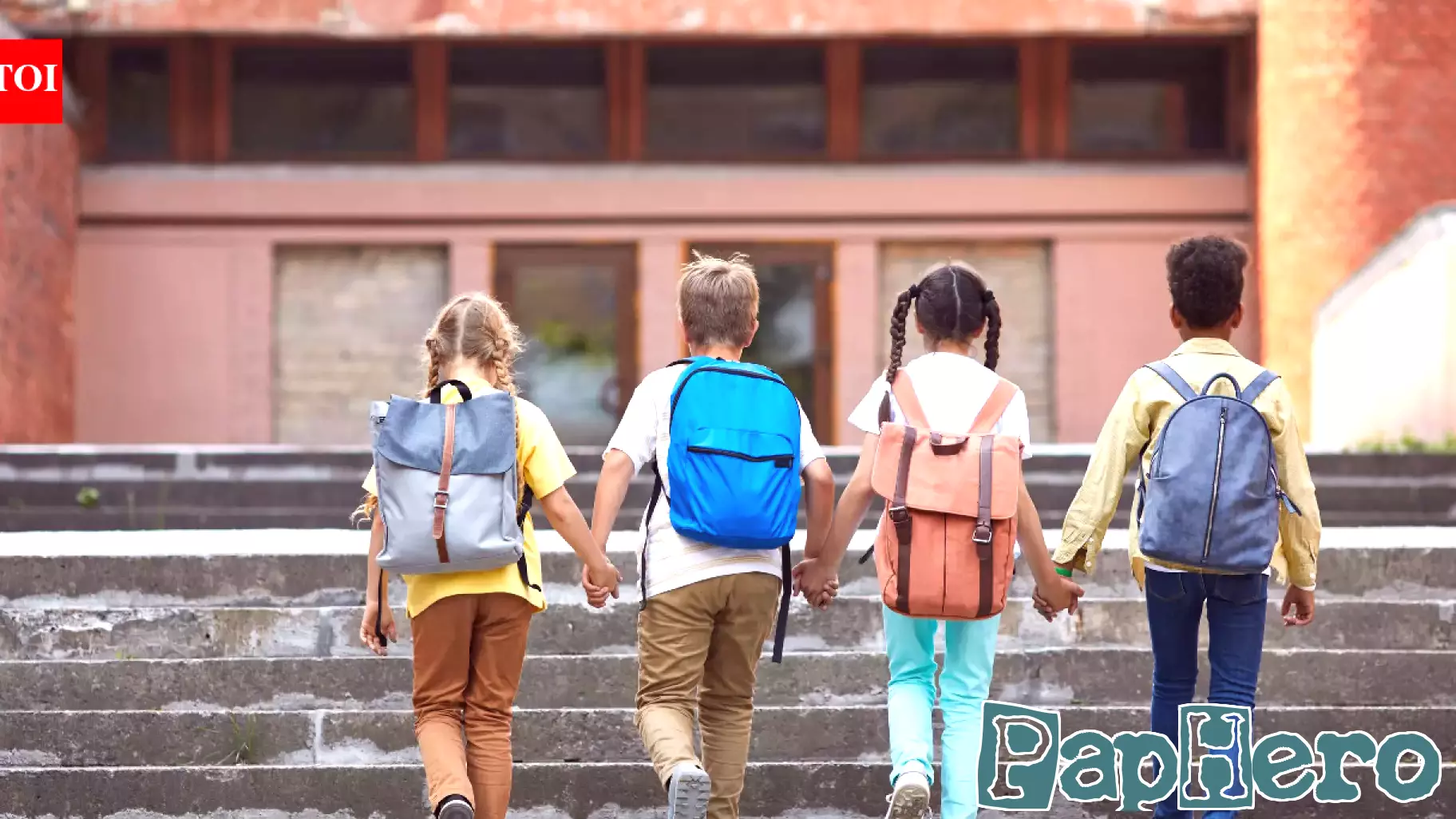
There was a time when walking to school was one of childhood's quiet milestones. It was the first taste of independence, a daily adventure measured in familiar streets, friendly neighbours and the confidence of knowing the way home. Today, in many parts of the world, that experience has become increasingly rare. School runs are often replaced by car rides, GPS tracking and constant check-ins, driven by understandable concerns about traffic, safety and the unpredictability of modern cities.
Yet not everywhere has abandoned the idea. In several countries, children still make the journey to school on their own, some on foot, others by bicycle or even public transport. It is not because parents worry less. It is because years of thoughtful urban planning, strong community trust and early life lessons have created environments where independence is treated as an essential part of growing up rather than a risk to avoid. Here are seven countries where walking to school alone remains surprisingly common, and why families continue to place that trust in their children.
In Japan, it is common to see young children walking to school in small groups from the age of six or seven. The country's dense, walkable neighbourhoods and low crime rates play a role, but so does a culture that values collective responsibility. Neighbours, shopkeepers and crossing guards all watch out for children along the route. Parents do not feel they are alone in keeping their kids safe.
Finland offers a similar picture. Finnish cities prioritise pedestrian and bicycle infrastructure, and traffic is designed to be slow and predictable. Children as young as seven often walk or bike to school. The school system itself reinforces this by not starting the day too early and by keeping routes safe. Parents trust the system because it has been built with children in mind.
Germany has a strong tradition of letting children walk or cycle to school. Many German cities have extensive bike lanes and pedestrian zones. Schools often teach traffic safety as part of the curriculum. Parents are encouraged to let their children practice the route before the school year starts. The result is that by age eight or nine, most children can get to school without an adult.
Sweden takes a similar approach. Cold weather does not stop children from walking or biking. The key is infrastructure. Sidewalks are cleared of snow, bike paths are separated from car traffic, and speed limits are low in residential areas. Swedish parents also tend to believe that a little risk is necessary for building resilience.
In Switzerland, children often walk to school in rural and urban areas alike. The country's reliable public transport system means that even long distances are manageable by train or bus. Parents trust that their children can navigate these systems because they are taught how from a young age. The culture values punctuality and self-reliance.
South Korea sees many children walking to school alone, especially in dense apartment complexes where neighbours know each other. The country has invested heavily in safe school zones with traffic calming measures. Parents also rely on a strong sense of community. Children are taught to look out for one another, and adults are expected to help if they see a child in trouble.
Finally, in the Netherlands, walking and cycling to school is the norm. The country's world-famous bike infrastructure makes it safe for children to travel independently. Dutch parents often view the walk or ride to school as part of the child's daily exercise and social time. Trust is built on decades of design that puts people before cars.
These countries show that the decision to let children walk to school alone is not about ignoring danger. It is about building a world where danger is minimised through design, community and education. The result is not just safer streets, but more confident children.
MORE NEWS

September 30, 2026 - 01:33
A Father's Video Captures the Chaotic Truth About Bedtime With TeenagersA recent social media post from a father has struck a chord with parents everywhere by highlighting the stark difference between putting young children to bed and trying to get teenagers to sleep....

September 29, 2026 - 03:56
Gurgaon CEO Challenges Indian Parenting Norms, Says Parents Are Not GodA Gurgaon based CEO has ignited a fierce online debate after questioning long held assumptions about Indian parenting. In a post that quickly went viral, the executive argued that becoming a parent...

September 28, 2026 - 08:44
Sara Cox on Returning to Radio 2 and Raising Teens in Her 50sSara Cox has shared her thoughts on stepping back into the Radio 2 breakfast show seat while navigating life as a parent to teenagers in her fifties. The broadcaster spoke about how family dynamics...

September 27, 2026 - 19:13
Mistake That Made Them Better Parents: George Clooney reveals the one 'dumb' parenting decision he and AmaGeorge Clooney has shared a parenting story that many families can relate to, even if the details are a bit unusual. The actor once admitted that he and his wife Amal Clooney made a decision they...