Can Gaming Foster Resilience in Children?
December 17, 2024 - 20:19
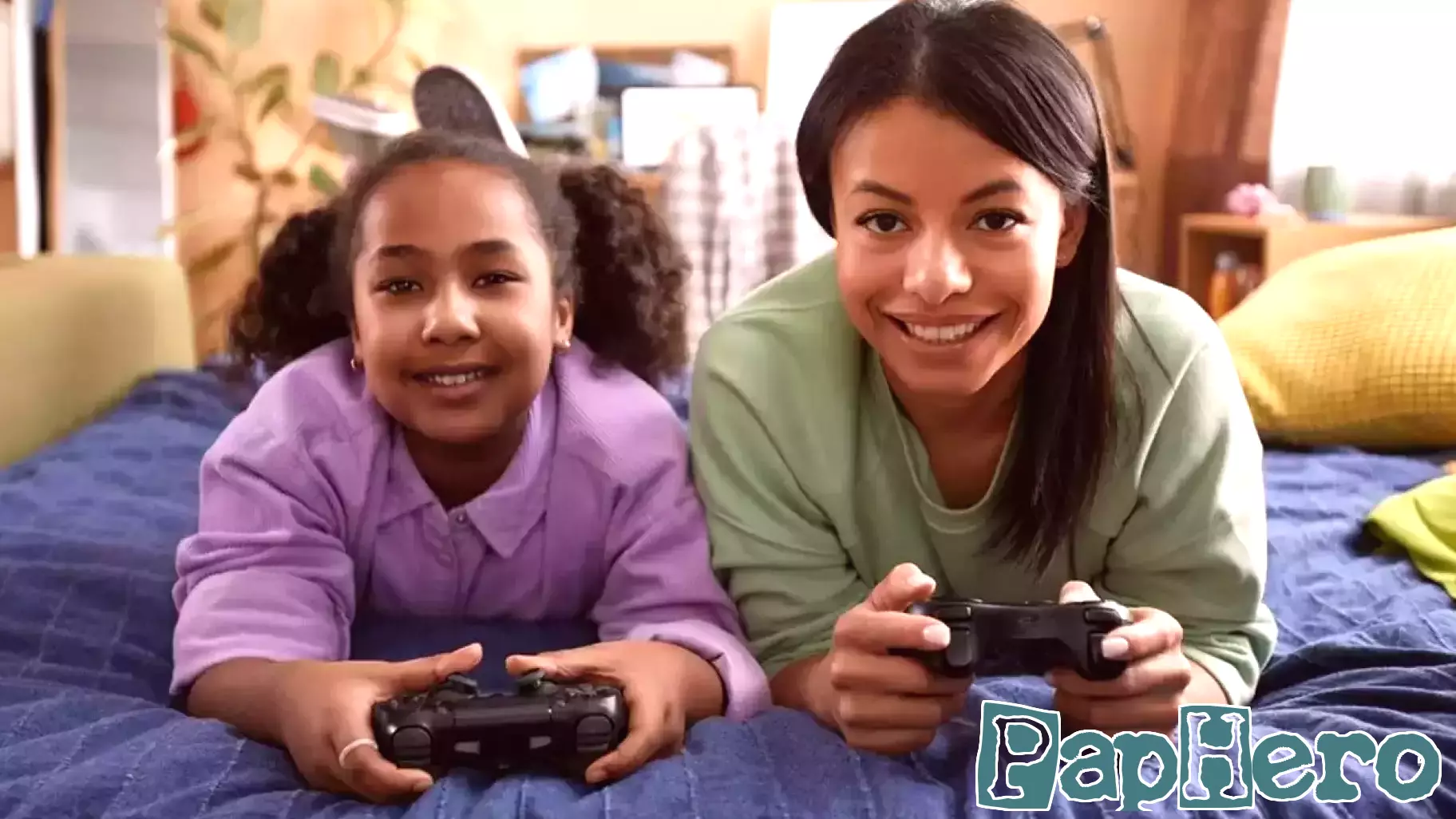
In today's digital age, gaming has evolved beyond mere entertainment; it can serve as a powerful tool for building resilience in children. An avid gamer shares valuable insights on how virtual worlds can teach essential life skills. Through co-gaming, parents and children can bond while navigating challenges together, which can help kids face real-life obstacles with confidence.
Co-gaming encourages teamwork, communication, and problem-solving. As children encounter various scenarios in games, they learn to adapt and overcome difficulties, mirroring the challenges they may face outside the screen. This shared experience not only strengthens the parent-child relationship but also instills a sense of perseverance in young players.
Moreover, the virtual environment allows children to experiment with different strategies without the fear of real-world consequences. As they learn to manage setbacks and celebrate victories, they build a mental toolkit that can be applied in everyday situations. Ultimately, co-gaming can be a valuable resource for parents looking to equip their children with resilience and coping skills for life's challenges.
MORE NEWS

October 27, 2026 - 05:21
The ’70s parenting oversights that affected children’s developing brainsThe 1970s were a time of cultural experimentation, looser rules, and a growing belief that children were resilient enough to `turn out fine` with minimal interference. Many parents embraced...

October 26, 2026 - 09:19
Kristen Bell Gets Real About the Hard Parts of Raising a FamilyKristen Bell is speaking candidly about the less glamorous side of family life. The actress, who shares two daughters with husband Dax Shepard, described parenting as `brutal` during a recent...

October 25, 2026 - 21:22
Rethinking the Drive to Succeed: When a Parent's Push BackfiresFor years, many parents believe that pushing children toward achievement is the key to their success. The drive to excel, the constant encouragement to do better, and the emphasis on results all...
October 25, 2026 - 01:48
Sav-A-Life in Lanett Marks 40 Years of Free Pregnancy SupportSav-A-Life in Lanett is celebrating four decades of service to expectant parents, marking 40 years of providing free pregnancy services, parenting education and ongoing support across the community...