Parenting Linked to Slower Brain Aging, Study Reveals
March 3, 2025 - 17:51

A recent study involving nearly 37,000 adults has uncovered compelling evidence that raising children may contribute to slower brain aging. Researchers found that the act of parenting appears to strengthen neural connections, leading to enhanced cognitive resilience as individuals age. The findings indicate that this positive effect on brain health increases with each additional child, suggesting that the responsibilities and experiences associated with parenting play a significant role in cognitive longevity.
Both mothers and fathers exhibited similar benefits, highlighting the universal impact of child-rearing on brain function. The study underscores the importance of familial relationships and the cognitive engagement that comes with nurturing and educating children. As society continues to explore ways to promote healthy aging, these insights may encourage a deeper appreciation for the role of parenting in maintaining mental acuity. Overall, the research presents a fascinating link between family dynamics and neurological health, emphasizing the potential cognitive advantages of raising children.
MORE NEWS

October 24, 2026 - 16:22
'General Hospital' Steve Burton Claims Ex Refuses To Let Daughter Be His Emmy DateSteve Burton, known for his role on the long-running daytime drama General Hospital, has filed a request asking a judge to intervene in his ongoing custody dispute with his ex-wife, Sheree Gustin....

October 23, 2026 - 22:08
Kristen Bell Opens Up About a Parenting Challenge Many Mothers Do Not FaceKristen Bell is getting candid about the less glamorous side of motherhood. The actress recently spoke about a parenting struggle that many moms simply cannot relate to, and she did so with the...
October 23, 2026 - 04:59
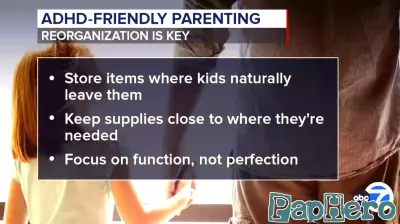
Practical Approaches for Raising Children With ADHDRaising a child with attention deficit hyperactivity disorder can feel overwhelming, but experts say structure and consistency make a meaningful difference. Parenting specialist Bethany Braun-Silva...

October 22, 2026 - 10:06
Two boys, aged 11 and 7, left home to attempt a 24-hour challenge they saw on social media, prompting a search before they were found safe: How viral online trends can influence children’s decisions and what parents can do to prevent risky imitationChildren see the internet as a place to explore, play and discover exciting things. But sometimes, what looks like harmless entertainment on a screen can inspire decisions that carry real-world...