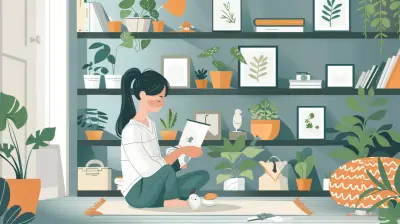
Building Strong Parent-Toddler Connections Through Play
13 December 2025
Ever notice how your toddler lights up when you're down on the floor, building towers out of blocks, making silly faces, or pretending to be jungle animals? That’s not just cute—it’s powerful. Play isn’t just fun and games; it’s the secret sauce to bonding deeply with your little one.
In this article, we’re diving headfirst into the world of parent-toddler play. You’ll pick up real-life strategies, get inspired by examples, and walk away with a deeper understanding of how playtime isn’t just quality time—it’s an emotional glue that builds a rock-solid relationship between you and your tiny human.

Why Play Matters in Parent-Toddler Relationships
Let’s keep it real: toddlers aren’t always the easiest crew. They’re emotional roller coasters in tiny sneakers. But here’s the magic—play speaks their language. It’s how they express feelings, understand the world, and connect with YOU.When you play together:
- You’re stepping into their world.
- You’re showing them they matter.
- You’re helping them build trust and security.
Think of it like this: If parenting is a bridge, play is what reinforces the beams. It keeps everything strong, sturdy, and able to handle the storms.

The Science Behind the Power of Play
Okay, let’s nerd out for a second here—but in a fun way. The early years of brain development are wild. In the first few years, a toddler’s brain forms over a million new neural connections every second. Yep, every second.And guess what? Positive interaction during play boosts:
- Emotional regulation
- Language development
- Cognitive flexibility
- Social skills
What’s most fascinating? When toddlers experience consistent, loving interaction through play, they’re more likely to develop secure attachments—which is just a fancy way of saying they’ll grow up feeling safe, supported, and confident.

Types of Play That Build Parent-Toddler Bonds
There’s no “one-size-fits-all” when it comes to play. The best kind? The one that fits your child’s mood, interests, and energy level. Here are some tried-and-true types of play that bring you two closer together.1. Physical Play: Get Moving Together
Toddlers are little balls of energy. Physical play helps burn that off—and let’s face it, it’s good for tired parents too.Ideas to try:
- Dance parties: Put on your favorite tunes and dance like no one’s watching.
- Chase and tag: Safe for indoors or out, and guaranteed giggles.
- Obstacle courses: Use couch cushions, boxes, and tunnels for adventure.
Physical play releases endorphins (those feel-good chemicals), making both of you happier and more connected.
2. Pretend Play: Enter Their Imaginative World
Toddlers love to pretend. One day they’re a chef, the next a tiger, and sometimes… both. Pretend play is storytelling in motion.What you can do:
- Role-play scenarios: Tea parties, doctor visits, or superhero rescues.
- Use props: Hats, scarves, stuffed animals—anything can be magical.
- Follow their lead: Let them take the role of the “boss” sometimes.
Pretend play teaches empathy, emotional expression, and problem-solving. And when you join in, it says, "I see your world, and I love being in it with you."
3. Creative Play: Let’s Get Messy!
You don’t need fancy art kits. Toddlers adore messy, sensory-rich fun.Options include:
- Finger painting (with edible paint, just in case!)
- Playdough sculpting
- Sidewalk chalk masterpieces
- Water play with cups and spoons
Creativity sparks imagination and fine motor skills. It’s not about the final product—it’s about the shared experience.
4. Constructive Play: Build Together, Bond Together
Whether it’s stacking blocks or creating a tower out of couch cushions, building something together strengthens your connection.How to make it meaningful:
- Celebrate their ideas: “Wow, that tower is taller than you!”
- Offer support without taking over
- Encourage problem-solving: “What can we do to keep it from falling?”
Constructive play fosters patience, persistence, and teamwork—all key elements in a strong bond.
5. Quiet Play: Slow It Down
Not every moment needs to be big and loud. Some of the most powerful connections happen during quiet play.Simple bonding activities:
- Reading books together
- Doing puzzles
- Snuggling with soft toys during storytime
These calm moments create space for deeper emotional connection. They also help toddlers feel safe and grounded.
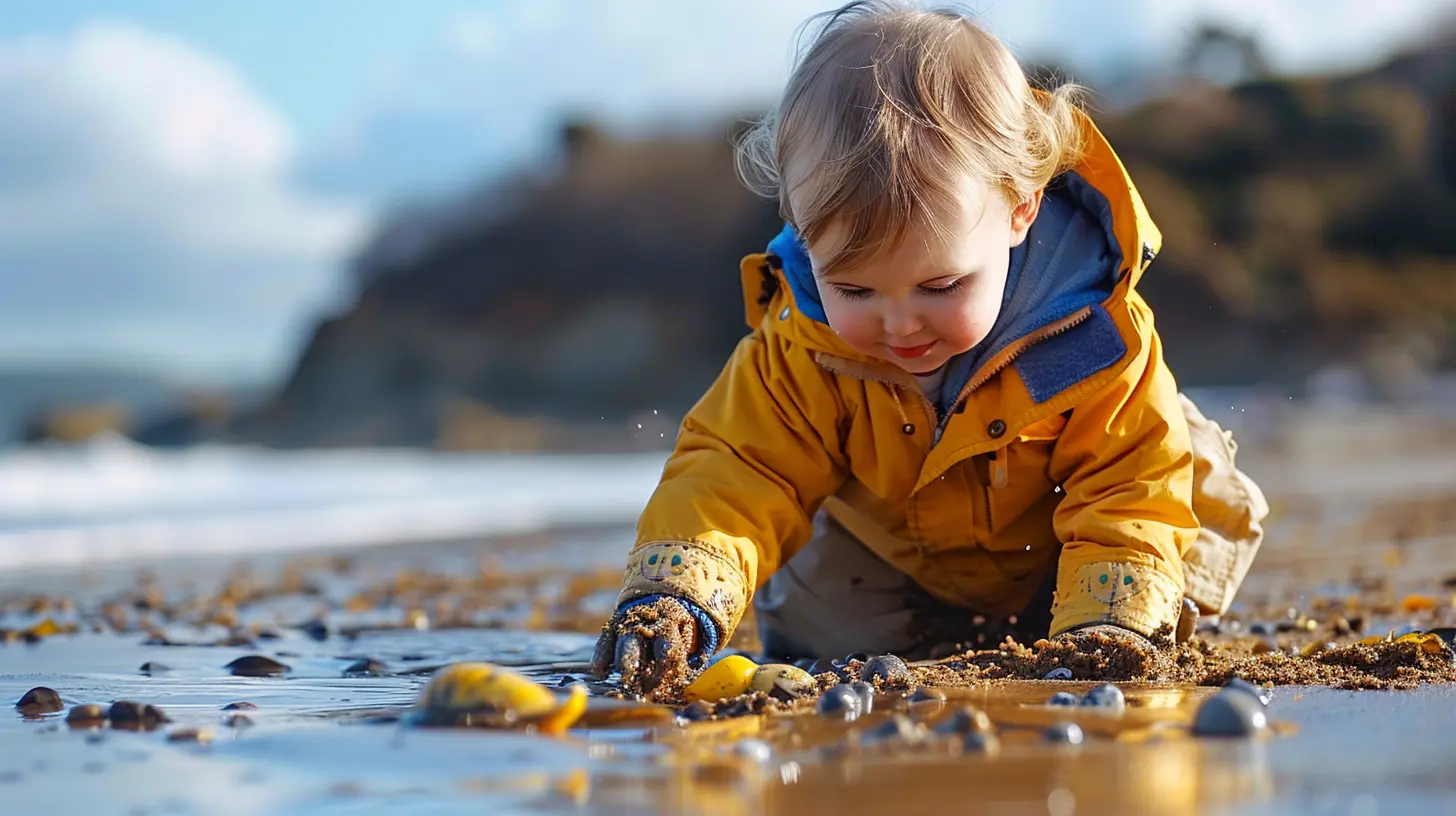
How to Be Present During Play (Even When You’re Tired)
We get it—life is busy. Dishes pile up, phones buzz constantly, and you're running low on energy and patience. But being emotionally present during play, even for just a few minutes, speaks volumes to your child.Here’s the trick: quality over quantity.
Tips to stay present:
- Put your phone on silent and set it aside.
- Use eye contact and responsive facial expressions.
- Match their energy—if they’re excited, get excited too.
- Narrate what’s happening, which boosts language skills and focus.
Even ten playful, focused minutes a day can make a massive impact.
The Role of Laughter in Strengthening Bonds
Laughter is literally a shortcut to connection. When you and your toddler laugh together, you’re syncing emotionally and physically—releasing oxytocin (aka the bonding hormone) and reducing stress.Be silly. Make funny faces. Talk in wacky voices. Toddlers LOVE that.
Laughter is the golden thread that ties memories together. Years from now, your child might not remember the toy—but they’ll remember how loved and joyful they felt.
Common Playtime Challenges (And How to Overcome Them)
Playtime doesn’t always look like a smiling Instagram reel. Sometimes toddlers throw toys, refuse to share, or melt down. You’re not doing anything wrong—it’s all part of the experience.Here’s how to handle it without losing your cool:
- Frustration during play? Pause, breathe, and redirect. “Let’s try building a tower together instead.”
- Short attention spans? Follow their lead. If they move on every five minutes, that’s okay.
- Sibling conflict? Create individual playtime so each child feels special.
- Overstimulation? Keep lights soft, noises minimal, and transitions slow.
Remember: You’re not just managing behavior—you’re modeling emotional regulation. Your calm helps them build theirs.
Don’t Forget About Yourself
Can we talk about something important? You matter too.Play is a two-way street. If you're running on fumes, it's hard to show up with energy and intention. So, make space to recharge. It’s not selfish—it’s smart.
Try this:
- Rotate play responsibilities with your partner or co-parent.
- Take mini breaks to stretch, breathe, or sip coffee while they play safely.
- Choose activities you both enjoy—like nature walks or dancing.
When you’re restored, you show up as the best version of yourself. And that’s who your little one needs most.
Making Play a Daily Habit
You don’t need to carve out hours or have endless toys. Connection comes through consistent, simple moments.- Add a “play window” to the daily routine: maybe before nap or after dinner.
- Create a play-friendly space: A corner with soft rugs, baskets of toys, and books.
- Keep a “go-to” list of play ideas for those low-energy days.
Make it part of your rhythm. Like brushing teeth. Only way more fun.
Real-Life Parent Win: Jenny’s Story
Jenny, a mom of two, struggled to connect with her two-year-old son, Josh. Between managing a newborn and working remotely, she felt stretched thin.Instead of feeling guilty, she started with 10 minutes of play every morning—just blocks and music on the floor. Within a week, Josh started looking forward to their playtime. He became calmer, more affectionate, and even started saying more words.
“It wasn’t the toys,” Jenny said, smiling. “It was just him knowing I was fully there.”
That’s the magic.
Final Thoughts: Play is the Love Language of Toddlers
At the end of the day, play is more than just fun—it’s a form of love.Every laugh, silly voice, tower built, or book read is a brick in the foundation of your relationship. It teaches your child that they are seen, heard, and treasured. And let’s be honest—it keeps parenting from feeling like all work and no play.
So get on the floor. Make a mess. Embrace the chaos. And just—play.
Your bond will thank you for it.
all images in this post were generated using AI tools
Category:
Parenting ToddlersAuthor:

Austin Wilcox
Discussion
rate this article
2 comments
Soleil Lynch
How does play enhance our toddler’s emotional growth?
December 15, 2025 at 4:07 AM
Austin Wilcox
Play fosters emotional growth in toddlers by allowing them to express feelings, develop social skills, and learn to navigate their emotions in a safe environment, strengthening the parent-toddler bond.
Darrow Jordan
This article beautifully highlights the importance of play in fostering parent-toddler connections. However, it could further explore how different play styles cater to various developmental needs, emphasizing the necessity of adaptability in parenting to strengthen these crucial bonds effectively.
December 14, 2025 at 4:16 PM
Austin Wilcox
Thank you for your insightful feedback! I appreciate your suggestion and will consider expanding on different play styles and adaptability in future discussions to further enrich the topic.