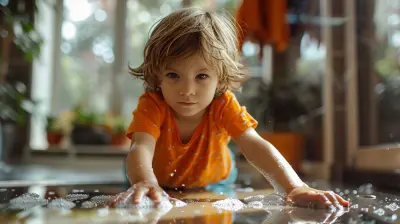
Encouraging Creativity in Babies: Imagination Begins Early
22 February 2026
Let’s get one thing straight—your baby might not be painting masterpieces at six months, but guess what? They’re already cooking up creative ideas in that tiny, growing mind. That gurgle? It could be your baby's first attempt at expressing something new. That wild waving of colorful blocks? A spark of imagination. Creativity isn't something that magically shows up in preschool; it's a seed planted before your baby even says their first word.
As parents, we often obsess over milestones like sitting, crawling, and teething. But nurturing creativity? That deserves a spotlight too. Why? Because imagination lays the groundwork for problem-solving, emotional resilience, empathy, and overall cognitive development. Today, we’re diving deep into how you can encourage that whimsical spark in your baby—because magic truly begins early.
Why Nurturing Creativity from Infancy Matters
Ever watch a baby stare at a spoon like it’s the most fascinating object on Earth? That’s not randomness. It’s curiosity. And curiosity is the root of creativity.When babies explore their world, they're gathering data with every touch, grab, and goofy giggle. Encouraging creativity at this stage helps strengthen the brain's neural pathways, boost fine motor skills, and support emotional development.
Think of it this way: Every time your baby imagines, explores, or fails and tries again, you’re building a little creative thinker who’ll someday innovate, inspire, or problem-solve like a champ.
The Creative Brain Starts Forming Early
From birth to around age three, your baby's brain is developing at a mind-blowing rate. In fact, by the time they turn three, their brain is already 80% the size of an adult brain. It’s like a sponge—and no, not the kind you clean counters with, but the kind that soaks up patterns, sounds, music, colors, emotions… you name it.This window of time is crucial for forming connections and building a creative foundation. So while it may seem like just tummy time or playing with rattles, every moment counts.
Signs of Creativity in Babies
Think only toddlers or older kids show creativity? Think again.Check out these early signs your baby is already flexing those imaginative muscles:
- Mimicking sounds and expressions: Yep, those weird babbles and funny faces are baby’s way of trying new communication strategies.
- Exploring objects differently: Ever see your baby turn a toy upside down or test how far it can fly? That’s experimentation.
- Inventing new games: Maybe they laugh every time you make a new silly noise. That back-and-forth is a creative interaction!
- Unusual combinations: Toy spoon in the stuffed elephant’s ear? Weird? Maybe. But that’s their version of innovation.
Your job? Encourage the weird and wonderful!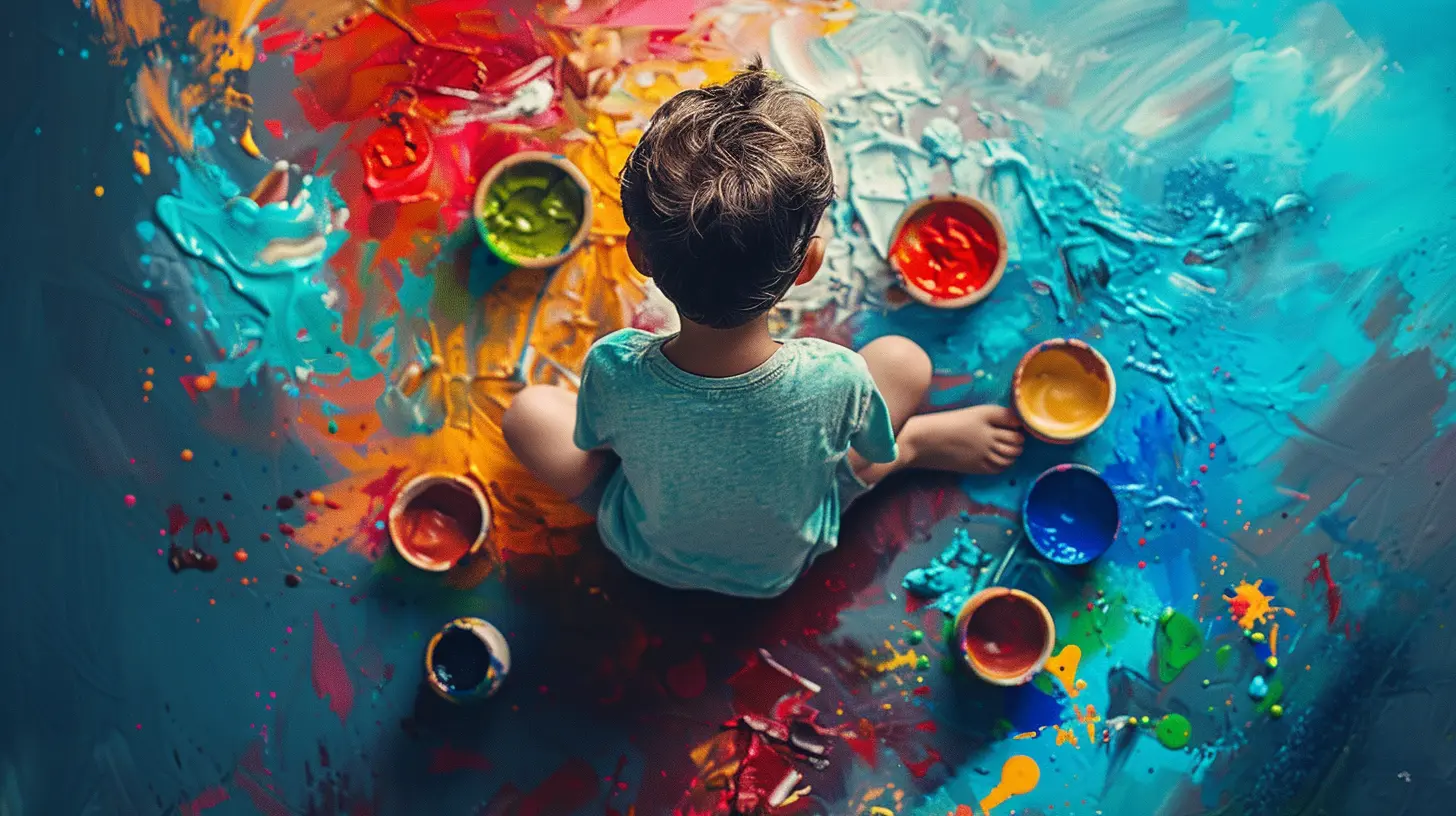
Simple Ways to Encourage Creativity in Babies
You don’t need fancy equipment or expensive toys to help your baby tap into their imagination. Creativity lives in the simple moments. Let’s break down easy, effective ways to spark your baby’s inner artist (or scientist, or inventor—who knows?).1. Embrace Sensory Play
Babies learn with their senses, so let them get messy—seriously. Squish playdough. Splash in water. Crinkle paper. Sensory play builds brain connections and introduces them to the concept of cause-and-effect. Plus, it’s just plain fun.Try this: Fill a baking tray with rice, water beads, or even just cooked pasta and let your baby explore (under supervision, of course). It’s like their version of a creative science lab!
2. Tell Stories Out Loud
Even if your baby can’t talk yet, their brain lights up when they hear language. By telling silly stories, making up songs, or narrating everyday moments (“Now we’re putting on your socks—what a sock-tastic adventure!”) you’re sparking imagination.Bonus points if you use funny voices or add a dramatic flair. And books? Always a win. Even babies love flipping pages and looking at pictures.
3. Let Them Take the Lead
Your baby doesn’t need constant structure. Sometimes, the best ideas come from being bored. Let your baby guide playtime once in a while. If they want to bang spoons on pots instead of playing with that flashy new toy? Let it happen.Following their lead teaches them it’s okay to explore, make choices, and experiment. That’s how creativity grows.
4. Offer Open-Ended Toys
Not all toys are created equal. The best ones for creativity don’t do much on their own—they require the baby to take control.Think building blocks, scarves, stacking cups, or nesting bowls. These kinds of toys don't tell your baby how to play—they invite them to create their own fun.
5. Encourage Music and Movement
From banging on a drum to dancing with chubby arms in the air, movement and music are powerful creative outlets.Play different genres of music, sing nursery rhymes, or have a dance party in the living room. Babies naturally move to beats—help them turn that rhythm into expression.
6. Celebrate “Mistakes”
Maybe the tower your baby was stacking just toppled over again—and now they’re giggling like it’s the best joke ever. Good! Mistakes are part of the process.Encourage your baby to try, fail, and try again. That’s how inventors are born. Praise the effort, not just the result.
Role of Parents in a Baby's Creative Development
You are your baby’s very first teacher—and probably their favorite one. No pressure, right?Actually, it's pretty simple. Most of your baby’s creativity blooms through interaction. When you play peek-a-boo, make animal noises, or invent a new way to play with socks (sock puppets, anyone?), you're showing them that it's okay to explore the what-ifs.
Here’s how to be a creativity cheerleader without overwhelming yourself:
- Model creativity: Show them how YOU think outside the box.
- Create a yes-space: Let them explore safely without constant “no’s” shutting things down.
- Be present: Sometimes just being engaged and following their cues can spark the biggest ideas.
You don’t need Pinterest-level craft skills. Just be curious. Laugh with them. Get silly. That’s where the magic lives.
Screens vs. Imagination: What You Need to Know
We get it—screens are part of life now. A little screen time here and there? Not the end of the world. But when it comes to your baby’s creativity, too much passive screen time can zap those imaginative sparks.Babies don’t learn best through watching—they learn by doing. Engaging with people, objects, and sounds in the real world is how their brain wires up creatively. If you’re going to use screens, try co-viewing and talking about what’s on the screen to keep it interactive.
Think of screens as dessert—not the main course.
Creating a Creative-Friendly Home (Without Turning It into a Toy Store)
You don’t need to turn your house into a daycare center to inspire creativity. Just a few small tweaks can make a big difference.- Rotate toys: Keep things fresh by cycling toys in and out of view.
- Have a play zone: Set up a safe, clutter-free area where your baby can explore freely.
- Use everyday objects: Boxes, spoons, old fabric scraps—babies love turning the ordinary into the extraordinary.
- Keep art simple: Messy play with non-toxic paints or chunky crayons? Golden.
A creative environment = freedom to explore + space to imagine.
The Power of Conversations (Even When They Can’t Talk Yet)
Babies might not be able to say much, but they’re soaking up every word you say. Your voice, your tone, your enthusiasm—it all sends signals that tell them, “This world is safe to explore.”Use conversation to ignite creativity. Ask questions, even if your baby can’t answer yet.
- “What should we build today with these blocks?”
- “Do you think teddy wants to go swimming in the bathtub?”
- “What noise does this car make when it’s sleepy?”
Silly? Maybe. But this playful questioning lays the foundation for creative thinking.
Wrap-Up: Small Moments Fuel Big Imaginations
You don’t need to be an artist or a genius to raise a creative baby. All it takes is presence, patience, and a playful spirit. Your baby doesn’t need scheduled creativity time—they need space to explore, a cheerleader by their side, and the freedom to try weird and wonderful things.Remember, imagination is more than just finger painting—it’s how your baby learns to solve problems, express feelings, and eventually navigate the world. Start small, be consistent, and trust that the sparks you ignite today will light up their future.
And hey, don’t be surprised if your little one ends up teaching YOU a thing or two about creativity along the way.
all images in this post were generated using AI tools
Category:
Infant DevelopmentAuthor:

Austin Wilcox
Discussion
rate this article
2 comments
Aleta Wagner
What a fascinating perspective! It's incredible to think that nurturing creativity in babies can lay the foundation for their imagination. I'm excited to explore these ideas further!
March 14, 2026 at 3:38 PM
Austin Wilcox
Thank you! I'm glad you found it intriguing. Nurturing creativity early can truly shape a child's imagination in remarkable ways.
Zayden Stone
This article beautifully highlights the importance of fostering creativity in our little ones. As parents, embracing our babies' imaginative play can significantly shape their development. Let's cherish these early moments and support their creativity to nurture confident, innovative thinkers.
February 23, 2026 at 5:35 AM
Austin Wilcox
Thank you for your thoughtful comment! I completely agree—nurturing creativity in our little ones is crucial for their development as innovative thinkers. Let's continue to cherish and support their imaginative play!