Celebrate, Don't Compare: Helping Siblings Embrace Their Differences
5 April 2026
Let’s get one thing straight right off the bat: raising kids is not for the faint of heart. It’s like juggling flaming swords while riding a unicycle blindfolded… during a hurricane. And parenting more than one child? Oh, you angelic overachiever, now you’ve entered the Hunger Games of family life.
But wait — you thought your second child was going to be just like the first, didn’t you? Adorable. Fast forward to your toddler Picasso finger-painting the wall with spaghetti sauce while your older one writes a 200-page dissertation on why bedtime is unconstitutional. Yep, they’re different.
And guess what? That’s not a problem. It’s actually a superpower — if you help them see it that way.
Let’s talk about how to stop comparing, start celebrating, and gently (read: with a lot of snacks and deep breathing) teach your kids to champion their differences instead of resenting them.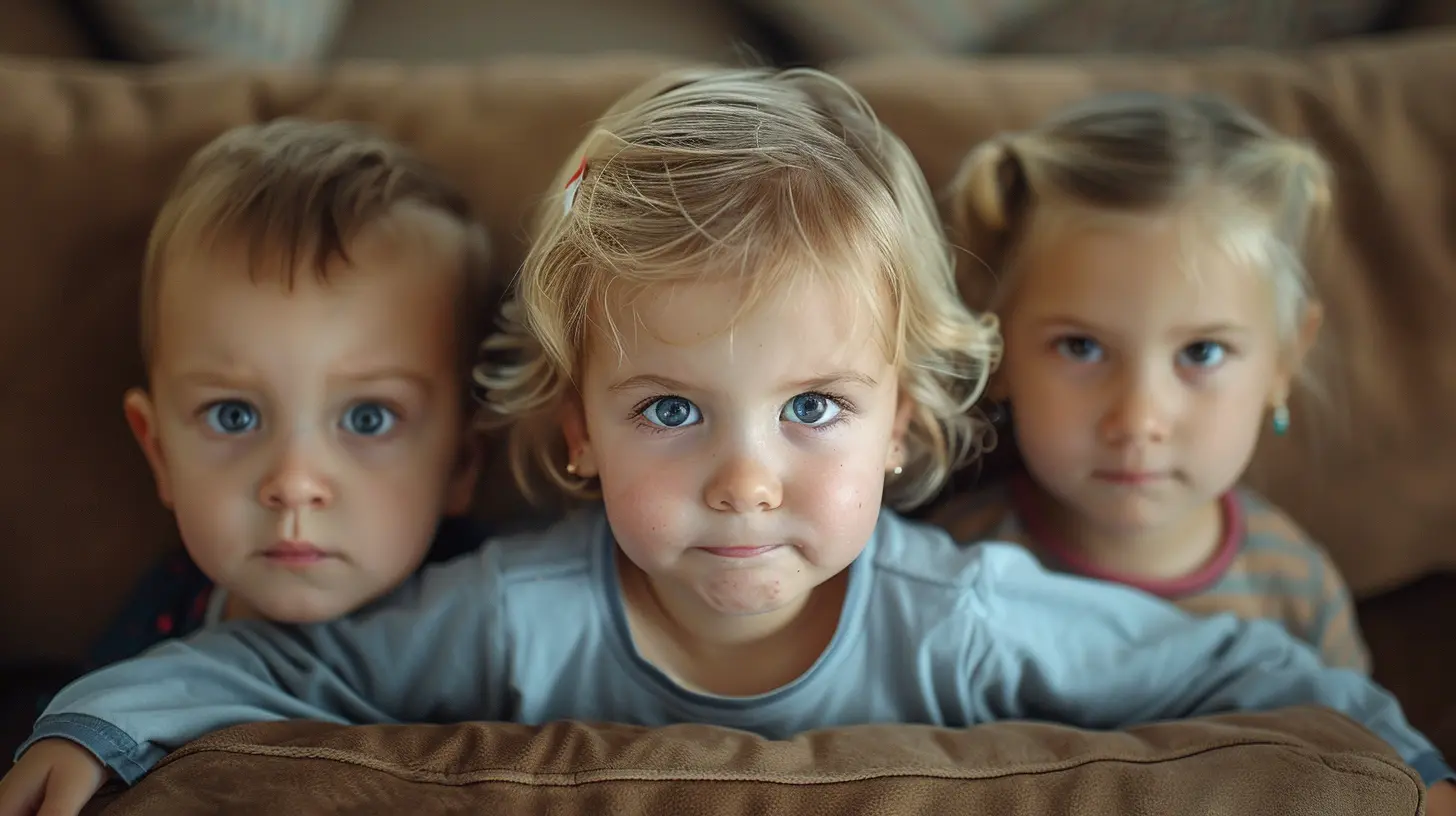
The Folly of the Comparison Game
We all do it. You compare your kids without even realizing it. Not in a villain-twirling-mustache kind of way — more like…- “Your sister was potty trained by this age.”
- “Why can’t you be more like your brother in school?”
- “He never throws tantrums like that.”
Sound familiar? (Don’t lie, I’ve said these things with the best of intentions and the worst of implications too.)
But here's the real kicker: comparison is the thief of not just joy, but of sibling relationships. Nothing fuels rivalry like feeling like you’re stuck in an endless game of “Who’s Better at Being the Favorite?”
And the truth is, every time we compare kids, even subtly, we send the message that one way of being is better — smarter, faster, quieter, neater, louder, whatever-er — than the others.
It’s like baking a cake and judging it because it doesn’t taste like spaghetti. Different ingredients, different outcomes. Let’s stop judging the cake.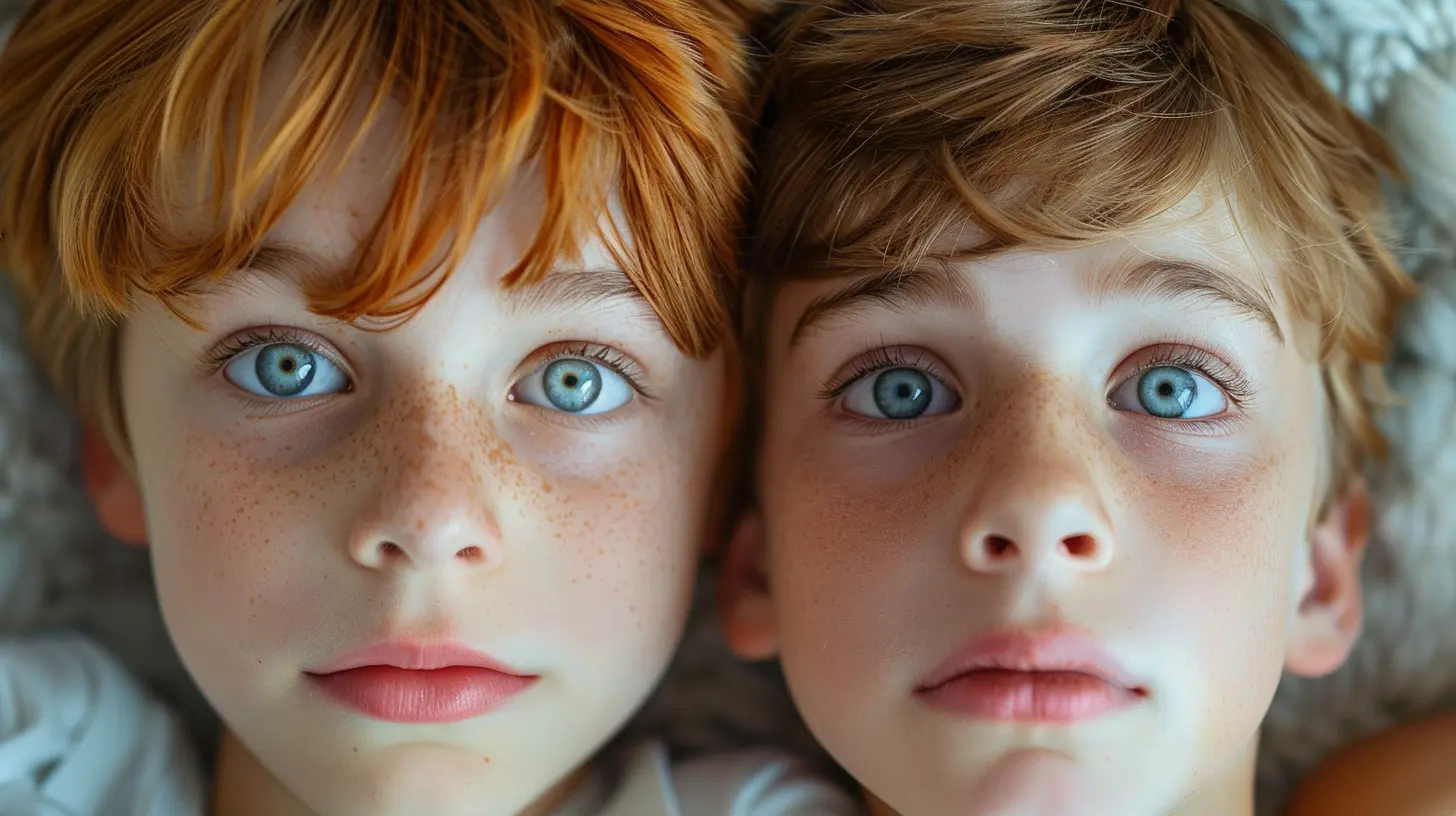
Understanding the Root of Differences
Let’s break it down. Kids are not carbon copies. They're not even mildly similar USB drives you plug into the same parenting port.They’re born with different temperaments, personalities, and quirks. One might be a budding astrophysicist; the other, a karaoke champion in the making. Genetics, birth order, environment, what they had for breakfast — it all comes into play.
And, psst… even if they grow up in the same household, their experiences are totally unique. The world they see is filtered through their own little kaleidoscope of feelings, fears, and dreams. So don’t expect uniformity. Expect fireworks — lots of them.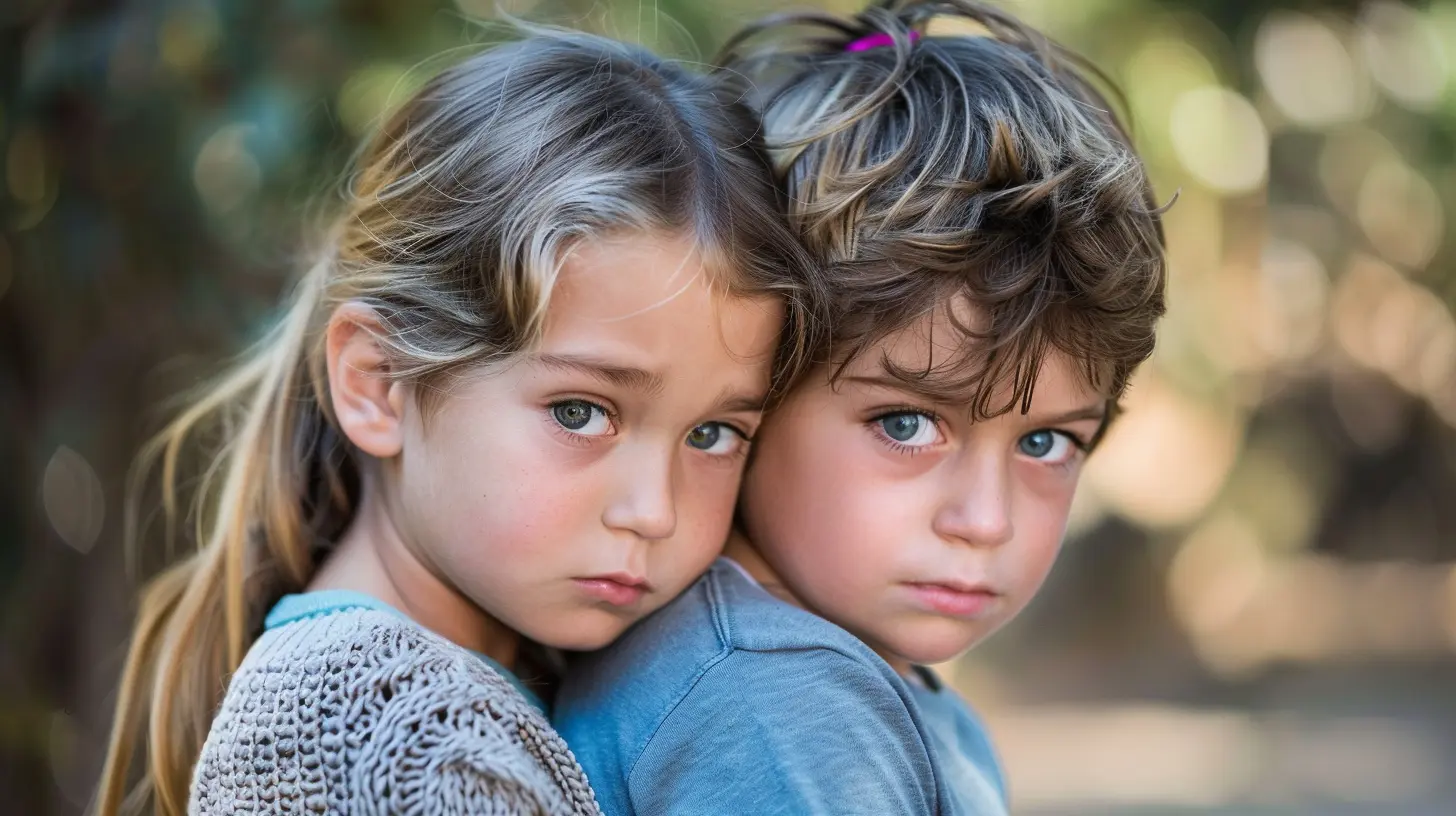
Why Celebrating Differences Matters
Okay, so we know siblings are different. But why does it matter if they learn to celebrate those differences?Well, besides the fact that you’ll drastically reduce the number of “Moooom, he’s breathing on me!” complaints, you’ll also:
- Promote self-esteem. When each child knows they’re valued for who they really are, not how they measure up to their sibling, confidence blooms like a weed in July.
- Encourage empathy. Understanding and appreciating different perspectives helps your kids become the kind of humans we actually want roaming around society.
- Reduce rivalry. Less comparison means less competition and more collaboration — and maybe even a moment of blessed silence in the car.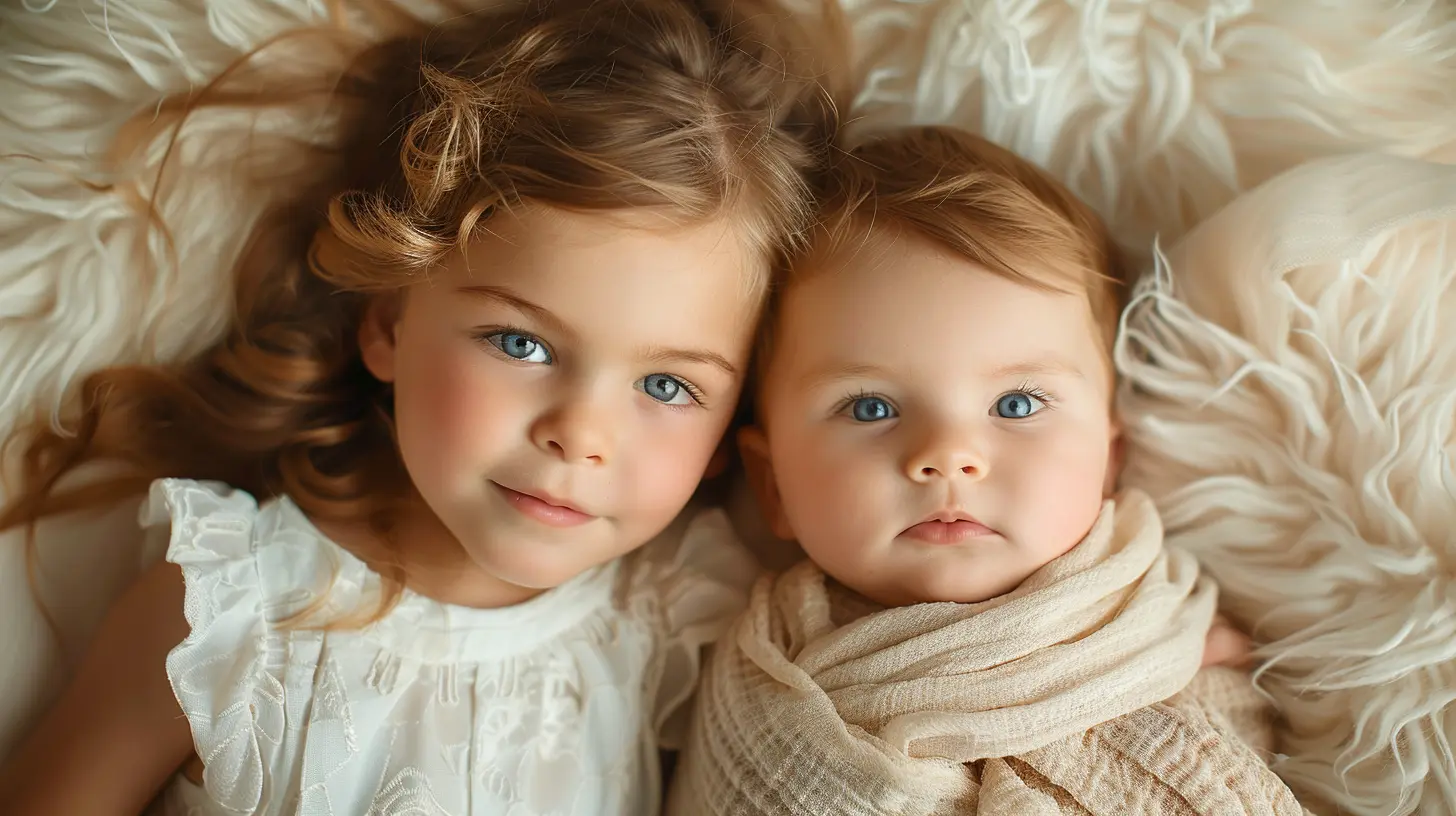
Tips for Parents: Building a Celebration Culture at Home
Now let’s get down to the practical magic. Here’s how you can turn your home into a mini United Nations of sibling celebration (without needing a peace treaty every Monday morning).1. Praise the Process, Not the Person
Instead of “You’re so smart,” try “You worked really hard on that project!” This tiny shift keeps things focused on effort and growth — not innate traits that can spiral right into jealousy-ville.When you praise one child, don’t feel the urge to immediately balance the scales with the other. That’s not how life works anyway. It's okay if one kid shines in one moment and the spotlight shifts next week.
2. Customize Affection and Support
Each kid needs love in their own way. One might want a cuddle, the other just wants to be left alone with their Lego empire. Show them you see them, not some kid-shaped mold you're trying to fit everybody into.Think of yourself like a DJ at the world’s weirdest party — each kid gets their own vibe, setlist, and lighting. Adapt accordingly.
3. Tell the Story of Strengths
Make it a tradition: over dinner, in the car, or during those glorious 2 minutes when no one's screaming — talk about each child’s strengths.“Your sister is awesome at solving puzzles. You have such a kind heart.”
No comparisons. Just statements of awesome.
4. Model the Behavior (Even When You’d Rather Scream)
Sorry to break it to you, but your kids watch you like hawks. If you compare your spouse to other parents or joke about Aunt Carol’s weird habits, they’ll pick up on that too.Celebrate the differences in others out loud. “I love how Uncle Joe always tells the worst jokes — it makes every family dinner interesting!”
You’re the commentator of their life game, and your narration matters.
5. Design One-on-One Time
This isn’t just a luxury. It’s essential.Spending solo time with each child — even if it's just 15 minutes — helps them feel seen and validated. You’ll uncover hidden talents and inside jokes. Before you know it, you’ll have secret handshakes and running gags with each one.
And when a kid feels secure in their relationship with you, they’re less likely to see their sibling as a competitor.
Helping Siblings Recognize Each Other’s Gifts
So you’ve stopped comparing them (mostly — let’s be real, you’re human). Now how do you help them stop doing it?1. Sibling Spotlights
Create a “spotlight” moment for each kid where they get to show off something they love — dancing, drawing, talking about narwhals at length. The rest of the family? They watch, clap, praise. No interruptions.It teaches kids to appreciate and celebrate each other, not compete.
Plus, it starts planting the idea that differences aren’t awkward—they’re cool.
2. Encourage Teaching Moments
Got a kid who loves math and a sibling who thinks numbers are from Satan? Boom. Opportunity.“Hey, can your sister help you with that fraction problem? She’s kind of a wizard at it.”
Not only does this give the “expert” a boost (and a sense of purpose), but it creates respect for abilities that aren’t your own.
3. Create Team Projects
Find something they can bond over. Building a fort, planting a garden, solving a mystery. Something where their different skills are assets, not liabilities.Let them see that the artist and the engineer can build the coolest cardboard castle this side of Pinterest.
When Differences Cause Conflict (Spoiler: They Will)
Being different is awesome… until it causes a meltdown because one kid is a neat freak and the other thinks clothes belong on the floor.Here’s how to navigate the inevitable clashes:
1. Validate Both Sides
Kids want to feel heard, not shut down. Try something like, “I get that you like your room neat, and I get that you like to keep everything where you can see it… even if it’s on the floor.”Once they feel heard, they’re more open to compromise. Or at least less likely to throw socks at each other.
2. Teach Conflict Resolution
Instead of swooping in like the Judge Judy of playroom disputes, teach them how to express feelings, listen, and brainstorm solutions.Even young kids can learn to say, “I felt upset when…” instead of “YOU ALWAYS RUIN EVERYTHING!”
Baby steps.
When to Worry (And When to Chill)
Let’s be honest: some level of sibling squabbling is normal. If your kids haven’t tried to “accidentally” trip each other at least once, are they even related?But here are a few red flags to watch for:
- Constant bullying or name-calling
- Signs of low self-esteem in one child
- One child always feeling left out or dismissed
- Persistent physical aggression
If you see those patterns, it might be worth looping in a pediatrician, therapist, or that wise grandma who somehow always knows what’s up.
Final Thoughts: Embrace the Messy, Beautiful Chaos
Your kids won’t always get along. Heck, there will be moments you’ll want to hide in the bathroom with a sleeve of Oreos.But if you can reframe their differences as strengths, teach them to value each other, and model acceptance — you’re doing the hard, holy work of building humans who will enter the world with empathy and self-worth.
You don’t need perfect kids. You just need kids who know they don’t have to be anyone else but themselves.
So let’s raise a juice box to celebrating individuality, embracing the mayhem, and tossing the comparison game straight into the diaper pail where it belongs.
You're doing just fine. Now go break up that fight over who gets the last Cheerio.
all images in this post were generated using AI tools
Category:
Sibling JealousyAuthor:

Austin Wilcox
Discussion
rate this article
2 comments
Merida Chapman
Embracing sibling differences fosters individuality and self-worth. By celebrating unique strengths rather than comparing, we nurture resilience and empathy, teaching children to value diversity not just within their family but in the world. This foundation cultivates lasting bonds and enriches their life perspectives.
April 16, 2026 at 3:35 AM
Austin Wilcox
Absolutely, celebrating differences helps siblings grow into their own identities. It builds a strong foundation of love and respect that lasts a lifetime.
Patricia Acevedo
This article beautifully highlights the importance of celebrating individuality among siblings. It's crucial to foster an environment where each child feels valued for their unique qualities rather than compared to each other. Embracing these differences not only strengthens sibling bonds but also nurtures their confidence and self-esteem. Great read!
April 11, 2026 at 4:07 AM
Austin Wilcox
Thank you for your thoughtful comment! I'm glad you enjoyed the article and found its message on celebrating individuality among siblings so important.