Chores to Teach the Importance of Home Organization and Maintenance
5 June 2026
Let’s face it—household chores are nobody’s favorite part of the day. But here’s the thing: they’re way more than just tedious tasks. They’re golden teaching opportunities. Teaching kids about chores isn't just about getting help around the house (although that’s a pretty sweet bonus). It’s really about raising responsible, independent, and aware little humans who’ll one day adult like pros.
Chores can show kids the ropes when it comes to organization and home maintenance. Plus, they help build a stronger work ethic, develop time management skills, and even boost their self-esteem. So, let’s dive into how you can turn those daily duties into life lessons with a big payoff.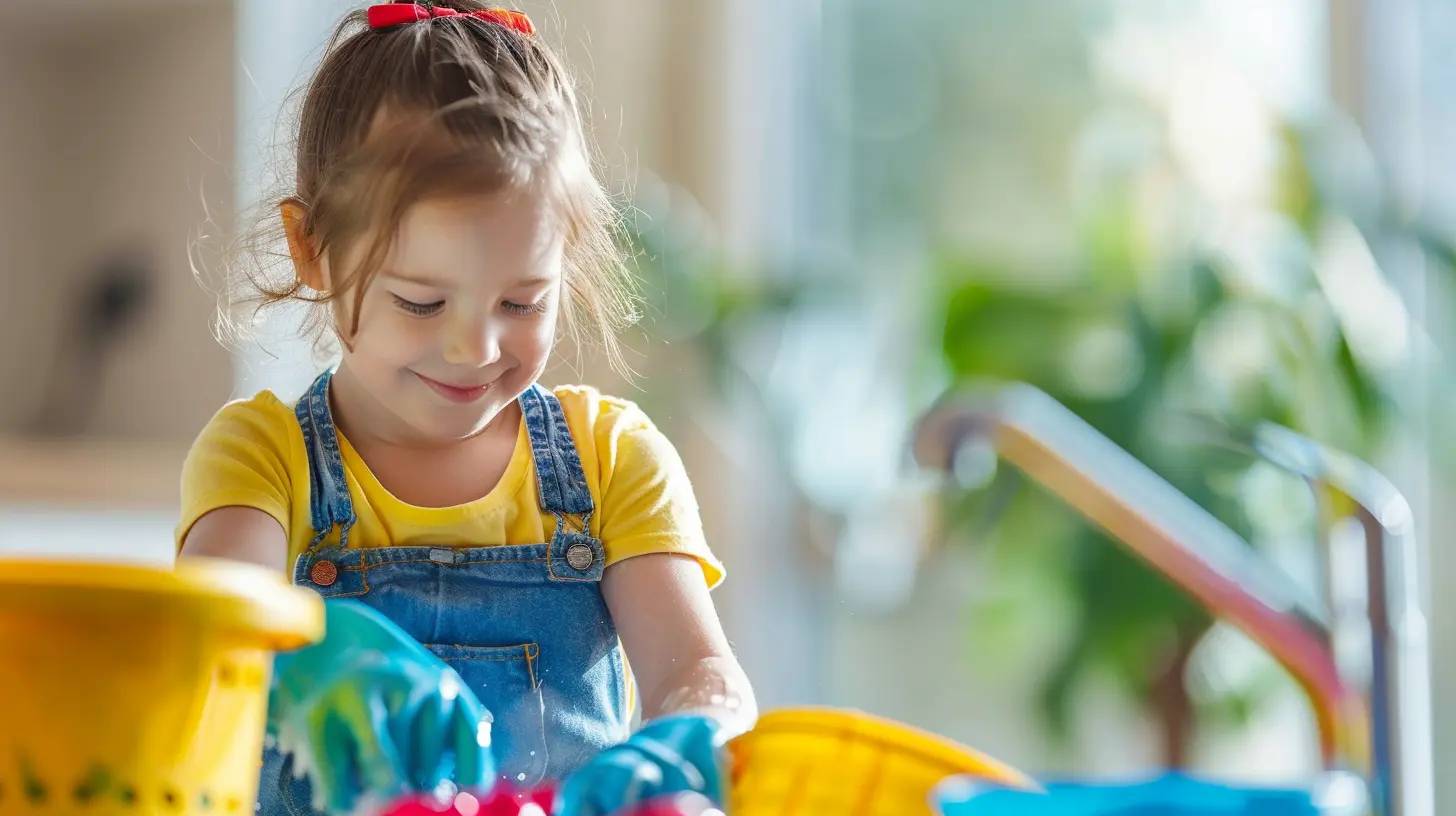
Why Home Organization and Maintenance Matter (Yes, Even to Kids)
Before we jump into the chore lists, let’s talk about the why.Keeping a home organized and well-maintained isn’t just so it looks picture-perfect for guests (although that’s nice too). It's about creating a space that feels calm, functional, and safe. When kids learn this early, they’re more likely to value their surroundings and treat things with care. It’s character-building stuff.
Think of your house like a living body. If you don’t take care of it—clean it, fix it, give it regular check-ups—it starts acting up. And guess what? Kids get that! Comparing home care to self-care makes it super relatable for them.
The Right Chores for the Right Age
Not every chore is suitable for every age, obviously. You wouldn't ask your toddler to mow the lawn (unless you want a wild yard and a panicked kid). So let’s break it down:Ages 2–4: Start Small, Think Big
At this age, it’s all about introducing structure and routine.- Picking up toys: Teach them that everything has a home. Like bedtime for toys!
- Wiping spills: Give them a small towel and make it a “rescue mission.”
- Putting laundry in a basket: Show them how clothes belong in a “dirty clothes zoo.”
Sure, it might take longer than doing it yourself, but what you’re planting here are seeds of responsibility.
Ages 5–7: Responsibility Training Wheels
Now’s when you can start layering in a few more tasks.- Making the bed: Is it going to look like a hotel room? Nope. But that’s not the point.
- Setting the table: Show them where forks and knives go—it’s like a puzzle!
- Watering plants: Introduce the idea of “living things need care.”
Kids this age love feeling helpful. Let them take ownership, and resist fixing what they’ve done (unless it’s a safety hazard, of course).
Ages 8–10: Growing Independence
They’re capable of more, and they’re proud to show it.- Sweeping/Mopping: Teach them the rhythm—it’s almost like a dance.
- Folding laundry: Sock matching can even become a bonding mini-game.
- Organizing their room: Give them containers and labels; it’s like sorting treasure!
Ages 11–13: Teen in Training
Pre-teens are budding adults, and this is the time to treat them like it.- Vacuuming rooms: Let them decide the schedule; it helps with time management.
- Helping with meals: Simple tasks like chopping veggies or stirring pasta sauce.
- Cleaning the bathroom: Not glamorous, but it builds grit (and bacteria awareness).
Ages 14+: Preparing for Real Life
Teenagers are just a few years away from moving out—scary, right? Equip them now.- Doing laundry start to finish: Including separating colors and using detergent properly.
- Clutter audits: Once a month, have them go through their space and declutter.
- Basic home maintenance: Teach them how to check air filters, plunge a toilet, or tighten a loose screw.
Chores That Teach Home Organization
Home organization isn’t about cleaning, it’s about flow. It’s making sure everything has a place and purpose.1. Decluttering Together: The Great Toy Purge
Sit down with your child and tackle cluttered spaces together—closets, toy bins, bookshelves. Ask them questions like, “When was the last time you used this?” or “Does this still make you happy?” Sound familiar? Yep, it’s a kid-friendly twist on the Marie Kondo method.They’ll learn:
- Decision-making
- Letting go
- Recognizing value over volume
2. Organizing Supplies: Mini Managers in Action
Let kids take charge of organizing a part of the house—like the art supplies drawer or the kitchen snack shelf. Provide baskets, labels, or color codes and let them create a system.They’ll learn:
- Planning and categorizing
- A sense of ownership
- How systems make life easier
3. Calendar Check-Ins and Chore Charts
Teach them to keep track of what needs to be done and when. Visual chore charts or dry-erase boards help kids step into accountability.They’ll learn:
- Time management
- Weekly planning
- Visual organization tools
Chores That Teach Home Maintenance
This is the stuff that really gives kids a peek behind the curtain of how a house runs.1. Trash and Recycling: The Eco Lesson
Teaching your child how to separate waste isn’t just a chore—it’s a science experiment in responsibility. Bonus points if you talk about composting!They’ll learn:
- Environmental awareness
- Responsibility for waste
- The impact of choices
2. Checking Smoke Detectors: Safety 101
This one’s underrated and super easy. Let them help push the test button once a month and change batteries when needed (under supervision).They’ll learn:
- Household safety routines
- Importance of preventative care
- Responsibility in shared living spaces
3. Cleaning the Fridge: Food Logic and Lifespan
Show them how to check for expired items, wipe down shelves, and organize items by category. It’s a real-life chemistry and logic lesson.They’ll learn:
- Food safety
- Preventative maintenance
- Reducing waste
4. Gardening and Lawn Care: Nature Nurtures
If you have any kind of outdoor space, get them involved in it. Pulling weeds, trimming plants, and watering teaches them how even nature needs attention.They’ll learn:
- Consistency
- Seasonal change
- Long-term investment of care
How to Make Chores Stick (Without the Nagging)
Okay, you’ve got the chore list. But how do you get your kids actually to do them without becoming the full-time nag patrol?Keep it Fun
Turn chores into challenges or games. Who can fold towels the fastest? Or create a “mystery chore” bowl kids can pull from.Offer Choices
Giving kids options makes them feel in control. Instead of saying “Clean your room now,” say “Would you like to clean your room before or after lunch?”Don’t Expect Perfection
Your 8-year-old’s way of setting the table won’t be Pinterest perfect. And that’s fine. Praise effort, and slowly guide toward improvement.Model It
This one’s huge. If you’re avoiding chores yourself, your kids will pick up on it. Show them that everyone pitches in, and they’ll naturally follow suit.Long-Term Payoffs: What Kids Gain Beyond a Clean Room
Teaching kids these skills isn’t just about the now—it’s about investing in their future.- Responsibility: They learn what it means to take care of something.
- Pride: They feel good finishing tasks and seeing results.
- Preparedness: They grow into adults who know how to manage a home.
- Teamwork: They learn that every family member contributes.
It’s not about creating miniature housekeepers. It's about raising confident, capable people.
Final Thoughts
Chores don’t have to be dreaded clutter-fighting missions. When done right, they’re powerful life lessons in disguise. Whether it’s folding laundry, organizing the pantry, or scrubbing down the sink, every task plays a part in shaping how your child sees responsibility, structure, and self-sufficiency.So the next time your kid grumbles about unloading the dishwasher, remember—you’re not just teaching them how to put away cups. You’re showing them how to show up for themselves and their future home.
And that? That’s pretty awesome.
all images in this post were generated using AI tools
Category:
Chores For KidsAuthor:

Austin Wilcox
Discussion
rate this article
2 comments
Heather McGrady
Who knew that sorting socks could be a life lesson in organization? Time to make it fun!
September 6, 2026 at 4:49 AM
Austin Wilcox
It's true! Simple tasks like sorting socks can spark creativity and make learning about organization enjoyable. Embrace the fun!
Phaedron Underwood
In the dance of daily life, small hands learn the rhythm of order. Chores become a melody, instilling pride and purpose. Each task whispers the value of care, weaving a home where hearts and habits flourish.
June 7, 2026 at 3:46 AM
Austin Wilcox
Absolutely, teaching kids through chores not only builds responsibility but also creates a sense of belonging. It's all about nurturing pride in their space.