Common Causes of Sibling Rivalry and How to Address Them
17 December 2025
Let’s be real—sibling rivalry is about as old as parenting itself. Cain and Abel? Yep, that’s some next-level sibling drama. Fast forward to today, and you're still navigating epic meltdowns over who got the bigger cookie or who gets to ride shotgun. Sound familiar?
If you're raising more than one child, buckle up. Sibling rivalry is part of the package deal. But while it might be common, it doesn’t have to turn your home into a war zone. You can absolutely dial it down and create a more peaceful (and sane) family dynamic.
In this article, we’re diving headfirst into the main causes of sibling rivalry—no sugarcoating, no fluff—and how to get a grip on it before you're refereeing another couch wrestling match over who gets the remote.
What Is Sibling Rivalry Anyway?
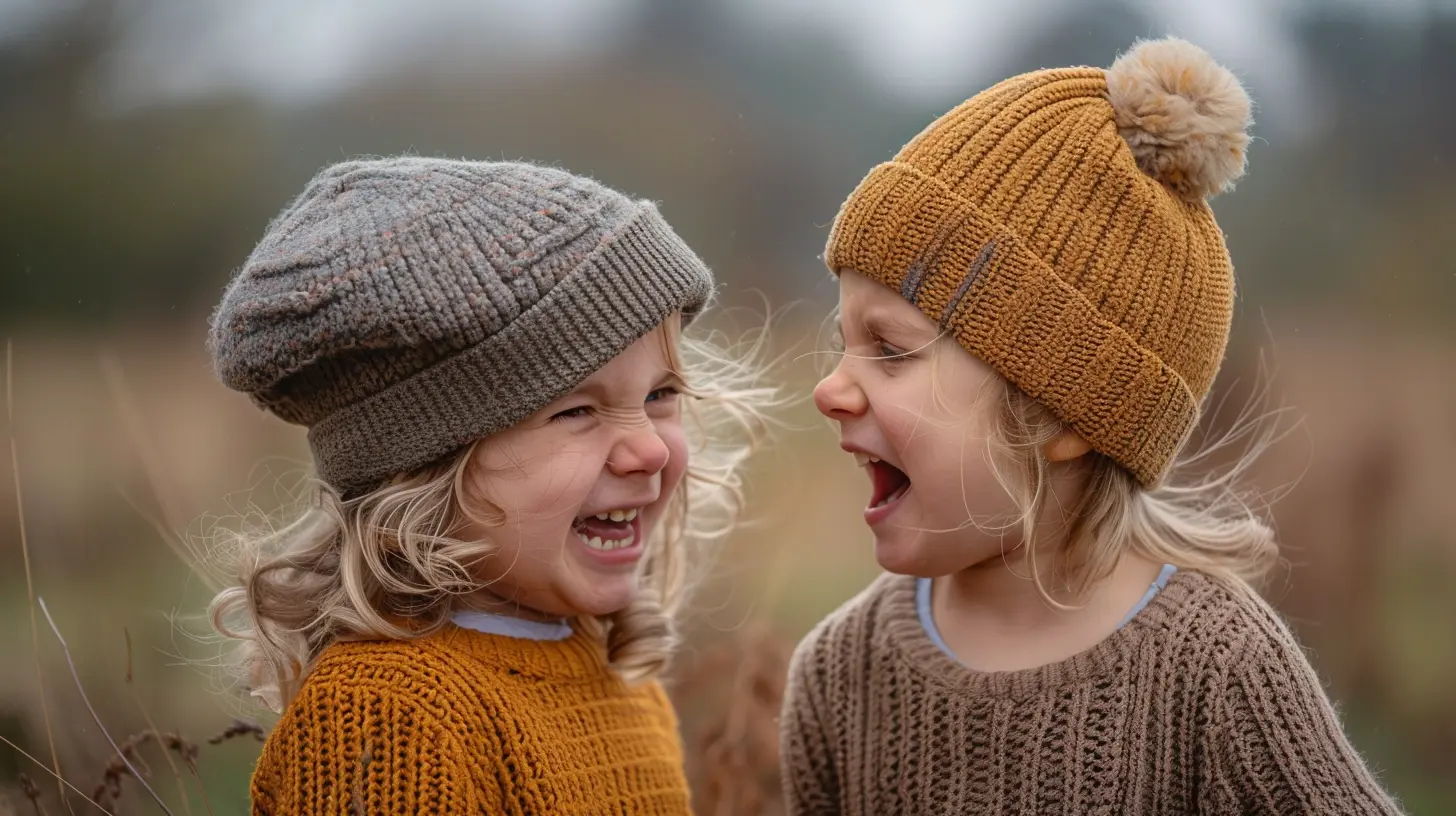
Sibling rivalry is basically the ongoing competition, jealousy, or downright hostility between brothers and sisters. It's normal and natural—but exhausting. You’re not doing anything wrong; it just happens when kids share space, attention, and resources… all while trying to figure themselves out.Sometimes, it's a passing phase. Other times, it hangs around like that one piece of glitter you just can't vacuum up. But here's the kicker: You can manage it, and even use it to teach your kids some life-altering skills—like empathy, emotional regulation, and conflict resolution.
Why Do Siblings Rival? Here's the Raw Truth
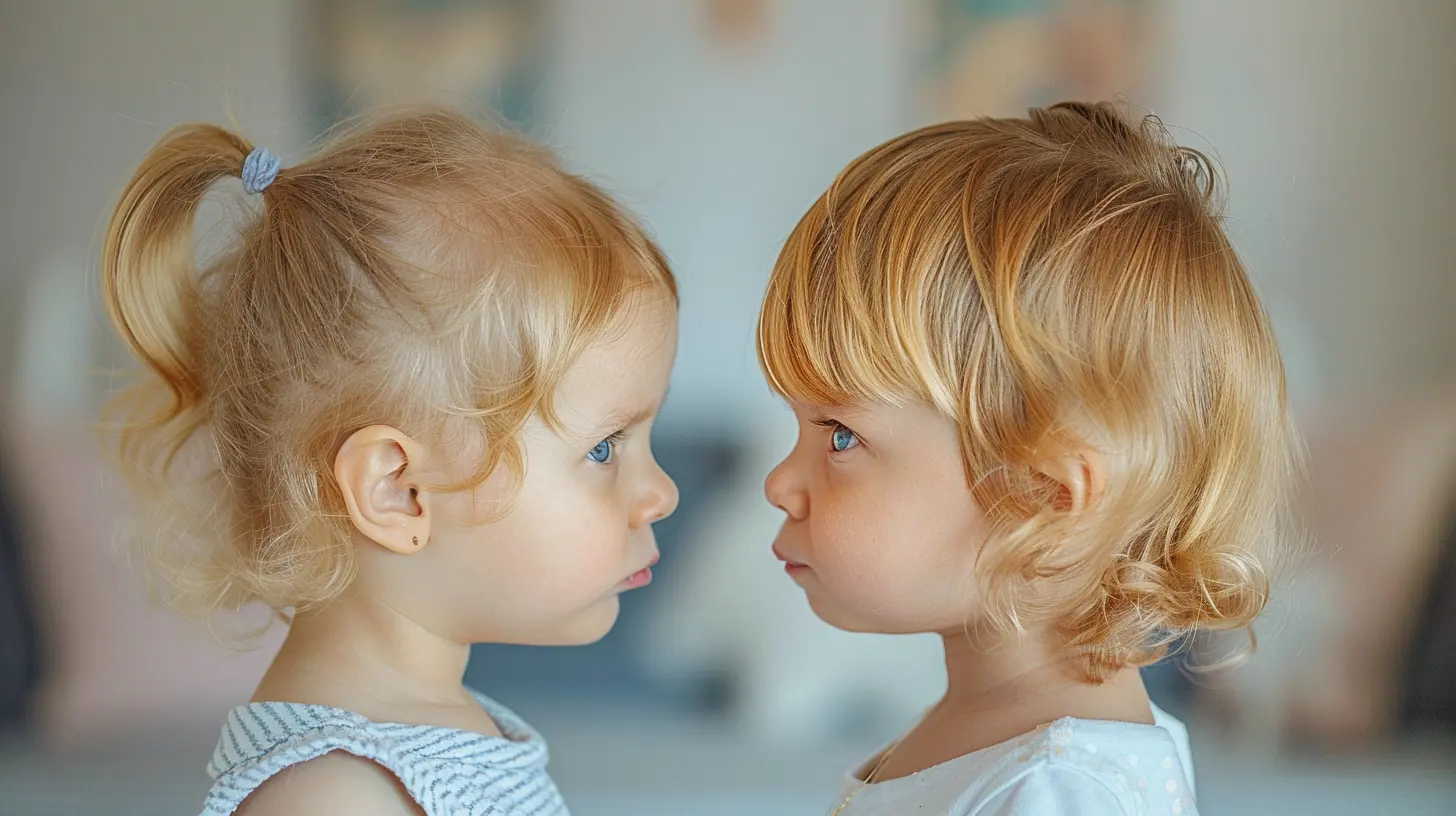
Time to peel back the layers and get to what’s really stirring up the sibling chaos:1. Competition for Attention
Let’s not lie—we all want to feel seen. Kids are no different. They crave your attention like a dog craves table scraps. When one child feels like the other is “getting more” of you (even if they’re not), the claws can come out.Maybe you’ve got a newborn and your older child is suddenly acting like they forgot how to use a toilet. Or one kid gets praised for their grades, and the other starts hurling insults at dinner. It’s all about feeling valued.
How to Handle It:
Give each child your time—solo time. Even 10 minutes a day of undivided attention can work miracles. Call it a “You and Me Time.” Let them choose the activity, and be all in. No phones, no distractions. Just you and them. Boom—emotional tanks refilled.
2. Personality Clashes and Temperament Differences
Kids are born with their own temperaments. One may be chill and go-with-the-flow, while the other is intense and drama-prone. Kind of like living with a golden retriever and a cat. Guess what happens when their personalities bump heads?Friction. Constant, eye-roll-worthy friction.
How to Handle It:
Stop trying to mold your kids into "getting along" just because they share DNA. Accept their differences. Teach them how to respect boundaries and communicate without turning every disagreement into a WWE match.
Remember: They don’t have to be best friends—they just have to coexist without bloodshed.
3. Perceived Favoritism (Real or Imagined)
Here's the truth bomb: Even if you swear you don’t play favorites, your kids might think you do. And that perception is what matters. Maybe you unconsciously give more leeway to the younger one, or you expect more from the older sibling. Kids notice—and they keep receipts.How to Handle It:
Check your own behavior. Are you constantly praising one child more than the other? Do you give harsher punishments to just one? Try to even the playing field. That doesn’t mean treating them exactly the same, but rather fairly based on their needs.
Pro tip: Ask your kids how they feel. Their answers might shock you.
4. Age Gaps and Developmental Stages
A 13-year-old and a 5-year-old are basically from different planets. One wants privacy, a TikTok account, and zero parental interaction. The other wants endless attention, hugs, and bedtime stories. Toss them in the same room, and yeah—sparks fly.How to Handle It:
Set realistic expectations. Don’t expect an older child to be a built-in babysitter or saint. Also, remind the younger one that “poking the bear” (aka the older sibling) may not end well. Encourage activities that match their individual skill levels so no one feels left out or forced to keep up.
5. Modeling Negative Behavior
Look, kids don’t just pull conflict moves out of thin air. If they’re seeing constant fights between parents—or being yelled at often—they’re going to reflect that chaos in their own sibling dynamics.How to Handle It:
Be brutally honest with yourself. Are you showing them how to handle disagreements constructively, or are you fueling a toxic vibe in the house?
Show them what healthy conflict resolution looks like. That means staying calm during arguments, validating emotions, and using your words—even when you want to scream into a pillow.
6. Unresolved Grudges
Ever heard your kid say, “Remember when you gave my cookie to him eight months ago?” Yeah, kids hold grudges like it’s an Olympic sport. If past conflicts aren’t addressed, bitterness builds up.How to Handle It:
Teach the magic of apologies and forgiveness. Not the forced "say sorry now" kind, but genuine discussions about what went wrong and how it made someone feel. Model this in your own relationships, too. Be the grown-up they can learn from.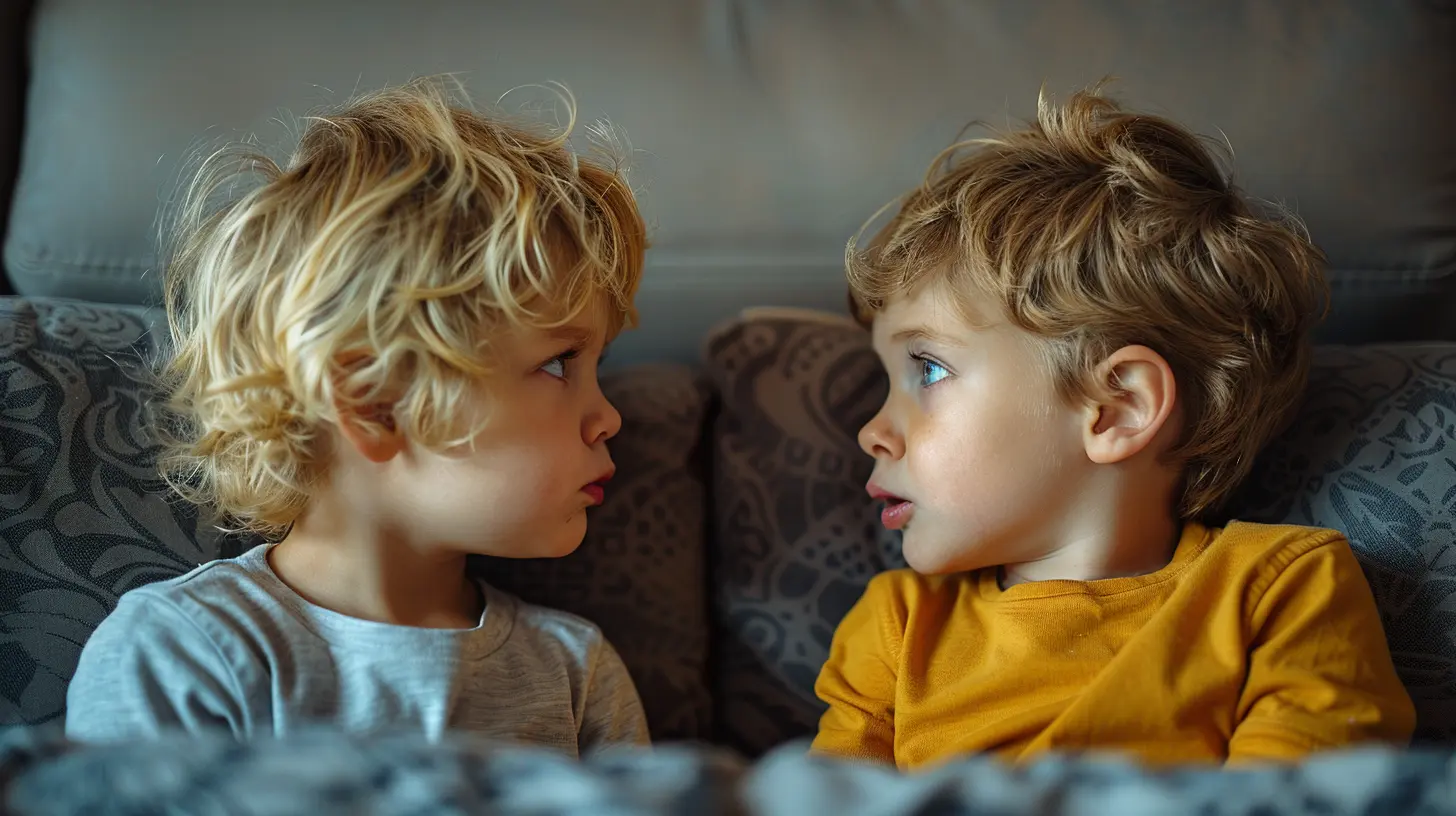
Game-Changing Strategies to Tame Sibling Rivalry
Okay, now that we’ve slapped the causes on the table, let’s talk solutions. Real, effective things you can do starting today.1. Don’t Compare—Ever
No “Why can’t you be more like your sister?” No “Your brother never causes this kind of trouble.” Comparing siblings may seem harmless, but it plants deep seeds of resentment. Each kid is their own person, and they need to feel appreciated for who they are.2. Get Ahead Of It With Preventative Work
If you know your kids tend to fight over video games or whose turn it is to pick the movie, set up clear rules. Don’t wait for WWIII—head it off with structure. “You each get 30 minutes of Minecraft, then switch.” Done. No arguing needed.3. Encourage Teamwork
Create situations where they need each other. Think scavenger hunts, building a fort together, cooking a meal with you—whatever gets them on the same team. The more they collaborate, the less they compete.4. Let Them Solve It Themselves (Within Reason)
Don’t helicopter every argument. Give them tools to work through squabbles on their own. Mediate when needed, but don’t micromanage. The goal? Teach conflict resolution, not dependency.5. Praise the Peace
Catch them being kind to each other. Even the tiniest moment deserves recognition. "Hey, I saw you hand your sister the remote without arguing—that was super cool of you." Positive reinforcement works like magic. Kids will repeat what gets praised.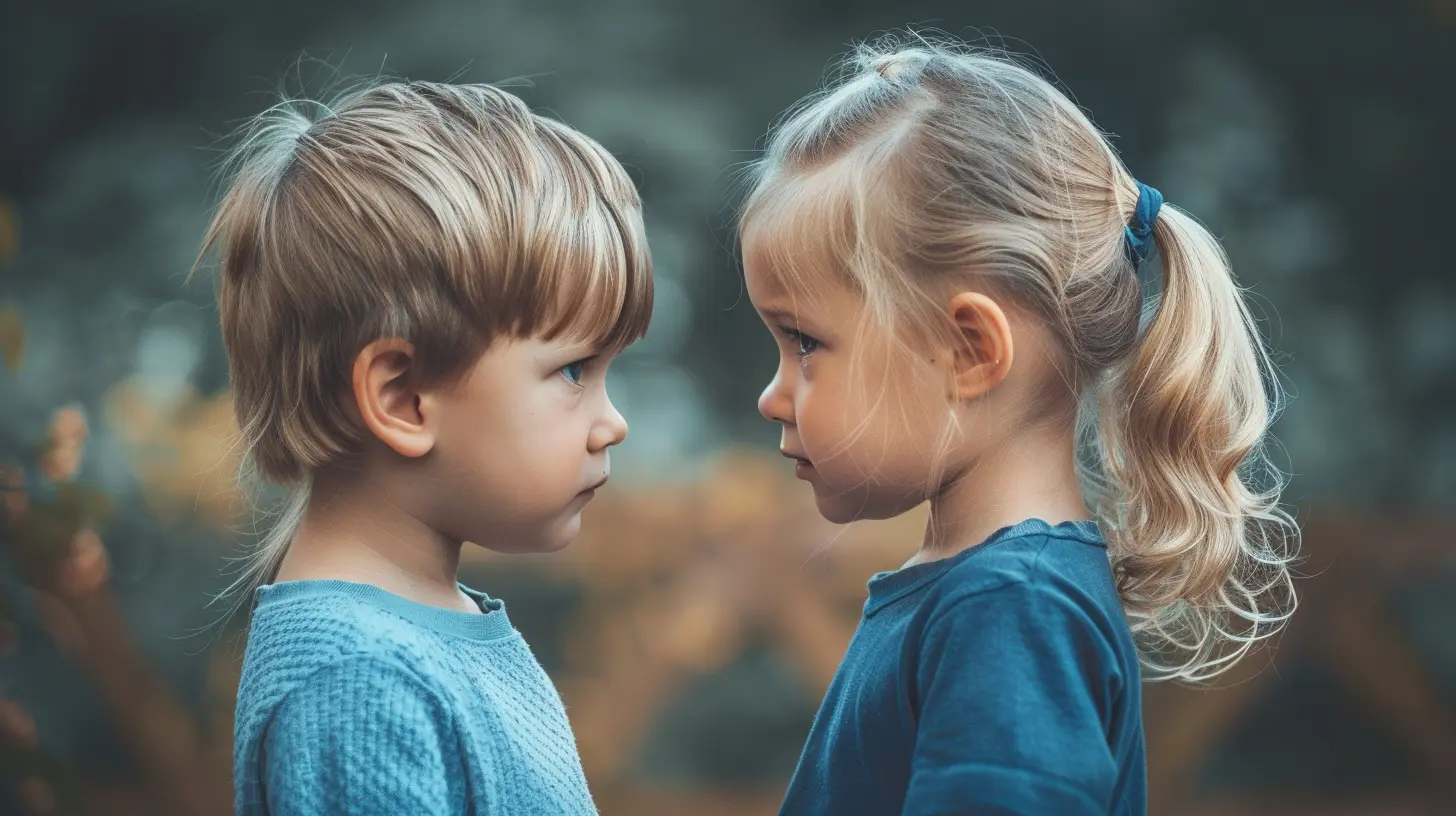
When Should You Worry?
Sibling rivalry is normal—but not when it gets nasty. If it starts to look like:- Physical aggression beyond typical roughhousing
- Constant emotional bullying
- One child feels unsafe around the other
- Fights are escalating despite your best efforts
…it’s time to bring in a counselor or family therapist. No shame in that game. Sometimes you need reinforcements to reset the family dynamic.
Final Thoughts
Sibling rivalry isn’t a sign of failure—it’s a sign your kids are human. And if you play your cards right, those same rivalries can teach them how to be better communicators, better listeners, and ultimately, better adults.Yes, it’s messy. Yes, it drives you crazy some days. But with a little patience, a lot of empathy, and a toolbox full of smart strategies, you can turn the rivalry down from full-blown chaos to manageable bickering.
So don’t just survive sibling rivalry—get ahead of it. Because peace in your home? Totally worth the hustle.
all images in this post were generated using AI tools
Category:
Sibling RivalryAuthor:

Austin Wilcox
Discussion
rate this article
2 comments
Zariah Mitchell
Great insights on sibling rivalry! It’s essential to understand these common causes. Addressing them thoughtfully can foster harmony and strengthen sibling bonds. Thank you for sharing!
January 17, 2026 at 5:49 AM
Austin Wilcox
Thank you for your thoughtful comment! I'm glad you found the insights helpful for fostering stronger sibling relationships.
Susan Yates
Great insights! Sibling rivalry is so common, but understanding its roots can make family life smoother. Love the practical tips for fostering harmony among siblings! Let’s create joyful memories together! 🌟💖
December 22, 2025 at 5:18 AM
Austin Wilcox
Thank you! I’m glad you found the insights helpful. Creating joyful memories is key to nurturing sibling relationships! 🌟💖