The Importance of Parental Controls in Digital Devices
17 November 2025
Remember the good ol’ days when parenting was all about making sure your kid didn’t stick a LEGO up their nose or eat the dog's kibble? Ah, simpler times. Fast forward to today — where digital devices are glued to our kids' hands like peanut butter on jelly — and suddenly, your biggest worry is what exactly are they watching, scrolling, or gulp typing online?
Welcome to the wild, wild west of digital parenting, friends! And guess who's the new sheriff in town? That's right — Parental Controls.
Let’s break this down, have some laughs, share a few “been there, screamed internally” moments, and dive deep (but not boring-deep) into why parental controls on digital devices matter more than ever.
What Are Parental Controls Anyway?
Imagine giving your 5-year-old the keys to your car and saying, “Have fun, buddy!” You wouldn’t, right? (At least I hope not. If you would, we're gonna need a different kind of article.)Well, handing over a smartphone or tablet unrestricted is basically the same thing — just in the digital realm filled with virtual potholes, dangerous detours, and the occasional YouTube rabbit hole that starts with Peppa Pig and ends in conspiracy theories.
Parental controls are your digital seatbelts. They help you:
- Limit screen time (because 8 hours of Minecraft is not a healthy diet)
- Filter content (no little eyes need to see late-night comedy or aggressive politics)
- Control app downloads (you don’t need 73 games with "Slap" in the title… trust me)
- Track online activity (like a GPS for your child's brain)
It's peace of mind, plain and simple — and possibly the only thing standing between your child and the internet’s more questionable corners.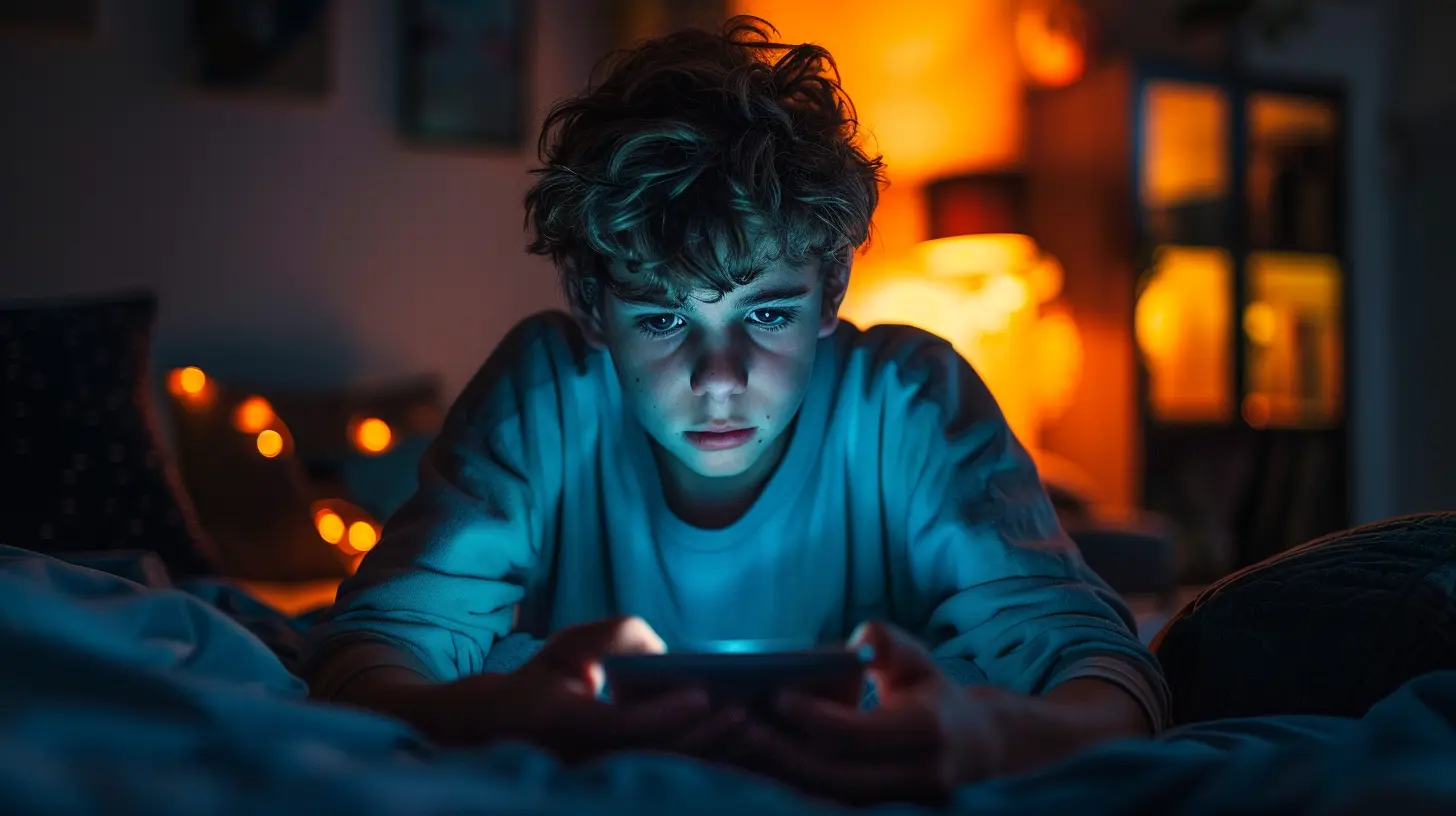
The Internet: Not Exactly Rated G
Let’s be real. The internet is like a gigantic, endless amusement park — fun rides, but also creepy alleys and suspicious snack stands that sell you emotional trauma instead of cotton candy.Here’s a peek at the digital jungle your kiddo navigates daily:
- Inappropriate content – A slip from a spelling error can take your child from "animal farm" to content you definitely don’t want to explain at dinner.
- Cyberbullying – Trolls aren't just bedtime stories anymore. They're online, meaner than ever, and equipped with emojis.
- Predators – It’s a sad fact, but online predators do lurk. The anonymity of the internet emboldens them.
- Addiction – Oh yes, screen time addiction is real. Those dopamine hits from likes and levels unlocked are no joke.
- In-app purchases – "Hey Mom, I accidentally spent $200 on digital fairy dust." Um… what?
If your child is online (and let’s not pretend they're not), parental controls aren't optional — they're essential.
Why Parental Controls Are Your Digital Superpower
Still not convinced? Alright, let’s break it down further. Think of parental controls as your family-sized Swiss Army knife in the tech world.1. 🕐 They Help Manage Screen Time Without Being the Bad Guy
“Just five more minutes!” — a phrase we all fear more than "We need to talk."With parental controls, you set the device to do the dirty work. No more negotiating with a 7-year-old like you’re bargaining for a hostage release.
Want the tablet to shut down at bedtime? Boom — automated.
Want to limit YouTube to 30 minutes a day? Done.
You’re not the mean parent. You’re just following “what the iPad says.” #Winning
2. 🛑 They Block the Bad Stuff Before It Enters the Brain
Let’s face it — there's stuff online that can’t be unseen. And kids? They’re curious. Combine curiosity with an unfiltered internet and you've got a recipe for awkward conversations way ahead of their time.Parental controls are like the bouncer at the digital door: "Sorry, inappropriate content. You're not on the list."
3. 🔍 They Let You Know What’s Going On (Even if Your Kid Pretends Everything’s Fine)
Some kids talk. Others are more secretive than FBI agents in spy thrillers.But with parental controls, you can peek behind the curtain — not to invade their privacy, but to protect it.
Many tools let you see what sites they’ve visited, what apps they’ve downloaded, and how much time they’re spending with their digital besties.
It's not snooping.
It's parenting with a toolkit.
4. 🧒 They Teach Kids Boundaries
Just like you taught them not to run into traffic or eat glue, you’re now teaching them how to engage with the digital world responsibly.Parental controls aren't just rules — they’re digital training wheels. You’re helping them learn balance before you let them pedal full-speed into the internet.
Types of Parental Controls (AKA: Choose Your Weapon, Guardian Warrior)
Now that we know why they matter, let’s go weapon shopping.1. 📱 Device-Level Controls
Most phones, tablets, and computers come locked and loaded with in-built parental controls. You can:- Set screen time limits
- Filter content
- Restrict app purchases
- Set up child profiles
Examples: Apple’s Screen Time, Android’s Digital Wellbeing, Windows Family Settings.
2. 🌐 Network-Level Controls
Want to control everything connected to your Wi-Fi? From smart fridges to tiny tablets? Set up parental controls directly on your router.This is like installing laser tripwires at the digital front door. Nothing sketchy comes in unless it gets past you first.
3. 🧰 Third-Party Apps
Feeling fancy? Go for dedicated parental control apps with all the bells and overprotective whistles.Popular ones: Bark, Qustodio, Net Nanny, Norton Family.
These apps offer advanced features like:
- Real-time activity alerts
- Social media monitoring
- Text and call monitoring (with your child’s knowledge, of course)
- Location tracking
Basically, it's like hiring a digital babysitter who never sleeps.
Common Myths About Parental Controls (Let’s Bust These Like a Digital Ghostbuster)
“But it’s spying!”Nope. Think of it like reading the nutrition label on what they're consuming — only it's content, not calories.
“Kids will just find a way around it.”
Some will try, sure. But that’s part of the learning process. Plus, modern controls are catching up fast. Think of it as a game of whack-a-mole — you’ll win more than you lose.
“It’s too complicated.”
You learned to parent a toddler. You survived potty training. You taught someone how to use a spoon. You can do this.
How to Talk To Your Kids About Parental Controls Without a Meltdown
Alright, we’ve all tried the “Because I said so” route… and we all know how well that went.Here’s a more effective approach:
Be Honest
Explain why you’re setting controls."It's not about not trusting you — it's about keeping you safe."
Be Collaborative
Let them be part of the process. “Let’s look at these settings together and decide what’s fair.”Be Consistent
Once the rules are set, stick to them. No random exceptions just because they cleaned their room for once.Be Open
Tell them they can always come to you if they stumble upon something weird, confusing, or scary online.You want to be the first line of defense, not Google.
Conclusion: You're Not Just a Parent — You're a Digital Gatekeeper
In a world where kids learn to swipe before they speak, parental controls are the modern-day seatbelts.Yes, the internet is wonderful. It's full of educational games, FaceTiming grandparents, and learning how to make the perfect slime. But it’s also full of traps, trolls, inappropriate content, and addictive programs designed to hijack your child’s attention span faster than a TikTok trend.
So take a breath, open up those settings, install what you need, and sleep a little easier tonight knowing that you’ve got your bases covered.
And remember: You're not being overprotective. You're being proactive. There’s a difference.
Now go forth, digital defender — and may the parental controls be ever in your favor.
all images in this post were generated using AI tools
Category:
Online SafetyAuthor:

Austin Wilcox
Discussion
rate this article
1 comments
Zara Kirk
In a world where screens can be portals to both wonders and dangers, discerning guardians must tread carefully. Parental controls are not just tools; they’re the invisible shields that protect our children from the unseen realms of the digital abyss.
November 26, 2025 at 3:29 AM
Austin Wilcox
Thank you for your insightful comment! Indeed, parental controls serve as essential safeguards, helping to navigate the complexities of the digital landscape and ensuring a safer experience for our children.