Cracked Nipples and Other Common Breastfeeding Struggles
10 September 2026
Ask any mom and she’ll likely tell you — breastfeeding sounds simple… until you actually start doing it. That picture-perfect image of a peaceful mom feeding her baby is often a far cry from reality for many of us. From cracked nipples to low supply to feeling like a human snack bar 24/7, the challenges of breastfeeding are real.
Here’s the good news — you are absolutely not alone. Whether you're just starting out or knee-deep in the breastfeeding trenches, let’s talk about those real, raw, and often painful struggles — especially cracked nipples — and what you can actually do about them.
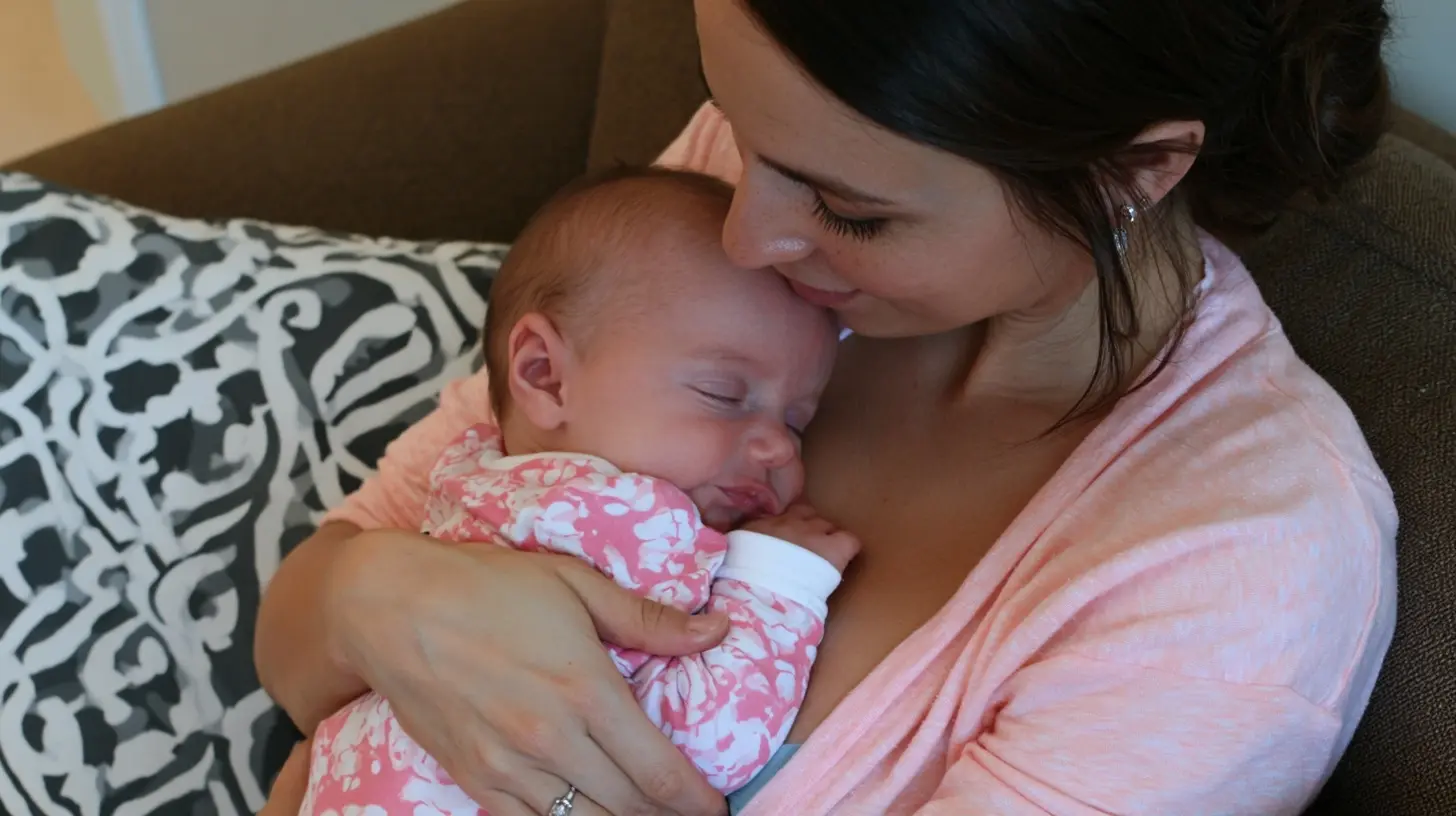
Let’s Start With the Boob Truth: It's Supposed to Hurt a Little... But Not a Lot
Okay, yes — some discomfort in the beginning is normal. Your baby is learning, you're learning, and your nipples are suddenly doing very hard work all day and all night.But here's the line you shouldn't cross: pain that makes you wince, dread latching, or brings you to tears? That’s not normal. And cracked, bleeding, or blistered nipples? That’s your body waving a giant red flag.
So, why does this happen?

Cracked Nipples: What’s Going On?
Cracked nipples look exactly how they sound (ugh, I know) — usually dry, red, flaky, and sometimes even bleeding. It can make each feeding session feel like torture. The culprits?- Poor latch: This is often the number one reason. If your baby isn’t latched deeply enough, they end up sucking on the nipple instead of pulling in the whole areola. That uneven pressure? It’s like sandpaper on delicate skin.
- Dry skin: All that saliva and wiping can strip natural oils and cause drying or cracking.
- Pumping trauma: Yep, pump flanges that don’t fit properly or suction that’s too high can do damage.
- Thrush or infection: Sometimes pain and cracks don’t improve because there's an underlying issue like a yeast infection.
- Tongue-tie or lip-tie in baby: If your little one has trouble creating solid suction, your nipples may end up paying the price.
So, what can you do?

First Aid for Cracked Nipples
Think of treating cracked nipples like putting a Band-Aid on a scraped knee — it's all about healing and preventing further trauma.1. Check the Latch (Seriously, This Is Everything)
Most nipple pain stems from a bad latch. Try this:- Aim baby’s nose toward your nipple, not the mouth.
- Wait until their mouth is wide open, like a big yawn.
- Bring baby to breast — not the other way around.
- Make sure their lips are flanged out and their chin is touching your breast.
Still unsure? Get help from a lactation consultant. One little adjustment can make a massive difference.
2. Express a Few Drops of Breast Milk
Breast milk isn’t just food — it’s magical stuff. Express a few drops and gently spread it on your nipples after feeding. Let them air dry. Breast milk has natural antibodies that promote healing.3. Use Nipple Cream or Coconut Oil
Lanolin-based nipple creams are tried and true. But if you want a more natural option, coconut oil is soothing and has antimicrobial properties. Whichever route you choose, make sure it's safe for baby (aka no need to wipe off before feeding).4. Skip the Harsh Soaps
Wash nipples with plain warm water. Avoid harsh soaps that dry out your skin even more.5. Air Out Your Girls
Let your nipples breathe! Go braless (or use cotton bras) when possible. Moisture and heat from synthetic bras can make things worse.6. Use Breast Shells
These little silicone devices go inside your bra and keep fabric from rubbing against sore nipples. They also let air circulate.7. Consider Nipple Shields (Temporarily)
They’re not a long-term solution, but for severe cracks, they might offer a little break while you work on healing and proper latch.
Other Common Breastfeeding Struggles – You’re Not Alone!
Cracked nipples are just one chapter in the breastfeeding saga. Here are a few more common hurdles that really deserve their own spotlight.Low Milk Supply
Whether you’re pumping air or baby seems unsatisfied after feeding, the fear of not making "enough" milk can trigger serious stress.What helps:
- Nurse on demand — the more baby latches, the more milk you’ll make.
- Power pump – mimic cluster feeding to boost supply.
- Stay hydrated and eat nourishing foods (think oatmeal, almonds, leafy greens).
- Skin-to-skin contact is magic — it boosts oxytocin levels and milk flow.
Got questions? A lactation consultant can evaluate what’s really going on — sometimes perception and actual supply don’t match.
Engorgement
Woke up one day with boobs that feel like bowling balls? Yep, that’s engorgement. It usually hits around day 3-5 postpartum when milk comes in full-force.What helps:
- Nurse frequently. Don’t wait until baby is really hungry.
- Use warm compresses before feeding and cold ones after.
- Hand express a little milk if baby can’t latch due to the firmness.
- Cabbage leaves in your bra — yes, it sounds wild, but it works.
Mastitis
This one’s no joke. It’s a breast infection that can come on fast — with fever, chills, and painful red streaks on your breast. It often stems from clogged ducts that didn’t get cleared.What helps:
- Keep nursing or pumping — it hurts, but you need to keep milk flowing.
- Rest and hydrate like crazy.
- Antibiotics may be necessary — don’t wait too long to call your doctor.
Overactive Letdown or Fast Flow
If your baby coughs, sputters, or pulls away from the breast a few seconds in, you might have a strong letdown reflex.Try this:
- Let some milk spray out into a towel before latching baby.
- Nurse in a laid-back position — gravity helps slow down the flow.
- Offer one breast per feeding to reduce overstimulation.
Nursing Aversion or Feeling Touched-Out
Some moms experience a skin-crawling sensation while nursing — especially during extended breastfeeding or during pregnancy.What’s going on?
Hormones, fatigue, overstimulation — it all adds up. It doesn’t mean you’re a bad mom; it means you need support and space.
Give yourself grace. Take short breaks, communicate your limits, and remember, your mental health matters too.
How Partners Can Help (Hint: It’s Not Just About Holding The Baby)
If you’re reading this as a partner or support person — high five for caring. Here’s how you can truly support breastfeeding:- Bring snacks and water to the mama.
- Take baby after feedings so she can rest.
- Help reheat that same cup of coffee for the 3rd time.
- Tell her she’s doing an incredible job — often and sincerely.
- Help schedule lactation consultant visits or run errands so she doesn't have to.
Being “on the boob” around the clock is exhausting, even if it looks calm from the outside.
When To Ask for Help
Breastfeeding is natural, but sometimes it isn't easy. It’s okay to ask for help. In fact, it’s smart. You don’t need to soldier through pain or let guilt become your co-pilot.Here’s when to reach out:
- You feel intense pain with every feeding.
- Your nipples aren’t healing or are getting worse.
- Your baby isn’t gaining weight as expected.
- Feedings are constantly stressful or leave you in tears.
- You're feeling anxious or overwhelmed all the time.
Postpartum doulas, lactation consultants, support groups, and even online communities can offer wisdom, strategies, and solidarity.
Real Talk: Fed Is Best
At the end of the day, your baby needs nourishment and love — and they’ll thrive whether that comes from breast, bottle, or both. If breastfeeding doesn’t work out long-term, that doesn’t erase your effort, love, or worth as a parent.Our bodies are incredible, but they’re not machines. You are amazing for showing up every day — cracked nipples and all. So be kind to your body, your emotions, and your journey. Because you and your baby? You’re doing just fine.
Final Thoughts
Breastfeeding is a journey full of ups, downs, and unexpected detours. Cracked nipples, low supply, and endless questions can make it feel like an uphill battle — but you’re not walking it alone. With the right knowledge, support, and tools, you can navigate those bumps with a little more ease (and a lot more confidence).So hang in there. You're not just feeding your baby — you're nurturing connection, comfort, and love. And that, my friend, is nothing short of superhero status.
all images in this post were generated using AI tools
Category:
BreastfeedingAuthor:

Austin Wilcox
Discussion
rate this article
1 comments
Talis McKay
Breastfeeding can be quite the adventure, and cracked nipples are just one of those bumps on the road. Remember, every mom faces challenges. Keep smiling, you are doing great, and it will get easier!
September 12, 2026 at 4:11 AM
Austin Wilcox
Thanks for the encouraging words! Every challenge is part of the journey, and I'm glad to share these experiences.