Creating a Supportive Environment at Home for Anxious Children
7 March 2026
Anxiety in children is more common than we might think, and as parents, it can be heartbreaking to watch our little ones struggle with fear, worry, and stress. But here’s the good news—you’re not powerless. In fact, you have one of the most important tools at your disposal: your home. Yep, your own living space can become a safe haven where your child feels secure, understood, and empowered.
Let’s dive into how you can create a supportive environment at home for anxious children. It's not about drastic life overhauls; it’s about small, consistent actions that make a big difference.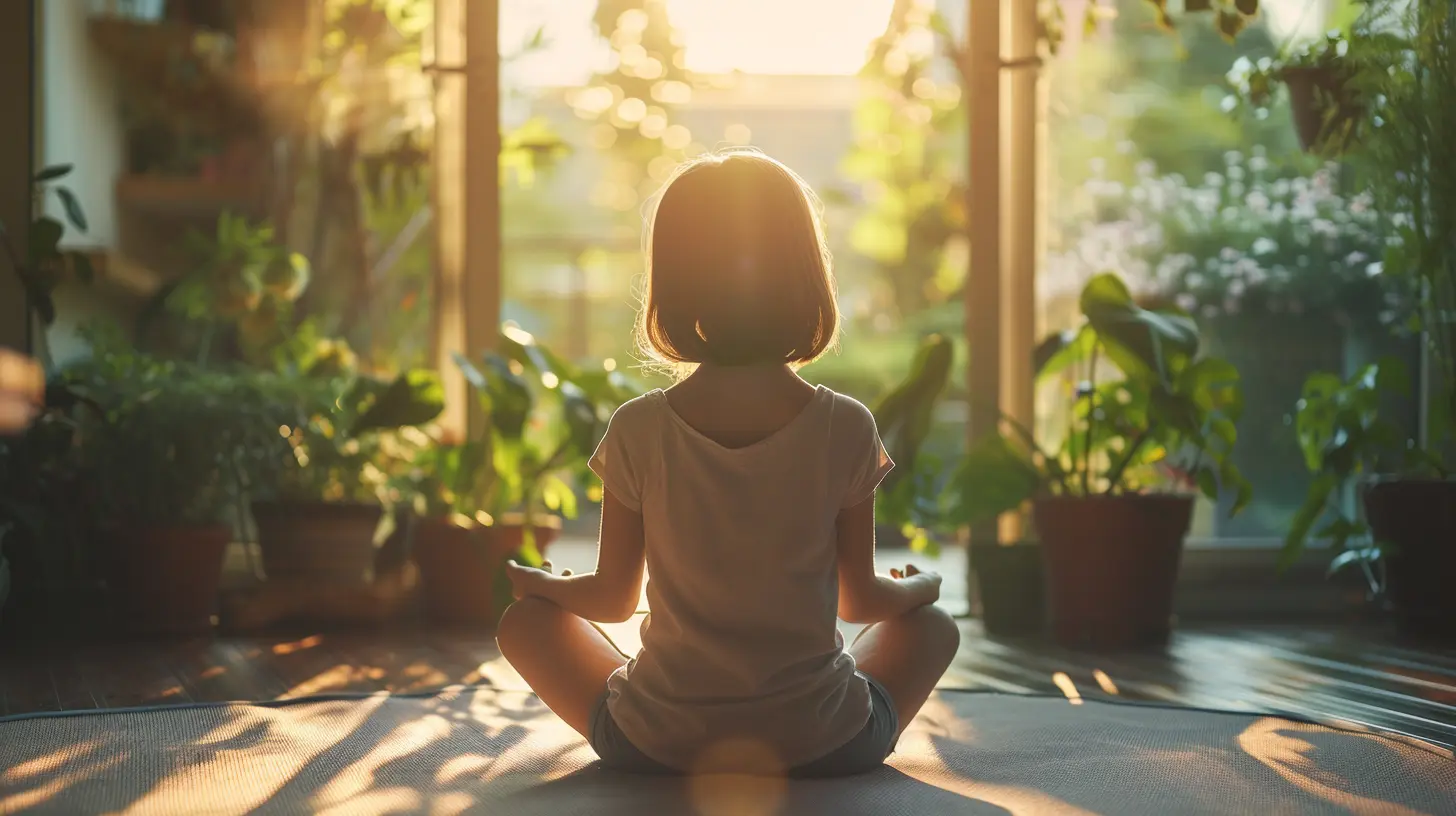
Understanding Childhood Anxiety: What’s Really Going On?
Before we get into the "how," let’s take a minute to unpack the "what." What exactly does anxiety look like in children?It’s not always the nervous nail-biting you might expect. Sometimes, it's tummy aches before school, avoiding activities they once loved, or explosive tantrums that come out of nowhere. Kids often lack the vocabulary to say, “I’m anxious.” So, their behavior does the talking.
Anxiety stems from a variety of things—genetics, environment, life transitions (like starting school or moving), or even just an overactive brain that constantly thinks “what if?”
Knowing what you're dealing with helps you respond with confidence rather than confusion.
Why the Home Environment Matters More Than You Think
Your home isn’t just a place with walls and a roof—it’s your child’s emotional foundation. Think of it like soil for a plant. If it’s rich and nourishing, the plant grows sturdy. But if it’s rocky, dry, or unstable, you get the idea.For an anxious child, a calm and supportive home can be the difference between spiraling stress and a sense of safety. Children crave predictability, reassurance, and connection. When they get that at home, their inner world becomes more manageable.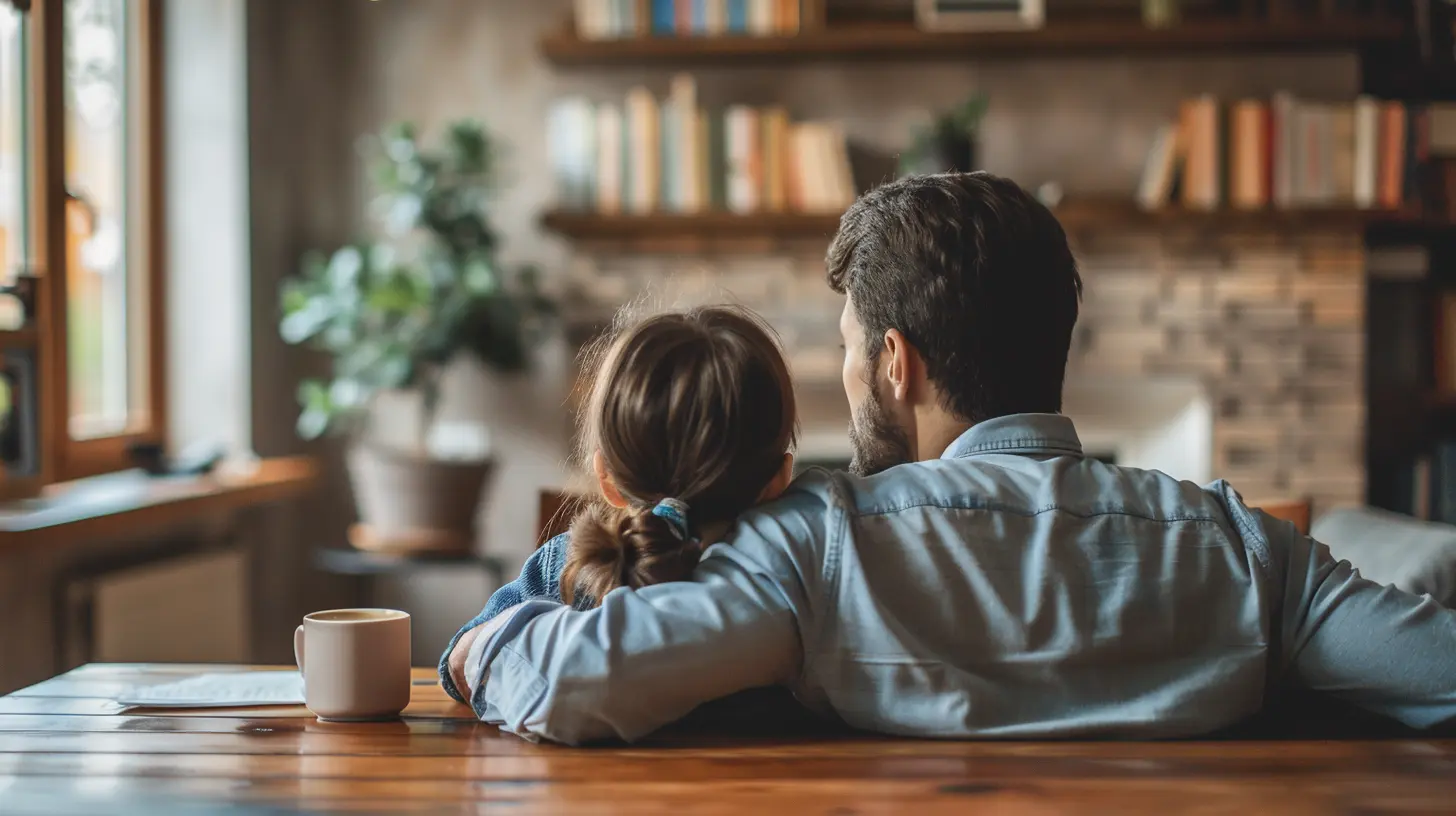
1. Create Consistent Routines (Kids Thrive on Predictability)
Let’s be real—routines might sound boring to us adults, but for kids, they’re pure gold. Predictable routines offer a sense of security. When they know what to expect, their brains can relax a little. It removes the guesswork and reduces anxiety triggers.Start with small things like:
- Morning and bedtime rituals
- Meal times at regular hours
- Quiet wind-down periods before bed
- Scheduled homework or reading time
You don’t need to run your home like a boot camp. Just aim for a rhythm that your child can anticipate.
2. Design a "Chill Zone" (A Cozy Corner that Calms)
Every kid—especially the anxious ones—needs a personal retreat. Think of it as their emotional charging station.Set up a cozy corner in their room or a quiet nook elsewhere in the house with comfy pillows, soft lighting, a few books, sensory toys, maybe even noise-canceling headphones. When the world feels too loud or overwhelming, this is their go-to safe space.
Let them help you decorate it. When they feel ownership, they’re more likely to actually use and enjoy it.
3. Be a Calm Role Model (They’re Watching You Closely)
Kids are like emotional sponges—soak up everything, especially your reactions. If you’re constantly stressed or yelling, they’ll mirror that. But when you model calm responses, even in the middle of chaos, they learn that it's possible to handle stress with grace.Next time things get heated, try:
- Taking deep breaths together
- Saying out loud, "I’m feeling frustrated, so I’m taking a moment"
- Practicing grounding techniques like the 5-4-3-2-1 method (five things you can see, four you can touch, etc.)
It shows them emotional regulation in real time—and that’s powerful parenting.
4. Open Up Communication (But Keep It Low Pressure)
“Tell me what you’re feeling” doesn’t always work. Especially if your child doesn’t quite understand what they’re feeling themselves.Instead, make room for low-pressure conversations. Talk while driving, walking the dog, or doing activities together. Ask open-ended questions like:
- “That seemed like a tough moment—want to talk about it?”
- “What made today feel kinda ‘meh’?”
- “If your worries were a cartoon character, what would it look like?”
These questions open the door without forcing anything.
5. Validate Their Feelings (Even When They Seem Small)
We’ve all been tempted to say, “That’s nothing to worry about!” But here’s the thing: if it’s a big deal to them, it matters.Validation means you don’t have to agree with their fear—you just have to acknowledge it.
Try saying:
- “I can see why that would feel scary.”
- “That sounds really hard.”
- “Thanks for sharing that with me.”
Feeling understood is one of the most calming experiences a child can have.
6. Limit Anxiety Triggers at Home (Yes, Including Too Much News)
Kids don’t live in a bubble. They overhear conversations, watch TV, pick up vibes. So be mindful of what’s swirling around them.Here are a few things to minimize:
- Constant background news channels
- Overhearing grown-up arguments
- Overloaded schedules
- Too much screen time, especially before bed
Instead, fill their environment with calming music, laughter, outdoor play, good books, and warm conversations.
7. Encourage Healthy Habits (Because Bodies and Brains are Besties)
Here’s the secret sauce: a healthy body supports a calm mind. It’s all connected.Make sure your anxious child is:
- Getting enough sleep (9–12 hours, depending on age)
- Eating balanced meals
- Moving their bodies (even a walk around the block counts)
- Getting sunlight exposure
Simple, right? But oh-so-important.
8. Get Creative With Expression (Because Not All Kids Talk)
Some kids just aren’t talkers. That’s cool. There are other doors into their emotional world.Try:
- Drawing or coloring together
- Acting out stories with dolls or action figures
- Playing emotion-themed board games (yes, they exist!)
- Journaling feelings through pictures or words
These methods help kids express themselves in ways that feel natural and unstressful.
9. Build Up Resilience Through Problem Solving
When kids avoid their anxieties, the fears grow bigger. But when they face them—even in small doses—they start building strength.Help your child problem-solve their way through tough moments:
- “What’s the worst that could happen? What’s the best?”
- “What’s one small step we could take right now?”
- “How did you handle something like this before?”
Frame anxiety as something they can manage, not be controlled by. You're their coach, not their fixer.
10. Know When to Seek Extra Help (There’s No Shame in Backup)
Sometimes, even with all the right support at home, your child’s anxiety may need professional help. And that doesn’t mean you’ve failed—in fact, recognizing it is an act of powerful parenting.Look for signs like:
- Extreme, persistent worry
- Trouble sleeping or eating
- Withdrawal from friends or activities
- School avoidance or frequent stomach/headaches
In these cases, a therapist trained in childhood anxiety can make a world of difference. And trust me, you’re not alone on this journey.
Final Thoughts: You’ve Got This!
Creating a supportive environment at home for anxious children isn’t about being a perfect parent—it’s about being present, patient, and proactive.By turning your home into a safe, predictable, and comforting space, you're giving your child the foundation to manage their anxiety and build a future full of confidence and resilience.
Remember: small changes over time can have massive ripple effects. The love, support, and stability you provide? That’s better than any magic solution out there.
So take a deep breath (yes, you too), give yourself some grace, and keep showing up. You're doing amazing.
all images in this post were generated using AI tools
Category:
Dealing With AnxietyAuthor:

Austin Wilcox
Discussion
rate this article
2 comments
Caleb McMillan
Thank you for these valuable insights!
March 19, 2026 at 4:09 PM
Austin Wilcox
You're welcome! I'm glad you found the insights helpful.
Faryn Hernandez
I love this perspective! Creating a nurturing space can truly transform a child’s experience with anxiety. I'm eager to try some of these strategies at home!
March 8, 2026 at 5:29 AM
Austin Wilcox
Thank you for your kind words! I'm glad you found the strategies helpful. Wishing you and your child all the best on this journey!