Decoding Online Gaming: Keeping Kids Safe in Multiplayer Environments
7 April 2026
Online gaming has exploded in popularity over the last decade—especially among kids and teens. Whether it’s teaming up in Fortnite, building worlds in Minecraft, or racing Mario Kart-style in Roblox, multiplayer gaming is now a favorite pastime for many young players. It's fun, interactive, and sometimes even educational. But let’s be honest—out there in the vast world of online multiplayer games, not everyone plays nice.
So as parents, how do we balance screen time with safety? How do we make sure our kids are having fun while staying out of harm’s way?
Let’s dive into this digital playground and decode the world of online gaming, uncovering how you can keep your child safe, informed, and still excited to join their virtual friends.
🎮 The Rise of Online Multiplayer Games for Kids
Think of online multiplayer gaming like a modern-day virtual playground. Instead of swinging on monkey bars or playing tag, kids now log in and play games with others from around the world. They're forming teams, chatting in real-time, and competing in live tournaments—all from their bedrooms.Games like:
- Minecraft
- Roblox
- Fortnite
- Among Us
- Rocket League
These aren't just “games.” They’re online communities.
But here’s the thing: just like playgrounds need supervision, so do multiplayer games.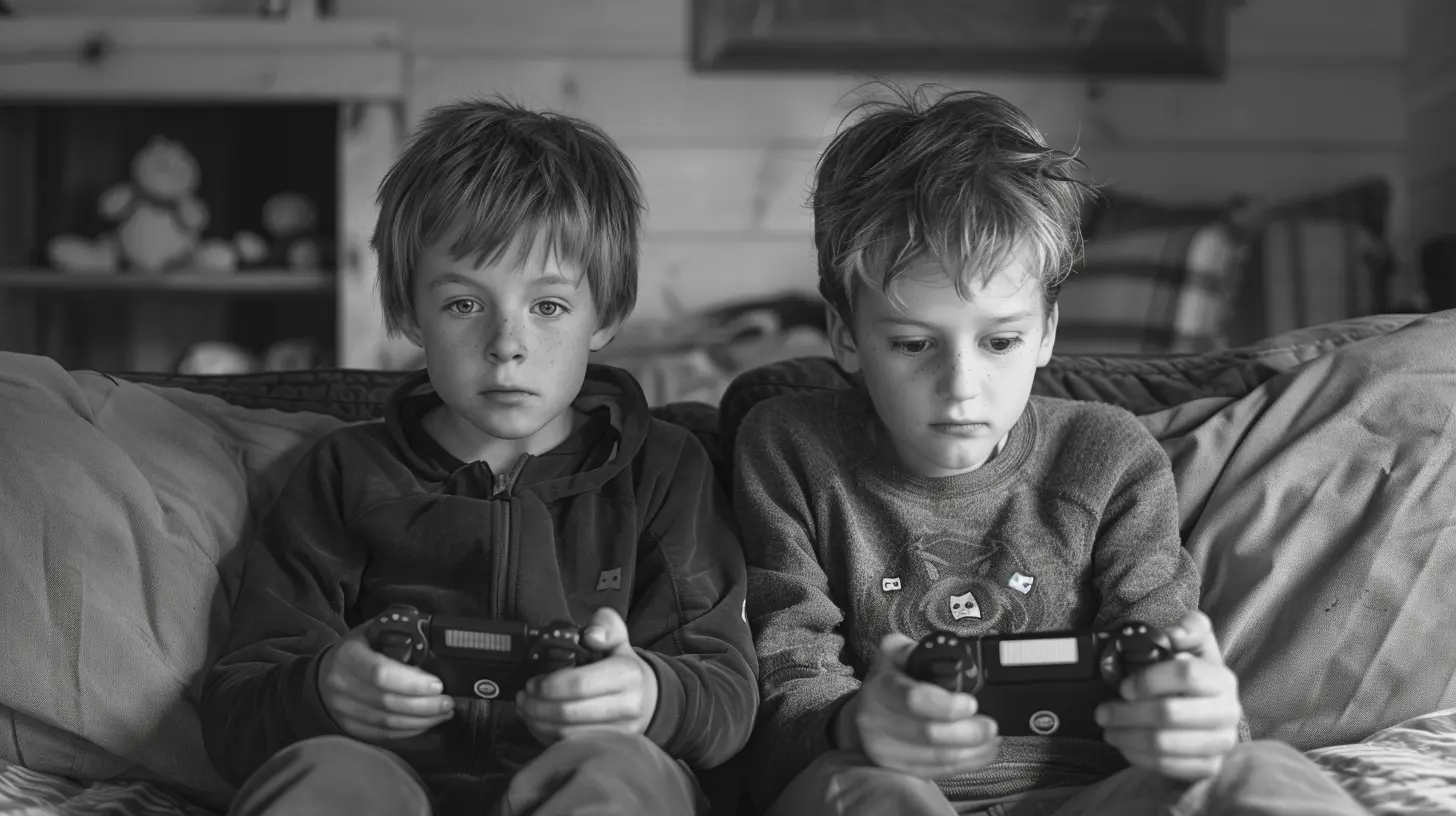
🛡️ The Hidden Dangers of Multiplayer Gaming
Online gaming isn’t inherently bad—but it’s not all rainbows and power-ups either. Once your child logs on, they aren’t just playing with school friends. They might be interacting with strangers from across the globe.Let’s break down a few common risks:
1. Inappropriate Content
Not all games are created equal. Some expose kids to violence, harsh language, or mature themes that probably aren’t age-appropriate. Even games rated “E for Everyone” can have user-generated content that pushes the limits.2. Online Predators
Yes, it’s uncomfortable—but it’s real. Predators sometimes pose as kids in multiplayer games to build trust, then groom children with harmful intentions.3. Cyberbullying and Harassment
Trash talk can quickly escalate. Some kids get targeted or bullied in voice or chat features, making their gaming experience more stressful than fun.4. Scams and In-Game Purchases
“Click here for free Robux!” Sound familiar? Many games promote or allow in-game purchases, and scams are everywhere. Kids might accidentally give away personal information or rack up huge bills before you even notice.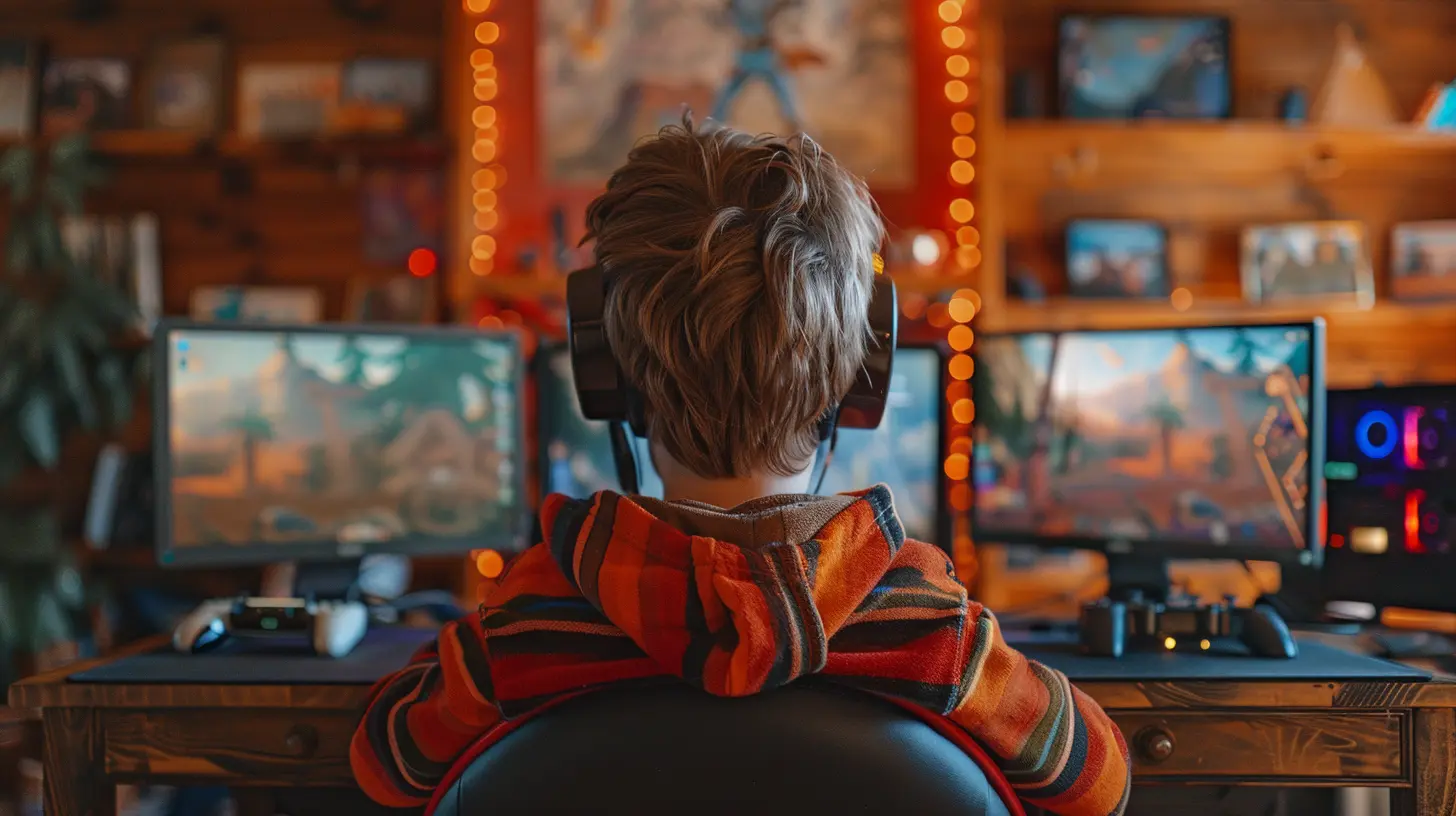
📲 Setting Parental Controls—and Actually Using Them
Let’s talk tools. Most gaming platforms come with built-in parental controls—but you’d be surprised how many parents don't actually turn them on.Popular Platforms & Control Options:
- Xbox & PlayStation: Allow you to restrict friend requests, messages, voice chat, and content ratings.- Nintendo Switch: Comes with a mobile app that lets you monitor play time and game usage.
- Steam: Offers “Family View” to shield kids from inappropriate games or chat.
- Mobile Devices: Both iOS and Android allow you to limit game downloads, in-app purchases, and screen time.
It does take a little bit of setup, but it’s totally worth it. Think of it like putting training wheels on a bike—your child can still ride, you’re just steering a bit.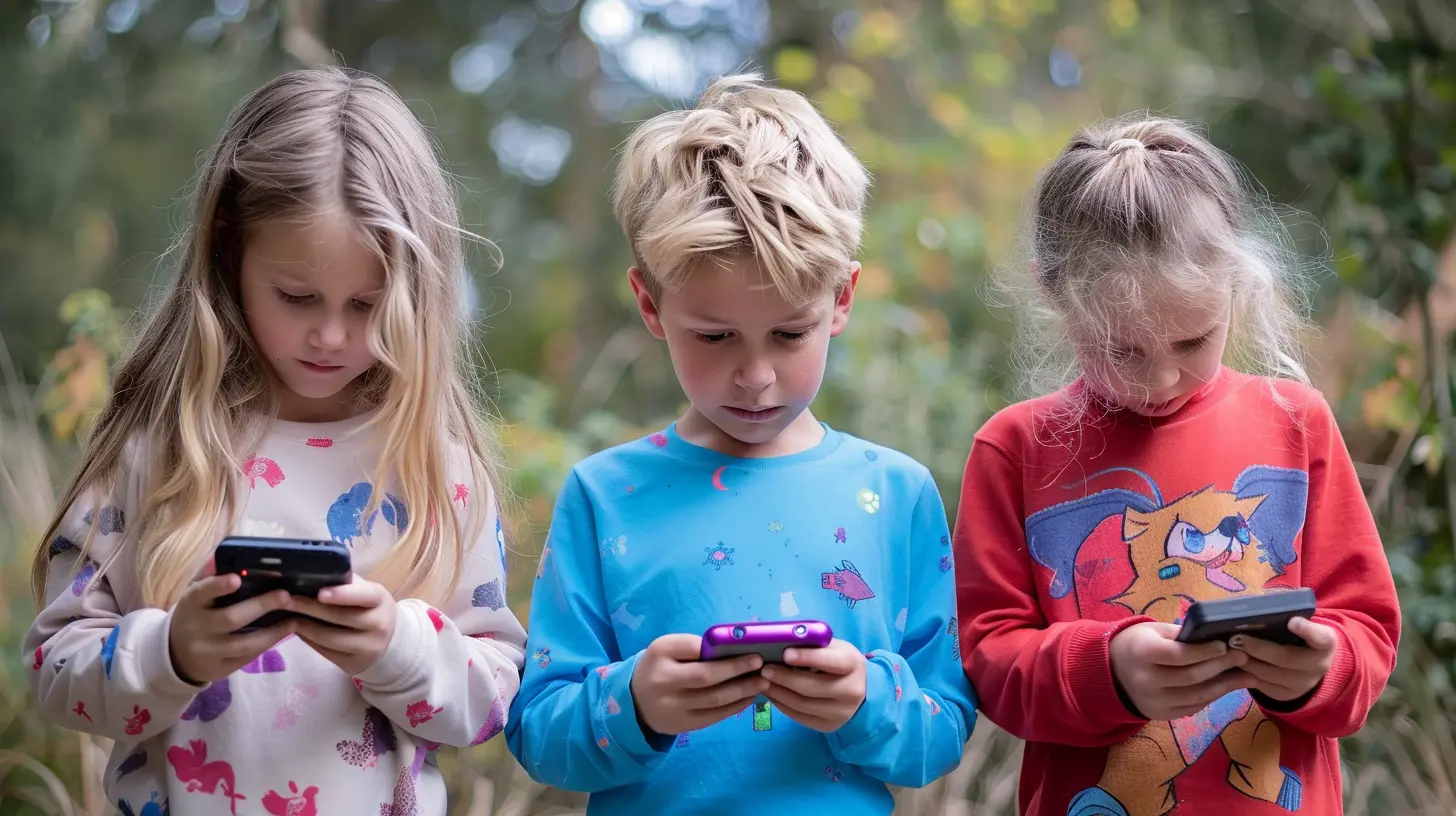
💬 Talk Before They Log On
Communication is your secret weapon when it comes to online safety.Before your child jumps into any multiplayer game, sit down and have a low-pressure conversation. Ask them:
- “Who do you usually play with?”
- “Have you ever seen or heard something that made you uncomfortable in a game?”
- “What would you do if someone asked you for personal information?”
Let them know it’s okay to come to you with stuff—good or bad. If they sense you'll overreact, they might keep quiet when something happens.
So keep the line open. Be curious, not judgmental.
👀 Keep Watch Without Hovering
“No offense Mom, but that’s kind of nosey.”If that’s your kid’s response to you asking about their games, you’re not alone.
Kids value their independence, especially as they get older. So how can you keep an eye on what they’re doing without coming off like a spy?
Try this:
1. Watch Them Play
Even just sitting in for 10 minutes can give you a feel for what they’re experiencing. Ask them to show you how the game works—they love being the expert.2. Check Friend Lists Regularly
Make it a routine, not a punishment. Go through their gaming friends with them and ask who these people are. No real name? No real friend.3. Monitor Chat Logs (If Available)
Some games save chat history. Skimming through these occasionally can highlight any red flags. Just be upfront—don’t sneak around.🧠 Teaching Kids to Think Critically Online
One of the best gifts you can give your kids? The ability to make smart decisions without you always being there.Help them build their “online street smarts.”
Teach them:
- Never share real names, addresses, or school info.
- How to recognize scam links or sketchy messages.
- To log out or block users who make them uncomfortable.
You’re not just raising a gamer—you’re raising a digital citizen.
🛑 The Power of Blocking & Reporting
Let’s say someone starts using foul language or acting super creepy. Does your child know what to do?Every multiplayer platform gives players the ability to:
- Block users
- Report abuse or inappropriate behavior
Show your child exactly where these buttons are and how to use them. It’s like teaching them to call 911 when something goes wrong in real life.
Empowerment is everything.
🕒 Set Time Limits—Without the Meltdown
Ah, the age-old battle of “just five more minutes!”Gaming isn’t evil, but too much of anything can be a problem. Setting healthy limits keeps things balanced.
Here’s how to make the time cap sting a little less:
1. Use a Timer
Set a visual timer (like an oven timer or an app). That way, the clock is the bad guy—not you.2. Make Transitions Easier
Give a 10-minute warning before time’s up. That helps them mentally switch gears.3. Link Playtime to Responsibilities
“Homework first, then games.” Simple, effective.Boundaries teach balance—and that’s something your child will carry into adulthood.
🧩 Choosing Age-Appropriate Games
Not all multiplayer games are designed with kids in mind. Some have mature themes, complex strategies, or a community that’s not exactly family-friendly.Always check:
- The game’s ESRB rating (E, T, M, etc.)
- Parent reviews on Common Sense Media
- User feedback online
Stick to games that are age-appropriate and have a track record of active moderation. If your gut says no, trust it.
🌐 Create a Safe Gaming Environment at Home
Think of your home as the first line of defense.Here are a few ways to foster a safer gaming setup:
- Keep gaming in shared spaces, like the living room or a den.
- Use headphones with a splitter so you can listen in if needed.
- Require permission for downloading new games—even free ones.
And don’t underestimate the power of a basic rule chart posted near their console or computer. It acts like a mini terms-of-service agreement customized by you.
🤝 Play Together—Yes, Really
Want to really understand what’s going on in your kid’s favorite game? Join them.Even if you haven’t picked up a controller since the 90s, learning a game together can be surprisingly fun (and eye-opening). It's a chance to bond, learn their world, and show that you're not just the rule enforcer—you’re on their team.
🧭 Final Thoughts: Setting Boundaries That Grow With Them
At the end of the day, online gaming is a space where kids not only play but learn, explore, and connect. As parents, our job isn’t to shut these doors—it’s to walk through them alongside our children, offering guidance, structure, and understanding.The digital world is here to stay, and multiplayer gaming is only growing. But with the right tools and open conversations, your child can have a gaming experience that is safe, social, and yes—even pretty awesome.
all images in this post were generated using AI tools
Category:
Online SafetyAuthor:

Austin Wilcox
Discussion
rate this article
2 comments
Uriah McKellar
This article provides invaluable insights for parents navigating the complexities of online gaming. It highlights essential safety tips, promotes open communication, and emphasizes the importance of setting boundaries. Empowering kids with knowledge helps them enjoy gaming while staying safe. A must-read for all concerned parents!
April 17, 2026 at 3:38 AM
Austin Wilcox
Thank you for your thoughtful comment! I'm glad you found the insights helpful. Keeping kids safe while they enjoy gaming is essential, and I hope the article sparks important conversations for parents.
Isla Thornton
Encourage open communication about gaming experiences to foster trust and ensure your child's safety.
April 7, 2026 at 3:51 AM
Austin Wilcox
Absolutely, open communication is key. It helps kids feel comfortable sharing their experiences and concerns.