Digital Consent: Teaching Kids How to Respect Privacy Online
25 March 2026
The internet is a vast and exciting place, offering endless opportunities for learning, creativity, and connection. But with great power comes great responsibility, right? One of the most important lessons we can teach our kids is how to respect privacy online—both their own and others'. This is where digital consent comes in.
Just like we teach kids to ask permission before borrowing a toy, they also need to understand that sharing information or pictures online requires the same level of respect. Let’s dive into why digital consent matters and how we can raise responsible digital citizens.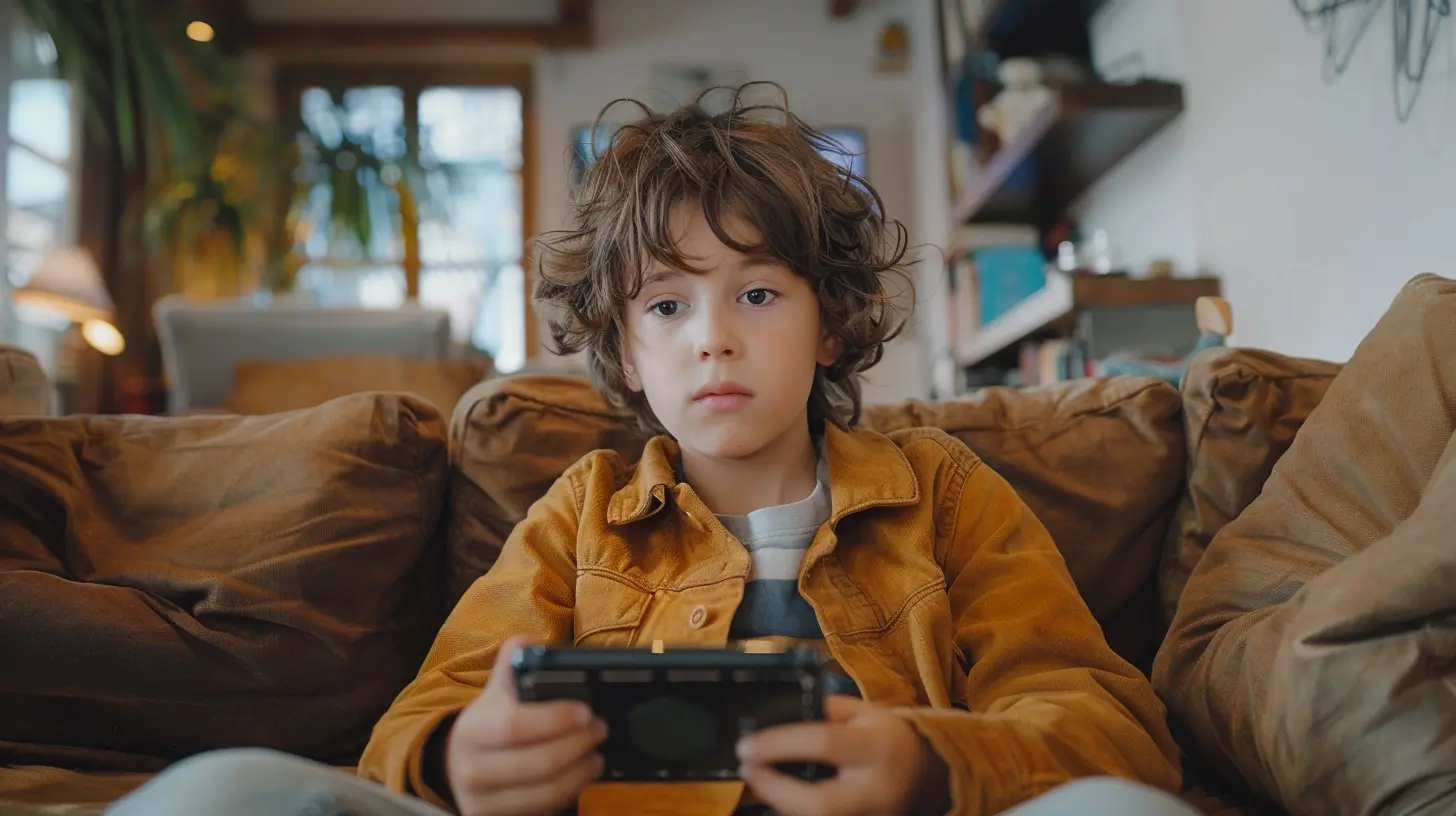
What Is Digital Consent?
Simply put, digital consent is the permission we give (or don’t give) to share information, photos, or personal details online. It applies to both sharing our own information and respecting others' privacy.Think about it—would you want someone posting an embarrassing childhood photo of you without asking? Probably not. That’s why teaching kids to pause and ask, "Is this okay to share?" is a crucial habit in today’s digital world.
Why Teaching Digital Consent Matters
We live in an age where almost everything is documented and shared online. From social media posts to school projects, kids are growing up in a world where personal privacy is constantly at risk. Here’s why teaching kids about digital consent is more important than ever:- Prevents Unwanted Exposure: Kids might not realize that once something is online, it can be nearly impossible to erase.
- Builds Empathy: Understanding digital consent helps children put themselves in others’ shoes before sharing something that could embarrass or hurt someone.
- Encourages Safe Online Habits: It’s easy for kids to overshare. Teaching them to think twice before posting can help protect their identity.
- Develops Respect for Others' Boundaries: Just like in the real world, consent should be respected in the digital world too. 
Teaching Kids Digital Consent: Where to Start
Alright, so we know digital consent is important. But how do we teach our kids to practice it? Here are some simple and practical steps you can take:1. Lead by Example
Kids learn best by watching what we do. If you always ask before posting a family photo or double-check before sharing someone’s personal story, they’ll be more likely to do the same.Try saying things like:
- “Hey, this picture of you is great! Do you mind if I post it on Instagram?”
- “Before I share this funny story about you, is it okay with you?”
When they see you practicing digital consent, they’ll understand that it’s an important rule to follow.
2. Teach the "Pause and Think" Rule
In today’s fast-paced world, it’s easy to post something without thinking. Encourage kids to pause and think before they hit "post" or "send."Ask them:
- Would I be okay if someone posted this about me?
- Could this hurt or embarrass someone?
- Would I be comfortable if this was shared with the whole world?
A simple pause can prevent many digital mishaps.
3. Explain the Importance of Asking Permission
Just like they wouldn’t take a friend’s toy without asking, they shouldn’t share personal information, pictures, or videos without checking first.Practice using phrases like:
- “Hey, is it okay if I tag you in this picture?”
- “Do you mind if I share this funny video of us?”
By making this a habit, kids will grow up understanding that privacy matters to everyone.
4. Teach Them About Online Permanence
Kids often think that if they delete something, it’s gone forever. Unfortunately, that’s not always true. Once something is online, it can be saved, screenshotted, or shared—even if you remove it.Explain it like this:
"Imagine you write something on a piece of paper and make 10 photocopies. Even if you throw away the original, those copies are still out there!"
Teaching kids that the internet never truly forgets can help them be more mindful about what they share.
5. Set Family Rules for Sharing Online
Establish some basic family guidelines around digital consent. Here are a few ideas:- No posting photos of family members without asking.
- No sharing private details like addresses or phone numbers.
- No tagging friends without checking with them first.
Having clear rules makes it easier for kids to make the right choices online.
6. Discuss the Impact of Oversharing
Kids love to express themselves online, but oversharing can lead to privacy risks and even cyberbullying. Talk to them about:- The risks of posting personal locations (like their school or favorite hangout spots).
- Why not all friends online are real friends.
- How sharing too much personal info can make them vulnerable to scams or strangers.
Make it clear that not everything needs to be shared online—some things are best kept private.
How to Handle Mistakes
Let’s be real—mistakes will happen. Maybe your child accidentally shares something they shouldn’t have or forgets to ask for permission before posting. Instead of jumping to punishment, use these moments as teaching opportunities.- Stay Calm – Yelling won’t help. Approach the situation by asking, "What happened?" and "What can we do to fix this?"
- Discuss the Consequences – If someone got hurt or embarrassed, talk about how they can make it right.
- Help Them Set Things Right – If a mistake was made, show them how to take responsibility, apologize, and correct it.
The goal is to teach, not shame. Every mistake is a chance to learn and grow.
The Role of Social Media and Schools
While we do our part as parents, schools and social media platforms also play a huge role in teaching digital consent. Many schools now include digital citizenship in their curriculum, and some platforms offer privacy settings that help protect personal information.Encourage your kids to use privacy settings wisely, limit their audience, and report anything that makes them uncomfortable. Partnering with schools and online platforms can reinforce the lessons you teach at home.
Final Thoughts
Teaching kids about digital consent isn’t just about safety—it’s about respect, empathy, and responsibility. By integrating these lessons into everyday conversations and leading by example, we can help our kids navigate the digital world with confidence and kindness.After all, the internet should be a space where kids feel safe, respected, and in control of their personal information. The sooner they learn the value of privacy and consent, the better equipped they’ll be for a lifetime of digital interactions.
So, next time your child reaches for their phone to post something, remind them: "Pause. Think. Ask."—because digital respect starts with them.
all images in this post were generated using AI tools
Category:
Online SafetyAuthor:

Austin Wilcox
Discussion
rate this article
2 comments
Anika Cruz
Empowering our children to understand digital consent is vital for their online safety. Let's guide them to respect privacy, fostering a responsible and respectful digital generation!
March 28, 2026 at 4:26 AM
Austin Wilcox
Absolutely agree! Teaching kids about digital consent and privacy is essential for their safety online. Let's keep the conversation going and ensure they understand the importance of respect in the digital world.
Sabrina Wells
Empower kids to navigate digital boundaries wisely.
March 26, 2026 at 12:17 AM
Austin Wilcox
Absolutely! Teaching kids to understand and respect digital boundaries is crucial for fostering responsible online behavior.