Teaching Kids About Mindfulness for Emotional Growth
23 March 2026
Let’s be real—parenting is no walk in the park. We're juggling work deadlines, sports practices, last-minute science projects, and still trying to raise emotionally intelligent and resilient kids who don’t melt down at the sight of a broken crayon. Sound familiar?
That’s where mindfulness steps in like a superhero in yoga pants.
Mindfulness isn’t just adult-only territory. Kids can benefit massively from learning to slow down, check in with their feelings, and respond thoughtfully to life’s curveballs. In this article, we're diving headfirst into how teaching kids about mindfulness can turn tantrums into teachable moments and help their emotional gardens truly flourish.
So grab a cup of coffee (or reheat yesterday’s), and let’s dig into how mindfulness can become a game-changer for your kiddo’s emotional growth.
What Exactly Is Mindfulness?
Alright, first things first—what is mindfulness anyway?Simply put, mindfulness is about paying full attention to the present moment without judging it. It means noticing thoughts, feelings, bodily sensations, and the surrounding environment without labeling anything as “good” or “bad.”
For kids, this might look like taking a deep breath when they’re angry instead of launching their toy truck across the room. It’s about pausing to recognize, “Hmm, I feel mad right now,” rather than reacting on impulse.
Think of it as the emotional version of pressing “pause” on a movie–it gives them a second to notice what's going on before the next scene unfolds.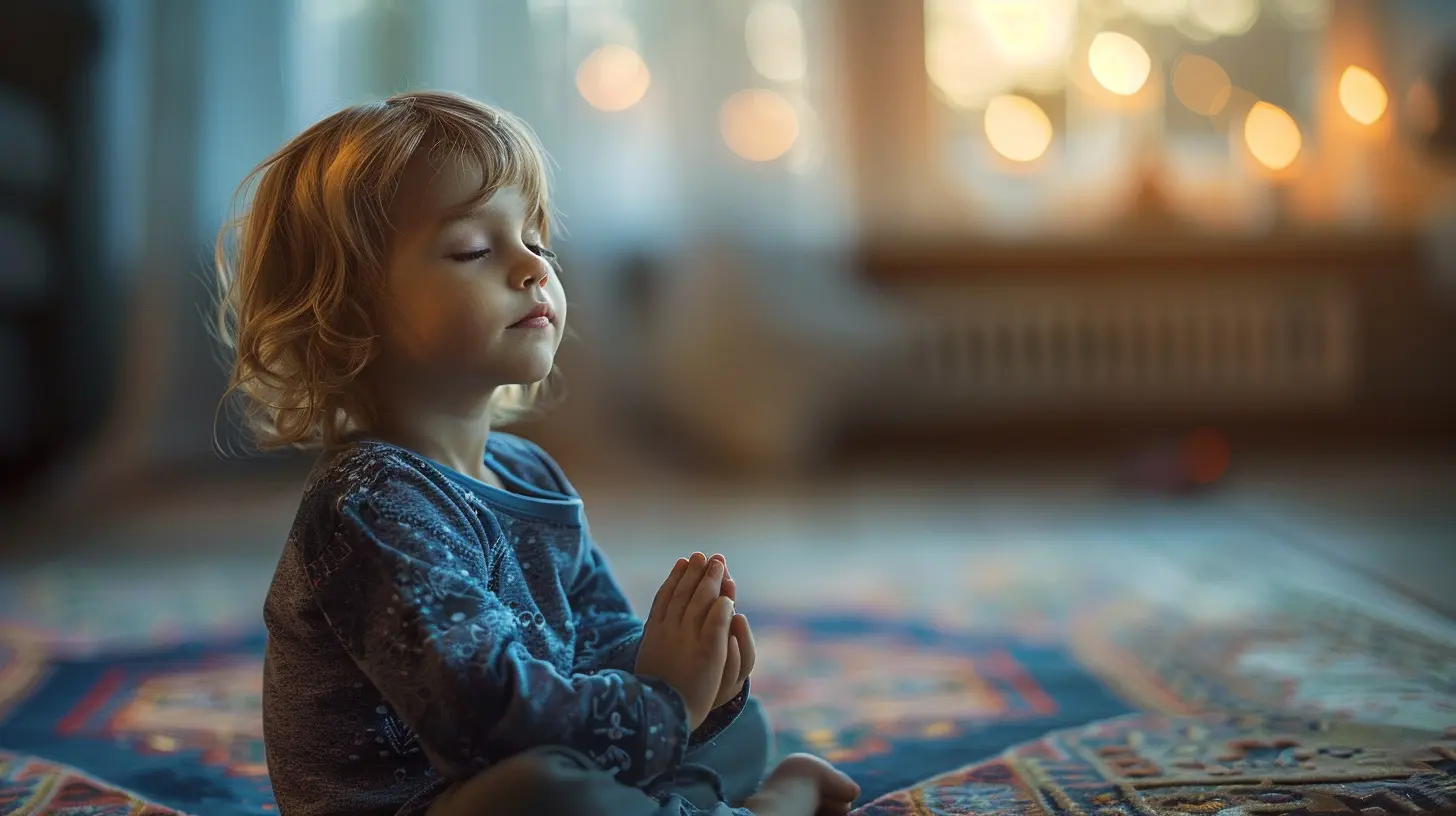
Why Mindfulness Matters for Emotional Growth
Kids deal with big emotions every single day. They're constantly learning how to navigate anger, disappointment, joy, jealousy, and everything in between. And let's be real—sometimes they're struggling just as much as we are (if not more).This is where mindfulness works its magic.
Here’s what mindfulness helps with:
- ✅ Self-awareness: Kids learn to recognize and name their emotions.
- ✅ Self-regulation: They get better at calming themselves down before they explode.
- ✅ Empathy: Understanding their own emotions helps them understand others.
- ✅ Focus: Mindfulness boosts concentration and reduces distractions.
- ✅ Resilience: They learn to cope when life doesn't go their way.
Now, who wouldn't want all of that packed into their parenting toolkit?
When Should You Start Teaching Mindfulness?
You might wonder, “Isn’t mindfulness kind of advanced for a 5-year-old?” Actually, nope! Kids as young as preschool age can grasp mindfulness concepts—it’s all about how you present them.Think of it this way: You wouldn’t teach calculus to a kindergartner, but you would start with counting and numbers. Mindfulness works the same—it grows with them.
Start small. Start simple. Sprinkle it in like salt—just a pinch at a time.
Simple Ways to Introduce Mindfulness to Kids
Teaching mindfulness doesn’t require a meditation cushion or a Himalayan chanting bowl (unless you’re into that, which is cool too). What it really takes is some creativity, consistency, and a whole lot of modeling from you.Here are some practical and fun ways to get started:
1. Belly Breathing: The Magic Trick
This one’s a classic for a reason—it works.Ask your child to lie down and place a favorite stuffed animal on their belly. As they breathe in and out slowly, have them watch the toy rise and fall like a boat on gentle waves. It’s calming, easy, and almost magical.
You can even say, “Let’s make your teddy go up and down with your breath.” Kids love this!
2. The Five Senses Game
Perfect for grounding and bringing attention to the present.Ask them:
- What do you see?
- What do you hear?
- What can you touch?
- What do you smell?
- What do you taste?
This mini “scavenger hunt of the senses” can calm anxious minds and deepen presence.
3. Create a Calm Jar
A calm jar is like a snow globe of emotions.Fill a jar with water, glitter, and a bit of clear glue. Shake it up and say, “This is what it feels like inside when you're mad or upset.” Then watch the glitter slowly settle and say, “This is how your thoughts can settle too when you take deep breaths.”
It’s mesmerizing and metaphorical. Win-win.
4. Mindful Walks
Sometimes just stepping outside is the best mindfulness tool.Go for a walk and ask your child to notice the crunching of leaves, the colors of the sky, or the chirping of birds. You don’t need to say much. Just be present with them.
It’s less about walking and more about noticing—like seeing the world for the first time through their eyes.
5. Name That Emotion
Emotional vocabulary is a cornerstone of mindfulness. Instead of saying “I feel bad,” encourage your child to identify specific emotions: embarrassed, frustrated, excited, anxious.Try saying, “Can you tell me what your feeling looks like or where it’s sitting in your body?” You’d be amazed at the insights they come up with.
6. Gratitude Practice
Gratitude grounds us. It shifts focus from what’s going wrong to what’s going right.Each night, ask your child to name one thing they’re thankful for. It doesn’t have to be profound—it can be their favorite snack or a hug from the dog. The point is to start noticing the little joys.
How To Make Mindfulness a Habit at Home
You know how brushing teeth became automatic after a while? Mindfulness can be the same.Here’s how to make it a part of your family’s routine:
- 🕓 Set a time: Consider a “mindful minute” before bed or during breakfast.
- 📝 Keep a feelings journal: Let kids draw or write about their emotions each day.
- 🎵 Use guided meditations: Apps like Headspace for Kids or Smiling Mind are great helpers.
- 🧘 Join them: When you model mindfulness, your child is more likely to follow. Be their role model, not just their teacher.
The more you practice as a family, the more natural it becomes—like brushing teeth, only for the heart and mind.
What to Do When Kids Resist Mindfulness
Let’s face it. Not every kid is going to get excited about sitting still and breathing deeply. And that’s okay.If your child rolls their eyes or says, “This is boring,” don’t push too hard. Keep it playful.
Try reframing it: “Want to do a magic trick that helps your feelings calm down?” Or, “Let’s play a game where we see who can stay quiet the longest while breathing slowly.”
The key is to keep it light and fun. No pressure. Just little invitations to pause and notice.
Remember, resistance is often a sign that they need it the most.
Real-Life Benefits You’ll Start to Notice
With time and practice, so many benefits of mindfulness start to bloom—like little emotional wildflowers.You might notice:
- Fewer meltdowns during transitions
- Better sleep routines
- Improved focus at school
- More empathy toward siblings and friends
- Increased emotional vocabulary and problem-solving
And yes, even a calmer household (though we’re not promising you’ll never step on another Lego).
Mindfulness won’t make all emotional storms disappear—but it will give your child the tools to ride out those storms with more confidence and clarity.
Bonus: A 5-Minute Mindfulness Routine for Kids
Want something super practical to start with? Try this simple daily routine.1. One Deep Breath Together
Inhale slowly… exhale even slower. That’s it.
2. Name One Feeling
“What are you feeling right now?”
3. List One Thing They’re Grateful For
“What made you smile today?”
4. Quiet Moment (30 seconds)
Just sit quietly and listen. Try not to rush it.
5. One Loving Thought
“Think of someone you love. Send them a kind thought.”
Do this for a week and just observe the shift—it can be subtle or significant, but it’s always meaningful.
Final Thoughts
Teaching kids about mindfulness isn’t about turning them into little monks. It’s about helping them tune into their feelings, stay grounded in the chaos, and treat themselves and others with compassion.It's one of the most powerful gifts you can give your child—not just for emotional growth, but for life.
So next time they’re on the edge of a meltdown or overwhelmed by the world around them, whisper to them, “Let’s take a breath.” That small moment could be the start of something transformative.
And hey, it might just help you too.
all images in this post were generated using AI tools
Category:
Emotional DevelopmentAuthor:
Austin Wilcox
Discussion
rate this article
2 comments
Zailyn McClendon
This article highlights the importance of mindfulness in fostering emotional growth in children. However, it could delve deeper into practical techniques for parents to implement mindfulness at home. Simple, consistent practices could empower children not only to manage their emotions but also to cultivate resilience in an increasingly fast-paced world.
March 26, 2026 at 12:17 AM
Austin Wilcox
Thank you for your feedback! I appreciate your suggestion and will consider including practical techniques for parents in future updates. Mindfulness can truly make a difference in children's emotional resilience.
Felix Lewis
Oh sure, because nothing says "emotional growth" like trying to explain mindfulness to a 5-year-old who can’t sit still for more than three seconds. Maybe we should just hand them a cookie and tell them to "breathe deeply" while they bounce off the walls! Genius parenting, right?
March 25, 2026 at 5:24 AM
Austin Wilcox
I appreciate your humor! Mindfulness can be tailored to kids’ energy levels—short, playful activities can promote focus while still being engaging.