Encouraging Emotional Intelligence to Curb Sibling Jealousy
22 July 2026
Sibling rivalry—doesn’t it just sound like a battle waiting to happen? Like two warriors battling for the throne of attention, their tiny swords clashing over toys, snacks, or who gets the bigger piece of Mom's time. If you’re a parent, you’ve likely witnessed this firsthand. It’s not always pretty, but guess what? It’s completely normal. And, believe it or not, there’s a way to keep the peace while raising emotionally intelligent kids who know how to manage jealousy like pros.
So, how can we transform the "I want what he has!" cries into "I’m happy for my sibling"? The answer lies in fostering emotional intelligence (EI). Emotional intelligence might sound like a big, fancy phrase, but at its core, it’s all about helping kids recognize, understand, and manage their emotions—and it’s a game-changer when it comes to sibling jealousy. Let’s break it down together.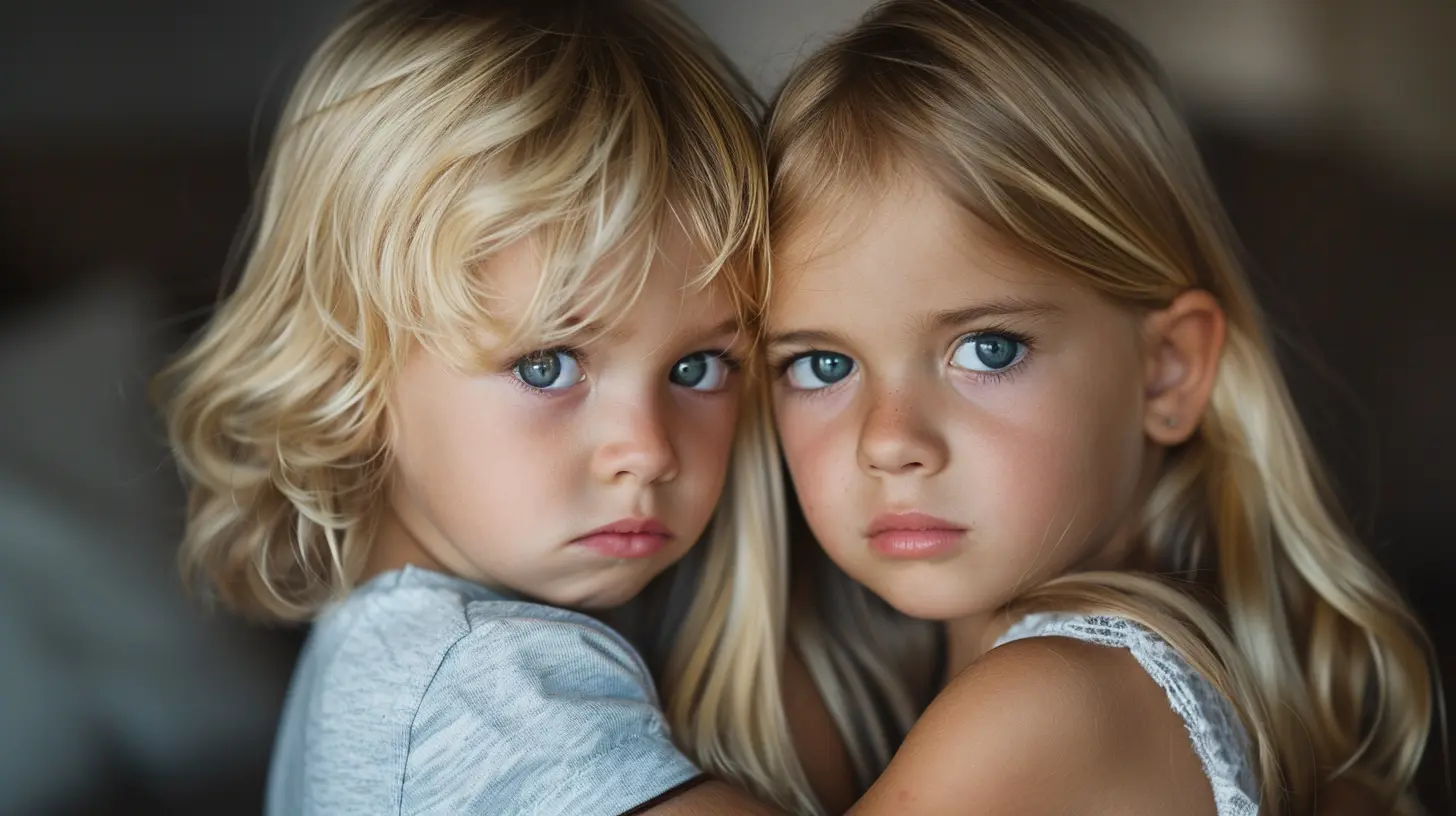
What Is Emotional Intelligence, Anyway?
Think of emotional intelligence as an inner compass that guides kids through the stormy seas of their feelings. It’s the difference between lashing out in anger or calmly expressing frustration. And when it comes to siblings, emotional intelligence is what helps them process their jealousy rather than turning it into a full-blown meltdown or WWE smackdown.EI isn’t something kids are born with; it’s something they learn over time—like tying their shoes or riding a bike. And as parents, we’re the ones holding the handlebars. It’s our job to model and teach these skills while keeping patience in our back pocket (and maybe a stash of chocolate for ourselves).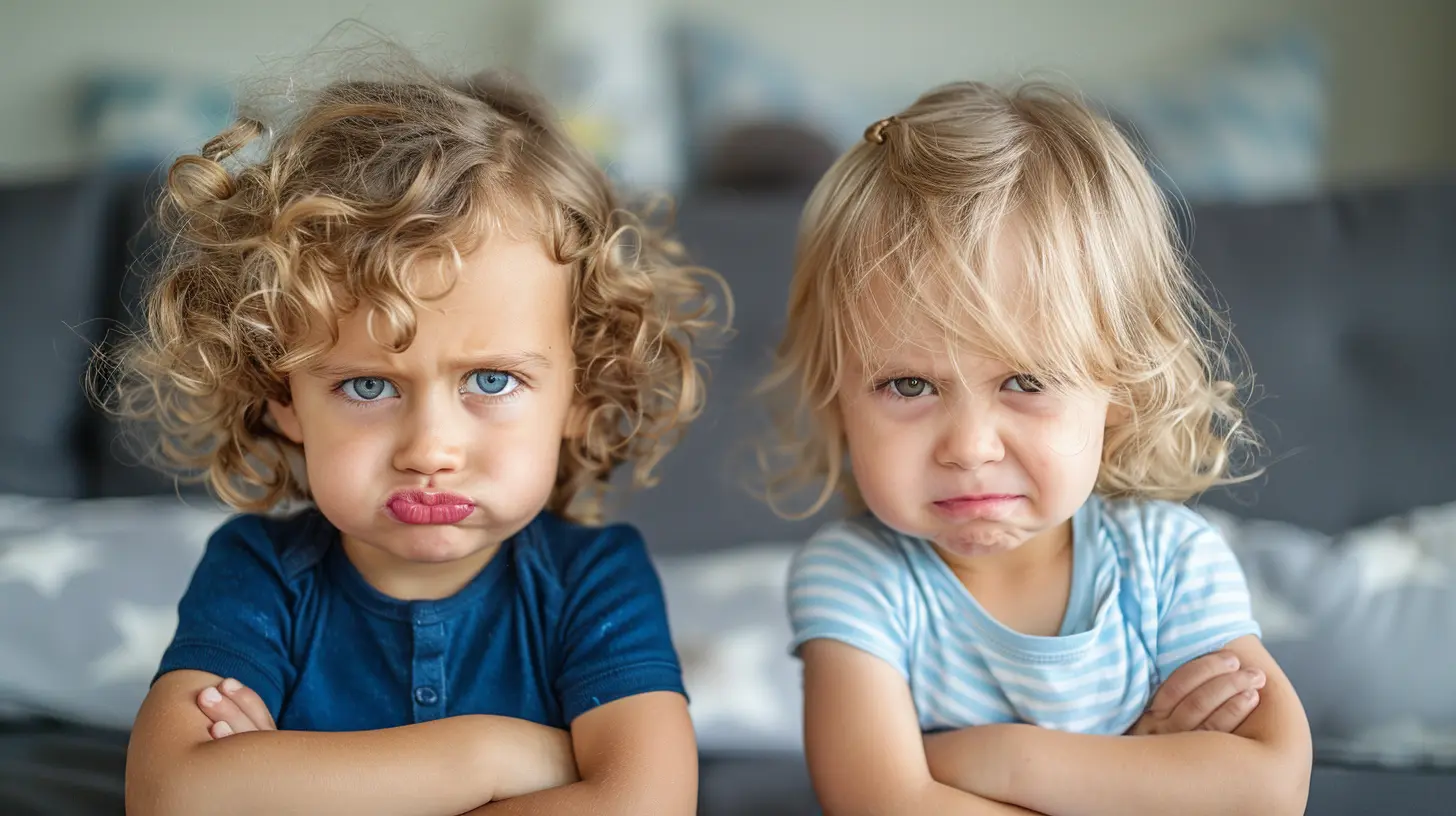
Sibling Jealousy: Why Does It Happen?
Before we dive into the tools for curbing it, let’s unpack what sibling jealousy is all about. Imagine this for a second: Your eldest has been your one and only for a few years. They’ve soaked up all your love and attention like a sponge. Then—bam!—a sibling arrives. Suddenly, they’re sharing you, sharing toys, sharing EVERYTHING. It’s like their little kingdom just got invaded. And you know what? That hurts.Sibling jealousy is often rooted in fear. Fear of being replaced. Fear of losing you. Fear that maybe, just maybe, their sibling is more lovable or gets the better end of the stick. Kids are wired to crave love and attention, and when it feels like there’s not enough to go around, jealousy rears its green-eyed head.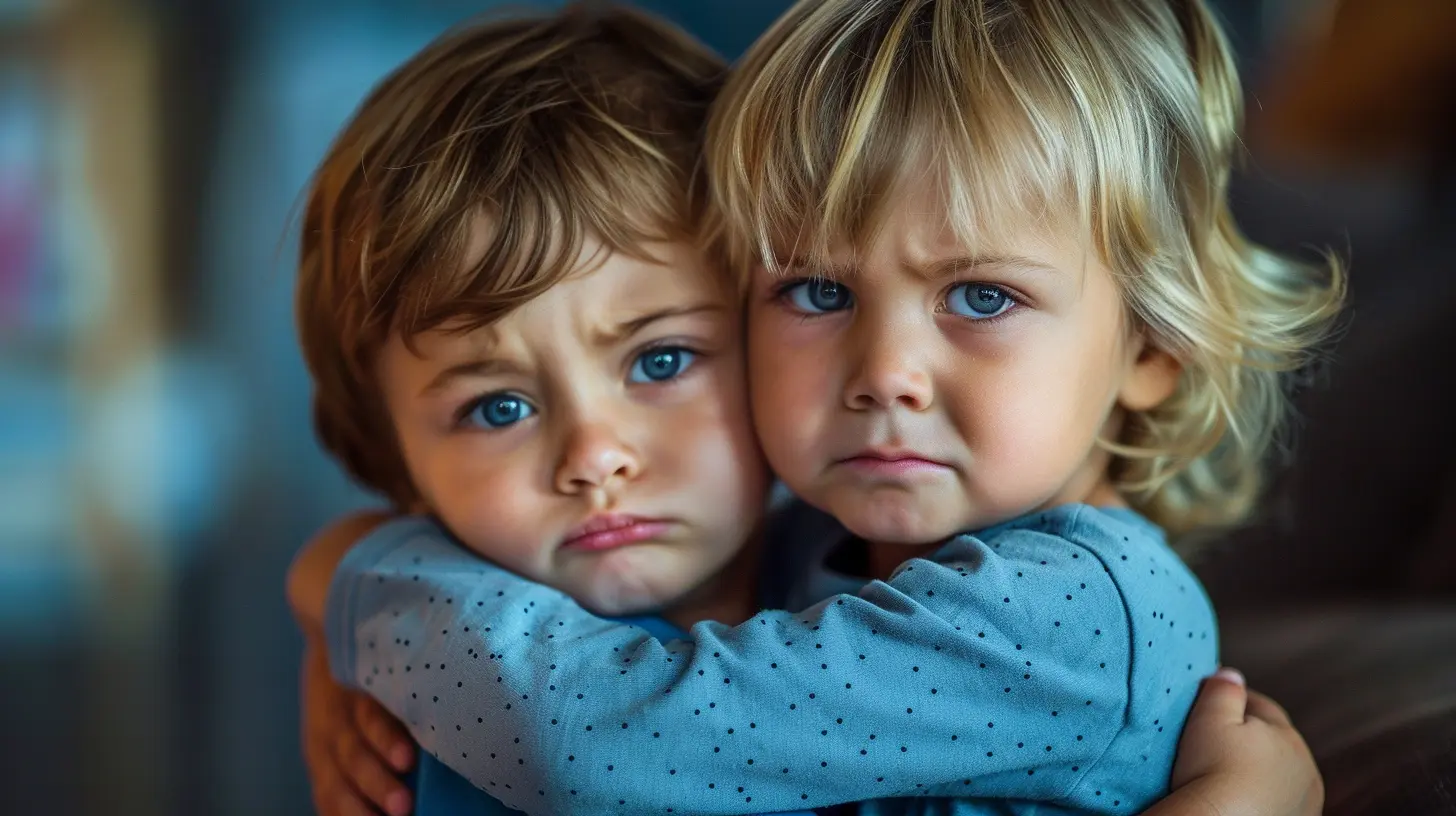
Building Emotional Intelligence: Your Secret Weapon
So, how do we quiet the storm of sibling jealousy? Emotional intelligence to the rescue! Think of it like planting seeds in a garden—the more we nurture these skills, the more they’ll bloom.1. Naming Their Feelings
The first step is helping kids recognize their emotions. After all, how can they handle jealousy if they don’t know what they’re feeling? You can say things like, “It looks like you’re feeling upset because your sister got the toy first. It’s okay to feel that way.” By naming the emotion, we’re helping them connect dots in their little brains. Pro Tip: Make it fun! Use an “emotion chart” with cute faces or draw one together. Turn it into a game: “Show me what ‘angry’ looks like!”
2. Teaching Empathy
Empathy is the glue that binds siblings together. Want to foster sibling bonds instead of sibling battles? Teach your kids to step into each other's shoes. When one child is upset, encourage the other to imagine how their sibling feels. Ask questions like, “How would you feel if your brother took your toy?” Empathy teaches kids that their sibling isn’t the “enemy” but someone with feelings, just like them. Over time, you’ll see fewer tears and more teamwork.
3. Modeling Healthy Emotional Expression
Kids are little sponges, soaking up everything we do. If we yell or bottle up our feelings, guess what? They’ll do the same. Be mindful of how you manage your own emotions. Show them that it’s okay to feel angry or sad—but it’s NOT okay to hit, scream, or act out. Use moments of frustration as teaching opportunities. For example, if you’re irritated because someone cut you off in traffic, try saying, “Wow, that made me feel upset! I’m going to take a deep breath to calm down.”
4. Setting Boundaries with Fairness in Mind
Let’s face it: Kids are notorious fairness police. “That’s not fair!” might as well be their battle cry. But fairness doesn’t always mean treating them exactly the same. Fairness means meeting each child’s unique needs. For example, if one child gets extra cuddles because they’re feeling sick, explain to the other, “Your sister needs a bit more mommy time today because she’s not feeling well. When you’re sick, I’ll do the same for you.”
5. Celebrating Individuality
Think of your kids like two puzzle pieces—each one unique and special in their own way. Help them see their differences as strengths rather than competition. Highlight what makes each child special. For example, “You’re so great at building towers, and your brother is amazing at drawing pictures!” When kids feel secure in their individuality, they’re less likely to feel threatened by their siblings. Instead of competing, they’ll learn to cheer each other on.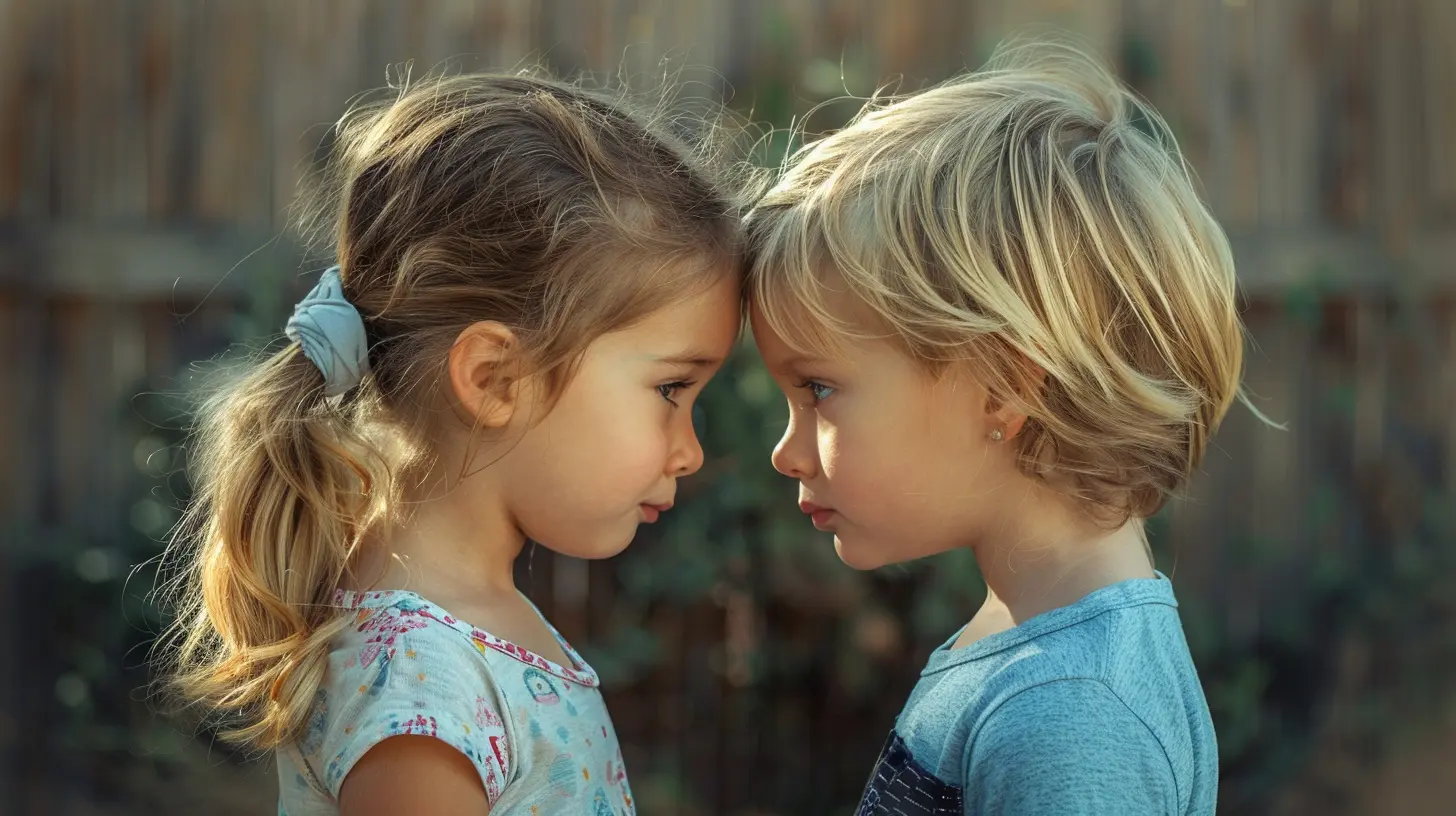
Turning Meltdowns Into Learning Moments
We all know this: Sibling jealousy can still rear its head, no matter how much emotional intelligence you sprinkle into your parenting. (They’re kids, not robots!) But when those jealous moments happen, view them as teaching opportunities.The Five-Step "Jealousy Reset"
1. Pause: Stop what you’re doing and take a deep breath.2. Acknowledge: Say, “I see that you’re feeling upset.”
3. Label: Help them name their feelings, e.g., “You’re feeling jealous because your sister got to go first.”
4. Guide: Show them a healthier way to respond, e.g., “Next time, let’s use our words to ask for a turn.”
5. Praise: Celebrate their efforts, even if it’s small progress: “I’m proud you tried to speak up instead of fighting.”
These steps won’t work magic overnight (parenting rarely does). But over time, they’ll help your kiddos navigate jealousy without turning your house into a wrestling ring.
Strengthening the Parent-Child Bond
Here’s a little secret: One of the best ways to curb sibling jealousy is by making BOTH kids feel like they’re rockstars in your eyes. Dedicate one-on-one time with each child, even if it’s just 15 minutes a day. Whether it’s reading a book, baking cookies, or kicking a soccer ball around, that time reassures them that they’re loved just as they are.When to Seek Help
While sibling jealousy is normal, sometimes it can spiral into something more serious—like bullying or constant fighting. If you’ve tried everything but can’t seem to calm the waters, don’t be afraid to seek professional help. A family therapist can provide tools tailored to your unique situation.The Long Game: Raising Emotionally Intelligent Adults
By teaching your kids to manage jealousy now, you’re setting them up for life. They’ll grow into adults who know how to handle tricky emotions, build strong relationships, and root for other people’s happiness instead of tearing them down. And isn’t that the dream?Sure, there’ll still be moments when you hear, “That’s mine!” followed by the thud of a toy hitting the floor. But with patience, empathy, and a sprinkle of humor, you’ll build a home where sibling love outshines sibling rivalry. You’ve got this—you’re the captain of this ship, guiding your little crew through uncharted waters and into a safe, loving harbor.
all images in this post were generated using AI tools
Category:
Sibling JealousyAuthor:

Austin Wilcox
Discussion
rate this article
1 comments
Zella Marks
I love this perspective! Teaching kids to express their feelings not only helps with sibling rivalry but also builds lasting connections. It's a win-win for the whole family. Great tips!
July 24, 2026 at 4:23 AM
Austin Wilcox
Thanks for your kind words! I'm glad you found the tips helpful for fostering those important connections. It's great to see parents focusing on emotional growth.