The Secret to Helping Your Child Make Friends in School
25 August 2026
Every parent knows the feeling. You pick your child up from school, and instead of a cheerful story about recess or lunch, you hear silence. Or worse, you hear that they ate alone again. Your heart sinks. You want to fix it, but you cannot make friends for them. You cannot force another child to be kind. You cannot control the social dynamics of a classroom. What you can do is something far more powerful, and it is not what most parenting articles suggest.
The secret to helping your child make friends in school is not about arranging playdates, buying the right sneakers, or coaching them on clever icebreakers. The secret is to stop treating friendship as a skill to be taught and start treating it as a feeling to be understood. Children do not make friends because they execute social scripts perfectly. They make friends because they feel safe, seen, and interesting to be around. That feeling starts at home, long before they ever walk into the classroom.
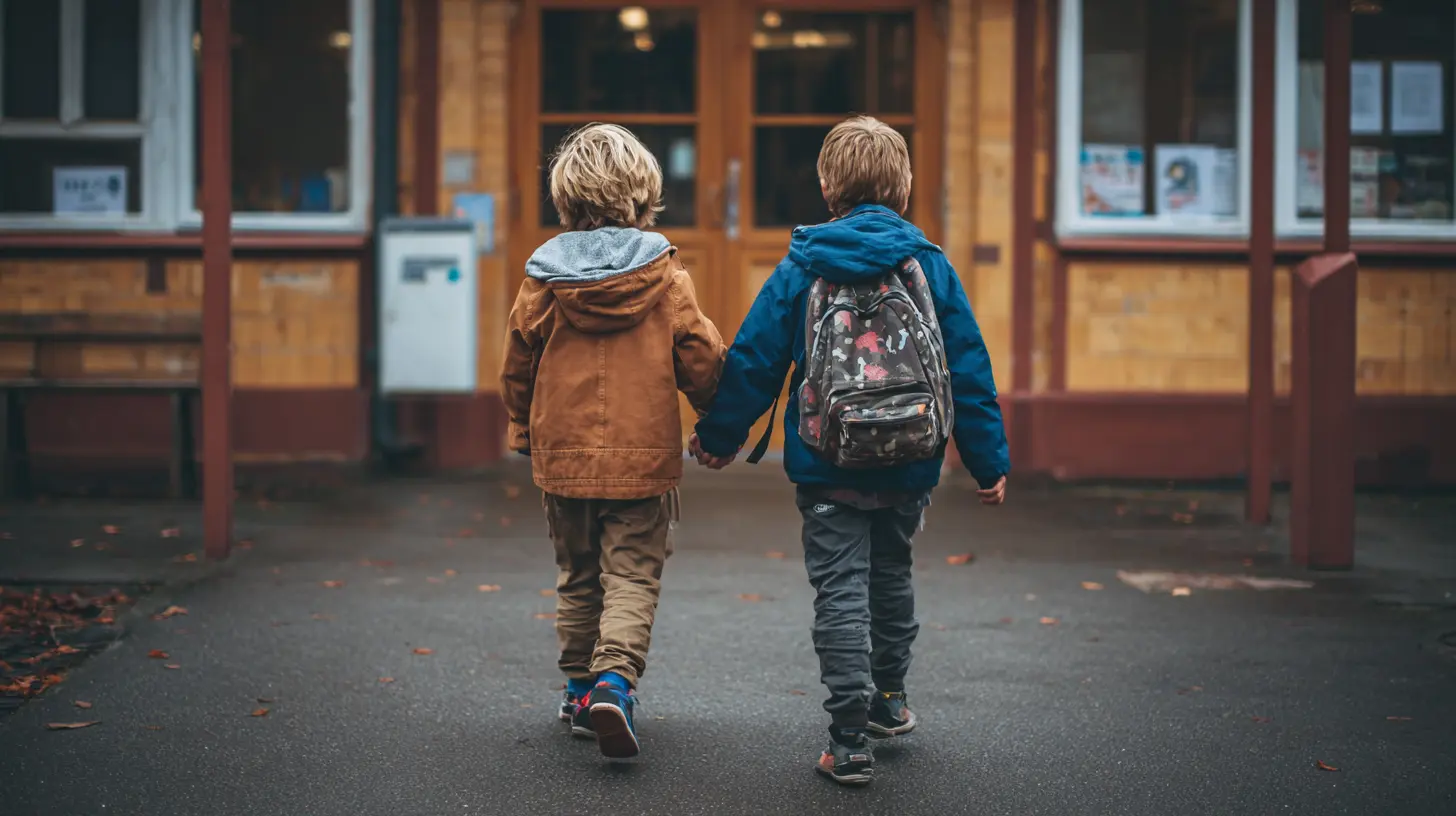
Why Most Friendship Advice Fails
The internet is full of listicles. "Ten ways to help your shy child make friends." "Five conversation starters for kids." "How to be the mom who hosts the best playdates." Most of this advice misses the mark because it focuses on behavior modification rather than emotional foundation. You can teach a child to say "Hi, my name is Sam, do you want to play?" but if Sam is anxious, tense, or desperate for approval, the words will sound hollow. Other children pick up on that. They do not know why they feel uncomfortable, but they do.Children are remarkably perceptive. They read body language, tone, and energy far more accurately than adults give them credit for. A child who has been drilled on social scripts often comes across as robotic or nervous. A child who feels internally secure, on the other hand, naturally draws others in. The difference is not in the words. It is in the emotional state behind them.
The real work of helping your child make friends is not about teaching them what to say. It is about helping them feel like someone worth knowing. That sounds simple, but it requires a shift in how you think about your role as a parent.
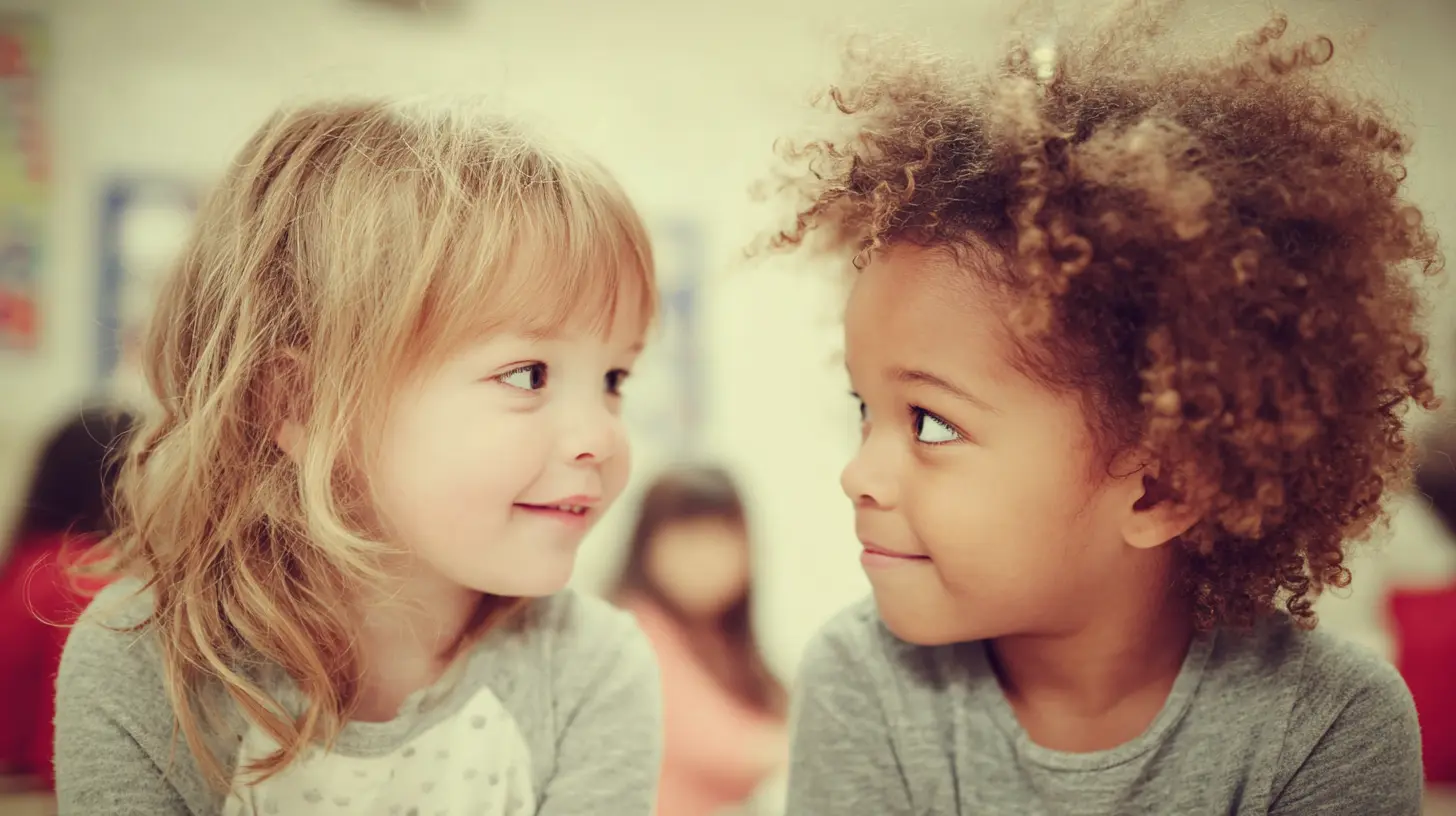
The Foundation: Emotional Safety at Home
Before a child can connect with peers, they need to feel connected at home. This is not about being their best friend or hovering over every moment. It is about creating an environment where your child feels unconditionally accepted. When a child knows that their worth is not tied to their popularity, their grades, or their performance on the soccer field, they carry that confidence into the world.Think about it from the child's perspective. If every conversation at dinner revolves around who they played with at recess, they start to believe that making friends is a test. They begin to worry. They start to perform. They become hyperaware of their social standing, which makes them tense, which makes them less approachable.
Instead, try shifting the focus. Ask about what they learned, what made them laugh, or what they found interesting. When you show genuine curiosity about their inner world, you teach them that they are interesting. That is the first step toward them believing it themselves.
The Difference Between Praise and Connection
Many parents make the mistake of overpraising. "You are so smart!" "You are the best!" While this sounds positive, it can actually create pressure. Children who are constantly praised for being great start to fear failure. They become afraid to take social risks because they do not want to lose their status.What works better is connection. That means being present, listening without judgment, and validating their feelings. When your child says they felt left out, do not immediately jump to solutions. Do not say "Don't worry, tomorrow will be better." That dismisses their pain. Instead, say "That sounds really hard. I remember feeling that way once too." This simple act of empathy teaches your child that their emotions are manageable. It helps them regulate, and a regulated child is far more capable of reaching out to others.

The Power of Modeling, Not Lecturing
Children learn social behavior by watching you, not by listening to your advice. If you want your child to be a good friend, show them what a good friend looks like. That means examining your own relationships.Do you talk about your friends with warmth and respect? Do you make time for them? Do you apologize when you are wrong? Do you handle conflict with grace? Your child is watching all of this. They are absorbing your attitudes toward friendship, even when you do not realize it.
One of the most powerful things you can do is narrate your own social decisions. For example, when you are at a party and you notice someone standing alone, say to your child later, "I saw that person by themselves, so I went over to chat. It felt nice to make them feel included." This is not a lecture. It is a window into your thinking. It gives your child a model for how to behave without feeling pressured to perform.
The Danger of Over-Managing
There is a fine line between supporting your child and managing their social life. When you over-manage, you send a message that you do not trust them to handle things on their own. You also take away their agency, which is exactly what they need to build confidence.Let us say your child is struggling to find a buddy at lunch. Your instinct might be to call the teacher, arrange a buddy system, or invite every child in the class over for a weekend barbecue. Resist that urge. Instead, talk to your child about what they might try. Ask open-ended questions. "What do you think would happen if you asked someone to sit with you?" "Is there anyone in your class who seems nice but also a little lonely?" Let them come up with ideas. Even if their ideas are not perfect, the process of thinking through the problem is what builds social competence.
Of course, there are times when intervention is necessary. If your child is being bullied, excluded systematically, or showing signs of severe distress, you need to step in. But for everyday social bumps, your job is to be a safe base, not a fixer.
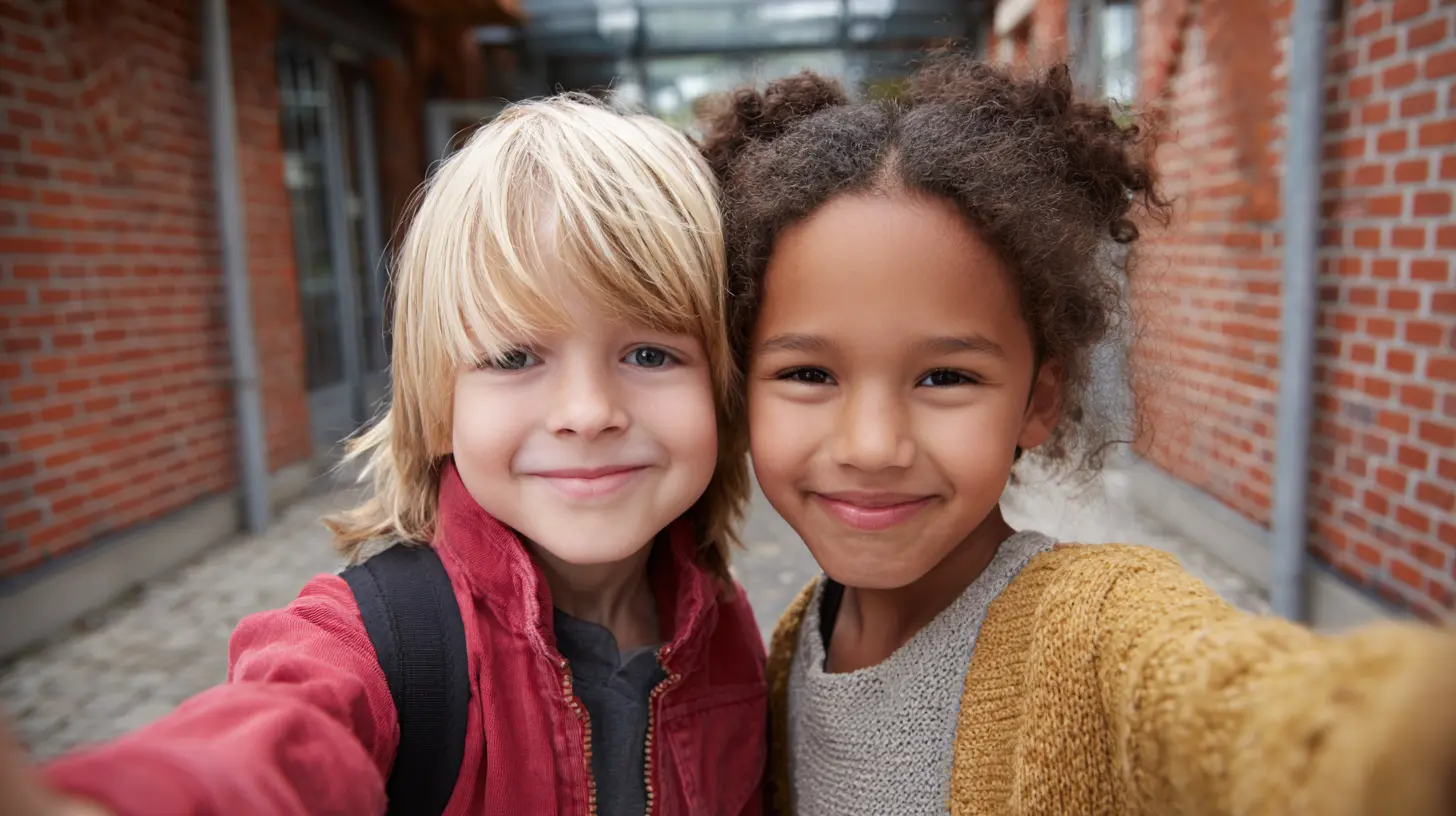
Teaching the Art of Small Moments
Friendship is not built in grand gestures. It is built in small moments of shared attention. A child who learns to notice others, to ask questions, and to show interest in what someone else cares about will never lack for friends.You can practice this at home. When you are reading a book together, pause and ask "Why do you think that character felt sad?" When you are watching a movie, ask "What would you do if you were in their shoes?" These conversations build empathy, which is the core skill of friendship.
You can also help your child develop a few simple conversation tools. But keep them natural. Instead of teaching a script, teach a principle. For example, the principle of "two questions and a comment." When you meet someone, ask them a question, listen to their answer, ask another question, and then make a comment that shows you were listening. This is not a robot formula. It is a way to slow down and genuinely engage.
The Role of Shared Interests
One of the most reliable ways for children to make friends is through shared activities. This is not about forcing them into extracurriculars. It is about noticing what they already love and helping them find others who love the same thing.If your child is into drawing, look for an art club or a lunchtime drawing group. If they love building with blocks, see if there is a LEGO club at school or in the community. The key is that the interest comes from them. When a child is doing something they genuinely enjoy, they are naturally more relaxed, more talkative, and more attractive as a friend.
However, be careful not to overschedule. A child who is running from piano to soccer to tutoring has no time to just be with other kids. Unstructured playtime is where friendships actually form. That is when children negotiate, laugh, argue, and figure things out together. Make sure your child has plenty of free time, even if it feels unproductive.
Understanding Different Social Styles
Not every child is destined to be the most popular kid in class. And that is fine. Some children are happiest with one or two close friends. Others thrive in large groups. Some need quiet one-on-one time to connect, while others are energized by a crowd.As a parent, you need to respect your child's social style. If you have an introverted child, do not push them to be more outgoing. That will only make them feel defective. Instead, help them find their people. An introverted child might do better with a small playdate at home rather than a big birthday party. They might prefer to draw side by side with a friend rather than play a competitive game. Honor that.
If you have an extroverted child, they might need help with boundaries and reading social cues. They might be so eager to connect that they overwhelm other kids. In that case, you can gently coach them on noticing when someone seems uncomfortable. "Did you see how she stepped back? Maybe she needs a little space right now." This is not about shutting down their enthusiasm. It is about refining it.
The Comparison Trap
It is natural to compare your child to others. But it is almost always unhelpful. The girl who seems to have a million friends might be struggling in other ways. The boy who plays alone at recess might be perfectly content. When you compare, you project your own anxieties onto your child. You start to see problems that are not there.Instead, tune into your child's actual experience. Are they happy? Do they have at least one meaningful connection? Do they feel safe at school? These are the questions that matter. Not whether they have the most birthday party invitations.
Common Mistakes Parents Make
Let us talk about some specific mistakes that undermine friendship formation.Mistake One: Rescuing Too Quickly
When your child says "No one wants to play with me," it is painful. But jumping in to solve it can backfire. If you immediately call the teacher or arrange a playdate, your child learns that they cannot handle social problems on their own. They become dependent on you. They also miss out on the resilience that comes from working through discomfort.Instead, acknowledge the feeling first. "That sounds lonely. What did you do?" Then help them brainstorm one small step they could try tomorrow. It might be as simple as saying hello to one person. The goal is not to eliminate all social pain. The goal is to help your child learn that they can cope with it.
Mistake Two: Criticizing Their Friends
You might not love your child's choice of friends. Maybe the friend is a little rough, or a little too quiet, or from a family with different values. But criticizing their friends is a quick way to shut down communication. Your child will stop telling you about their social life if they think you will judge it.Unless there is a real safety concern, bite your tongue. Let your child navigate their own relationships. If you have concerns, ask questions instead of making statements. "What do you like about playing with him?" "How do you feel when you are around her?" This keeps the conversation open and helps your child reflect on their choices.
Mistake Three: Focusing on Popularity
Popularity is not the same as friendship. A child can be well-liked but have no close friends. A child can have one best friend and be completely fulfilled. When you emphasize popularity, you teach your child that status matters more than connection. That is a recipe for anxiety and social climbing.Instead, emphasize quality. Talk about what makes a good friend. Kindness. Trust. Shared fun. These are the things that matter. Help your child identify which kids in their class are kind, not just which kids are popular.
Mistake Four: Ignoring Your Own Social Life
Here is a hard truth. Your child is watching how you handle your own friendships. If you are constantly complaining about your coworkers, your neighbors, or your in-laws, your child learns that relationships are a source of stress. If you are warm, generous, and forgiving with your friends, your child learns that relationships are a source of joy.You do not need to have a perfect social life. But you should be intentional about it. Make time for your friends. Talk about them positively. Show appreciation. Your child will internalize these attitudes and carry them into their own friendships.
The Role of School Environment
Sometimes the problem is not your child. It is the environment. If your child is in a classroom with a harsh teacher, a competitive culture, or a lot of cliques, making friends can be genuinely hard. In those cases, you need to work with the school, not just with your child.Start by talking to the teacher. Frame it as a collaborative effort. "I have noticed that my child is struggling to connect with peers. Have you noticed anything? Do you have any ideas?" Teachers often see social dynamics that parents miss. They can sometimes pair your child with a friendly classmate for group work, or they can keep an eye on lunchtime.
If the school culture is the problem, consider whether a different classroom or even a different school might be a better fit. This is a big decision, but sometimes it is the right one. A child who is miserable in one environment can thrive in another.
The Timing of Friendship
Children's social skills develop at different rates. A child who struggles at six might be a natural leader at nine. A child who is shy at seven might come out of their shell at ten. Do not panic if your child is not where you think they should be. Development is not a race.What matters is that your child feels supported and accepted at home. That is the anchor. From that anchor, they can explore, make mistakes, and grow at their own pace.
Practical Strategies That Actually Work
Let us move from theory to practice. Here are some concrete strategies that have been shown to help children build friendships, with the reasoning behind each one.Strategy One: Host Low-Stakes Playdates
A playdate is not a performance. It is a chance for two children to be together in a comfortable space. The key is low stakes. That means no elaborate activities, no pressure to entertain, and no hovering.Invite one child over. Keep it short, maybe an hour and a half. Provide simple materials like blocks, art supplies, or a board game. Let the children figure out what to do. If they struggle, suggest one or two options, then step back. The goal is for them to experience each other without adult interference.
Strategy Two: Use the Power of Parallel Play
Younger children, especially, often connect through parallel play. That means doing the same activity side by side without much direct interaction. This is not a failure. It is a stepping stone. Over time, parallel play often turns into cooperative play.If your child is new to a group, suggest they start by doing the same activity as another child. If another kid is building a tower, your child can build a tower nearby. This creates a sense of shared experience without the pressure of conversation.
Strategy Three: Teach Emotional Vocabulary
Children need words for their feelings. If they cannot name what they are feeling, they cannot process it. When your child comes home upset, help them label the emotion. "Were you feeling left out?" "Did you feel frustrated when he took your turn?" This does not solve the problem, but it helps your child understand it. And a child who understands their own emotions is better at understanding others.Strategy Four: Practice Role-Playing at Home
Role-playing is not about teaching scripts. It is about practicing responses in a safe space. You can play the part of a classmate and let your child practice asking to join a game. You can switch roles and let them see how it feels to be the one asked. This builds empathy and confidence.Keep it light and fun. If your child resists, do not push. This is a tool, not a requirement.
Strategy Five: Encourage Kindness Over Cleverness
The child who is remembered is not the one who told the funniest joke. It is the one who made others feel good. Encourage your child to notice when someone is sad, to share their snack, to include someone who is left out. These acts of kindness build a reputation that attracts friends.You can model this at home by praising specific acts of kindness. "I noticed you shared your toy with your sister. That was really generous." This is different from generic praise. It reinforces the behavior you want to see.
When to Seek Professional Help
There is a difference between social awkwardness and a clinical issue. If your child consistently has no friends, appears deeply distressed, or shows signs of anxiety or depression, it is worth seeking professional guidance. A child psychologist or a school counselor can assess whether there is an underlying issue, such as social anxiety, autism spectrum disorder, or ADHD.Do not be afraid of this step. It is not a failure. It is a way to get the right support. Early intervention can make a huge difference in a child's social development.
The Long Game
Remember that childhood is long. A rough year in third grade does not doom your child to a lifetime of loneliness. Friendships come and go. Social skills develop over time. What your child needs most is a steady, loving presence that says "You are okay. You are enough. You will figure this out."That is the real secret. Not tricks or scripts or playdate strategies. It is the quiet confidence your child feels because you believe in them. When a child knows they are loved unconditionally, they can face the social world with courage. They can take risks, make mistakes, and keep trying. And that, more than anything, is what draws other children to them.
So let go of the pressure. Stop trying to engineer your child's social life. Instead, focus on the relationship you have with your child. Be warm. Be present. Be their safe place. Everything else will follow.
all images in this post were generated using AI tools
Category:
Parenting And Social SkillsAuthor:

Austin Wilcox
Discussion
rate this article
1 comments
Sarina McGinnis
Encourage open communication and authentic connections daily.
September 2, 2026 at 3:52 AM
Austin Wilcox
Absolutely, open communication lays the foundation for genuine friendships. It's key to helping kids connect with others.