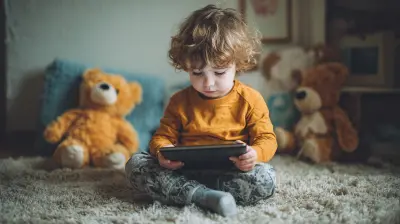
First Friendships: Helping Your Toddler Socialize
23 December 2025
Watching your little one take their first steps into the world of friendships is both exciting and nerve-wracking. As parents, we want our toddlers to feel comfortable, make connections, and develop important social skills. But how can you help your toddler socialize while ensuring they have positive experiences?
Let’s dive into the world of toddler friendships and explore ways to support your child on this journey.
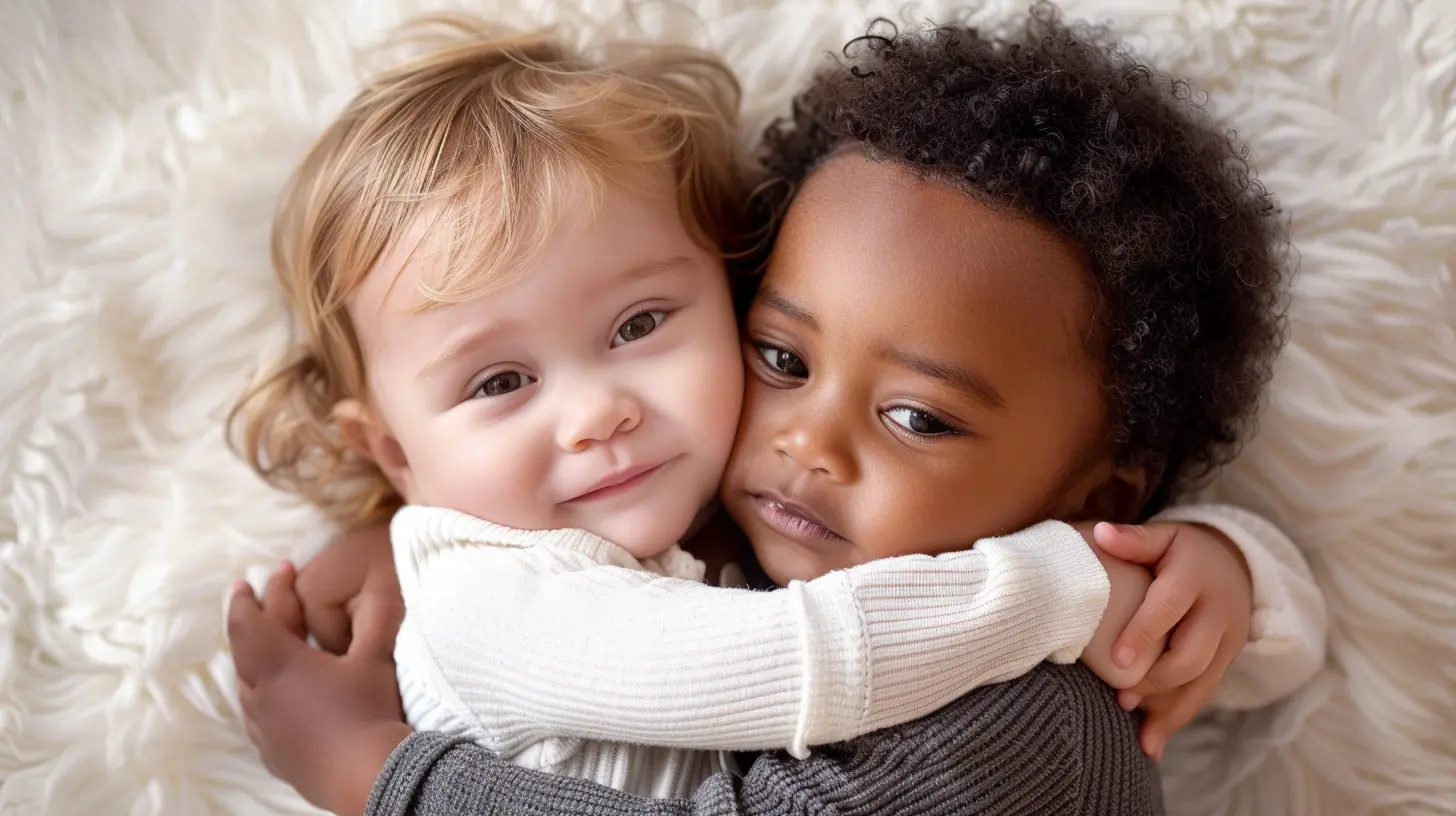
Why Socializing Matters for Toddlers
Socializing isn’t just about playdates and playgrounds; it’s a crucial part of your toddler’s development. Learning how to interact, share, and cooperate with others lays the foundation for future relationships. Here’s why it’s essential:- Develops Communication Skills – Engaging with peers helps toddlers learn language, tone, and body language.
- Encourages Emotional Growth – Friendships teach empathy, patience, and emotional regulation.
- Builds Confidence – Positive social experiences boost self-esteem and independence.
- Teaches Conflict Resolution – Learning to share, take turns, and navigate small disagreements is invaluable.
Now that we know why socializing is so important, let’s talk about how to make it happen!

When Do Toddlers Start Making Friends?
If you’ve taken your toddler to the park or a playgroup, you might have noticed how unpredictable their interactions can be. One moment, they’re playing side by side, and the next, they’re snatching toys. That’s completely normal!Most toddlers start showing true social interest around 18-24 months. Before that, they engage in parallel play, where they play alongside others rather than with them. As they grow, they begin cooperative play, where actual friendships start forming.
So, if your child isn’t running up to other kids just yet, don’t worry! Social skills develop gradually.
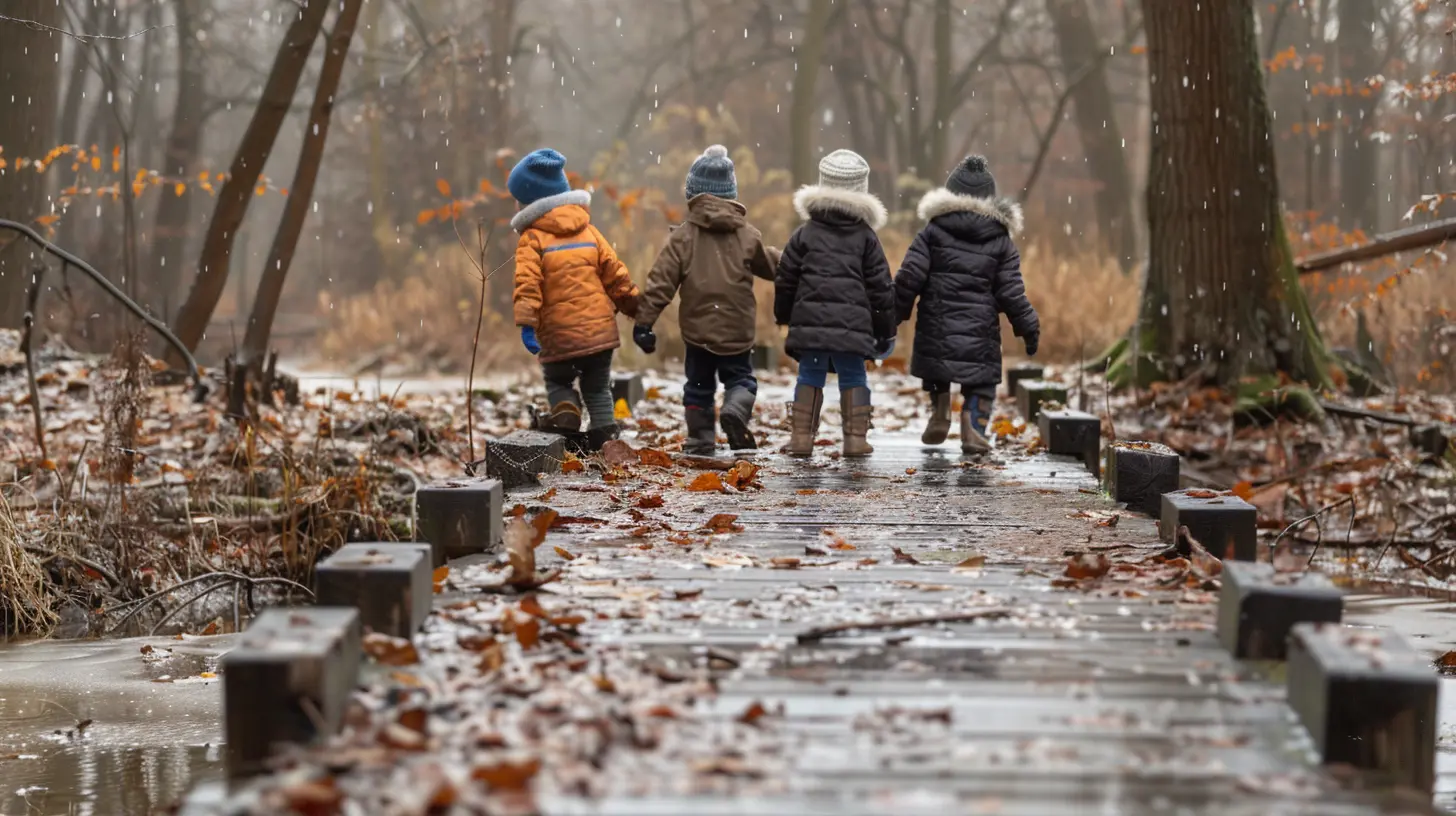
How to Help Your Toddler Socialize
1. Create Opportunities for Social Interaction
You don’t have to enroll your child in every toddler class available, but regular exposure to other kids is essential. Here are a few ways to provide social opportunities:- Join a Playgroup – A structured environment helps toddlers learn to engage with peers.
- Visit Parks and Playgrounds – Unstructured playtime allows natural interactions to unfold.
- Attend Library Storytimes – A fun, engaging way to meet other children.
- Arrange Playdates – One-on-one playdates can be less overwhelming.
The key is consistency. The more they interact with other kids, the more comfortable they’ll become.
2. Model Good Social Behavior
Toddlers learn by watching you, so be intentional with your social interactions. Say "hello" to other parents, model taking turns, and express kindness. Your child will absorb these behaviors and mimic them in their own interactions.Encourage greetings, eye contact, and simple words like “please” and “thank you.” Even if your toddler is shy, seeing you model friendly interactions helps them feel more at ease.
3. Teach Sharing and Taking Turns
One of the biggest challenges at this age is sharing. Toddlers are naturally possessive—it’s part of their development. Instead of expecting them to instantly give up a toy, try these techniques:- Use a timer – Set a short time limit, then encourage swapping toys.
- Praise sharing – When they share, acknowledge it: "Wow! That was so nice of you to let your friend play with the truck!"
- Offer choices – Instead of forcing them to give up a toy, offer another option.
Remember, sharing is a skill that takes time to develop. Be patient and celebrate small wins!
4. Guide (But Don’t Hover)
As much as we want to jump in and fix every minor conflict, stepping back is often the best move. Toddlers need to figure things out on their own to develop problem-solving skills.If an issue arises, try to coach rather than control:
- Instead of saying, “Give the toy back,” try, “Let’s find another toy while we wait for our turn.”
- If they grab a toy, gently prompt, “Can we ask if we can have a turn?”
Of course, intervene if things escalate, but giving them space to work it out fosters independence.
5. Acknowledge Their Feelings
Socializing can be overwhelming for toddlers. They might feel nervous, frustrated, or even upset. Instead of brushing off their emotions, acknowledge them:- "I see you’re feeling shy. That’s okay. Let’s watch for a bit before we join in."
- "It’s hard to wait for a turn, isn’t it? I know you really want that toy."
By validating their feelings, you help them process emotions in a healthy way.
6. Respect Their Personality
Some toddlers are naturally outgoing, while others are more reserved—and that’s okay! You don’t need to force your child to be overly social. Support their personality by:- Giving them time to warm up at gatherings.
- Setting realistic expectations—not all kids instantly become buddies.
- Encouraging, but not pressuring them to interact.
The goal isn’t to make them the most social child in the room, but to help them feel comfortable in social situations.
7. Be Patient with Social Setbacks
Toddlers go through phases. One week they may love playing with friends, and the next, they may prefer solo play. This is completely normal!- Separation anxiety can make socializing harder.
- Developmental leaps can temporarily affect behavior.
- Changes (like a new sibling or daycare transition) can impact social confidence.
If your toddler withdraws from social situations, don’t panic. Keep providing gentle opportunities, and they’ll bounce back when they’re ready.
8. Encourage Pretend Play
Did you know that playing pretend helps toddlers develop social skills? When your child plays house, tea party, or superheroes, they’re learning valuable lessons about empathy, cooperation, and problem-solving.Set up simple role-play scenarios using dolls, stuffed animals, or action figures. You can even model social interactions by having their toys “talk” to each other. It’s a fun, low-pressure way to practice social skills!

Recognizing Social Milestones
Every child develops at their own pace, but here are some general social milestones to look out for:- 12-18 months: Engages in parallel play, watches others, imitates actions.
- 18-24 months: Begins playing next to other kids, imitates sounds and words, starts simple turn-taking.
- 2-3 years: Shows interest in peers, starts group play, engages in basic conversations.
If your toddler seems significantly behind or struggles with social interactions despite multiple opportunities, it’s always a good idea to check in with your pediatrician.
Final Thoughts
Helping your toddler socialize is an incredible journey filled with giggles, tiny handshakes, and the occasional toy tug-of-war. By providing opportunities, modeling kindness, and respecting their personality, you’re setting them up for a lifetime of healthy friendships.Remember, every child develops social skills at their own pace. Some dive right in, while others need a little more time. Either way, with your support, love, and encouragement, they’ll find their way in the big world of friendships.
all images in this post were generated using AI tools
Category:
Parenting ToddlersAuthor:

Austin Wilcox
Discussion
rate this article
2 comments
Xavi Huffman
This article offers valuable insights into fostering early friendships for toddlers. Encouraging social interactions at a young age truly sets a strong foundation for future relationships.
January 26, 2026 at 4:16 AM
Austin Wilcox
Thank you for your thoughtful comment! I’m glad you found the insights valuable for fostering early friendships in toddlers. Building strong social skills early on is indeed essential!
Lorelei Powell
With gentle hands, weave their little hearts; first friendships bloom, nurturing joy and connections.
December 23, 2025 at 3:25 PM
Austin Wilcox
Thank you! Building those early connections is truly essential for fostering joy and social skills in toddlers.