Forgetting to Teach Empathy: A Missed Milestone
24 March 2026
Parenting is a beautiful, messy, and sometimes overwhelming journey. We focus on teaching our kids how to walk, talk, read, and write. We celebrate milestones like their first steps, their first words, and their first day of school. But in the midst of all these achievements, are we forgetting one of the most crucial lessons of all—empathy?
Empathy isn’t just about saying “sorry” when they hurt someone. It’s about genuinely understanding another person’s emotions and responding with kindness. And yet, in today’s fast-paced, digital world, many parents unintentionally neglect this essential trait.

Why Empathy Matters More Than Ever
Empathy is the foundation of strong relationships and emotional intelligence. It helps children build meaningful connections, resolve conflicts, and navigate social situations with compassion. Without it, we risk raising a generation that struggles to understand and respect others.Think about it: How often do we hear about bullying in schools? Or people lacking basic courtesy in public places? Much of this boils down to a lack of empathy. Teaching kids to put themselves in another person’s shoes can change their entire approach to life.

The Silent Consequences of Overlooking Empathy
When we don’t actively teach our kids empathy, we’re unintentionally shaping them into adults who may struggle with:- Building close relationships – Friendships and family bonds thrive on understanding and compassion.
- Handling conflicts – Without empathy, disagreements can escalate into resentment and hostility.
- Workplace success – Employers value emotional intelligence as much as technical skills.
- Mental well-being – Empathetic people tend to have stronger support systems and deal with stress better.
A lack of empathy doesn’t just affect a child’s present interactions—it influences their future relationships, career, and overall happiness.

Are We Accidentally Teaching Self-Centeredness?
Modern parenting often focuses on boosting a child’s self-esteem and confidence, which, of course, is important. But too much emphasis on "Me, Me, Me" without balancing it with "How do others feel?" can lead to self-centeredness.It’s great to encourage kids to speak their minds and pursue their dreams, but they also need to learn that the world doesn’t revolve around them. When we fail to teach empathy, we risk raising individuals who struggle to connect with others in a meaningful way.
So how can we, as parents, intentionally teach empathy?

Simple Ways to Foster Empathy in Kids
Empathy isn’t something kids just "pick up" naturally. It has to be taught, modeled, and reinforced. Here’s how you can make it a daily habit:1. Be an Empathy Role Model
Kids learn by watching us. If they see us being kind, considerate, and understanding, they’ll likely mimic those behaviors. Show empathy in everyday situations—whether it’s helping a neighbor, being patient with a waiter, or comforting a friend who’s having a rough day.2. Talk About Feelings Regularly
Instead of saying, "Stop crying, you're fine," try "I see that you're upset. Do you want to talk about it?" Encouraging kids to recognize and name their emotions helps them understand their feelings—and, in turn, understand the feelings of others.You can also point out emotions in books, movies, or real-life situations: "How do you think she felt when that happened?" This simple habit encourages kids to see the world through someone else’s eyes.
3. Encourage Perspective-Taking
Ask thought-provoking questions like:- "How would you feel if that happened to you?"
- "Why do you think your friend reacted that way?"
- "What do you think would make them feel better?"
This helps kids slow down and consider the emotions of those around them.
4. Praise Kindness Over Achievement
It’s natural to celebrate good grades, sports victories, and big accomplishments. But do we praise acts of kindness with the same enthusiasm?Next time your child shows compassion—whether it's comforting a friend, sharing a toy, or standing up for someone—make it a big deal. "That was really kind of you! I'm so proud of how you cared for your friend." This reinforces the value of empathy in their everyday interactions.
5. Teach Through Storytelling
Stories are powerful tools for teaching empathy. Whether it’s bedtime stories or discussing real-life events, use narratives to highlight emotions, struggles, and kindness. Books like Wonder by R.J. Palacio or The Invisible Boy by Trudy Ludwig offer valuable empathy lessons.6. Show Them the Bigger Picture
Kids might not always understand struggles beyond their own world. Get them involved in acts of kindness—volunteering at a shelter, donating toys, or writing kind notes to people in need. Seeing how their actions impact others makes empathy more tangible.7. Correct Behavior Through Understanding, Not Punishment
Instead of simply saying, "That was mean. Say sorry," guide them through understanding their actions:- "How do you think your friend felt when you said that?"
- "Next time, how can you handle it differently?"
This approach teaches them to genuinely feel remorse rather than offering a hollow apology.
The Digital Age: A Threat to Empathy?
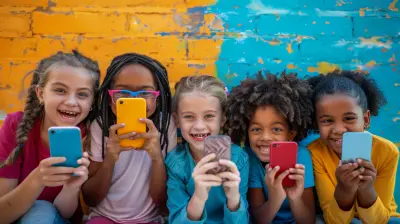
Technology, while beneficial, has created a challenge in raising empathetic children. With kids spending more time behind screens and less time engaging in real-life interactions, they may struggle to pick up on body language, tone, and emotional cues.Social media often encourages quick reactions over thoughtful responses, making it harder for kids to truly connect with others’ emotions. The solution? Balance.
- Limit screen time and ensure kids have plenty of face-to-face interactions.
- Encourage open conversations about online behavior and cyberbullying.
- Help them understand that behind every screen is a real person with real feelings.
Empathy Begins at Home
If we want a kinder, more compassionate world, it starts with how we raise our children. Teaching empathy isn’t about having “one big conversation”—it’s about the small, daily moments that shape their mindset.So let’s ask ourselves: Are we prioritizing empathy as much as we prioritize academics, sports, and hobbies? If not, it’s never too late to start.
Raising an empathetic child means raising a future adult who understands, cares, and connects on a deep level. And that? That’s a milestone worth celebrating.
all images in this post were generated using AI tools
Category:
Parenting MistakesAuthor:

Austin Wilcox
Discussion
rate this article
2 comments
Rex Harper
This article highlights a crucial parenting oversight. Teaching empathy is essential for children's emotional growth and relationships. Let’s make it a priority to nurture this vital skill!
March 27, 2026 at 6:00 PM
Austin Wilcox
Thank you for your insightful comment! I completely agree—prioritizing empathy in parenting is key to fostering emotional intelligence and strong relationships in children.
Skyler White
Empathy is essential development.
March 25, 2026 at 5:24 AM
Austin Wilcox
I completely agree. Empathy shapes how we connect and grow together. It's vital for real progress.