Foster Independence in Tweens with Responsibility-Based Chores
12 May 2026
Let’s be real. Raising tweens is like walking a tightrope between giving them freedom and keeping them grounded. They’re no longer little kids, but not quite teenagers either. They crave independence, but they still need guidance—and lots of it. One of the best ways to nurture their growing need for autonomy is by involving them in responsibility-based chores.
Now, before you picture eye rolls and endless arguments, hear me out. Chores don’t have to be a battleground. Done right, they can empower your tween, build their self-esteem, and teach them real-life skills they’ll carry well into adulthood. This article is your no-fluff, candid guide to making that happen.

Why Chores Matter at the Tween Stage
Tweenhood (roughly ages 9 to 12) is a weird in-between zone. Your kid’s starting to ask big questions, develop a sense of identity, and push boundaries. It’s also when their brains are ready to handle more complex tasks—perfect timing for introducing meaningful responsibilities.Giving your tween chores isn’t just about getting help around the house (though that’s a nice bonus). It’s about teaching them:
- Accountability
- Time management
- Problem-solving
- Teamwork
- Independence
It’s kind of like handing them the training wheels of adulthood. They’re not quite ready to ride solo, but with the right support, they’ll get there.

The Difference Between “Just Chores” and Responsibility-Based Chores
Let’s break it down. Not all chores are created equal.You’ve got your everyday tasks—making the bed, brushing their teeth, basic stuff. Important? Sure. But responsibility-based chores go a step further.
Responsibility-based chores are intentional. They’re about giving your tween ownership over certain areas of family life. Think: taking care of a pet, planning and prepping a meal once a week, managing their laundry, or even helping a younger sibling with homework.
These tasks give them more than something to “do”—they give them something to manage. That’s the secret sauce.

Benefits of Responsibility-Based Chores
Still skeptical about handing over some of the household reins? Here’s why it works.1. Boosts Confidence
Every time your tween successfully completes a task on their own, they get a little confidence boost. Little wins matter. When they see they’re capable of more than just picking up Legos or putting away dishes, they start believing in themselves.2. Builds Life Skills Early
Laundry, cooking, budgeting, basic cleaning—these aren’t “someday” skills. Your tween will need them in just a few short years. By starting now, you’re helping them build a strong foundation.3. Encourages Accountability
When a tween knows that feeding the dog every day is their job, they learn pretty quickly what happens if they forget. Letting them feel the weight of responsibility (in a safe, non-critical way) teaches consequences in a powerful, real-world way.4. Promotes Independence
This one's huge. Taking initiative, managing time, and figuring things out without being told exactly what to do? That’s independence in action. And it starts with giving them opportunities to rise to the occasion.5. Strengthens the Family Dynamic
When everyone pitches in and shares the load, your household feels more like a team. Your tween gets a taste of what it means to contribute—and that their actions matter.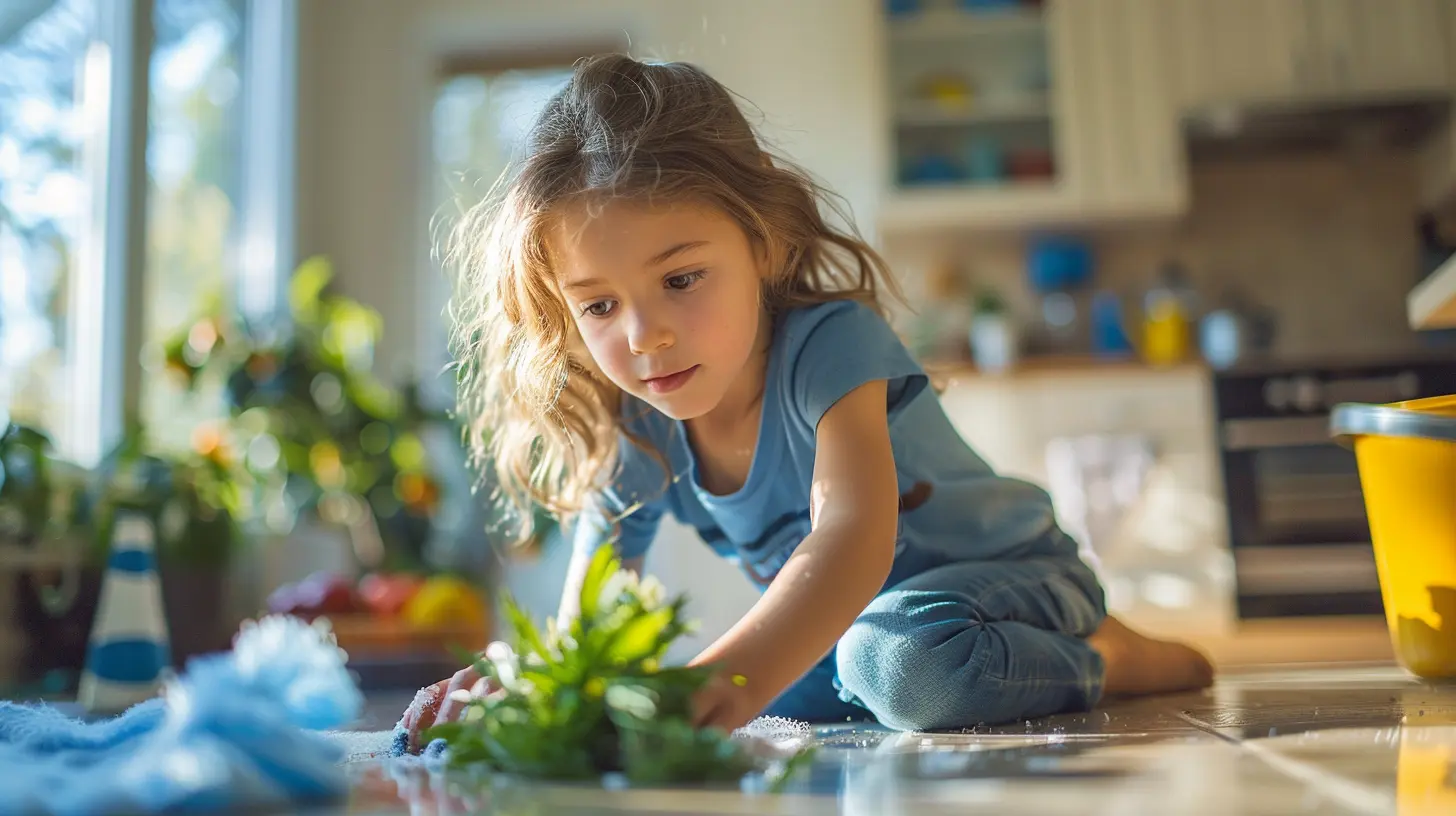
How to Choose the Right Chores for Your Tween
Not all chores will be age-appropriate or motivating. Some might even backfire if they feel like punishment. So how do you strike the right balance?1. Match Chores to Their Interests
Got a tween who loves animals? Assign them pet care duties. Obsessed with organizing? Let them manage hallway storage or help tidy the garage. Start with their strengths or interests to get buy-in.2. Start with One or Two “Ownership” Chores
Too many chores too fast can be overwhelming. Begin with one or two tasks that they’re solely responsible for. These could include:- Taking out the trash every Tuesday
- Doing their laundry every weekend
- Making breakfast for the family on Sundays
Make it clear that this is their job, and trust them to get it done.
3. Rotate Tasks to Keep Things Fresh
Your tween will outgrow tasks, or maybe just get bored. That's okay. Chores don’t have to be set in stone. Rotate responsibilities every few weeks or months to keep things engaging and expose them to new skills.Making Chores Feel Empowering (Not Like Punishment)
Let’s be honest—chore charts and nagging don’t work long-term. If chores always feel like punishment or consequence, your tween will resist. Instead, reframe the whole idea.Empower Them with Choice
Let them pick from a list of age-appropriate chores. Giving them a say puts the control in their hands. It might sound like, “We’ve got a few things that need to get done this week. Which one do you want to be in charge of?”Provide Clear Guidelines
Don’t assume they know how to do everything. Show them. Teach them once, maybe twice, and then let go. Be patient with mistakes—it’s part of learning.Tie Chores to Privileges, Not Allowance (Optional)
Want screen time? Social plans? Great. Make chores the gateway, not a bribe. “When your laundry’s folded, you’re free to head to Avery’s house.” It’s a subtle but powerful way of teaching cause and effect.Recognize Effort, Not Just Outcome
Celebrate their effort. Even if dinner was a little burned or they forgot to vacuum behind the couch. Say things like, “I see how hard you worked today. That’s what counts.” Everyone likes to be appreciated.
Turning Chores Into Lifelong Habits
We want our kids to internalize responsibility, not just perform tasks when we nag them. That means we need to build systems that support consistency.Create a Routine
Set expectations: “Every Saturday morning is laundry day.” A consistent schedule helps it become second nature. Bonus: routines reduce friction and arguments.Let Them Problem-Solve
If your tween forgets their chore, avoid the knee-jerk reaction to fix it yourself. Instead, ask them how they plan to handle it. Guide them toward a solution, then step back.Encourage Reflection
Once in a while, ask, “How did that go?” or “What did you learn doing that this week?” This helps them connect chores to personal growth.Age-Appropriate Chore Ideas for Tweens
Need some inspo? Here’s a list of responsibility-based chores that are tween-friendly, growth-promoting, and totally doable.Household Responsibilities
- Sorting and doing their laundry- Preparing a simple family meal once a week
- Cleaning a shared bathroom
- Creating a grocery list for snacks/meals they like
- Packing their own lunch for school
Family Contributions
- Babysitting a younger sibling for short periods- Helping plan family events (movie night, game night)
- Assisting with yard work or gardening
- Managing pet care entirely (feeding, walks, clean-up)
Self-Care Tasks
- Managing their own schedule with a planner/calendar- Organizing their room weekly (not just cleaning, but sorting and decluttering)
- Preparing a budget if they earn allowance or chore money
Troubleshooting: What If My Tween Hates Doing Chores?
Spoiler alert: Your tween probably will resist. That’s normal. Here’s how to handle it like a boss.Stay Calm and Consistent
Don’t turn it into a power struggle. Chores are non-negotiable, like brushing your teeth or going to school. Keep your tone matter-of-fact.Focus on Consequences, Not Punishment
Didn’t do the laundry? No clean clothes tomorrow. Forgot to feed the dog? They’re explaining that to Grandpa when he comes to pick up Fido. Natural consequences teach better than yelling ever could.Revisit and Revise
If a chore truly isn’t working, talk about it. Maybe it’s time to switch up tasks or offer a little more guidance. Keep the conversation open.Final Thoughts: You’re Not Just Raising a Helper—You’re Raising a Capable Human Being
At the end of the day, responsibility-based chores aren’t just about getting the floor vacuumed or the dishwasher emptied. They’re about teaching your tween that they are capable, trusted members of the family.They won’t always get it right. There will be push-back, missed tasks, and the occasional “I forgot.” But with consistency, empathy, and a dash of humor, you’ll foster independence in your tween one responsibility at a time.
And honestly? That’s a win for both of you.
all images in this post were generated using AI tools
Category:
Chores For KidsAuthor:

Austin Wilcox
Discussion
rate this article
2 comments
Harlow Cantu
Tweens and chores: turning sock battles into life lessons while parents sip coffee and cheer from afar!
June 22, 2026 at 3:04 AM
Austin Wilcox
Absolutely! Chores can teach valuable skills while parents enjoy a moment to relax. It's a win-win for everyone.
Harmony McManus
Empowering tweens with responsibility-based chores builds confidence and essential life skills. Start small and gradually increase expectations to foster true independence and growth.
May 25, 2026 at 3:42 PM
Austin Wilcox
Absolutely! Starting small is key. Chores not only teach responsibility but also help tweens develop confidence and independence over time.