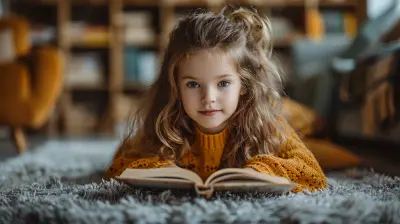
Giving Each Child Their Own Space to Reduce Rivalry
21 December 2025
Sibling rivalry is as old as time itself. From fighting over toys to arguing about who gets the last cookie, kids always find something to squabble about. One major trigger? A lack of personal space. When kids feel like they have no place to call their own, tensions rise, bickering increases, and those peaceful family moments turn into a battleground.
But here’s the good news: You can cut down on that sibling rivalry by giving each child their own space. Sounds simple, right? Well, it’s a bit more involved than just separating their beds or giving them different shelves. It’s about fostering individuality, independence, and mutual respect. Let’s dive into how you can do just that.
Why Personal Space Matters for Kids
Imagine living in a house where every single thing you own is shared. No privacy, no personal place to think, and no sense of ownership. Sounds stressful, doesn’t it? Kids feel the same way!When children have their own space, they:
- Develop a sense of independence – They learn to take care of their belongings and make decisions.
- Feel valued and respected – Knowing they have a personal area just for them boosts their self-esteem.
- Avoid unnecessary conflicts – When kids don’t have to fight over everything, there are fewer arguments.
- Learn responsibility – If they have their own space, they are more likely to take care of it.
Giving each child their own space doesn’t necessarily mean separate bedrooms. It’s about creating boundaries, giving them a sense of ownership, and making sure they feel heard and respected.
How to Give Each Child Their Own Space
Alright, so now that we understand why personal space is important, let’s talk about practical ways to implement it—whether you have a big home or a small apartment.1. Separate Sleeping Areas
If separate bedrooms aren’t an option, consider dividing an existing room creatively. Some ways to do this include:- Using curtains or room dividers – A simple curtain or bookshelf can act as a physical boundary.
- Color-coding areas – Let each child have their own color theme for their side of the room.
- Bunk beds with privacy curtains – If your kids share a bunk bed, adding curtains can give them their own little retreat.
Even if they’re in the same room, they’ll appreciate having a space that feels like "theirs."
2. Give Personal Storage Spaces
Ever hear your kids fighting over where their favorite toys went? That’s because shared spaces often lead to mixed-up belongings.Solve this by giving each child:
- Separate bins or drawers – Label them with their names so there's no confusion.
- Dedicated cubbies or shelves – Teach them that their belongings should stay in their designated area.
- Personalized decor – Let them choose how they want their space to look, whether it’s their bedspread or wall art.
This small change can make a world of difference in reducing fights over missing items.
3. Create Individual Work or Play Stations
Homework time can turn into chaos if kids are constantly bothering each other. Instead of having them fight over the dining table, set up separate workstations.Some ideas include:
- Personal desks in corners of a shared room – Even a small table can do the trick.
- Floor mats or rugs – Designating different study corners using rugs can help give structure.
- Portable lap desks – Perfect for small spaces, these let kids move to a quiet area when they need focus time.
For playtime, assign different areas where they can engage in activities without interfering with one another.
4. Respect Their Need for Alone Time
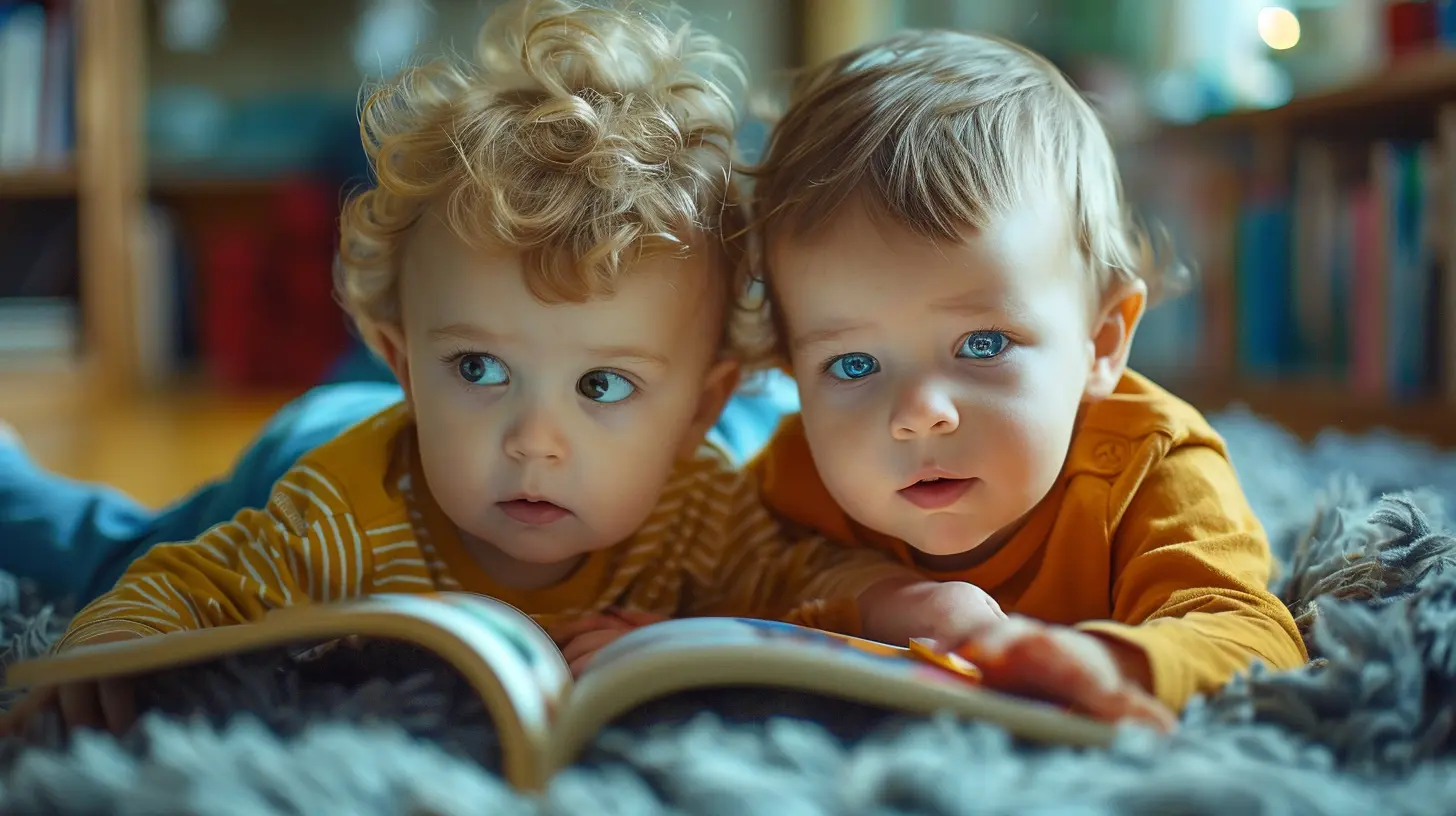
Adults love "me time," and kids do too! Encourage your little ones to take breaks from each other when needed.- Have quiet zones – A cozy reading nook or a bean bag in a corner can serve as a retreat.
- Set up a schedule – If they share a room, establish solo time where one gets the room to themselves for a little while.
- Allow them to opt out of group activities – If a child prefers to play alone sometimes, that’s okay!
Teaching kids that alone time is healthy helps them develop self-awareness and emotional intelligence.
5. Encourage Personal Hobbies
Another way to foster individuality is by supporting each child's unique hobbies and interests. Instead of pushing them into the same activities, let them explore what they enjoy.- One child loves art? Set up a mini art studio.
- Another into sports? Give them storage for their gear.
- One obsessed with books? Create a small library corner.
By encouraging their separate interests, they feel valued as individuals rather than constantly being lumped together as "the kids."
6. Teach Boundaries and Respect
Even with personal spaces, kids need reminders to respect each other. A few ground rules can help prevent future arguments.- Knock before entering – If a child has a designated space, they deserve privacy.
- No touching without permission – Sibling rivalry often flares up when one child takes another’s stuff.
- Use words, not actions – Teach them to communicate when they need space instead of resorting to yelling or pushing.
When kids learn these boundaries early, they grow up respecting each other’s needs.
7. Let Them Have a Say
Want to make sure they actually follow through? Let them be part of the process! When kids feel included, they’re more likely to respect the rules.Sit down with them and ask:
- “What do you want your space to look like?”
- “How can we make things more fair between you and your sibling?”
- “What rules do you think are important about personal space?”
You’ll be surprised how insightful kids can be when given the chance to share their thoughts.
The Bigger Picture: Why This Matters for the Future
Giving each child their own space isn't just about preventing fights today—it’s about shaping them into independent, respectful adults. They’ll learn:- How to manage personal boundaries – Which will help them in friendships, relationships, and careers later on.
- The importance of respecting differences – Understanding that everyone has unique needs fosters empathy.
- Self-reliance and confidence – A child who feels ownership over their space learns responsibility and independence.
Long story short? Giving them space today teaches life skills that will benefit them for years to come.
Final Thoughts
Sibling rivalry isn’t going to vanish overnight, but providing each child their own space can significantly reduce tension and promote harmony at home. Whether it’s a private desk, a labeled storage bin, or a cozy reading nook, personalizing their environment makes them feel valued and respected.So, next time the kids start bickering, ask yourself—do they need more space? A little physical and emotional breathing room might be the magic solution you’ve been looking for!
all images in this post were generated using AI tools
Category:
Sibling RivalryAuthor:

Austin Wilcox
Discussion
rate this article
2 comments
Sadie Coleman
This topic intrigues me! How does giving each child their own space specifically impact sibling dynamics? I wonder if there are particular activities or strategies that work best for fostering individuality while still encouraging family bonding. Excited to learn more!
January 25, 2026 at 5:52 PM
Austin Wilcox
Thanks for your interest! Giving each child their own space allows them to express individuality, reducing competition for attention and resources. Activities like personal projects or quiet reading time can help foster this uniqueness while family game nights or shared hobbies strengthen bonds. Balancing both is key!
Vance Gray
Creating individualized spaces for each child fosters a sense of belonging and respect, minimizing rivalry. It encourages them to explore their identities and interests, ultimately promoting healthy relationships. By honoring their uniqueness, we equip them to cooperate and thrive together.
December 23, 2025 at 4:26 AM
Austin Wilcox
Thank you for your insightful comment! Creating individualized spaces truly enhances each child's sense of belonging and promotes positive relationships.