How to Balance Attention Between Jealous Siblings
24 January 2026
Let’s be honest—parenting isn’t always rainbows and happy family photos. When you bring more than one child into the mix, things can get a little...competitive. Jealousy between siblings is like that uninvited houseguest—it shows up when you least expect it and tends to stick around unless you do something about it.
If you've ever watched one kid throw a tantrum because their brother got more bedtime kisses or seen a side-eye during birthday gift unwrapping, you know what I’m talking about. The truth is, sibling rivalry is normal. Natural, even. But that doesn’t mean it has to rule your home or turn your parenting routine into a battlefield.
So, how do you strike a fair balance and show each child you love them without setting off jealousy alarms?
Let’s dive deep into how to balance attention between jealous siblings without losing your mind (or your patience!).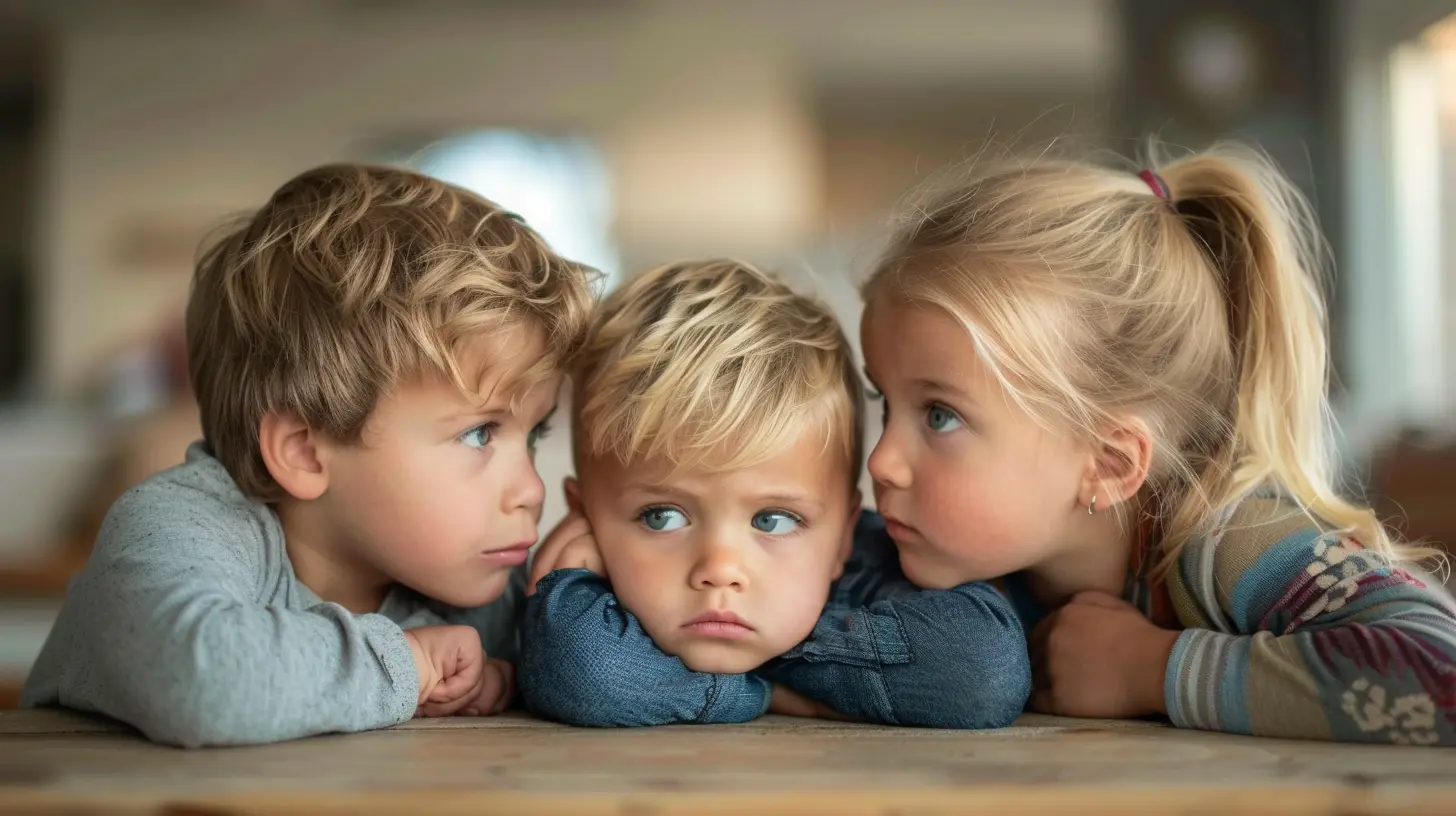
Why Sibling Jealousy Happens (Even in the Best Families)
First off, let’s shed the guilt. If your kids are jealous of each other, it doesn’t mean you’re doing something wrong. It means they’re human. Children are wired to seek love and approval, especially from their parents. When there’s someone else competing for the same emotional spotlight (a.k.a their sibling), things can get a little intense.Some common triggers?
- A new baby in the house
- One child getting praise or rewards
- Milestones (starting school, getting braces off, etc.)
- Perceived unfairness in rules or treatment
Even tiny things like who got the biggest slice of pizza can spark jealousy. (Yes, kids keep score like mini mathematicians.)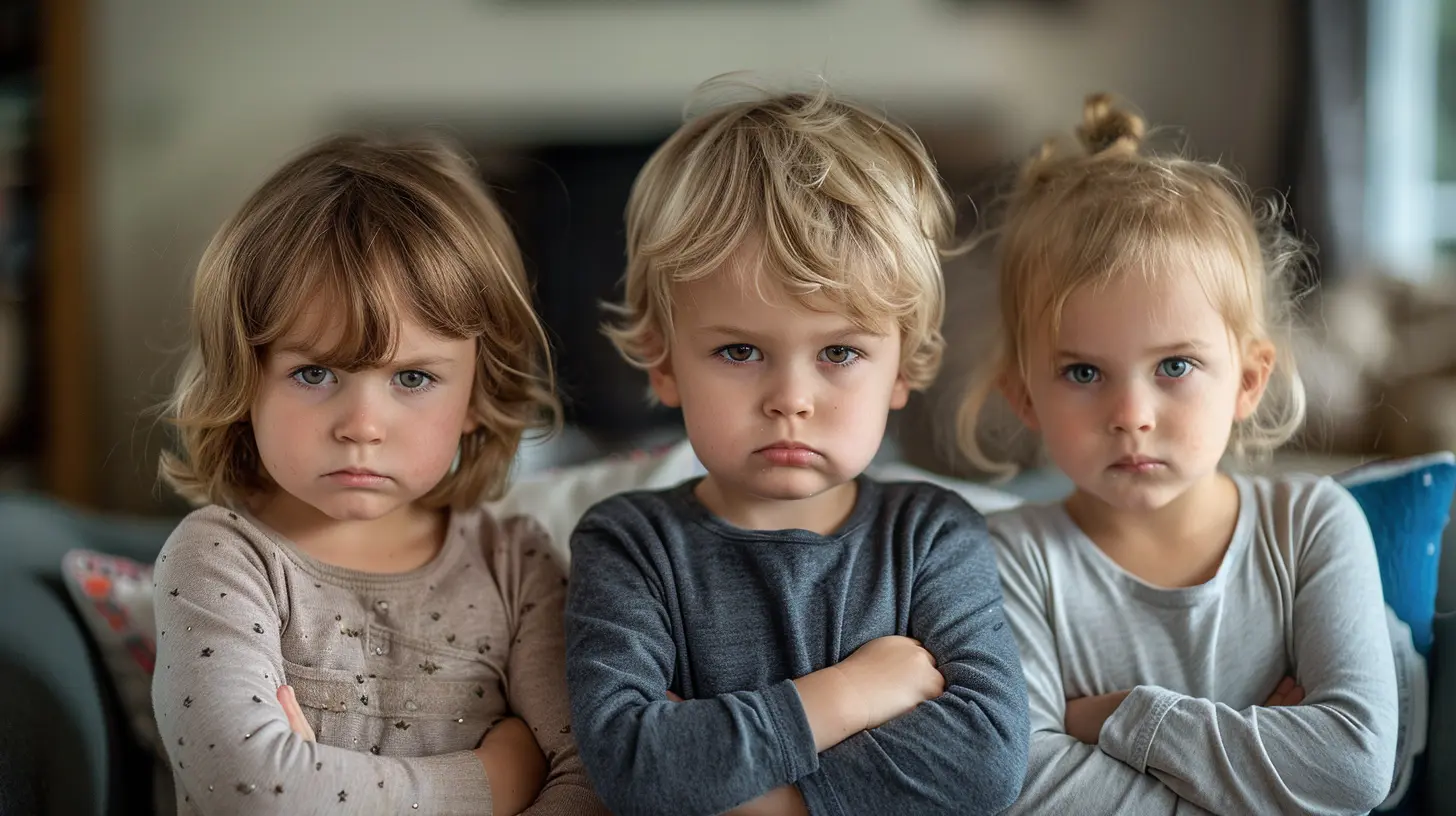
1. Acknowledge the Feelings—Don’t Brush Them Off
Let’s start right here. If your child says, “Why do you always hug Sarah more than me?” your response matters big time. Don’t just say, “That’s not true!” or “Stop being dramatic.”Instead, validate their emotions.
Try something like:
> “You’re feeling left out, huh? That must be hard.”
When a child feels heard, they’re more likely to open up instead of acting out. Remember, jealousy isn’t bad—it’s a sign something feels off. Addressing that upfront builds trust and shows them you’re paying attention.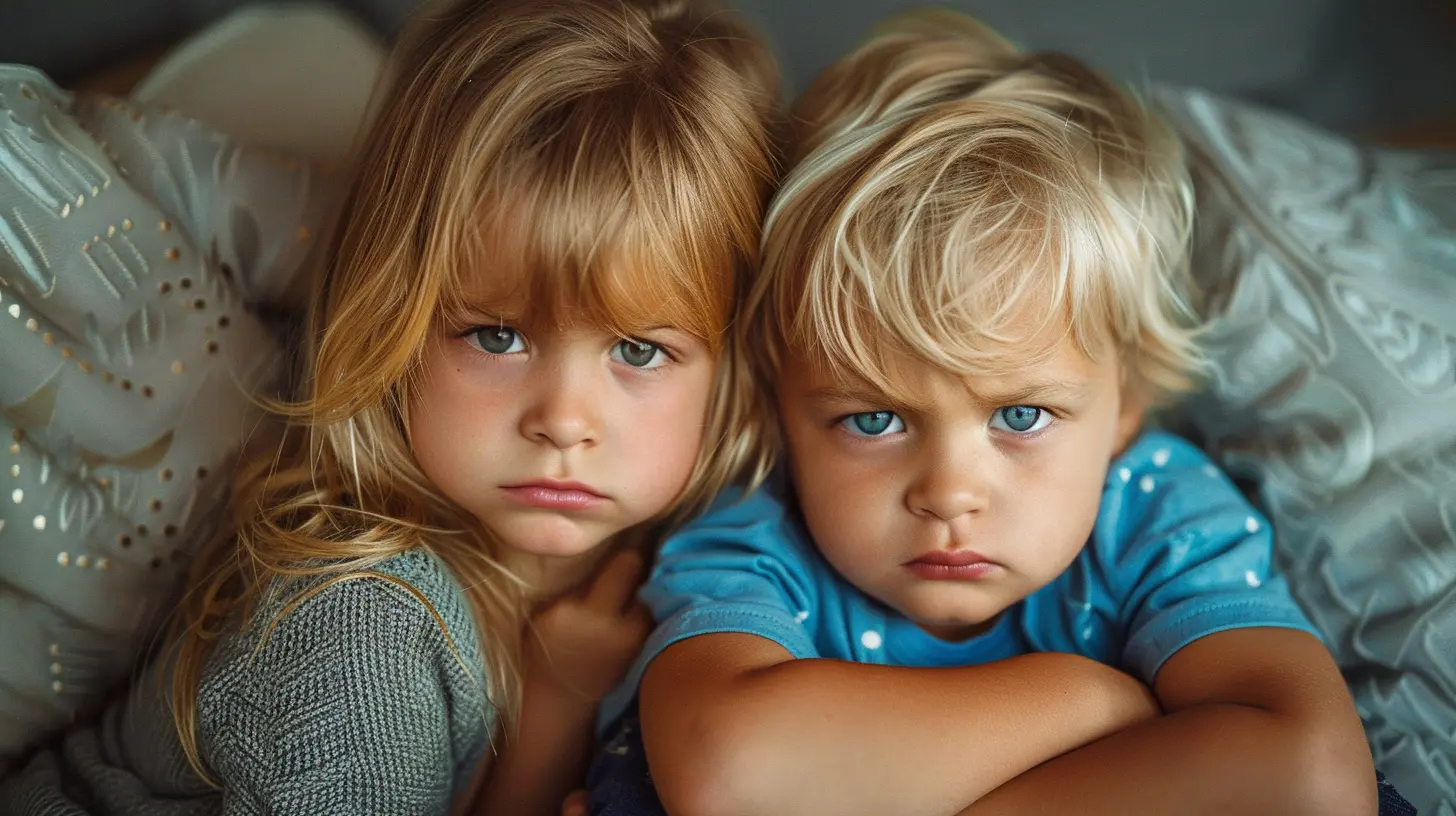
2. Embrace One-on-One Time Like It’s Sacred
This tip is gold. If you’re wondering how to balance attention, carving out individual time with each child is the secret sauce. It doesn’t have to be elaborate. Even 10-15 minutes a day can work wonders.Some ideas?
- Read their favorite book together
- Go for a walk, just the two of you
- Bake cookies while the other child is busy
- Chat before bedtime with no phones around
Make it known that this is their time—and no one else’s. It helps refill their emotional tanks and reduces that need to compete for your love.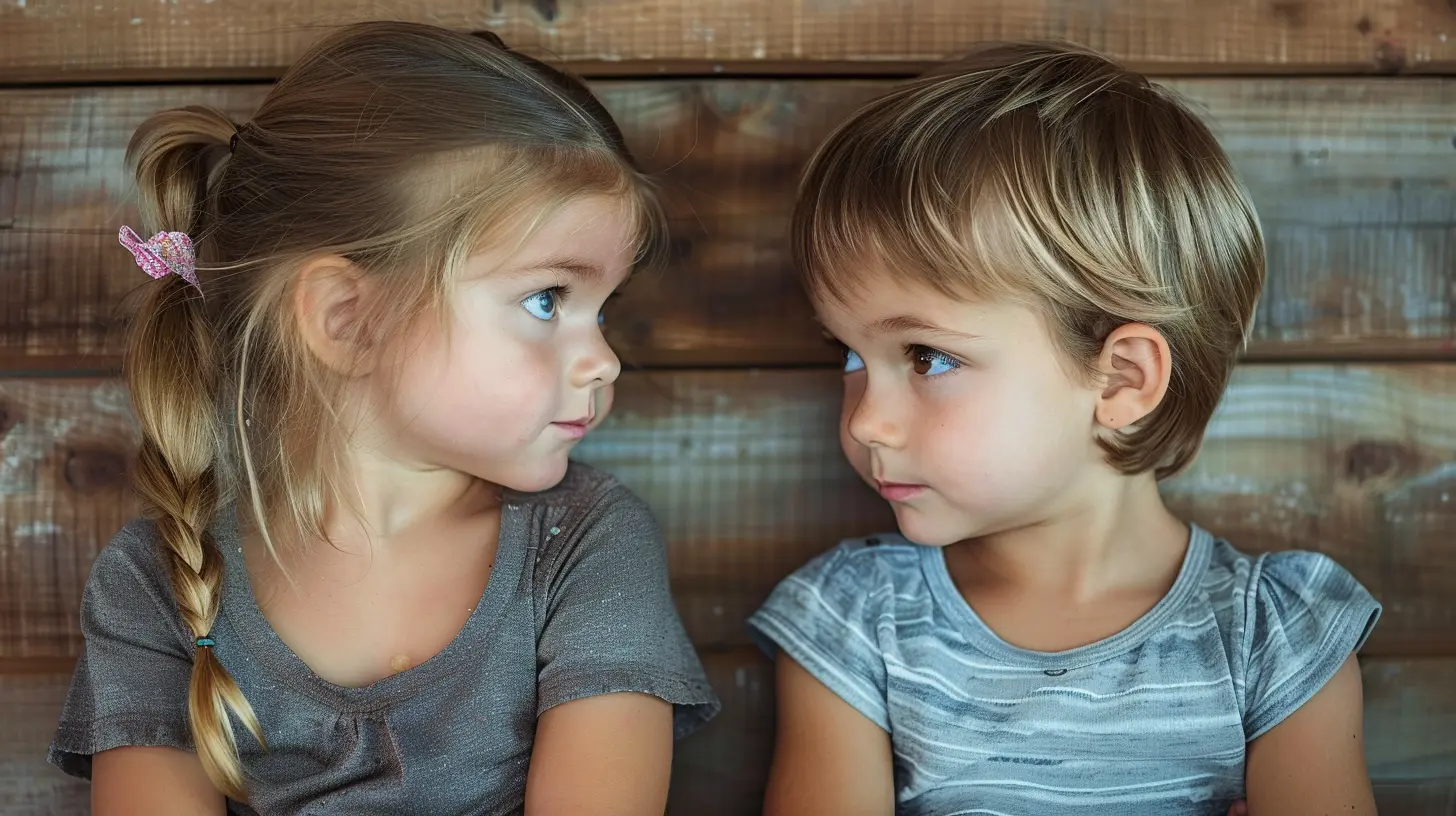
3. Fair Doesn’t Mean Equal—Explain the Difference
Kids tend to assume that fairness = everyone gets the exact same thing. But life—and parenting—isn’t that black and white.Try this analogy:
> "If one of you has a cold, I give you medicine. That doesn’t mean the other one should take medicine too, right? I give you what you need, when you need it."
It’s a simple but powerful way to show them that love and attention are tailored, not measured like cups of sugar.
4. Avoid Labels That Stick
It’s tempting to call one child the “smart one” or the “athletic one,” especially when praising. But kids absorb these labels like sponges, and sometimes they feel boxed in or lesser-than.Even positive labels can backfire.
Instead of saying, “Emma's the artist in our house,” try, “Emma loves drawing, and Liam’s been experimenting with painting too.”
Sharing skills, interests, and recognition helps siblings see there's room for everyone to shine.
5. Create Team Moments, Not Competitions
Want to reduce jealousy? Turn your kids into allies.Give them joint goals, like:
- Building a LEGO tower together
- Planning a sibling movie night
- Helping you cook dinner as a team
When kids feel like they’re on the same side, they’re less likely to see each other as rivals. Celebrate these wins as a unit and praise their teamwork just as much as individual efforts.
6. Watch Your Reactions (Yes, You)
Sometimes, without realizing it, we give more attention to the louder child, the one who cries more, or the one who struggles academically. It’s human nature to respond to squeaky wheels.But the quiet child? The one who “never complains”? They might silently feel ignored.
Make a mental note to give equal emotional check-ins. A simple “How was your day?” or a hug can mean a lot, especially to the kid who doesn't always demand it.
7. Practice Intentional Listening
Sounds simple, but in a busy house, it’s easy to listen with half an ear while folding laundry or answering emails.When a child talks, try to:
- Get to their eye level
- Make eye contact
- Reflect what they're saying
This shows them their thoughts matter and they're not just background noise. Even five intentional minutes can make a child feel like they’re the center of your universe.
8. Avoid Playing Referee All the Time
Yes, your instinct is to jump in and stop the bickering. But sometimes, stepping back teaches siblings to sort things out on their own.Instead of picking sides, try saying:
> “I hear that you’re both upset. Let’s take a break and then talk.”
Or:
> “Can you come up with a solution together?”
This empowers kids to solve problems, builds empathy, and reduces the constant “Who’s Mom or Dad going to defend?” drama.
9. Celebrate Their Uniqueness
Kids often compare. “Alex got a trophy, but I didn’t.” “Sophie’s better at math than me.”Help each child see what makes them special.
Use phrases like:
- “I love how imaginative you are.”
- “You’re such a kind big brother.”
- “You notice the tiniest details—what a gift!”
Point out their strengths in little moments, not just big milestones, to build their internal confidence and reduce the need for outward competition.
10. Let Them Have Their Space (And Stuff!)
Sharing is a wonderful skill—but constant sharing can trigger jealousy.Try to give each child some personal space and belongings that they don’t have to share, like:
- A special toy box
- Their own drawer
- Alone time in a shared room
This gives them a sense of autonomy and respects their need for identity within family dynamics.
11. Reinforce the Idea: There's Enough Love to Go Around
This may sound obvious to us, but kids genuinely worry there’s not enough love for everyone.Use visual and verbal cues like:
- “My heart grows every time I think about you.”
- “Love is like a candle—it doesn’t lose light when it shares with another.”
Sometimes, repeating loving reassurances is all it takes to ease a jealous heart.
12. Model Positive Relationships
Your kids watch how you interact. They see how you treat your partner, your friends, even your own siblings. Be the example of kindness, fairness, and empathy.And when you mess up? (Because we all do.) Own it with grace.
Saying, “I shouldn’t have raised my voice, and I’m sorry,” teaches your child that everyone makes mistakes, but love always repairs.
13. Use Conflict as a Teaching Tool
Every sibling spat is an opportunity. Don’t just shut it down—dig into it.Ask:
- “What were you feeling when your sister said that?”
- “How can we do better next time?”
- “What’s a kind way to tell someone you’re hurt?”
It's like emotional weightlifting. The more your kids practice handling jealousy and conflict, the stronger and more emotionally agile they become.
14. Make Family Time Count
Schedule regular family activities where everyone’s included and nobody’s in the spotlight. Think:- Game nights
- Puzzle time
- Music jam sessions
- Backyard camping
These shared moments build connection and reduce the “me vs them” vibe.
15. When to Seek Help
Sometimes, sibling jealousy goes beyond the standard rivalry. If you notice:- Constant fighting
- One child withdrawing or feeling depressed
- Verbal or physical aggression
…it might be time to talk to a child therapist or counselor. Professional help can give kids the tools to manage big emotions before they become bigger problems.
Final Thoughts: It's a Balancing Act, Not a Perfect Science
Here’s the truth: You won’t always get it right. No parent does. Kids will sometimes feel jealous. They may argue. There will be tears…and probably a few slammed doors.But if you show up with empathy, intention, and effort—you’re already doing more than enough.
Balancing attention between jealous siblings isn’t about perfect equality. It’s about emotional presence, unconditional love, and creating an environment where each child feels valued in their own right.
So take a deep breath, give yourself grace, and keep showing up. The small moments matter more than you think.
all images in this post were generated using AI tools
Category:
Sibling JealousyAuthor:

Austin Wilcox
Discussion
rate this article
2 comments
Zeal McClellan
Balancing attention between jealous siblings can be tricky, but it’s essential for their emotional growth. Encourage individual strengths, set aside one-on-one time, and foster open communication. Remember, it’s not about equal time but quality time that helps them feel valued and understood. Small efforts can lead to big changes!
February 21, 2026 at 6:00 AM
Austin Wilcox
Thank you for sharing these insightful tips! Fostering individual strengths and quality time truly makes a difference in sibling dynamics. Your suggestions can greatly enhance their emotional well-being.
Octavia Rivera
Balancing attention between jealous siblings requires intentionality. Set aside individual time for each child, encourage cooperative activities, and openly communicate your love. Consistency and fairness foster healthier sibling relationships and alleviate jealousy.
January 31, 2026 at 5:26 AM
Austin Wilcox
Thank you for your insightful comment! I completely agree—intentionality, individual time, and open communication are key to fostering healthy sibling relationships. Consistency truly makes a difference!