How to Foster Harmony Between Siblings
3 April 2026
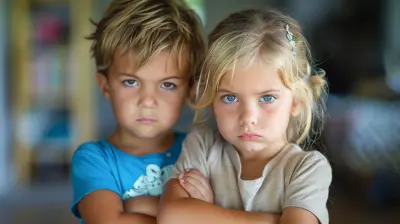
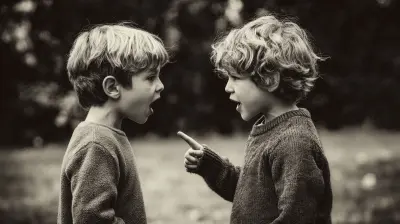
Let’s be honest — if you’ve got more than one kid at home, you’ve probably witnessed what feels like an all-out WWE smackdown between them. One minute they’re best friends building forts, and the next, someone’s screaming because the other “looked at them funny.” Sound familiar? Raising kids can sometimes feel like you’re running a mini United Nations summit where everyone thinks they’re the boss.
But here’s the good news: Sibling conflict is totally normal. The even better news? You can do a lot to encourage harmony and build strong sibling bonds that last a lifetime.
In this in-depth guide, we’ll chat about simple, actionable ways to foster peace, mutual respect, and (believe it or not) love between your kiddos.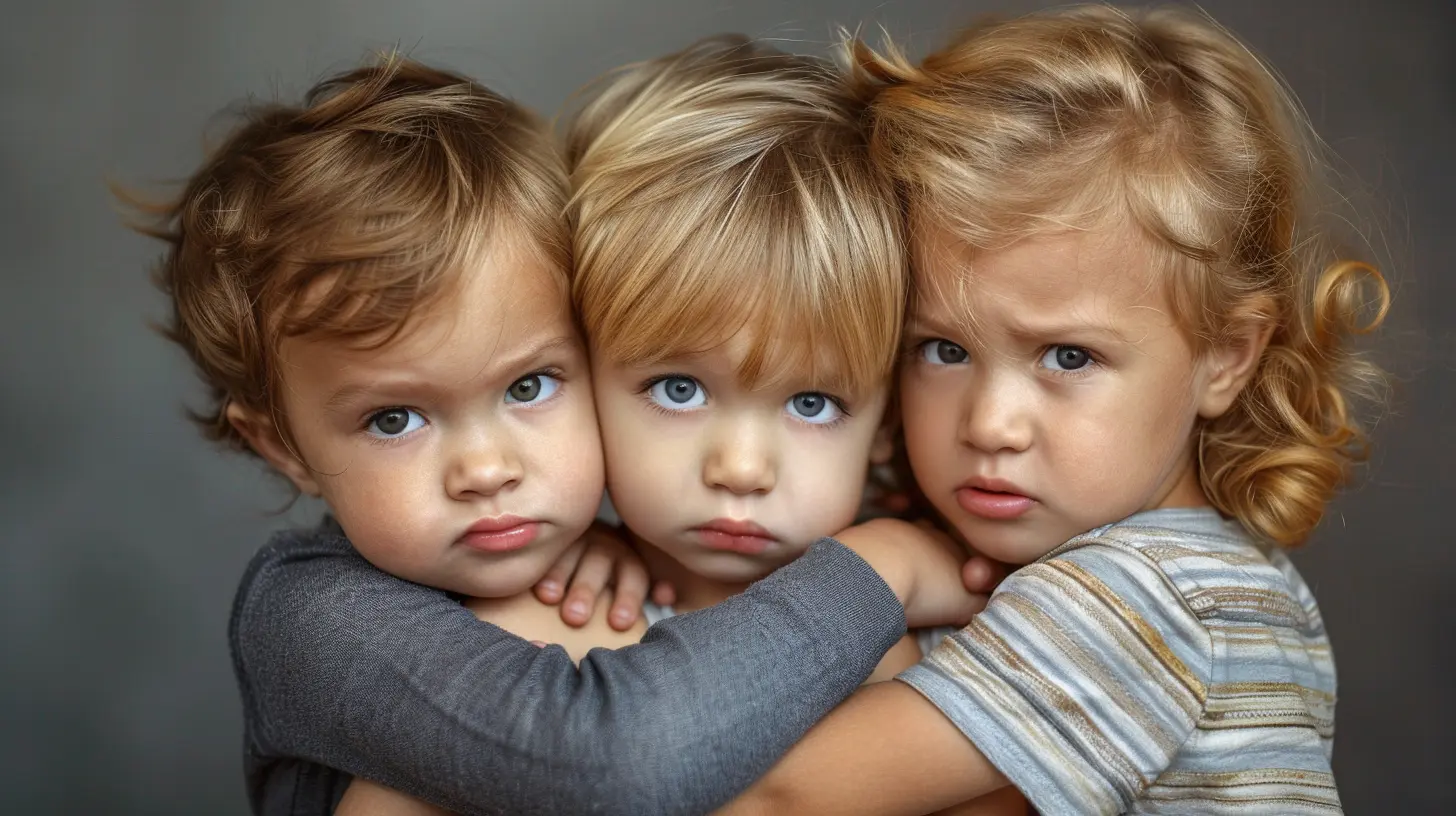
Why Sibling Harmony Matters
Before we dive into the how, let’s talk about the why. Why stress about keeping the peace between your kids?Well, it’s not just about reducing noise and eliminating the he-said-she-said battles. Sibling relationships hugely impact emotional development. Through these early relationships, kids:
- Learn conflict resolution skills
- Develop empathy
- Understand fairness and compromise
- Create lifelong support systems
Basically, the sibling relationship is a practice ground for handling relationships out in the big wild world. So yeah, it’s kind of a big deal.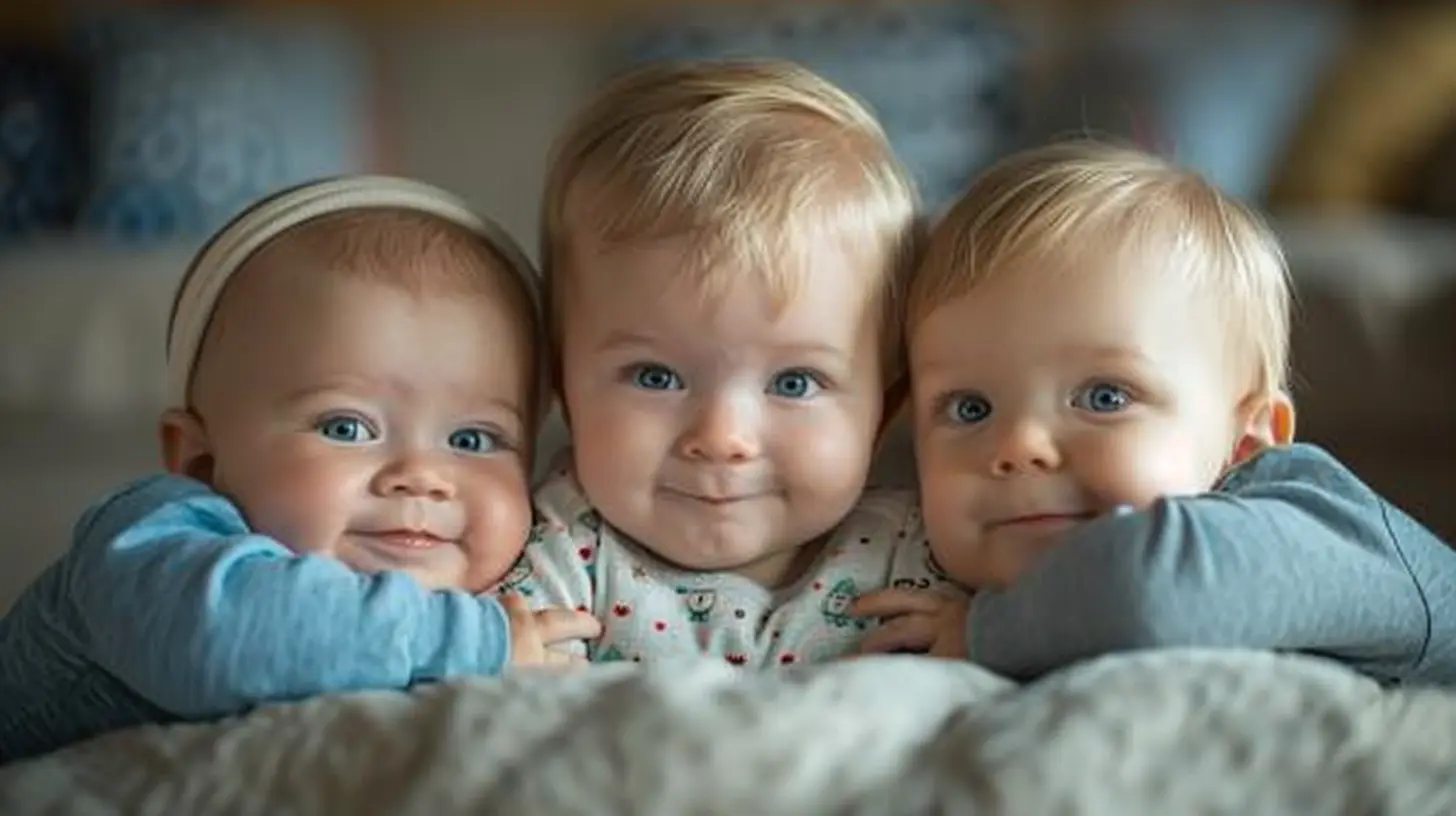
Understand the Root of the Rivalry
Before you can fix the friction, you need to figure out what’s causing it. Most sibling squabbles boil down to one major root: attention. Let’s face it — kids are wired to fight for your time and love. Even if you’re spreading yourself out like peanut butter on toast, someone will always want more.Other major triggers:
- Age differences (different interests = more friction)
- Personality clashes
- Competition for resources (toys, space, screen time)
- Stress at school or from outside influences
The key? Step back and observe. Don’t rush to fix every fight. Watch and listen. Sometimes, what seems like a silly spat over Legos is actually your younger one crying out, “Hey, pay attention to me!”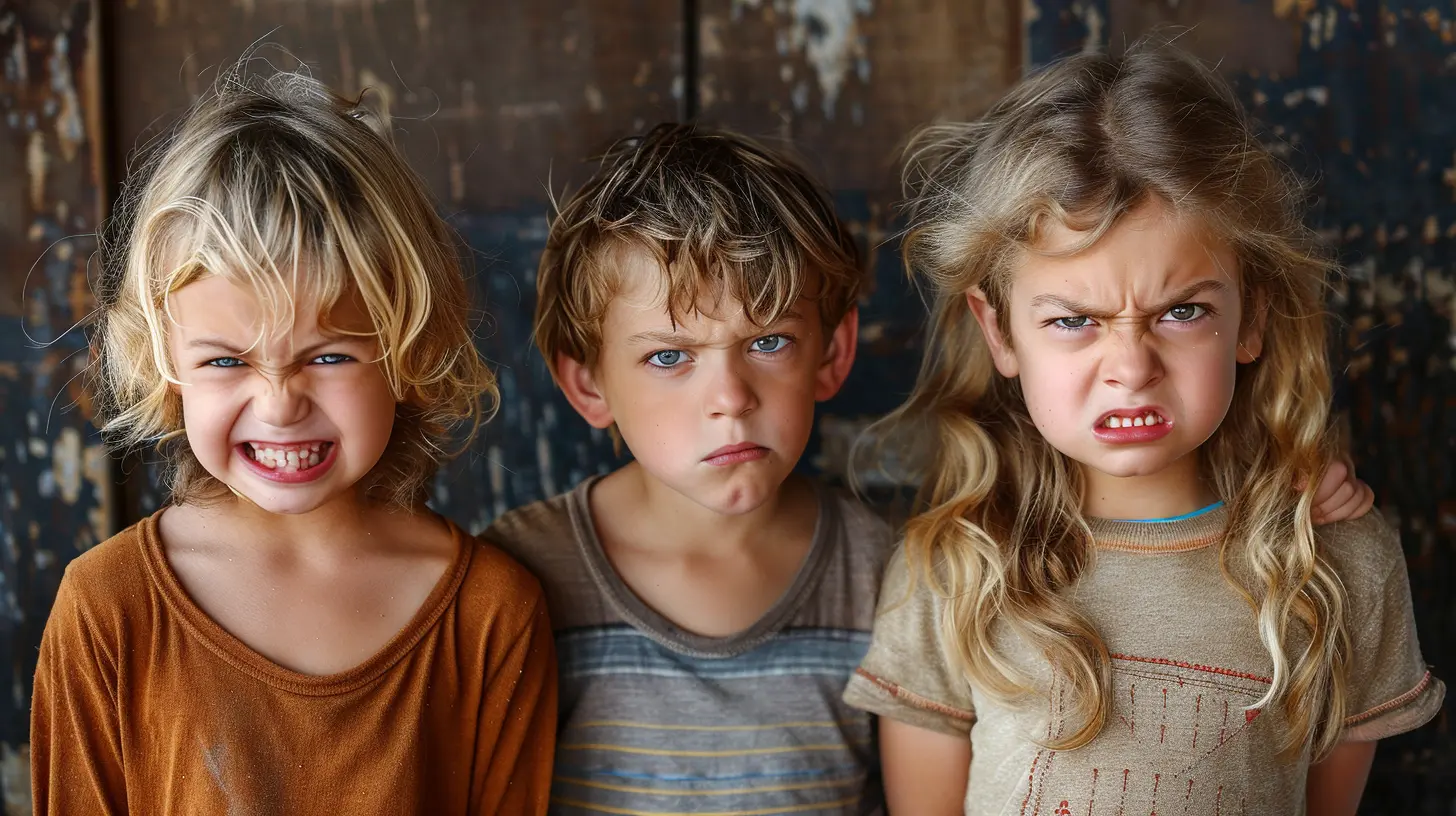
Set the Tone as the Parent
You’re the captain of this ship, and your tone sets the course. If you handle conflict with shouting, sarcasm, or side-taking, guess what behavior your kids will mimic?Instead:
- Stay calm (yes, even when they’re yelling — especially then!)
- Be neutral during disputes
- Focus on guiding, not punishing
Here’s a little trick: Narrate what’s happening like a sports commentator. “I see that Jamie wants to play with the blue car, and Alex had it first. What can we do to figure this out together?” This helps kids understand both perspectives without feeling judged or blamed.
Teach Conflict Resolution Skills Early
Don’t wait until they're teens to start teaching them how to handle arguments. The earlier they understand how to resolve conflict, the better.Some kid-friendly techniques:
- Use “I feel” statements: “I feel upset when you take my toy.”
- Practice active listening: One talks, the other listens, then switch.
- Introduce the concept of compromise: Sometimes you meet in the middle.
You’ll probably have to model this over and over before it sticks. Think of it like teaching them how to tie their shoes — repetition is key.
Celebrate Their Individuality
Comparison is the thief of sibling peace. If your kids feel like they’re constantly being measured against each other, resentment will creep in fast.Here’s how to avoid that trap:
- Praise each child for unique strengths
- Never say things like, “Why can’t you be more like your sister?”
- Celebrate their differences — one might love art, the other sports. That’s awesome!
Think of your kids like ingredients in a recipe. Each one brings their own flavor. You wouldn’t want all salt or all sugar, right?
Schedule One-on-One Time With Each Child
Want a cheat code to reduce sibling rivalry? Spend quality, distraction-free time with each child. Even just 15 minutes a day can make a huge difference.Why does this work so well?
Because it reassures them they’re seen and valued. When kids know they don’t have to fight for your attention, the competition fades.
Pro tip: Let them choose the activity — even if it’s something silly like pretending to be dinosaurs or building a pillow fort. It’s about presence, not perfection.
Encourage Teamwork Over Competition
We live in a world where kids are constantly being ranked — in school, in sports, even in online games. So it’s your job to balance that out at home.Look for ways your kids can work together:
- Tidy up as a team (rather than singling one out)
- Do puzzles or games that require cooperation
- Encourage them to support each other’s goals
When they start to see each other as teammates instead of rivals, everything shifts. You’ll go from “Don’t touch my stuff!” to “Here, I saved this for you.”
Okay, maybe not overnight. But it’ll happen!
Create Family Rituals That Bond
Rituals create rhythm and security. Think of them like glue that holds your family together — especially during times of change.Ideas for bonding rituals:
- Weekly family game night
- Make-your-own-pizza Fridays
- Bedtime story circles
- “Compliment chain” at the dinner table (everyone gives a kind word to someone else)
These little traditions create positive shared memories and help your kids associate family time with connection and warmth — not chaos and conflict.
Teach Empathy Through Everyday Moments
Empathy isn’t something you can force, but you can definitely encourage it. Use real-life situations to point out other people's feelings.For example:
- “Looks like your sister's sad because you broke her toy. How do you think she feels right now?”
- “Your brother’s nervous about his test tomorrow. What could we do to help him feel better?”
The more often they put themselves in each other’s shoes, the more likely they are to act with kindness instead of competition.
Don’t Play Referee Too Quickly
It’s tempting to jump in and fix every issue. Especially when the yelling is making your ears ring. But here’s the twist — sometimes it’s better if you don’t.Kids learn a lot when they’re left to sort things out (within reason, of course — no hair pulling or headlocks). Let them try to solve small conflicts on their own.
Guide them with questions like:
- “What’s a fair way to handle this?”
- “How can you both win here?”
When you stop always being the fixer, they start becoming problem-solvers.
Be Consistent With Rules and Consequences
Nothing sparks battles faster than unfairness. When expectations are clear, it takes the guesswork (and the groundwork for fights) out of the equation.Make sure:
- Everyone knows the rules (post them if needed!)
- Consequences are the same for similar behavior
- You follow through every time
Kids have a sixth sense for inconsistency. If one gets away with something while the other’s punished, brace yourself for fireworks.
Monitor Media & Avoid Negative Sibling Tropes
Think about the shows your kids watch. Are siblings always teasing or putting each other down? The media often glorifies sibling rivalry — and kids notice.Balance that by:
- Watching shows or reading books that show positive sibling relationships
- Talking openly about the differences between entertainment and real life
- Creating your own bedtime stories where siblings team up to conquer challenges
It sounds minor, but trust me — it reinforces the idea that siblings can be allies, not enemies.
Respect Their Space and Privacy
Even the best of friends need a break sometimes. And the same goes for siblings.Help your kids understand that it’s okay to need alone time. Make sure each child has:
- A designated space that’s theirs
- Permission to say “I need space right now”
- A way to decompress after a conflict
Think of it like a timeout... but not as punishment. More like a reset.
Know When to Get Professional Help
If the fighting turns physical, becomes constant, or starts impacting your child’s mental health, don’t hesitate to reach out for support. A family therapist can give everyone the tools to navigate the storm.As parents, we’re not supposed to have all the answers. Asking for help is a sign of strength, not failure.
Final Thoughts
Fostering harmony between siblings isn’t about creating a perfect household where no one ever argues (which doesn’t exist, by the way). It’s about equipping your kids with the tools to handle conflict, celebrate differences, and love each other fiercely — even when they disagree.And remember, this is a journey. There will be messy days, loud ones, and moments when you think, “Why are they like this?!”
But there will also be hugs, shared secrets, and the kind of bond that only grows stronger over time. Your job? Keep showing up, guiding, and loving them through it all.
You’ve got this, parent warrior.
all images in this post were generated using AI tools
Category:
Sibling JealousyAuthor:

Austin Wilcox
Discussion
rate this article
2 comments
Kestrel Garcia
Excited to explore new strategies for sibling harmony—every family dynamic is uniquely beautiful!
April 11, 2026 at 4:07 AM
Austin Wilcox
Thanks for your enthusiasm! Every family's journey to harmony is indeed special. Looking forward to hearing your thoughts as you explore these strategies!
Isla Erickson
This article offers such thoughtful insights! I'm eager to explore new strategies for nurturing sibling relationships—curiosity always leads to better understanding and harmony at home!
April 10, 2026 at 2:59 AM
Austin Wilcox
Thank you for your kind words! I'm glad you found the insights helpful. Exploring new strategies can make a big difference in nurturing those sibling bonds. Enjoy the journey!