How to Introduce Chores to Preschoolers with Patience
13 June 2026
Let’s be real—getting a preschooler to do chores can feel like trying to herd cats. They're cute, curious, and full of energy, but structured tasks like folding laundry or wiping down tables? That’s not exactly on their list of favorite pastimes. But guess what? It doesn’t have to be a battle of wills. With the right mindset, a dash of creativity, and a whole lot of patience, you can gently usher your little one into the world of responsibility—without losing your sanity.
In this article, we’ll break down the best ways to introduce chores to preschoolers and help them take pride in helping out. Whether you're a parent, caregiver, or someone just trying to survive the chaos of raising a tiny human, this is for you.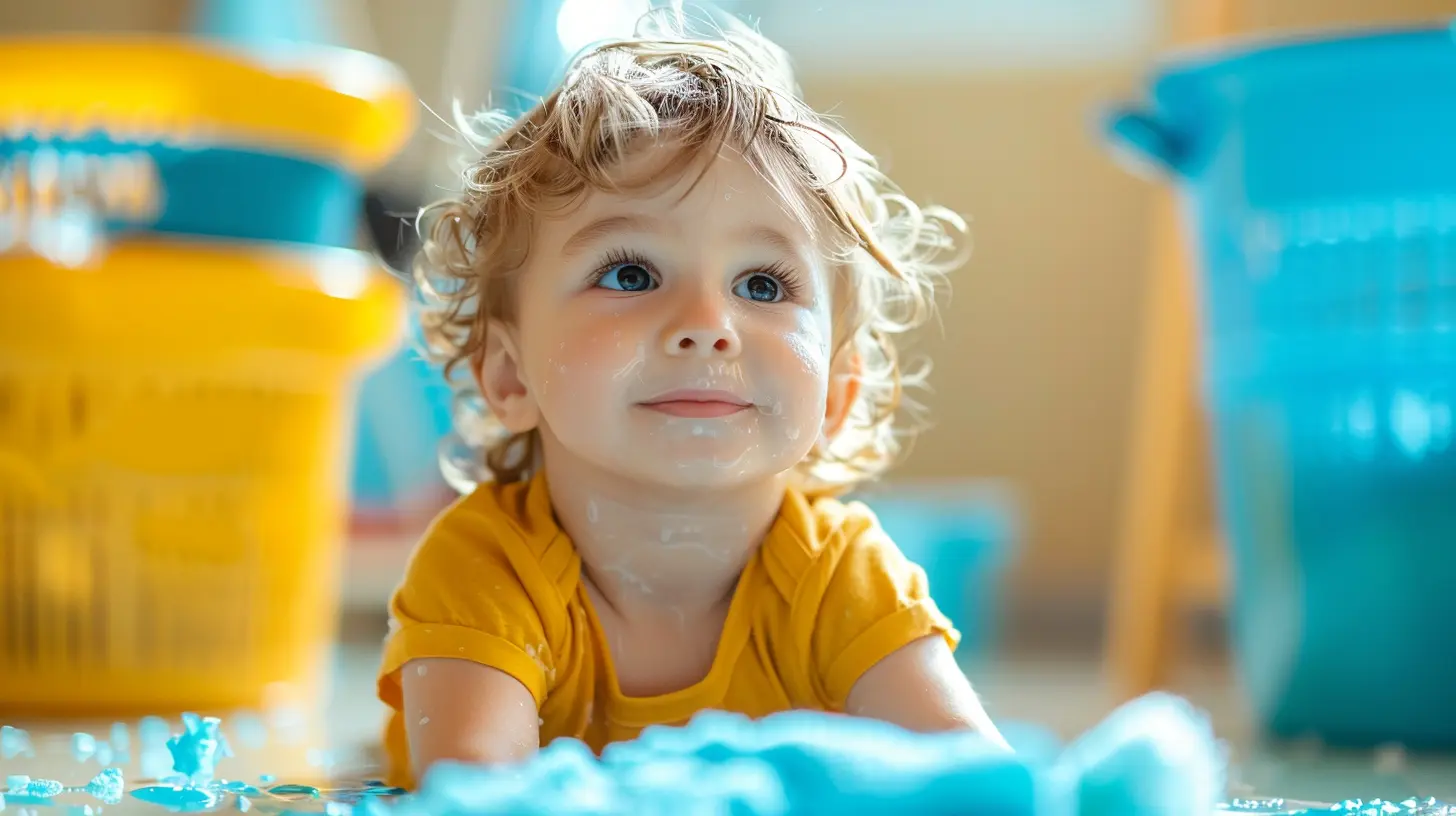
Why Start Chores in the Preschool Years?
You might be thinking, “They’re only three. Isn’t that too young?” Actually, it’s the perfect time. Preschoolers love to mimic adults. Ever caught your child pretending to cook, clean, or drive? That’s your golden opportunity.Chores at this age aren’t about perfection—they’re about participation. The goal isn’t to have them scrub the floors spotless; it’s to develop responsibility, independence, and confidence. Plus, they’re more likely to continue being helpful if you start early.
Set the Right Expectations (Spoiler Alert: It Won’t Be Perfect)
Let’s toss the idea of perfect execution right out the window, okay? Your child folding socks will look nothing like your neat, color-coded Marie Kondo masterpiece. And that’s fine.The point is to focus on effort over outcome. Preschoolers are still mastering fine motor skills and usually have the attention span of a goldfish. Keep your expectations age-appropriate—think tiny tasks, not full-blown duties.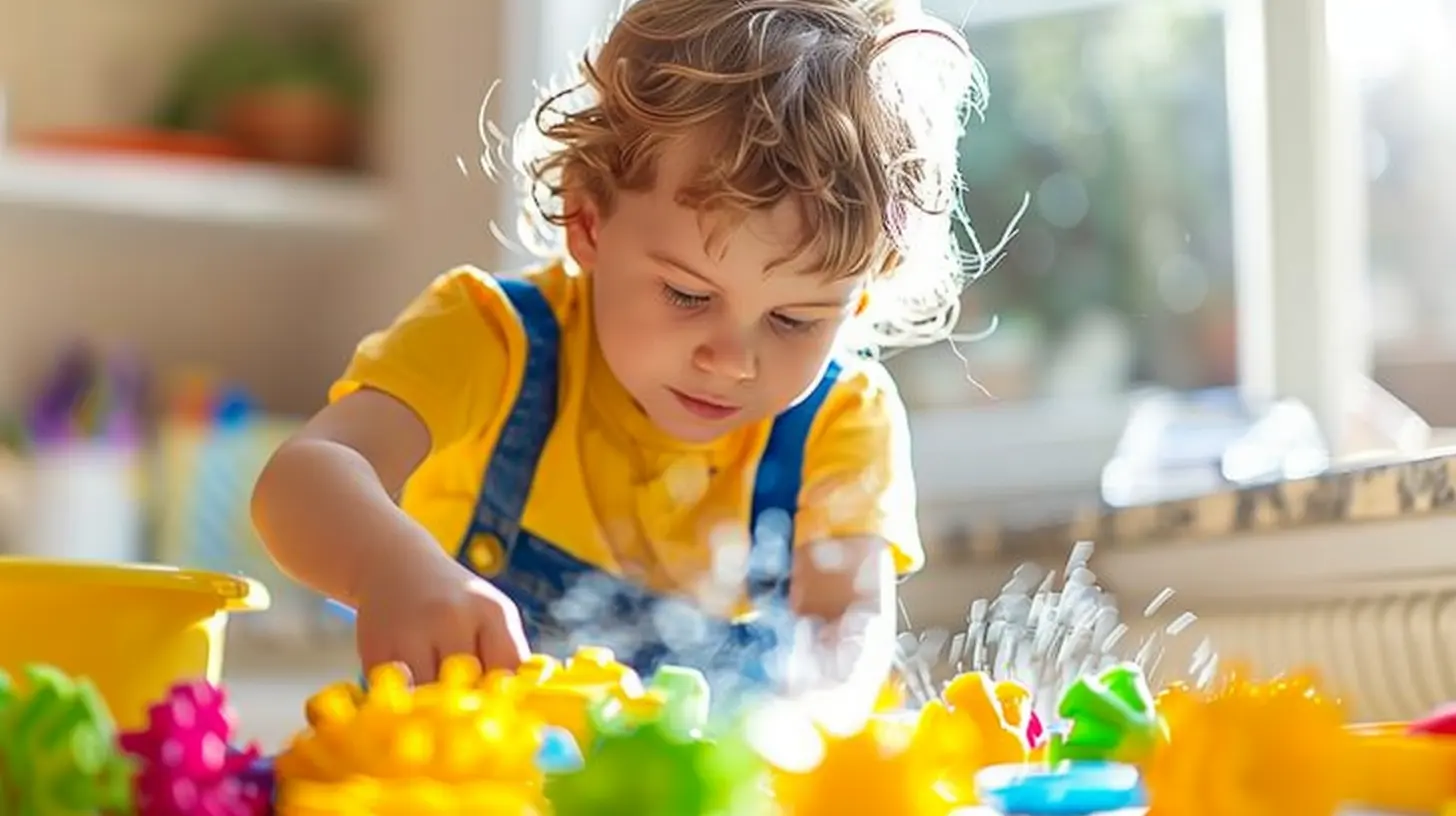
Keep It Simple: Age-Appropriate Chores for Preschoolers
Let’s lay out a few chores that are perfect for preschool-age kids (ages 3-5):- Putting toys back into bins
- Throwing dirty clothes into the laundry basket
- Wiping the table with a damp cloth
- Watering plants with a small cup
- Feeding the pet (with supervision)
- Matching socks
- Putting spoons and forks into the drawer
These tasks are low-risk, easy to explain, and just the right size to make your kid feel like they're really contributing.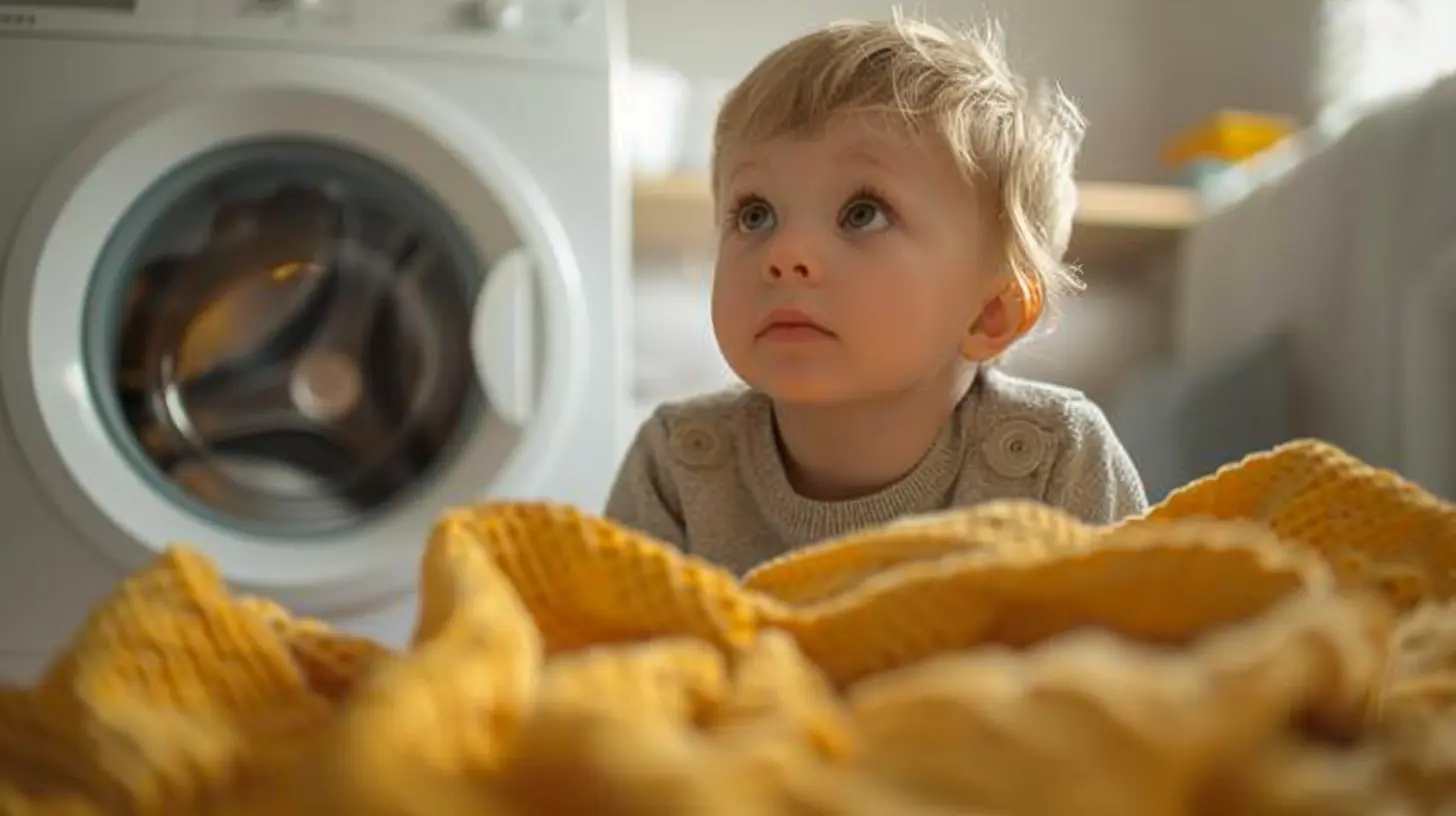
Use Routine, Not Randomness
Preschoolers thrive on routine. Their world is chaotic enough with big feelings, new experiences, and tons of learning. Adding chores as part of a predictable pattern helps them feel secure.For example:
- After playtime → put toys away
- After dinner → help wipe the table
- Before bedtime → put dirty clothes in the hamper
Turning chores into habits makes them feel like a normal part of everyday life—not a punishment or a big deal.
Make Chores Fun (Seriously, It’s Possible)
The secret sauce? Make it a game.You can say things like:
➡️ “Let’s race to see who can pick up more toys!”
➡️ “Can you find the matching sock for this one like a detective?”
➡️ “Let’s set a timer and see if we can beat the clock!”
When chores feel fun or even a little silly, kids are more likely to jump in. Play music, dance around while cleaning up, or give their cleaning rag a superhero name. Be creative—it works wonders.
Use Positive Reinforcement (Hugs Over Harsh Words)
Imagine working really hard and hearing only criticism. Deflating, right? Kids are no different. Celebrate their effort, even when it’s imperfect.Say things like:
- “I love the way you helped me put the books back!”
- “You’re getting so good at feeding the dog, thank you!”
- “That was such a big-kid thing to do, I’m proud of you.”
A little praise goes a long way. And yes, a sticker chart or a high-five dance party totally counts as reinforcement.
Modeling Helps Big Time
Kids are natural copycats—your mini-me is always watching. So, if you want them to take chores seriously, you’ve gotta lead by example.Let them see you making the bed, tidying up, or doing the dishes with a positive attitude. You can even narrate it: “Now I’m folding the towels and putting them here. Next I’ll sweep the floor.”
When you model behavior with patience and consistency, they’ll learn that chores are just part of daily life.
Let Them Take Ownership (Even If It’s Slower)
This one’s tough for many of us. It’s so tempting to jump in and “fix” whatever they’re doing. But resist the urge.Let them do it their way—even if it’s not perfect or fast. When children feel a sense of control, they’re more likely to stay engaged. Ask them questions like:
➡️ “Where do you think this toy should go?”
➡️ “How do you want to water the plant today?”
➡️ “Would you like to do one big chore or two little ones?”
Giving choices empowers them and reduces resistance.
Be Patient—Like Turtle-Level Patient
Look, this isn’t going to be an overnight transformation. Some days your preschooler will be super into it, and other days they’ll pretend the toy bin doesn’t exist. That’s normal.Patience is your best friend here. Repeating instructions, keeping a calm tone, and staying consistent will eventually pay off. Remember, you’re playing the long game.
Think of it like planting a seed—it won’t sprout overnight, but with enough sunlight (your encouragement) and water (your patience), it will grow.
Avoid Bribery But Consider Rewards Wisely
There's a fine line between motivation and manipulation. Try not to dangle rewards like candy or screen time for every chore completed. That can set a precedent that says, “I only help when I get something.”Instead, aim for intrinsic motivation. Teach them that helping is its own reward—because it feels good to contribute.
That said, occasional surprise perks (like a sticker, storytime, or a special choice for dinner) are okay as part of a balanced approach. Keep it exciting but not transactional.
Watch Your Language
Ever notice how the way we say things influences how kids respond? Replace commands with invitations. Instead of barking orders, try phrasing that’s more inviting:- “Let’s clean up together!”
- “Can you be my special helper?”
- “Would you like to start with your blocks or your books?”
It’s amazing how a tiny shift in words can make a massive difference in cooperation.
Turn “Mistakes” Into Moments
If your preschooler spills water while feeding the cat or puts their clean shirt in the dirty laundry—you’ve got a teaching moment.Instead of snapping or correcting harshly, take a breath and say, “Oops! That’s okay, let’s fix it together.” You're teaching problem-solving, not perfectionism.
Mistakes are how kids learn. And how we respond to them teaches them even more than the task itself.
Encourage Progress, Not Perfection
At the end of the day, the goal isn’t to have a shiny-clean house or a task-master toddler. It’s to build life skills, confidence, and a sense of teamwork.If your preschooler helps clean up their crayons and sings while doing it—even if they miss a few—it’s still a win.
Celebrate progress. Notice the little wins. Keep the big picture in mind.
Conclusion: It’s a Journey, Not a Sprint
Introducing chores to preschoolers with patience isn’t about turning them into miniature housekeepers. It’s about teaching life skills in a fun, loving, and positive way. It’s about building connection, confidence, and consistency.Will there be resistance? Absolutely. Tears? Probably. But also… laughter, bonding, pride, and growth.
So don’t stress over the crumbs left behind or the mismatched socks. You’re teaching your little one how to live in the world—and that’s a pretty amazing thing.
all images in this post were generated using AI tools
Category:
Chores For KidsAuthor:

Austin Wilcox
Discussion
rate this article
1 comments
Kimberly McIntire
Great tips on introducing chores to preschoolers! Starting small and making it fun really helps instill a sense of responsibility. Patience is key for both parents and kids. Thanks for sharing!
June 15, 2026 at 3:19 PM
Austin Wilcox
Thanks for your thoughts! I'm glad you found the tips helpful. Patience really does make a difference.