When School Refusal Is Linked to Anxiety: What Parents Can Do
18 June 2026
Every parent dreams of waving their child off to school with a smile, watching them grow and learn each day. But what happens when that simple, everyday routine turns into a battle? School refusal—when a child outright refuses to go to school—is more common than you might think. And in many cases, it’s not just about not wanting to go; it’s deeply tied to something bigger: anxiety.
If you're a parent dealing with this, you’re not alone. It's tough, no doubt. But with the right tools, strategies, and mindset, you can support your child and ease the overwhelming feelings both you and your little one are experiencing.
Let’s break it down step by step, so you feel ready to handle this tricky situation with both compassion and confidence. 
What Is School Refusal?
Before we dive into the “why,” let’s get clear on the “what.” School refusal isn't just a child saying, "I don’t feel like going to school today." This is different from playing hooky or the occasional tummy ache excuse. School refusal is intense, persistent, and emotionally charged.It often looks like:
- Sudden tears or tantrums when it's time to leave for school.
- Complaints of physical symptoms like stomachaches or headaches (that miraculously disappear when staying home is an option).
- Begging, pleading, or even hiding to avoid school.
Sounds familiar? The thing is, these behaviors are often a sign of something deeper. And for many kids, that “something deeper” is anxiety. 
How Anxiety Plays a Role
Anxiety isn’t just for adults. Kids feel it too—sometimes even more intensely. Imagine walking into a party where you don’t know anyone and feeling the walls close in. For an anxious child, school can feel like that every day.Some common anxiety triggers for school refusal include:
- Social Anxiety: Fear of judgment, bullying, or trouble forming friendships.
- Separation Anxiety: Worrying about being away from parents or caregivers.
- Performance Anxiety: Feeling overwhelmed by academic pressures or the fear of failing.
What’s tough is that anxiety doesn’t always show up as, “I’m scared.” Instead, it can disguise itself as anger, physical illness, or even avoidance. That’s why it's so important to get to the root of the problem instead of just addressing the behavior. 
Recognizing the Signs of Anxiety in Children
Spotting anxiety isn’t always straightforward. It’s not like a fever or a scraped knee. Sometimes, the signs sneak up on you. But knowing what to look for can make a world of difference.Watch out for:
- Frequent headaches, stomachaches, or general complaints of not feeling well (especially on school mornings).
- Changes in sleep patterns—either having trouble falling asleep or waking up in the middle of the night.
- Being unusually clingy or expressing constant worry (e.g., “What if something bad happens while I’m gone?”).
- Withdrawal from friends or activities they used to enjoy.
- Sudden outbursts of anger, frustration, or tears over seemingly small things.
Does some of this sound familiar? If so, your child might not just be avoiding school—they might be crying out for help. 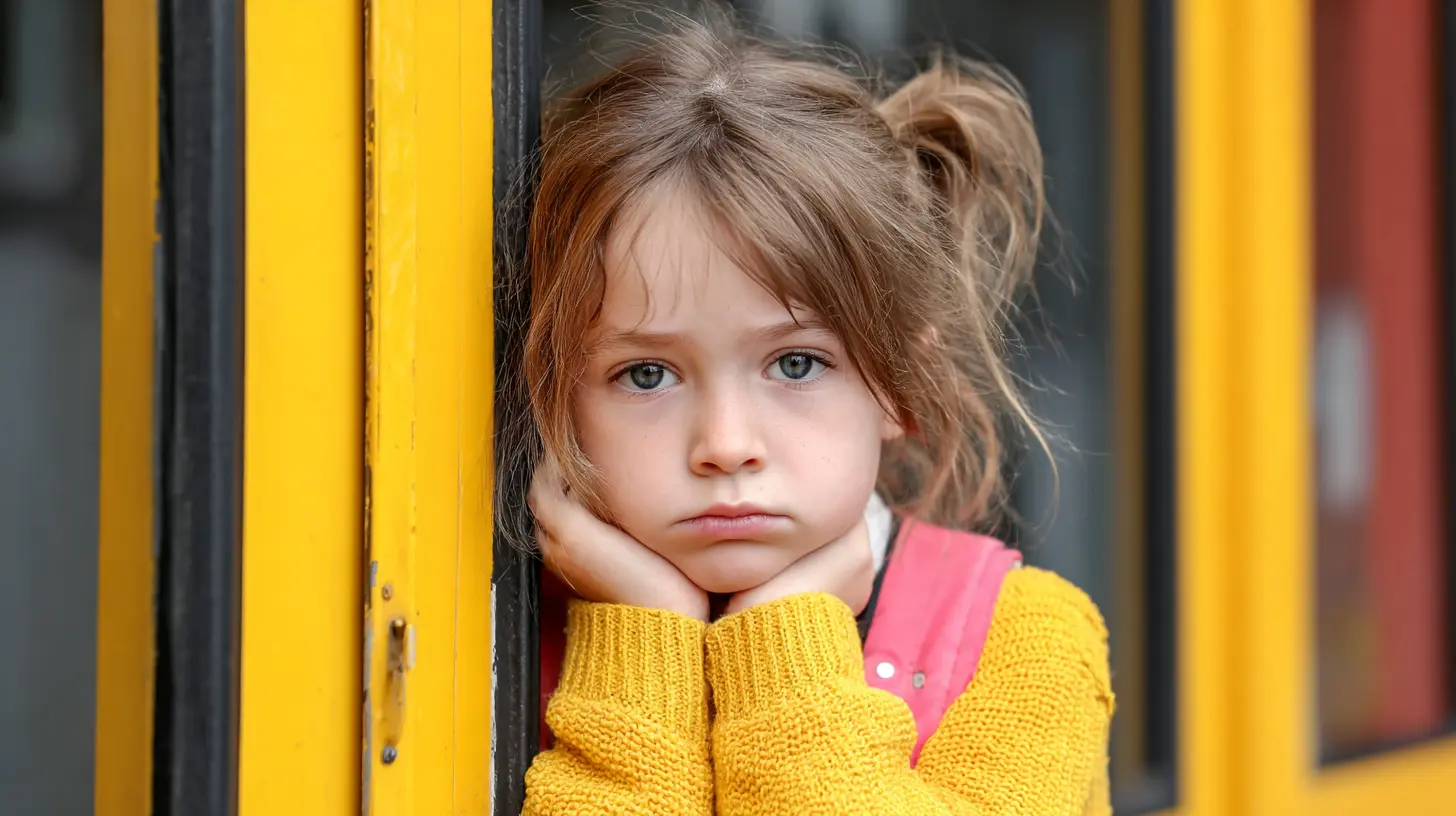
What Parents Can Do
Here’s where it gets tricky. While school refusal and anxiety can feel overwhelming, there are practical steps you can take to help your child through this. It’s not about “fixing” them but rather guiding them to feel safe, supported, and empowered.1. Listen Without Judgment
First things first: just listen. When your child says, “I don’t want to go to school,” resist the urge to lecture or dismiss their feelings. Instead, ask open-ended questions like:- “What makes school hard for you right now?”
- “What’s the hardest part of your day?”
Give them space to open up, and remember—you don’t need to have all the answers right away.
2. Validate Their Feelings
Here’s the thing: Your child’s fear is real to them, even if it doesn’t make sense to you. Saying things like, “You’ll be fine” or “There’s nothing to worry about” might come from a good place, but it can feel dismissive to an anxious child.Instead, try something like:
- “I see that you’re feeling really scared. That’s okay—it happens to a lot of people.”
- “It’s normal to feel nervous about school sometimes. Let’s figure this out together.”
Sometimes, just knowing they’re not alone can ease their feelings.
3. Work With the School
Don’t think you have to tackle this alone. Teachers, school counselors, and principals are there to help. Set up a meeting to discuss your child’s struggles and create a plan.Ask about:
- Flexible attendance options (e.g., starting with shorter school days).
- In-school support like counseling sessions or quiet spaces for overwhelmed students.
- Peer buddy programs to help with social challenges.
Remember, you're not the first parent to approach the school about anxiety-related issues. They’re there to support you!
4. Practice Baby Steps
Rome wasn’t built in a day, and overcoming anxiety doesn’t happen overnight. Help your child take small, manageable steps toward facing their fears.For example:
- Start with a short visit to the school during off-hours to get them comfortable with the environment.
- Gradually transition from half-days to full days, depending on what works best for your child.
- Reward progress, no matter how small.
Think of it like training wheels on a bike—they’ll need them for a while, but eventually, they’ll ride on their own.
5. Build a Toolbox for Coping
Equip your child with tools to manage their anxiety. Some ideas include:- Breathing Exercises: Simple techniques like “square breathing” (inhaling for 4 counts, holding for 4, exhaling for 4, and holding again) can be a lifesaver.
- Positive Self-Talk: Teach them to replace thoughts like, “I can’t do this” with, “I’ll try my best, and that’s okay.”
- “Worry Time”: Set aside a specific time each day to talk about their worries, so it doesn’t take over their entire day.
These tools won’t eliminate anxiety, but they can make it more manageable.
6. Seek Professional Help
Sometimes, school refusal and anxiety require more than just at-home support. If your child’s anxiety is severely impacting their daily life, don’t hesitate to reach out to a professional. Therapists, especially those trained in Cognitive Behavioral Therapy (CBT), can help your child learn how to face and navigate their fears.Taking Care of Yourself as a Parent
Let’s not forget about you—this is hard! Watching your child struggle and not knowing how to help can make you feel helpless, frustrated, and even guilty.But here’s the truth: You can’t pour from an empty cup. Make sure you’re taking time to recharge and connect with other parents who’ve been through similar situations. Parenting is tough, and it’s okay to lean on a support system.
The Light at the End of the Tunnel
Here’s the good news: With patience, consistency, and support, kids can and do overcome school refusal linked to anxiety. It’s not easy, but it’s possible. Think of this as a season in their life—a challenging one, sure, but not one that lasts forever.You’re not just teaching them how to go to school; you’re teaching them how to face hard things, and that’s a lesson that will carry them through life. Keep showing up, keep supporting them, and remember: You’re their biggest ally in this battle.
all images in this post were generated using AI tools
Category:
Dealing With AnxietyAuthor:

Austin Wilcox
Discussion
rate this article
1 comments
Theodore McFarlin
Understanding the link between school refusal and anxiety is crucial for parents. Open communication and supportive strategies can make a significant difference. Early intervention can help children feel safe and encouraged to attend school.
June 19, 2026 at 2:20 PM
Austin Wilcox
You're absolutely right. Open communication and early intervention can really help children navigate school anxiety. Parents play a key role in providing the support they need.