How to Raise Socially Confident Kids in 2026
20 April 2026
As the world shifts and changes, so do the challenges our children face in their social lives. The digital age has brought about a whirlwind of experiences, and in 2026, raising socially confident kids is more crucial than ever. But how do we navigate this intricate maze of social interactions, digital landscapes, and emotional complexities? Buckle up, because we're about to dive deep into this fascinating journey of parenting!

Understanding Social Confidence
Before we jump into the practical steps, let’s first understand what social confidence really is. Think of it as a warm, cozy blanket that wraps around your child, empowering them to interact with others without fear or hesitation. It’s that spark that allows them to express themselves, make friends, and handle social situations with grace.But why is this important? Well, social confidence isn’t just about being the life of the party. It lays the foundation for their future—academically, professionally, and personally. Kids who feel confident in social settings are more likely to become leaders, build strong relationships, and maintain good mental health. So, let’s get our parenting toolkit ready for 2026!

Creating a Safe Space
Build Open Communication
First things first: communication is key. Establishing an open line of dialogue with your kids is like giving them a secret map to navigate the social world. Ask them about their day, their friends, and how they feel in different situations. And remember, it’s not just about talking; it’s about listening. When your child knows they can express their feelings without judgment, it cultivates trust and encourages them to share more.Encourage Authenticity
In a world filled with filters and curated personas, it’s essential to teach kids the value of being themselves. Encourage them to embrace their quirks, whether it’s that odd hobby or unique way of expressing themselves. Remind them that authenticity is magnetic; it attracts genuine friendships and connections. After all, who wants to be friends with someone who's always wearing a mask?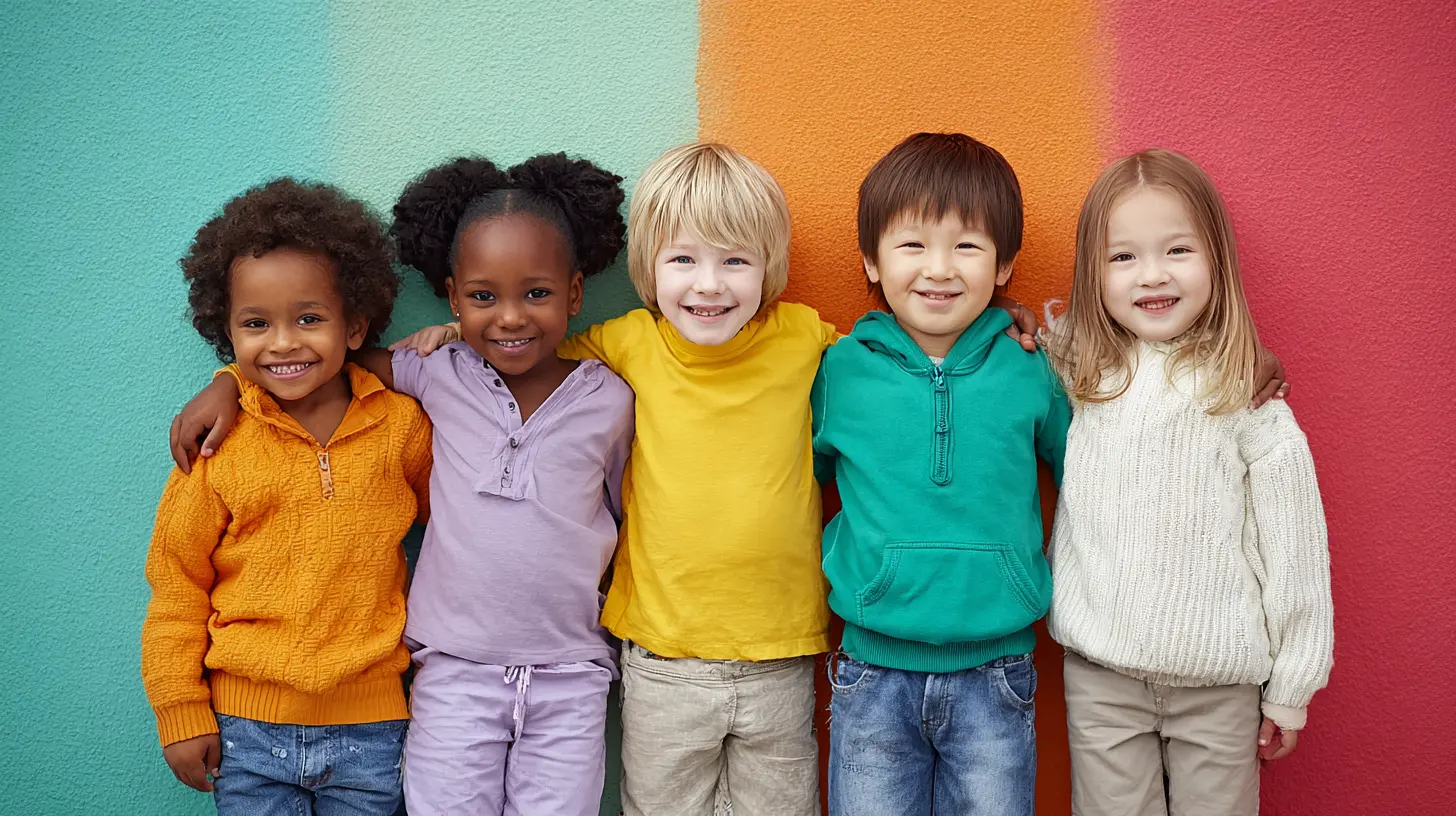
Social Skills Development
Role-Playing Scenarios
Let’s face it—social situations can be awkward, even for adults! So why not make it fun for kids? Use role-playing as a tool to practice various social scenarios. Set up mock situations at home where they can practice introducing themselves, asking for help, or even handling conflict. It’s like a rehearsal for the grand play of life! Plus, it gives them the confidence to tackle real-world interactions.Group Activities
Encourage your kids to take part in group activities—sports, art classes, or even community service. These experiences are like treasure hunts for social skills. They teach collaboration, empathy, and conflict resolution. When kids work together, they learn to appreciate diverse perspectives and develop the confidence to express their own. Plus, it’s a fantastic way to make new friends!
Navigating the Digital Landscape
Digital Communication
In 2026, the digital world is more intertwined with our daily lives than ever before. Teaching your kids how to navigate this virtual space is vital for their social confidence. Help them understand the nuances of digital communication—tone, emojis, and the importance of context. It’s like giving them a toolkit for online interactions, ensuring they can express themselves clearly without losing the personal touch.Setting Boundaries
While technology can be a powerful tool for connection, it’s essential to set boundaries. Encourage your kids to balance their online interactions with real-life experiences. Perhaps set aside “tech-free” family times where everyone disconnects from their devices and engages in face-to-face conversations. It’s like hitting the reset button on their social batteries!Building Emotional Intelligence
Teach Empathy
Empathy is the heart of social confidence. Teach your kids to recognize and understand the feelings of others. Use stories or real-life situations as teaching moments. Ask them how they think someone might feel in a particular scenario. It’s like putting on a pair of glasses that let them see the world through someone else’s eyes. This understanding not only enhances their social interactions but also fosters deeper connections.Encourage Self-Reflection
After social interactions, encourage your kids to reflect on their experiences. What went well? What could they improve? This practice of self-reflection is like sharpening a tool—it helps them understand themselves better and grow from their experiences. They’ll learn to celebrate their successes and recognize areas for improvement, building resilience along the way.
Fostering a Positive Mindset
Celebrate Efforts, Not Just Outcomes
One of the most effective ways to nurture social confidence is to celebrate your child’s efforts. Did they muster up the courage to speak in front of the class? Celebrate! Did they make an effort to include a new kid at school? Cheer them on! When kids know that their efforts are recognized, they’re more likely to step out of their comfort zones in the future. It’s like watering a plant; the more you nurture it, the more it flourishes!Positive Affirmations
Incorporating positive affirmations into your daily routine can work wonders for your child’s self-esteem. Simple phrases like “You are brave,” “You are kind,” or “You can handle this” can be incredibly empowering. Make it a fun activity—write them on sticky notes and place them around their room or bathroom mirror. It’s like sprinkling a little magic dust on their self-image!Encouraging Friendship Skills
Teach the Art of Small Talk
Small talk might seem trivial, but it’s a vital social skill! Teach your kids how to initiate conversations, ask questions, and keep the dialogue going. Start with simple topics like favorite movies, books, or hobbies. It’s like giving them a key to unlock new friendships. Encourage them to approach new kids at school or in the neighborhood. Who knows what amazing friendships could blossom from a simple “Hi, what’s your favorite game?”Conflict Resolution
Inevitably, conflicts will arise. Instead of shying away from these situations, guide your kids on how to handle them gracefully. Teach them to approach conflicts with empathy and an open mind. Role-play scenarios where they practice expressing their feelings, listening, and finding common ground. It’s like forging a bridge over turbulent waters—helping them navigate the choppy seas of social interactions.
The Role of Parents as Role Models
Model Social Behavior
Kids are like sponges; they soak up everything around them, especially from their parents. Be the social butterfly you want your child to be! Model positive social interactions, whether it’s engaging in conversations with friends or handling conflicts gracefully. Show them how to be welcoming, kind, and respectful. Remember, actions speak louder than words; your behavior sets the tone for their social development.Share Your Experiences
Don’t hesitate to share your own social experiences—both triumphs and challenges. Whether it’s a funny story from your childhood or a recent awkward moment, these anecdotes can help your kids relate. It’s like showing them that everyone stumbles now and then, and that’s perfectly okay!Encouraging Independence
Allow Freedom to Make Choices
Giving your kids the freedom to make social choices is crucial for their confidence. Whether it’s choosing who to invite over for a playdate or deciding which activities to join, let them take the reins. This sense of autonomy empowers them to trust their instincts and develop their social preferences. It’s like letting them fly their own kite; they’ll learn how to navigate the winds of social interactions.Gradual Exposure to New Situations
Introduce your kids to new social situations gradually. Start small—perhaps a playdate with one new friend before moving on to larger gatherings. This approach helps them build confidence step-by-step, rather than overwhelming them. Think of it as climbing a ladder; each rung represents a new experience, leading them to greater heights of social confidence.
Conclusion: The Journey Ahead
Raising socially confident kids in 2026 is like crafting a beautiful tapestry. Each thread—communication, emotional intelligence, empathy, and independence—intertwines to create a rich, vibrant fabric. By nurturing these skills, you’re not just raising confident children; you’re preparing them to navigate the complexities of life with grace and resilience.So, as you embark on this incredible journey, remember to be patient and kind to yourself too. Parenting is a work in progress, just like our kids. Let’s raise a generation of socially confident kids who can light up any room they walk into—because the world needs more of that magic!
all images in this post were generated using AI tools
Category:
Parenting And Social SkillsAuthor:

Austin Wilcox
Discussion
rate this article
2 comments
Mabel Powell
In 2026, fostering socially confident kids requires integrating technology wisely, encouraging diverse interactions, and promoting emotional intelligence to navigate complex social landscapes effectively.
April 25, 2026 at 4:32 AM
Austin Wilcox
Absolutely, balancing technology with real-world interactions and emotional growth is key. It's all about creating a supportive environment for kids to thrive socially.
Aris McCray
Excited to explore fresh ideas for nurturing confidence!
April 20, 2026 at 3:34 AM
Austin Wilcox
I'm glad to hear that! Nurturing confidence is so important, and I can't wait to share more insights.