How to Recognize Anxiety in Your Child Before It Escalates
18 January 2026
As parents, we wear a lot of hats—cook, teacher, cheerleader, nighttime story reader, and emotional safety net. But sometimes, underneath our child’s giggles and chatter, there’s something deeper going on—something we might not notice until it’s already taken root. One of the most common yet overlooked challenges kids face today is anxiety.
Now, here’s the tricky part: anxiety doesn’t always show up waving a giant red flag. Often, it whispers rather than shouts. That’s why it’s so important to recognize the early signs before it turns into something that’s harder to manage.
Let’s take a cozy, honest walk through what anxiety in children really looks like and how we can catch it early—before it escalates.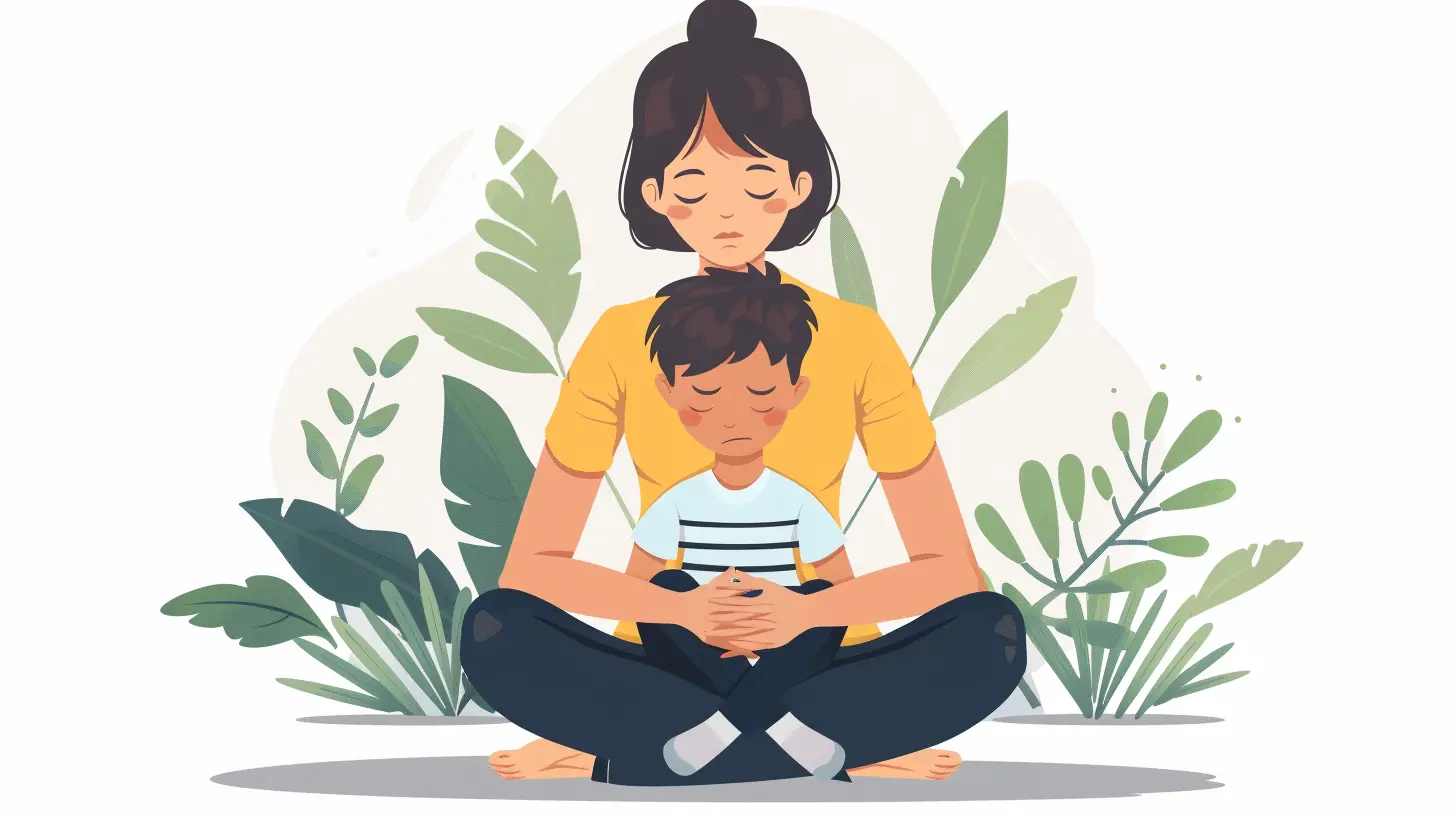
What Exactly Is Anxiety in Children?
Think of anxiety like an overly sensitive smoke alarm. It wants to keep your child safe, but sometimes it goes off when there’s just a little steam from the shower. A healthy dose of nervousness is totally normal. Kids get worried about tests, new schools, or even social situations—that’s just life in miniature.But when that worry starts sticking around like an uninvited guest and interfering with daily life, it becomes something more.
In kids, anxiety can show up differently than it does in adults. They may not say "I'm anxious"—instead, they act out, melt down, or quietly retreat.
So, how do we recognize it before it spirals? Let’s dig into that.
Why Early Recognition Matters
Imagine anxiety as a tiny snowball at the top of a hill. If we catch it early, it’s small and manageable. But if it’s left unchecked, it starts rolling—gathering speed, picking up more snow, and before long, it’s a full-blown avalanche of overwhelming emotions.Early detection is more than just helpful—it’s vital. It means we can give our child the tools they need before they start feeling powerless. It also helps build resilience, confidence, and emotional intelligence.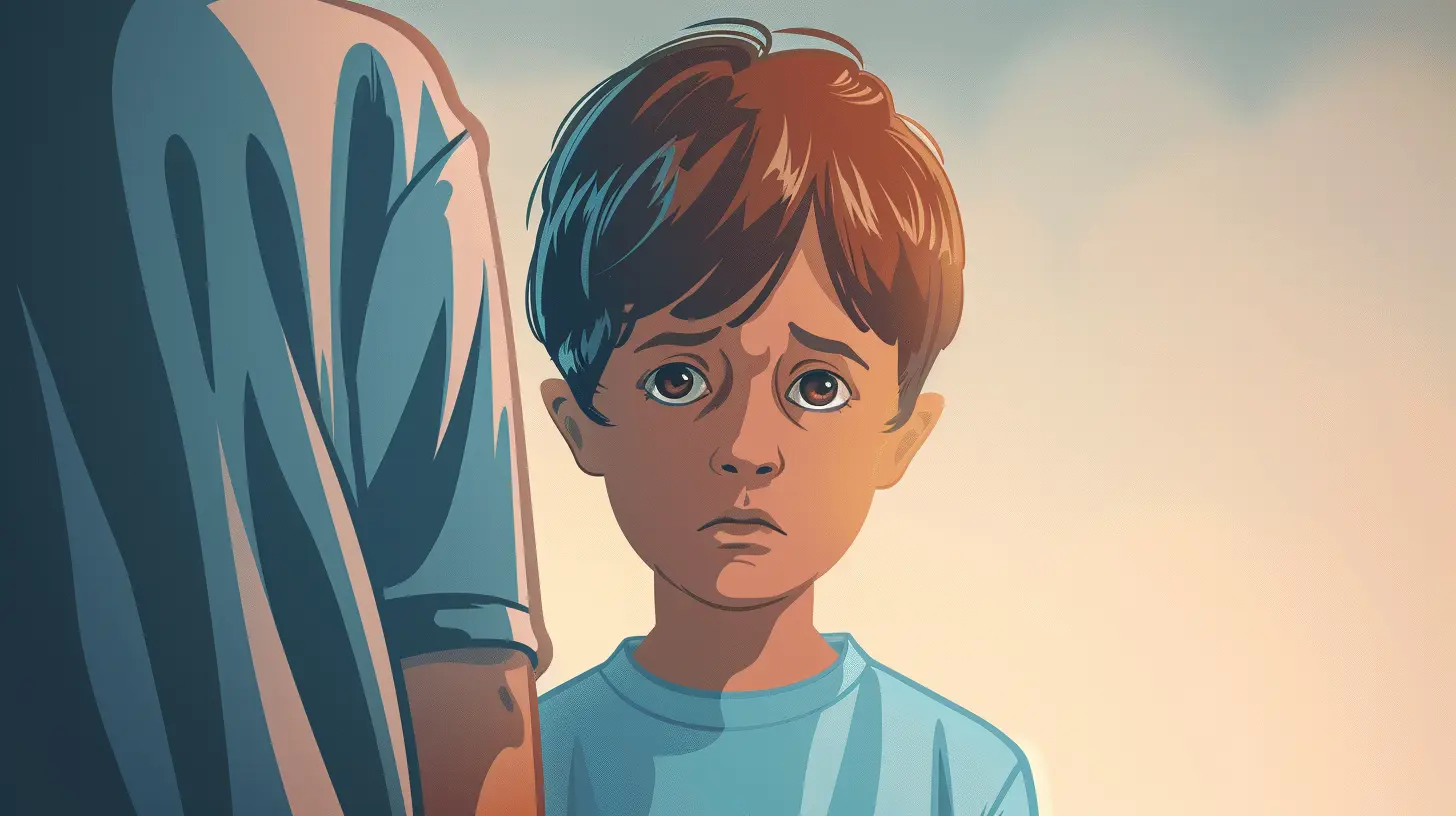
Common Types of Anxiety in Children
Understanding the different “flavors” of anxiety can help you tune in:- Generalized Anxiety Disorder (GAD): Constant worry about everyday things—school, health, family, or the world in general.
- Social Anxiety: Fear of being judged or embarrassed in social situations.
- Separation Anxiety: Distress when apart from familiar people, especially parents.
- Phobias: Intense fear of specific things like animals, doctors, or heights.
- Panic Disorder: Sudden episodes of intense fear with physical symptoms like a racing heart or shortness of breath.
- Obsessive-Compulsive Disorder (OCD): Repetitive thoughts and behaviors that feel impossible to ignore.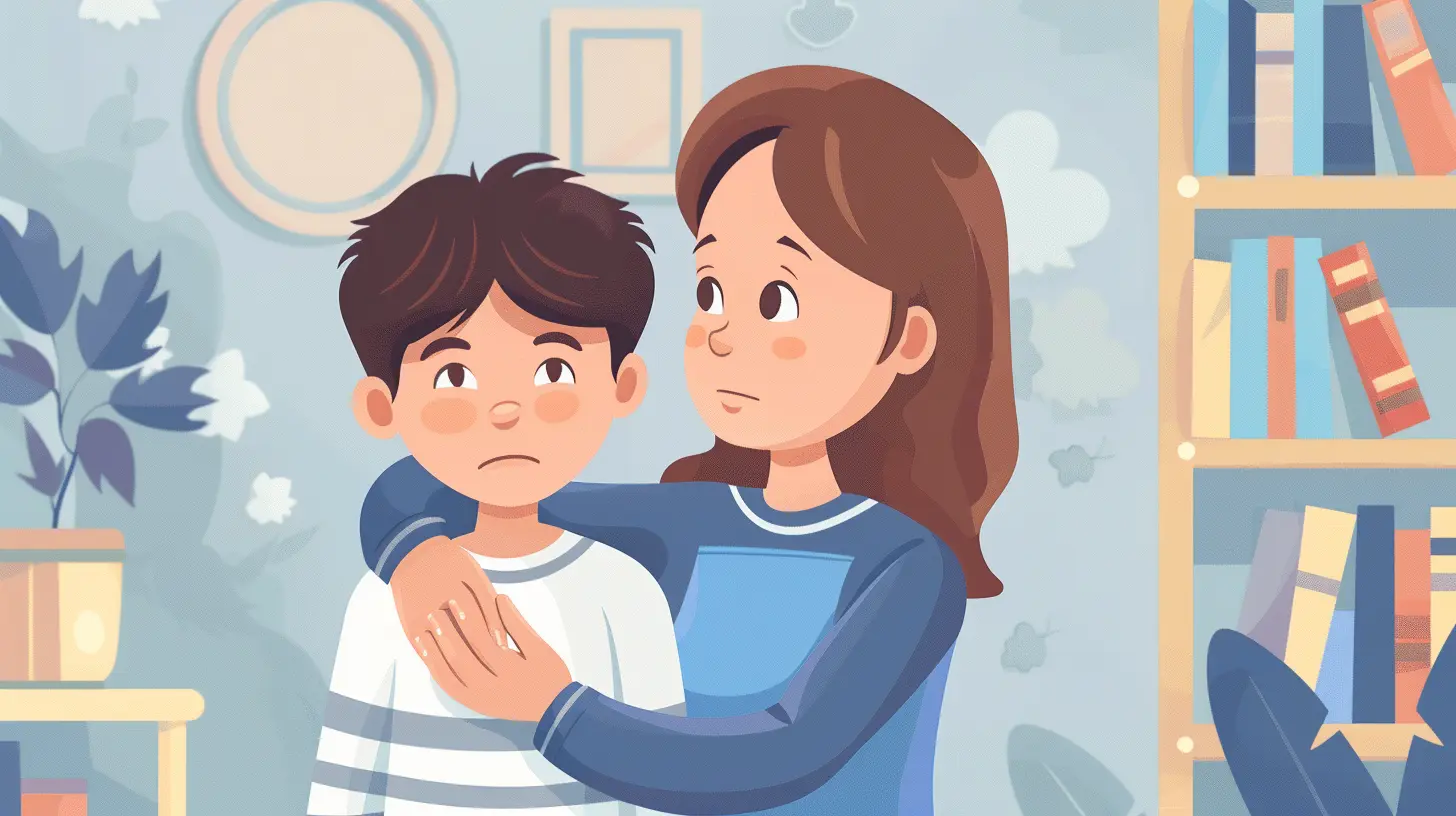
Subtle Signs That Anxiety Might Be Brewing
Let’s face it—anxiety in kids isn’t always obvious. It often wears a disguise. Here are some subtle signs you might want to keep an eye out for:1. Changes in Mood or Behavior
Is your usually bubbly kid suddenly grumpy or withdrawn? Maybe they’re more irritable than usual or having more tantrums. These shifts in mood can be red flags waving in the wind.2. Sleep Struggles
Trouble falling asleep, frequent nightmares, or waking up often during the night can be anxiety’s way of peeking in when our guard is down.3. Physical Complaints Without a Clear Cause
Does your child often complain of stomachaches, headaches, or feeling “weird” in their body? Anxiety loves to mask itself with physical symptoms.4. Avoidance of Certain Situations
Are they suddenly refusing to go to school, attend birthday parties, or do things they once loved? Avoidance is a major coping mechanism for anxious kids.5. Over-the-Top Need for Reassurance
“Are you sure I’ll be okay?” “What if something bad happens?” Sound familiar? Kids with anxiety often seek constant reassurance that everything will be fine.6. Perfectionism and Fear of Making Mistakes
If your child gets super upset over small errors or spends way too much time on assignments trying to make them “just right,” this could be anxiety in disguise.What Triggers Anxiety in Kids?
Kids live in a big, unpredictable world, and sometimes it throws them curveballs that can feel overwhelming. Some common triggers include:- Major life changes like moving, divorce, or a new sibling
- Academic pressure or fear of failure
- Bullying or social awkwardness
- Exposure to scary news or stories
- Family stress, even if it’s unspoken (yes, they sense more than we think!)
- Genetic predisposition
Remember, it’s not always about what’s happening—it’s about how your child feels about it.
How to Talk to Your Child About Anxiety
Start by opening the door, not kicking it open. Create a safe, judgment-free zone where your child feels heard.Try something like:
"I’ve noticed you’ve been a little quiet lately. Is something bothering you? You can tell me anything, even if it feels silly or scary."
Avoid saying:
"There’s nothing to be worried about!"
This can actually make them feel invalidated or even ashamed of their feelings.
Use stories, drawings, or play to help younger children express their emotions. With older kids, casual conversations during car rides or bedtime often lead to the most heartfelt confessions.
When to Seek Professional Help
Let’s be honest—sometimes love, snuggles, and bedtime talks aren’t enough. And that’s okay.If anxiety is interfering with your child’s daily life—school, friendships, sleep, eating—it might be time to chat with a pediatrician or therapist specializing in childhood anxiety.
Therapists can teach both you and your child practical tools like breathing exercises, grounding techniques, and cognitive-behavioral strategies to tame the worry dragon.
What You Can Do at Home
Here are a few ways you can become your child’s secret anxiety-fighting sidekick:1. Stick to Routines
Predictability gives kids a feeling of safety. Try to keep regular mealtimes, bedtimes, and study times.2. Encourage (Don’t Force) Exposure
If your child is avoiding a situation, gently encourage them to face it in small steps. Celebrate the little victories—they count big time!3. Practice Relaxation Together
Deep breathing, muscle relaxation, and even guided meditations can help calm that racing heart. There are tons of kid-friendly apps out there you can explore together.4. Be a Calm Role Model
Kids are emotional sponges. If you’re constantly anxious, they might absorb that energy. Practice your own self-care—you’re not just doing it for you.5. Limit Media Exposure
Too much negative news or scary content can stir up worry. Be mindful of what your child consumes, especially before bed.6. Build a Tool Kit
Create a “feel better” toolkit together. It could include a stress ball, favorite book, journal, drawing supplies, or calming music playlist.Build Emotional Literacy Early On
Helping your child develop a rich emotional vocabulary is like giving them a GPS for their feelings. Instead of saying "I feel bad," maybe they’ll say "I’m nervous about my spelling test."Labeling emotions reduces their power. Talking about them invites connection. Encourage phrases like “I feel __ because __.” It’s simple, but wildly effective.
One Day at a Time
Here’s the truth—there’s no magic wand to banish anxiety forever. But with early recognition, gentle conversations, and the right support, you can guide your child through the fog and into the light.You know your child better than anyone. Trust your gut. If something feels off, it probably is—and the earlier you catch it, the better the outcome.
Let’s raise emotionally intelligent, resilient little humans who know it’s okay to feel anxious sometimes—but also know they don’t have to go through it alone.
Final Thoughts
Recognizing anxiety in your child before it escalates isn’t about being perfect or having all the answers. It’s about paying attention, asking questions, and showing up—again and again.Because the greatest gift we can give our kids isn’t a life without fear—it’s the tools and confidence to walk through fear and come out stronger on the other side.
So, the next time your child seems “off,” press pause, sit down, and ask them how their heart feels. That one question could make all the difference.
all images in this post were generated using AI tools
Category:
Dealing With AnxietyAuthor:

Austin Wilcox
Discussion
rate this article
2 comments
Isolde Rogers
Spotting anxiety in kids is a bit like finding a sock in the dryer—often elusive but oh-so-important! Keep an eye out for those subtle signs; after all, a calm kiddo today means fewer gray hairs for you tomorrow!
February 20, 2026 at 6:01 AM
Austin Wilcox
Thank you for highlighting the importance of recognizing subtle signs of anxiety in children! Staying vigilant can truly make a difference in their well-being and your peace of mind.
Caden Banks
Great insights! Recognizing anxiety early can make a world of difference for our kids. Together, we can create a supportive environment where they feel safe to express themselves!
January 20, 2026 at 4:43 AM
Austin Wilcox
Thank you! Your support in creating a safe space for kids is invaluable. Together, we can make a significant impact!