Miscommunication: When Parents Talk but Don’t Listen
30 June 2026
Ever sat at the dinner table trying to have a “meaningful” convo with your child… only to realize halfway through that neither of you is really hearing the other? Maybe you're dishing out pearls of wisdom, and they’re just nodding to make the moment end faster. Or maybe they’re pouring their little hearts out and you're mentally making a grocery list. Ouch, right?
Welcome to the sneaky world of parent-child miscommunication. It's not always yelling or slamming doors—it’s often the quiet gaps, the shrugged shoulders, the unspoken “you don’t get it,” and the actual problem? We’re talking, but we’re not listening.
Let’s unpack this parenting pickle, shall we? Grab your coffee, kick off your shoes, and let's dive into why “communication” isn’t always connection—and how we can do better.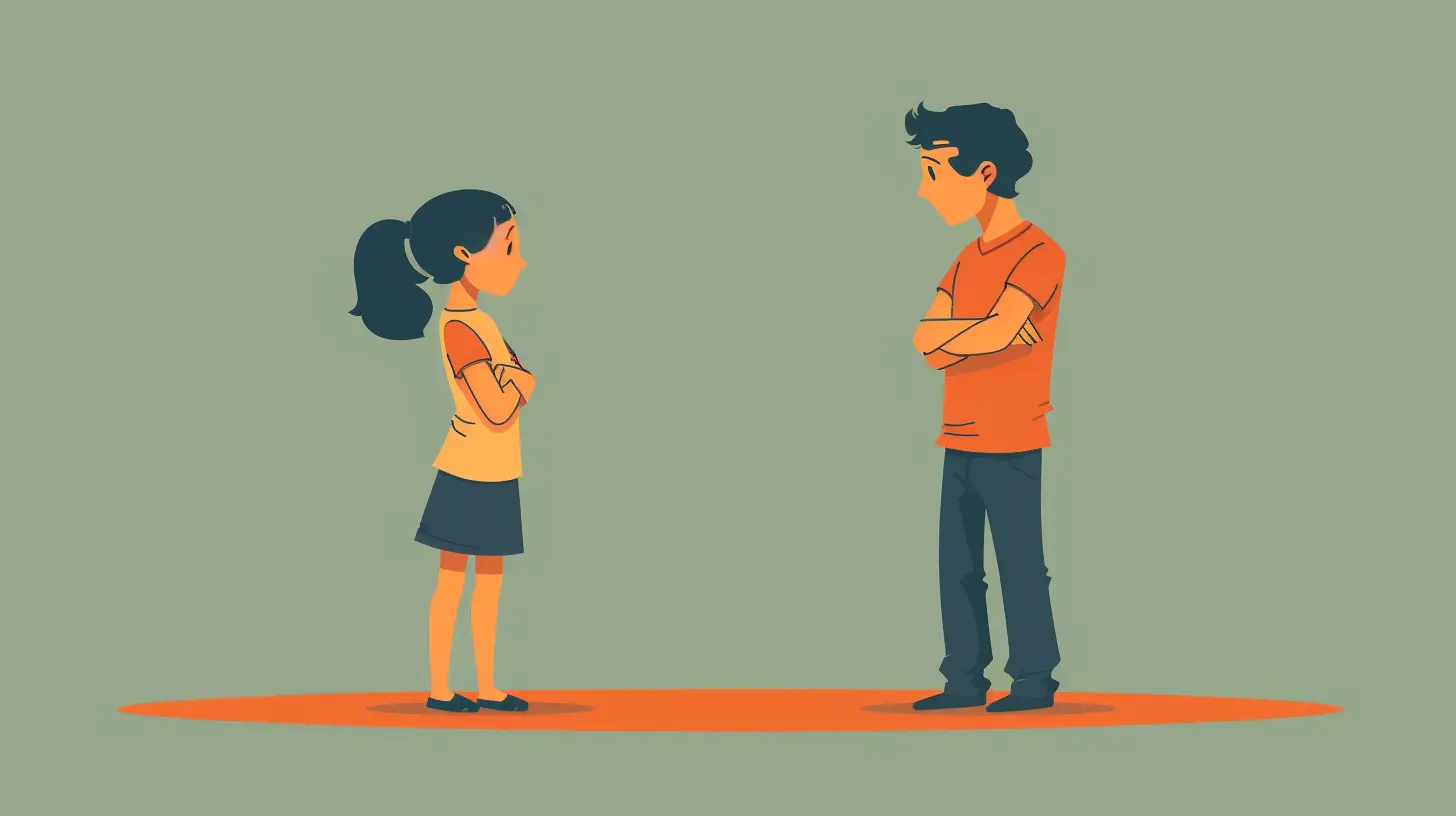
Why Miscommunication Happens (Even with Good Intentions)
We all want the best for our kids. We’re trying to guide them, protect them, and teach them not to microwave metal (again). But somewhere between wanting to help and actually helping, wires get crossed.Here’s the kicker—miscommunication usually isn’t intentional. It sneaks in because:
- We're distracted (hey, adulting is exhausting).
- We assume we know better (we usually do…but not always).
- We want quick fixes (guilty).
- We’re listening to respond, not to understand.
Let’s be real. It’s easy to zone out when your fourth grader is giving a 10-minute play-by-play of Minecraft drama. But if we constantly treat our kids' thoughts like background noise, they’ll eventually stop sharing them altogether.
Talking vs. Listening: There’s a Huge Difference
Talking is easy. Listening? That’s an art.When we talk, we control the narrative. We give advice, instructions, opinions. But when we listen—really listen—we allow space. And that's where connection grows.
Imagine you're speaking into a walkie-talkie, and the other person’s just holding down the talk button, never letting go. That’s what it feels like when your kid's trying to talk but you're dominating the conversation.
Common Parent Traps:
- The Fix-It Frenzy: Jumping in with solutions before they finish telling you the problem.- The Lecture Loop: Turning every chat into a life lesson (yep, we all do it).
- The Comparison Complex: “When I was your age…” (just don’t).
If we always hold the mic, we never hear their side of the story.
How Miscommunication Impacts Kids
Believe it or not, kids are like emotional detectives. They pick up on tone, posture, facial expressions—even when we say “I'm listening,” they can tell if our minds are elsewhere.When they feel unheard or misunderstood:
- Their self-esteem can take a hit.
- They may develop trust issues.
- They might stop communicating altogether.
- Resentment can build.
Worse yet, repeated miscommunication can chip away at the parent-child bond. What started as “my parents don’t get me” can spiral into “I can’t talk to them at all.”
That’s not just unfortunate—it’s preventable.
Real-Life Examples of Miscommunication Moments
Let’s bring it down to earth with a few everyday scenarios:“Do your homework!”
You say it five times. They ignore it five times. You think they’re being defiant… but maybe they’re overwhelmed, frustrated, or don’t understand the assignment. Instead of asking what’s wrong, we assume laziness or rebellion.“How was school?”
They mumble “fine.” You let it go. But maybe “fine” is covering up a rough day, a lost friend, or a failed test. We miss the signs because we don’t dig deeper.“Because I said so.”
Oof. Classic shutdown line. It ends the conversation, sure—but also teaches kids their opinions don't matter.See the pattern? Misfires happen when we push conversations instead of pausing for connections.
The Listening Upgrade: How to Truly Hear Your Child
So if we think we’re listening—but our kids feel unheard—how do we fix it?Here are some down-to-earth strategies to rebuild the bridge:
1. Give Them the Stage—Without Interruption
Let them speak. Even if you disagree. Even if it sounds silly. Let them finish. Validate before you evaluate.> Try saying: “That sounds tough. Want to talk more about it?”
2. Ask Open-Ended Questions
Skip the yes/no questions and dig deeper.> Instead of: “Did you have a good day?”
> Try: “What made you smile today? What was tough?”
3. Put Down the Phone
Seriously. Gently locking eyes with your child when they talk communicates, “You matter.” It says more than any word.4. Listen Beyond Words
Kids don’t always say what they mean. Stress, fear, or sadness might come out as eye rolls or tantrums. Listen for the feelings beneath their words—or lack thereof.> Anger might really be embarrassment.
> Silence might really be anxiety.
5. Repeat What You Hear
It’s a little trick called active listening. Reflect what they said to show you’re paying attention.> “So you’re saying the group project was unfair and you felt left out, right?”
6. Own Your Mistakes
If you weren’t listening before, say it. If you misunderstood them, apologize. Modeling humility teaches kids it’s okay to be human.Miscommunication Isn’t Just One-Way
Here's a twist: kids miscommunicate too. Ever had a toddler scream “NO!” when they mean, “I’m scared”? Or a teenager lash out when they’re just anxious or overwhelmed?Our job isn’t just to talk less—it’s to decode more.
Think of yourself as a translator. You’re interpreting their grunts, eye-rolls, and “whatevers” into what they’re really feeling. And then responding with love—not lectures.
How to Create Safe Spaces for Communication
You can't force kids to talk. But you sure can invite them.Here’s how to build that open-door vibe:
?️ Regular Chill Time
Not every talk needs to be a Big Talk. Chat during car rides, while doing dishes, or building Lego towers. Casual moments make deep talks feel less intimidating.?️ No Judgment Zone
If they’re worried you’ll freak out or shame them, they’ll zip their lips. Show you can handle their truth—even if it’s hard to hear.? Encourage Expression
Let them write, draw, or voice note how they feel if talking isn’t their jam. Different kids communicate in different ways.From Miscommunication to Mutual Understanding
Here’s the beautiful thing—communication is a skill. Which means it can be improved. We’re not aiming for perfection, just connection.Don’t beat yourself up if you’ve missed the mark. Every parent has. What matters is showing up differently tomorrow. Making fewer assumptions. Asking one more follow-up question. Taking one more deep breath before jumping into “fix-it mode.”
One thoughtful conversation can change an entire relationship. Really.
Final Thoughts: Listening Is Love, Spoken Without Words
At the end of the day, no parenting book, expert advice, or clever life hack can replace the power of simply listening. When kids feel heard, they feel seen. And when they feel seen, they thrive.So the next time you say, “Talk to me,” mean it. Clear your head. Put down your phone. Take a breath. Then listen—like their words are the most important thing in the world.
Because honestly? They are.
all images in this post were generated using AI tools
Category:
Parenting MistakesAuthor:

Austin Wilcox
Discussion
rate this article
1 comments
Riven Cummings
Listening is key; otherwise, it's just noise, folks!
July 13, 2026 at 2:59 PM
Austin Wilcox
Absolutely! Listening transforms conversation into understanding.