Misunderstanding Emotional Outbursts: What Your Child Is Really Telling You
15 July 2026
Let’s be real—parenting isn’t for the faint of heart. It’s messy, chaotic, and downright confusing at times. Especially when your child suddenly explodes into tears or screams over what seems like...well, basically nothing. Maybe you handed them the blue cup instead of the red one. Or maybe it’s bedtime and they just aren’t having it.
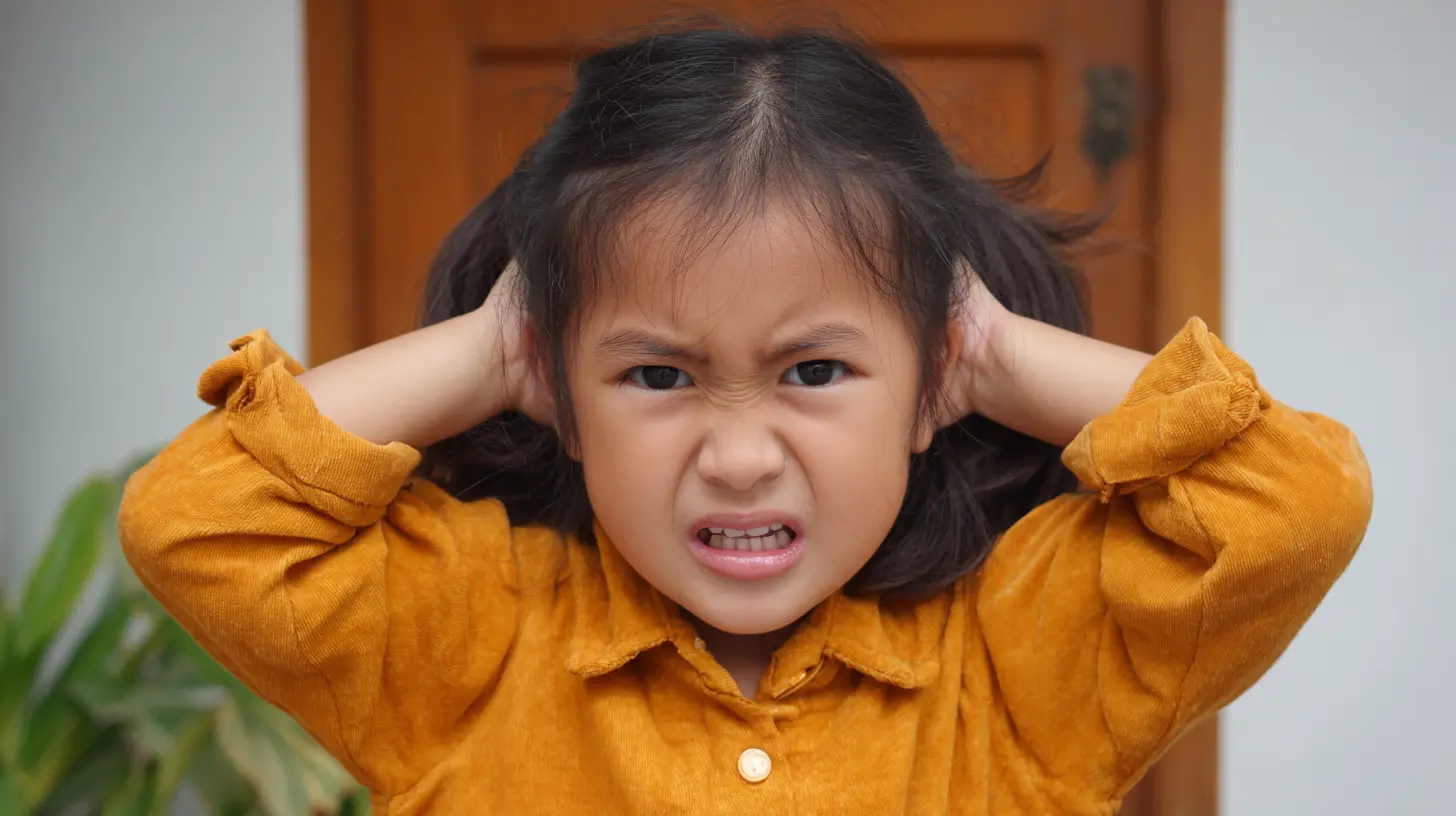
Before you chalk it up to "bad behavior,” let’s dig a little deeper. Those emotional outbursts? They’re not just tantrums. They’re not random. They’re not “just being dramatic.” Your child is trying to tell you something. The question is—are we listening?
The Myth of the “Too Emotional” Child
We’ve all heard it before:- “She’s just too sensitive.”
- “He’s being a drama king.”
- “They need to toughen up.”
Sound familiar? These common phrases are often said with good intentions—but they totally miss the mark. Kids aren’t little adults. Their brains, emotions, and coping mechanisms are still developing. When we dismiss or misunderstand their emotional outbursts, we’re not just shutting down bad behavior—we’re shutting down their attempts to communicate.

What’s REALLY Going On Underneath the Outburst?
Here’s the kicker: Emotional outbursts are usually symptoms, not the problem. They’re like the tip of an iceberg. What you see on the surface (the yelling, the crying, the foot-stomping) might be loud—but what’s below the surface is so much louder.Let’s break it down.
1. Overwhelm: The Silent Storm
Ever felt like your day is just too much? Now imagine that—but without the tools to say “I’m feeling overwhelmed.” That’s your child’s world.When kids are hit with too many stimuli—noise, lights, responsibilities they don’t understand—it builds up. And then? BOOM. An outburst.
Even fun things can trigger it. A busy birthday party. A trip to the store. A new sibling crying at odd hours. Their system feels overloaded, and all they know is to release.
2. Unmet Needs: The Unspoken Language
Think of outbursts like a smoke alarm. The loud beeping might be annoying, but it’s a signal that something needs your attention.- Hungry? Outburst.
- Tired? Outburst.
- Needing connection? You guessed it, outburst.
When basic needs go unmet—or when a child feels like they’re being ignored emotionally—emotions spill out. They’re not manipulating. They’re trying to be heard by the only means they know.
3. Confusion and Transition
Children thrive on routine. It helps them predict the world, feel safe, and stay grounded. When things change (a new school, a new babysitter, a move), even if those changes seem small to us, it can trigger huge feelings inside them.They may not say “I’m struggling with this transition,” but their behavior will.
4. Lack of Emotional Vocabulary
You know that feeling when you're frustrated but can't quite explain why? Imagine trying to process big emotions when you don’t even know the words for them. That’s where your child is. They don’t say, “I’m feeling emotionally dysregulated because I didn’t get enough sleep and I’m anxious about preschool.” Nope. They scream. They cry. They hide under furniture.They're not being difficult. They're being human.

Why We Misread Their Signals So Easily
We’re adults. We think in adult terms. When a child yells “I hate you!” we feel attacked. When they break something in a rage, we think they’re being destructive. But here’s the thing most people forget:> Children aren't mini adults. They’re still learning the language of the emotional world.
So, what happens when they blow up over spilled juice or bedtime? We see the behavior. We react to it. But what we should be doing is looking past it.
It’s like trying to decode a secret message, only instead of a cipher, you need empathy and patience.
The Hidden Messages Behind the Meltdowns
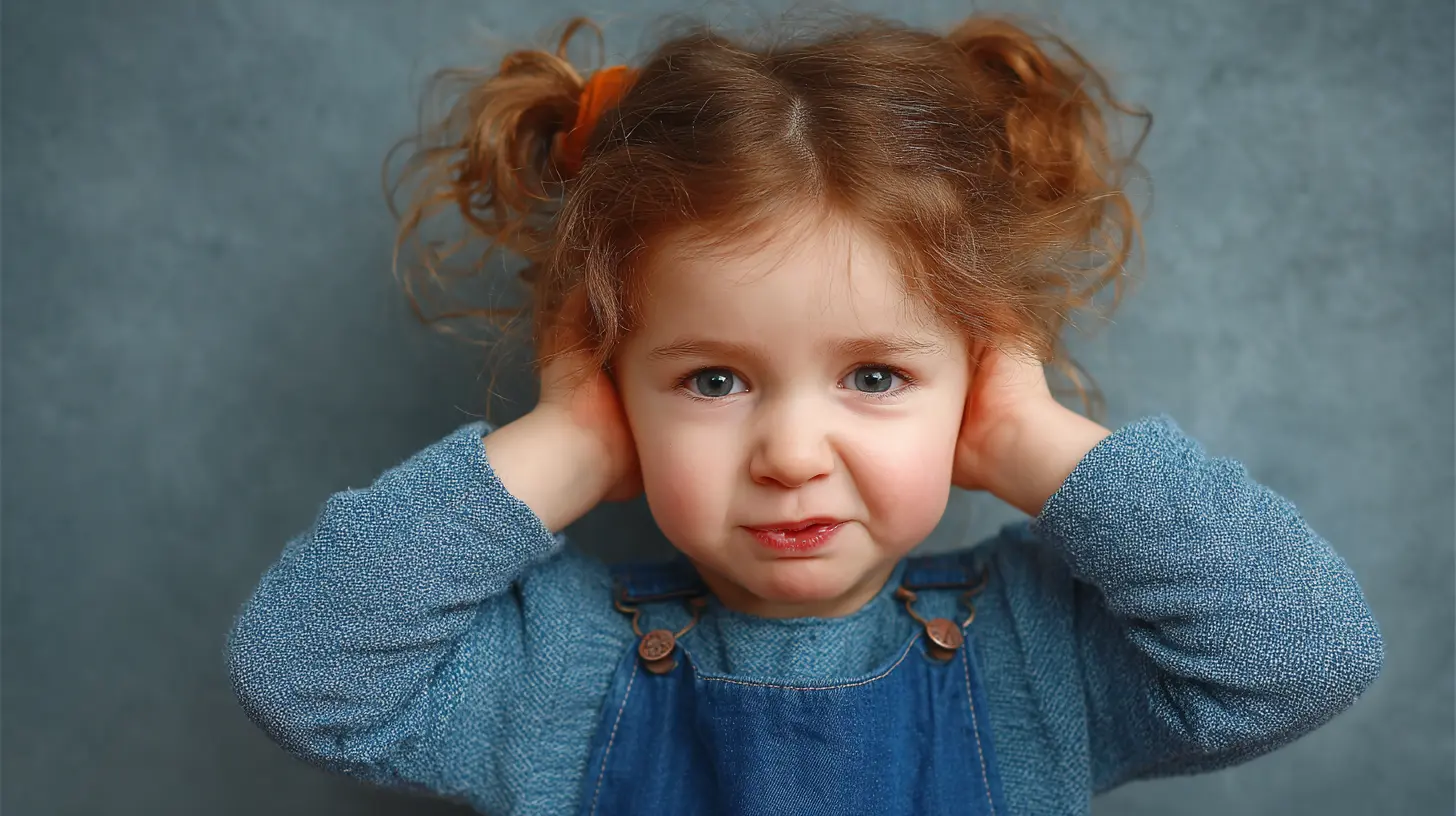
Let’s translate these outbursts, shall we?- “You never listen to me!” → I need more of your time and attention.
- Screaming because you turned off the TV → I’m having trouble with transitions and I don’t know how to cope.
- Throwing toys after daycare → I used all my energy holding it together all day and now I feel safe enough to fall apart.
- Crying over food they loved yesterday → My brain is feeling overwhelmed, and I need things to feel familiar and safe.
See the pattern?
Every behavior is a form of communication.
But... Isn’t This Just Letting Them Get Away With It?
I see you. You’re thinking, “So, am I just supposed to let them yell and throw stuff around?” Not at all.Understanding the reason behind emotional outbursts doesn’t mean we excuse harmful behavior. It means we respond in a way that teaches, not punishes. Discipline and empathy aren’t opposites—they’re partners in parenting.
You can hold boundaries and acknowledge emotions at the same time. Example?
> “I see you’re really upset right now. It’s okay to feel mad, but it’s not okay to hit. Let’s find another way to let those big feelings out.”
Does it instantly stop the tantrum? Not always. But it builds trust. And it teaches emotional intelligence in the long run.
Your Job Isn’t to “Fix” Their Feelings
Here’s a hard truth: You can’t prevent every meltdown. You can’t make their world stress-free. And you don’t have to.Your job isn’t to fix their emotions—it’s to help them feel safe enough to feel them.
That’s it. Be the anchor. Not the storm.
Sometimes that looks like sitting quietly next to them while they cry. Other times, it means giving them space and saying, “Come find me when you're ready.”
Either way, you’re sending the message: “I’m here. I get it. I won’t punish you for feeling.”
Teaching Kids the Tools They Need
Once the emotional waters calm, that’s where the teaching moment lives. Not during the meltdown—after. That’s when they can listen, learn, and process.Here are a few ways to build their emotional toolbox:
1. Name the Feeling
Naming emotions is powerful. It gives kids control over what feels out of control. Help them label their feelings: “It looks like you’re feeling frustrated. Is that right?”2. Use “Safe Outlets”
Offer safe ways to release strong feelings:- Jumping on a trampoline
- Drawing angry pictures
- Screaming into a pillow
- Punching a soft cushion
These aren’t rewards for bad behavior—they’re emotional hygiene.
3. Model the Behavior
Guess who their biggest emotional role model is? Yep. It’s you.Show them how you handle stress. Say out loud, “I’m feeling overwhelmed, so I’m going to take a deep breath.” Be their blueprint.
4. Build a Calm-Down Routine
Some kids thrive on structure. Create a “calm-down corner” with comforting items—books, fidget toys, music, soft lighting. Teach them that it’s okay to take a break when emotions feel too big.
When to Worry (And When Not To)
Occasional outbursts? Totally normal. Kids aren’t robots. They’re ever-growing, emotionally-rich little humans.But if you notice any of the following, it might be time to talk to a pediatrician or child therapist:
- Outbursts are increasing in intensity or becoming dangerous
- Physical aggression toward others or self-harm
- Frequent breakdowns without apparent triggers
- Withdrawal, anxiety, or depression alongside tantrums
Support is strength, not shame.
Final Thoughts: See the Child, Not Just the Behavior
Parenting is a journey—not a destination. And with every outburst, you’re offered a chance to understand your child more deeply.So the next time they lose it over the wrong color sock or a dropped cookie, pause. Look past the surface. Ask yourself not “What’s wrong with them?” but “What are they trying to tell me?”
Chances are, it’s something important.
Be the safe harbor in their storm. That’s where emotional growth blossoms.
all images in this post were generated using AI tools
Category:
Parenting MistakesAuthor:

Austin Wilcox
Discussion
rate this article
1 comments
Orionis McDonough
This article sheds light on a crucial topic. I'm eager to understand my child's emotions better.
July 15, 2026 at 3:03 AM
Austin Wilcox
I'm glad you found it helpful! Understanding our children's emotions is so important.