Navigating Parenthood in 2026: Embracing Change and Growth
16 April 2026
Remember when we thought baby monitors that showed a grainy black-and-white image were the height of high-tech parenting? It feels like a lifetime ago, doesn’t it? Here we are, on the doorstep of 2026, and the landscape of raising kids has shifted beneath our feet in ways we could have barely imagined. It’s not just about new gadgets or trendy parenting labels; it’s a fundamental reshaping of the daily rhythms, challenges, and profound joys of family life. If parenthood was once a well-trodden path with a somewhat predictable map, 2026 feels more like navigating a dynamic, living ecosystem. The terrain is different, the tools are evolving, and our role as guides requires a new kind of compass—one calibrated for adaptability, presence, and intentional growth.
So, let’s take a deep breath together. Let’s unpack what it really means to be a parent in this moment, not with anxiety, but with a sense of curious reflection. This isn’t about having all the answers; it’s about learning how to ask better questions in a world that won’t stop changing.

The New Village: It’s Digital, Hybrid, and Hyper-Connected
They say it takes a village to raise a child, but what does that village look like now? Its borders have expanded far beyond our physical neighborhoods. In 2026, our village is a hybrid tapestry woven from digital threads and real-world connections.Think about your own support system. Your “village” might include the close friend you text at 2 a.m. about a fever, the private parenting group on a secure app where you crowdsource advice on picky eaters, the occupational therapist who conducts sessions via seamless telehealth, and the grandparent who reads bedtime stories over a video call that feels almost as good as a hug. This isn’t a diminished village; it’s a diversified one. We’ve learned to cultivate micro-communities for specific needs. One group for navigating local school politics, another for sharing sustainable toy swaps, and a separate, sacred chat with your two oldest friends who knew you before you were “Mom” or “Dad.”
But here’s the crucial reflection point: this connectedness is a double-edged sword. The constant stream of curated childhoods on social media, the barrage of expert opinions (often conflicting), and the pressure to optimize every aspect of our kids’ development can be overwhelming. The challenge for 2026 is not in finding information—it’s in developing a fierce filter for it. It’s about knowing when to log off the digital village and be present in the messy, un-optimized, beautiful reality of your own living room. The growth here is in building intentional connectivity—choosing connection over mere contact.

Parenting in the Age of AI: Co-Pilot, Not Autopilot
Let’s talk about the elephant in the room: Artificial Intelligence. It’s not coming; it’s here, woven into the fabric of our parenting lives. And it sparks a million questions, doesn’t it? Is that AI homework helper a lifeline or a crutch? Is the chatbot my teen is talking to about their anxiety a safe space? Can an algorithm really suggest the perfect book for my child’s unique interests?The metaphor that works for me is thinking of AI not as an autopilot, but as a co-pilot. It can handle some of the navigational calculations, suggest alternative routes, and alert us to potential turbulence ahead. But it cannot, and must not, hold the yoke. It cannot provide the warmth of our voice, the nuance of our empathy, or the wisdom of our lived experience.
In 2026, our growth lies in becoming digitally literate guides. This means having open conversations with our kids about what AI is and isn’t. It’s about using the smart monitor to ensure safety while knowing it can’t replace our instinct to check on a sleeping child. It’s about leveraging an app to create a personalized learning game, then sitting down to play it with them, celebrating their "aha!" moments together. The change is technological, but the embrace must be deeply human. We’re learning to use the tools without letting the tools use us, preserving the irreplaceable heart of the parent-child bond.
The Emotional Load: Prioritizing Mental Weather Patterns
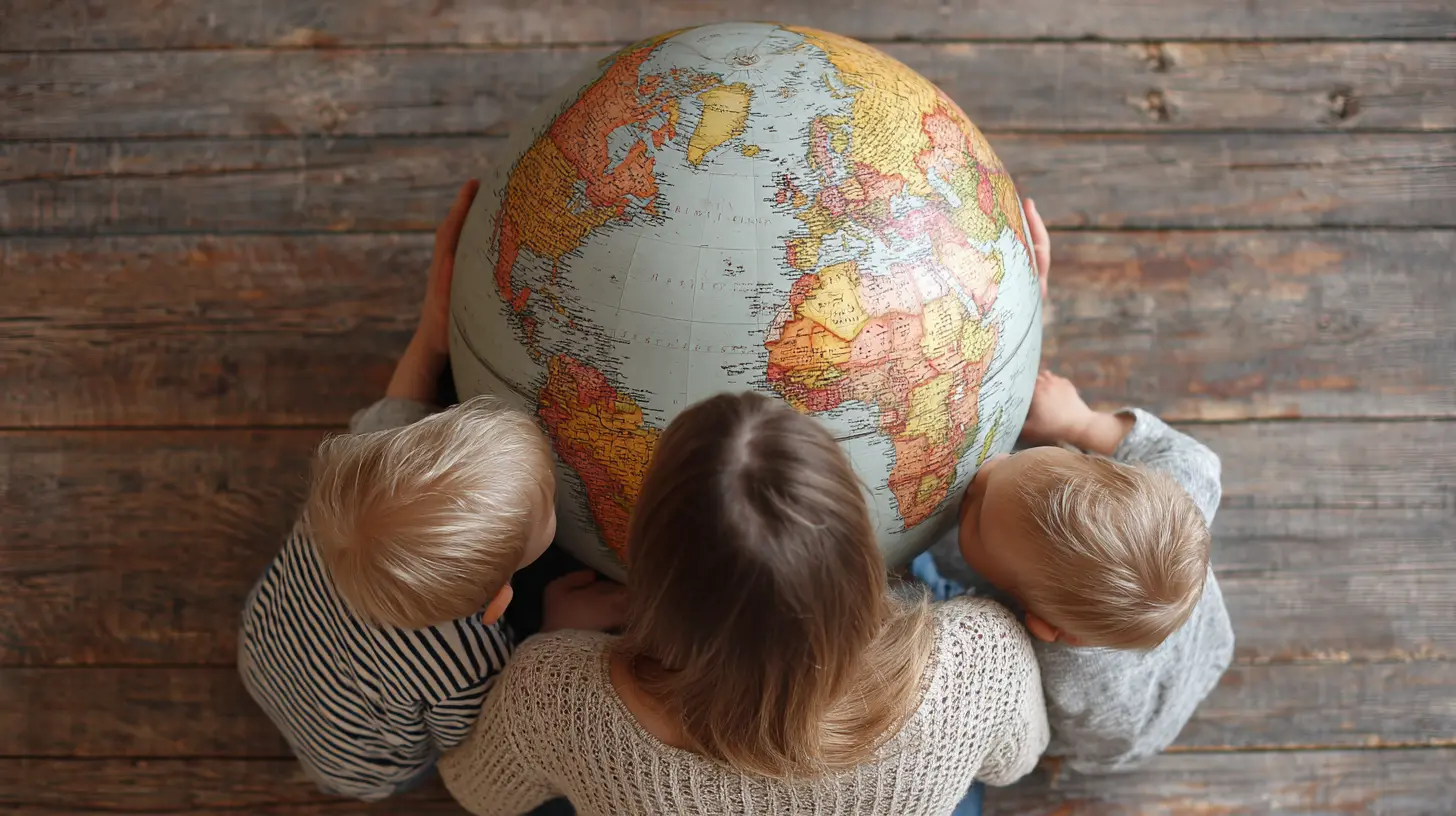
If the past few years have taught us anything, it’s that our children’s mental and emotional well-being is the non-negotiable foundation for everything else. In 2026, we’ve moved beyond just “checking in.” We’re learning to become students of our children’s inner weather patterns.We’re ditching the generic “How was your day?” for more nuanced anchors: “What felt like a win today?” or “Where did you feel a bit stuck?” We’re recognizing that a child’s meltdown over a broken crayon is rarely about the crayon; it’s the final drop in an emotional bucket that’s been slowly filling all day with micro-frustrations, social complexities, and sensory overload. Our role is shifting from fixer to emotional container. We’re there to name the feelings they can’t yet articulate—“That sounds really disappointing,” or “It makes sense you feel overwhelmed”—and validate their experience without immediately rushing to solve it.
This is perhaps the most profound growth area for modern parents: managing our own emotional ecosystems so we can be calm harbors for their storms. It means giving ourselves permission to say, “I need a five-minute pause to regulate myself before I can help you regulate.” It’s modeling that growth isn’t about being perfect; it’s about repair. The most powerful words in our 2026 toolkit might just be: “I’m sorry. I lost my patience. Let’s try again.”
Redefining “Success”: From Linear Paths to Expansive Landscapes
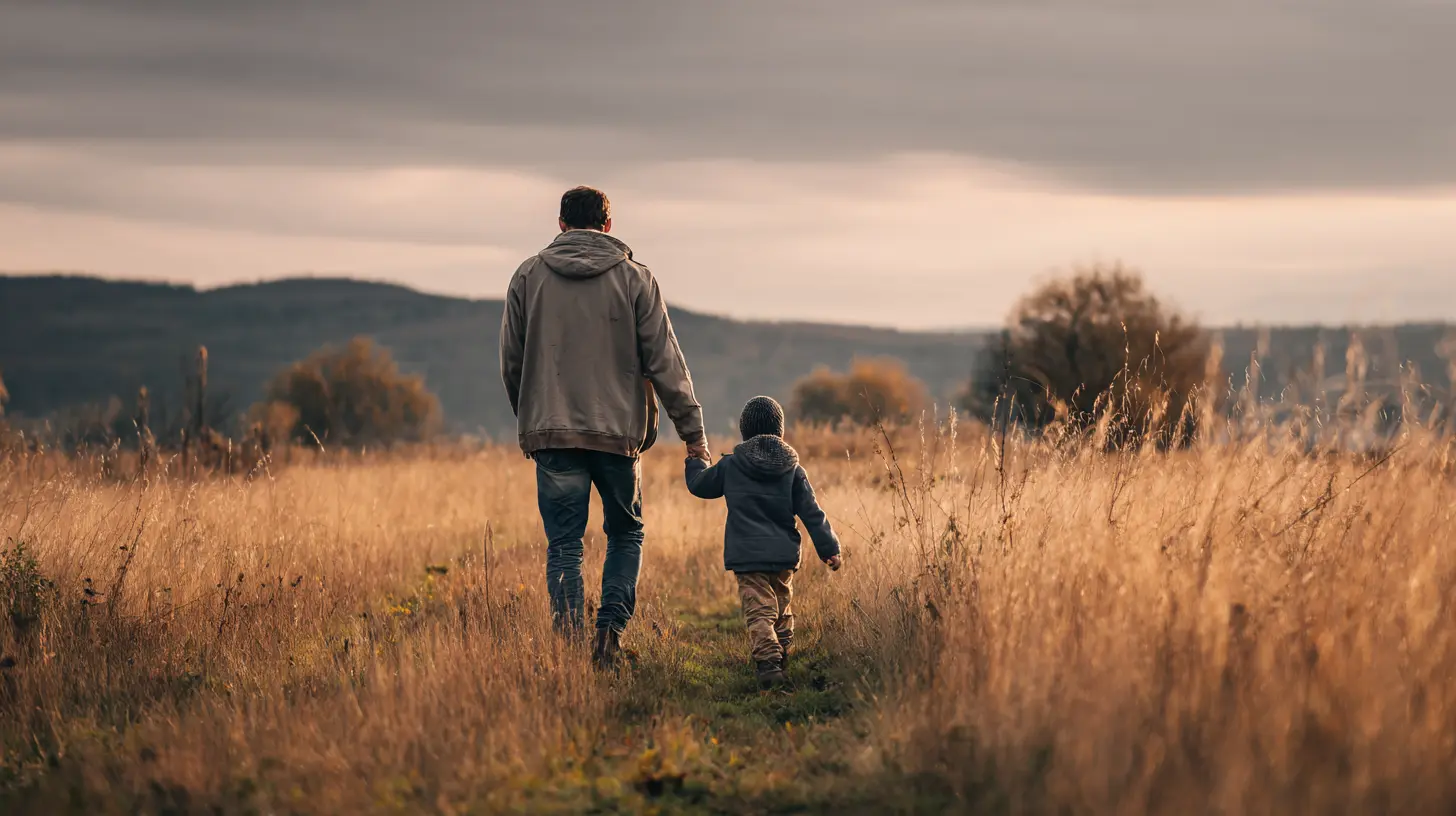
This, right here, is the big one. The societal script for successful child-rearing—the straight-A’s, the elite colleges, the prestigious extracurriculars—is being vigorously edited. Parents in 2026 are questioning this narrow highway and instead looking at the expansive landscape around it.We’re seeing the value in downtime, in unstructured play that looks like boredom but is actually the brain’s workshop. We’re measuring success in resilience, not just ribbons; in kindness, not just class rank; in self-awareness, not just test awareness. We’re encouraging passions that don’t have a clear “ROI,” like foraging for bugs, building elaborate fantasy worlds, or creating art just for the sake of it.
This shift is liberating and terrifying all at once. It requires us to untangle our own worth from our children’s achievements. It asks us to trust that by nurturing their character, curiosity, and capacity for hard work, we are equipping them for a future whose job titles haven’t even been invented yet. We’re learning that our job isn’t to sculpt a masterpiece according to a pre-existing template, but to tend to the soil and provide enough light and water so their own unique form can grow strong and true.
The Anchor in the Current: Rituals, Rhythms, and Unplugged Presence
With all this change swirling around us, what remains constant? What’s the anchor? In 2026, it’s the intentional, low-tech rituals we fiercely protect. It’s the family rhythm that says, “No matter what, this is who we are.”Maybe it’s Taco Tuesday, where the only screen is the sizzle on the stove. Maybe it’s the Saturday morning walk where devices are left at home and the only entertainment is each other’s company and the changing seasons. Maybe it’s the bedtime ritual of one book, one song, and one whispered hope for tomorrow. These are the non-negotiables. In a world of flux, these rituals are the heartbeat of the family. They provide a predictable safety net of connection. They are where the growth of our relationships is quietly nurtured, away from the noise.
This is where we truly embrace change by holding onto what matters most. We use the smart home device to play music for our dance party in the kitchen, then we turn it all off to watch the stars. We balance the digital with the deeply analog. The growth is in our commitment to presence—to looking into our child’s eyes when they speak, to listening with our whole being, to being a steady, warm presence in a cool, fast-moving world.
*
Navigating parenthood in 2026 isn’t about mastering a new set of rules. The rulebook is being rewritten in real-time. It’s about cultivating a mindset—a posture of open-hearted adaptability, critical thinking, and profound presence. It’s about building a family culture that can bend with the winds of change without breaking, because its roots are deep in connection, empathy, and shared values.
The changes will keep coming. The technology will advance, the trends will shift, and new challenges will emerge. But the core of it all? That remains beautifully, stubbornly human. It’s still about love, trust, and showing up, day after day. So here’s to embracing the change, to growing alongside our children, and to writing this unique, messy, glorious story of our families—one intentional, imperfect day at a time. You’ve got this.
all images in this post were generated using AI tools
Category:
Navigating ParenthoodAuthor:

Austin Wilcox
Discussion
rate this article
2 comments
Hazel Jones
In navigating parenthood in 2026, I've realized that adaptability is key. Embracing change isn’t just about new technologies or trends; it’s about growing alongside our children. Each challenge brings an opportunity for reflection, connection, and deeper understanding. Parenthood truly is a journey of constant evolution.
April 17, 2026 at 3:38 AM
Austin Wilcox
Absolutely! Embracing growth in parenthood helps us connect with our kids on a deeper level. It's all about evolving together through each challenge we face.
Orionyx McConnell
Embracing change in parenting fosters resilience and adaptability in both parents and children.
April 16, 2026 at 3:35 AM
Austin Wilcox
Absolutely! Embracing change not only strengthens our resilience but also helps us model adaptability for our children, paving the way for their growth in an ever-evolving world.