Raising Digital Citizens: Why Digital Manners Matter
24 June 2026
Welcome to parenting in the 21st century, where “Because I said so” is now pitted against “But TikTok says otherwise.” If you thought potty training was hard, just wait until you’re deciphering the secret language of group chats and setting boundaries around screen time... for the 14th time today.
Let’s get real for a hot minute. Our kids are growing up in an era where swiping before wiping is totally a thing. The digital world isn't just a tool anymore—it's their playground, classroom, diary, and, unfortunately, their battleground too. So, what’s a responsible parent to do in this pixelated jungle? Say hello to digital citizenship—and yes, it comes with manners.
Let’s talk about why teaching our kids how to behave online isn’t just a “good idea” — it's essential if we want them to survive (and thrive) in this always-connected world.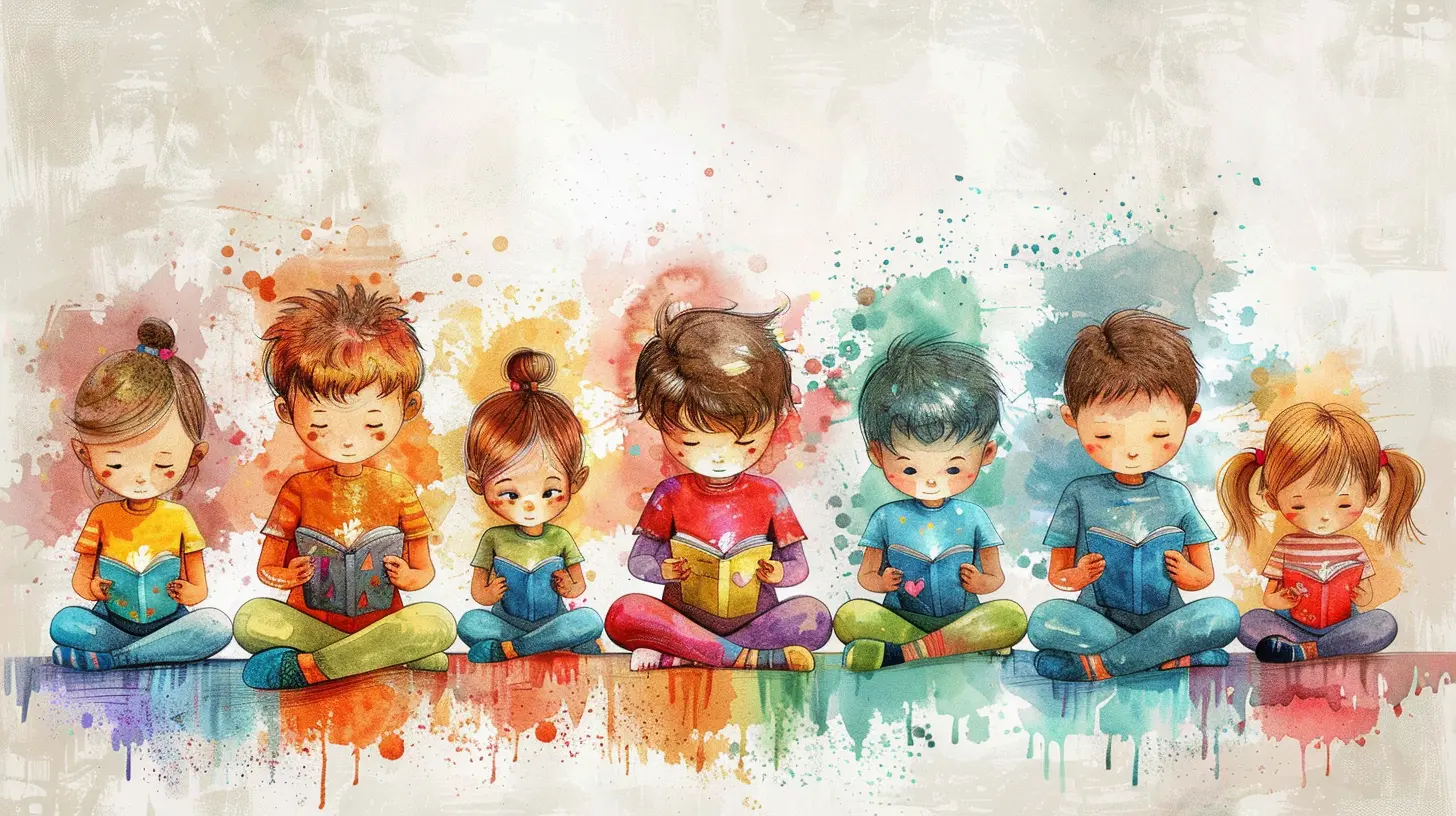
So, What the Heck is a Digital Citizen Anyway?
Picture this: You’re at a fancy dinner party. Everyone’s passing hors d'oeuvres, using indoor voices, and not screaming into the void. Now imagine that party but online. That’s digital citizenship — basically, behaving like a decent human being when you’re behind a screen.A digital citizen:
- Understands online etiquette (yes, it's real)
- Respects others in the digital space
- Is aware of their digital footprint (spoiler: the internet never forgets)
- Doesn’t turn into a troll the second they get Wi-Fi
Sure, our kids can code before they can spell “courtesy,” but just because they’re tech-savvy doesn’t mean they’re digitally smart. That’s where we come in — Mom, Dad, the Snack Dispenser, and the Official Wi-Fi Password Holder — AKA the parents.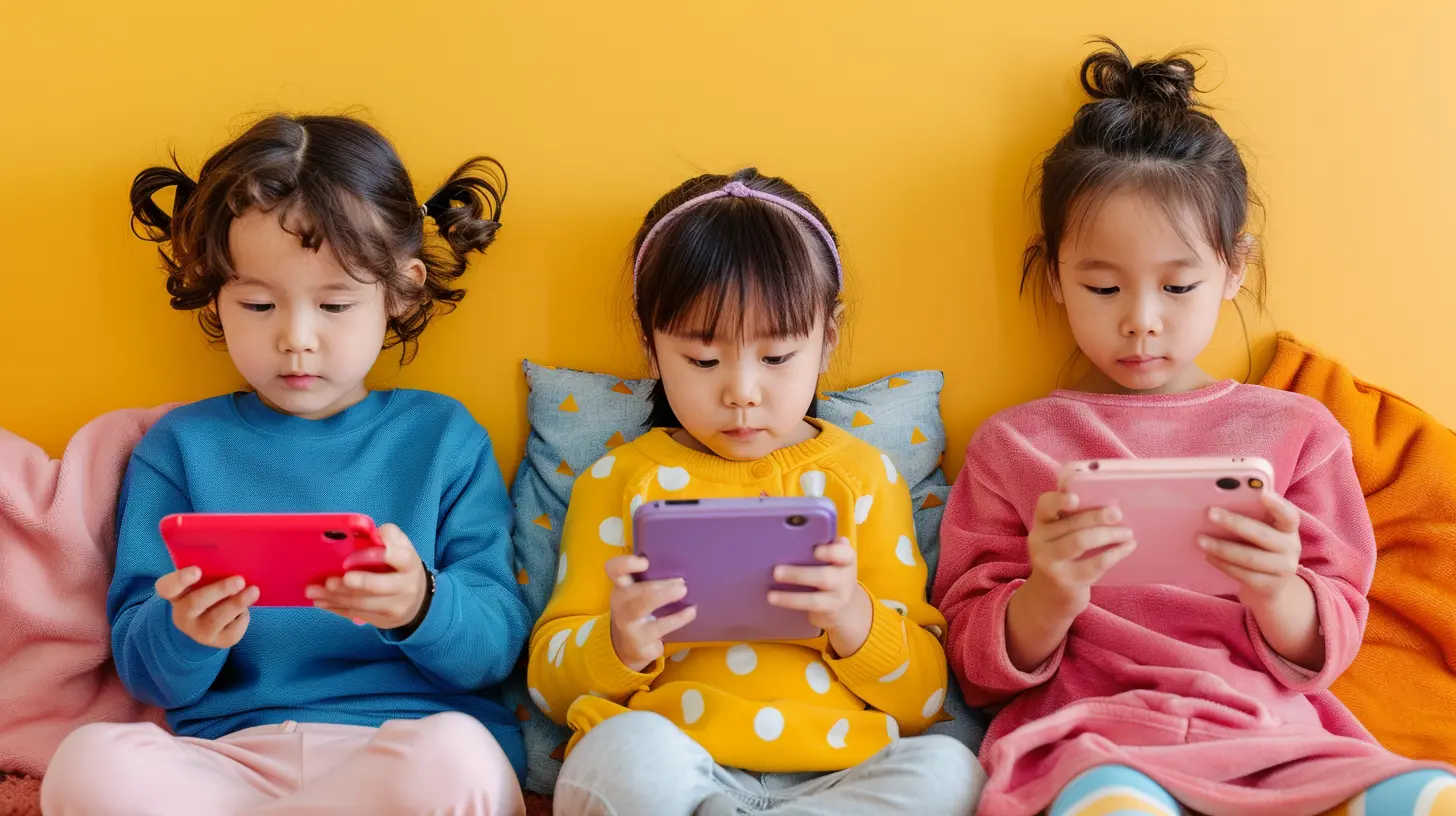
Why Digital Manners Are the New Table Manners
You wouldn’t let your kid burp in someone's face and walk away, right? (Hopefully.) So why are we letting them flame others in comment sections or ghost their friends mid-conversation like it’s NBD?Digital manners matter because:
- Screens don’t replace basic decency
- Kids carry digital behavior into real-world relationships
- Online actions have real consequences (hello, college admissions officers browsing Instagram...)
- Respect isn’t optional — online or off
The truth is, just because interactions happen in pixels doesn’t make them less significant. Hurtful messages? Still sting. Ignoring texts? Still rude. Chain-letter threats if you don’t forward a DM? Still not okay.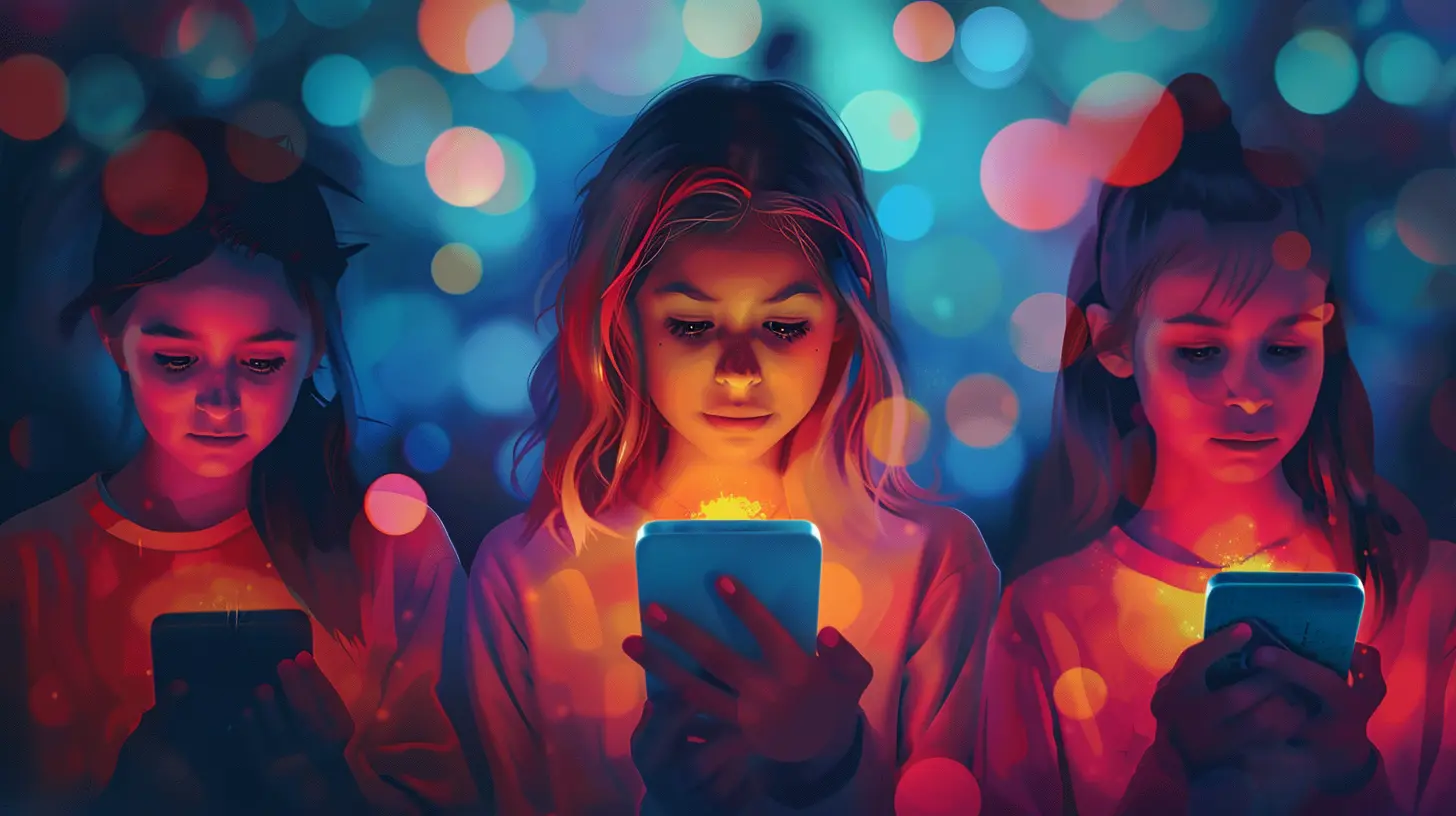
The Irony: We Have to Teach What We Never Learned
Let’s be honest, we’re winging this right alongside them. We didn’t grow up with push notifications luring us down five-hour YouTube rabbit holes or FaceTime drama more intricate than a soap opera.We had AOL Messenger. Maybe a Myspace page with glittery fonts. And our parents? They had rotary phones… and a lot less digital drama.
But now we’re the teachers. The role models. The ultimate guidebooks in humaning on the internet. Which is ironic considering we still don’t know how to mute that one family group chat…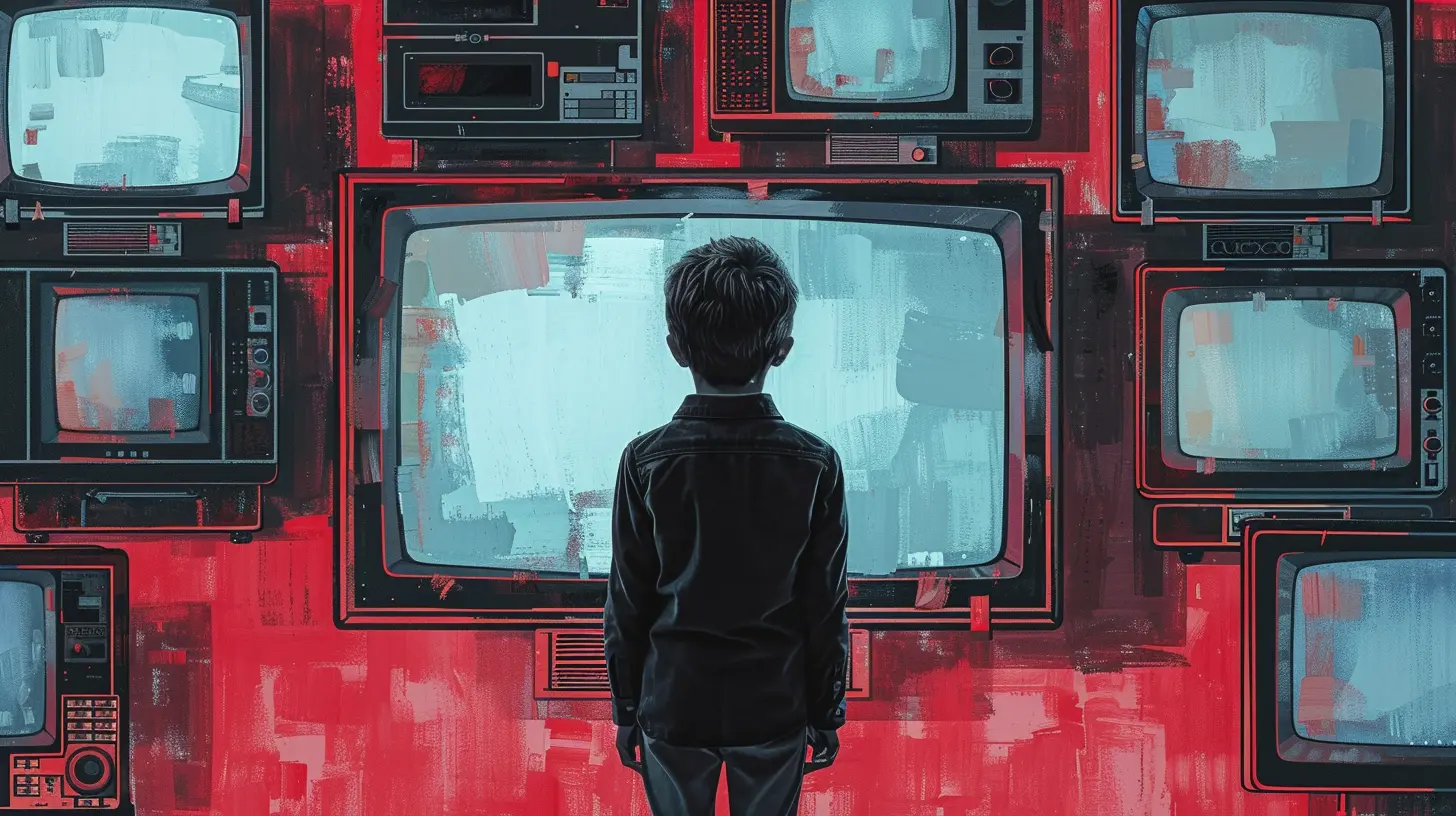
The Golden Rules of Digital Manners (Your Kiddo's Online Etiquette Survival Kit)
Okay, so how do we actually plant the seeds of digital decency? Start with these non-negotiable basics:1. Think Before You Post
If your child can understand “Don’t say that out loud,” they can grasp “Don’t post that online.”Break it down simply:
- Would you say it to Grandma’s face?
- Would you shout it in the school cafeteria?
- Would you want it pulled up during a future job interview?
No? Then maybe don’t post it.
2. Don’t Be a Keyboard Warrior
We all get brave behind screens — even kids. But being bold doesn’t mean being a bully. Typing in ALL CAPS, name-calling, or roasting someone for likes? Not cute.Teach them that kindness counts, even if you're just texting.
3. Respect Privacy (Yours and Theirs)
Whether it’s sharing someone’s photo without asking or oversharing their own life details, privacy boundaries are a biggie.Rule of thumb: When in doubt, keep it out of the group chat. Or better yet — don’t post it at all.
4. Credit Where Credit’s Due
The temptation to copy a meme or snatch a TikTok dance is real, but teaching kids proper credit builds integrity.If your kid wouldn’t want someone stealing their Roblox design, they shouldn’t swipe others’ stuff either.
5. No Screen-Only Friendships
It’s great that your kid found a buddy in Australia through Minecraft. But remind them that the best relationships also exist outside of emojis and Snapstreaks. Teach them to unplug and reconnect IRL—no filters, just feelings.The Digital Footprint is Real, and It’s Forever
Repeat after me: The internet is not Vegas. What happens online absolutely does NOT stay online.Every comment, like, and selfie could potentially follow your child into adulthood. Future employers, college admission boards, and that one nosy neighbor? They’re all watching.
They need to understand that:
- Snapchats can be screenshotted
- Deleted tweets can be archived
- That TikTok they posted last summer could resurface in five years
The internet has the memory of an elephant... if that elephant had cloud storage and a grudge.
Parenting in the Digital Age: A Beautiful Nightmare
Let’s not sugarcoat it — it’s hard. We’re trying to raise thoughtful, respectful humans who can code, craft witty captions, and still remember to say “thank you.”We’re navigating:
- Screen time battles (yes, 5 hours straight of Roblox does, in fact, count as too much)
- Cyberbullying concerns
- Social media FOMO
- The occasional “Oops, my kid just posted a selfie with a questionable caption” moment
But here’s the silver lining: We’re not alone.
There are tools, parental controls, and more importantly, conversations. The more we talk about digital manners — casually, honestly, and often — the more we normalize healthy online behavior.
Tips for Teaching Digital Manners Without Sounding Like a Dinosaur
You don’t need to pretend you’ve gone viral on TikTok to gain credibility. You just need to speak their language… kind of.✅ Meet Them Where They Are
Use their favorite platforms to spark conversations. Ask:- “Hey, how do you handle it if someone disrespects you in your group chat?”
- “What’s the cringiest thing someone’s posted online this week?”
Get their take before offering your own Dad Wisdom™ or Mom Talk™.
✅ Use Real-Life Examples
News stories, YouTuber drama, or even your own “Back in my day, we had dial-up…” stories all serve as launchpads for lessons.Real examples = real impact.
✅ Keep the Judgment Low, Curiosity High
If they mess up, and they will, don’t go full “You’re grounded for life.” Use it as a teachable moment. Ask what happened. Ask how it made them feel. Then help them course correct.Parenting isn’t about perfection — it’s about progress. Pixel by pixel.
Bonus: What If YOU Need a Digital Manners Refresher?
Let’s not kid ourselves. Adults aren’t exactly guilt-free when it comes to bad digital behavior. ?If we’re doom-scrolling at the dinner table or Facebook-ranting over community board drama, we’re setting unspoken norms. Our kids are watching. They’re basically human screen-recorders.
So model the good stuff:
- Say thank you in messages
- Don’t comment on every post that annoys you
- Put the phone down when people are talking (yes, even during commercials)
Be the digital citizen you want your kids to become. Even if you still use two fingers to type.
Final Thoughts: Raise Good Humans, Online and Off
Raising digital citizens isn’t about banning social media or locking phones away in a safe. It’s about equipping our kids with the tools they need to navigate the Wild Web with empathy, respect, and accountability.It's teaching them that their screens are not shields to hide behind but windows to the world — and how they act online has power. Real power.
So, let’s raise kind, thoughtful, witty little digital humans. Ones who can rock a group chat, stand up against cyberbullying, meme responsibly, and still remember to say “please” and “thank you.”
Who knows… maybe one day, they’ll even teach us how to post without embarrassing ourselves.
(But probably not. Let’s be realistic.
all images in this post were generated using AI tools
Category:
Online SafetyAuthor:

Austin Wilcox
Discussion
rate this article
1 comments
Fiona Whitaker
Teaching kids digital manners is essential in today's world. It shapes their character and helps them connect with others in positive ways. By guiding them on how to communicate respectfully online, we can nurture compassionate and responsible digital citizens who contribute to a kinder and more understanding online community.
July 6, 2026 at 3:15 AM
Austin Wilcox
I completely agree. Teaching kids digital manners not only builds their character but also fosters a more respectful and compassionate online environment. It's vital for their growth as responsible digital citizens.