Strategies for Dealing with Childhood Cliques
30 September 2026
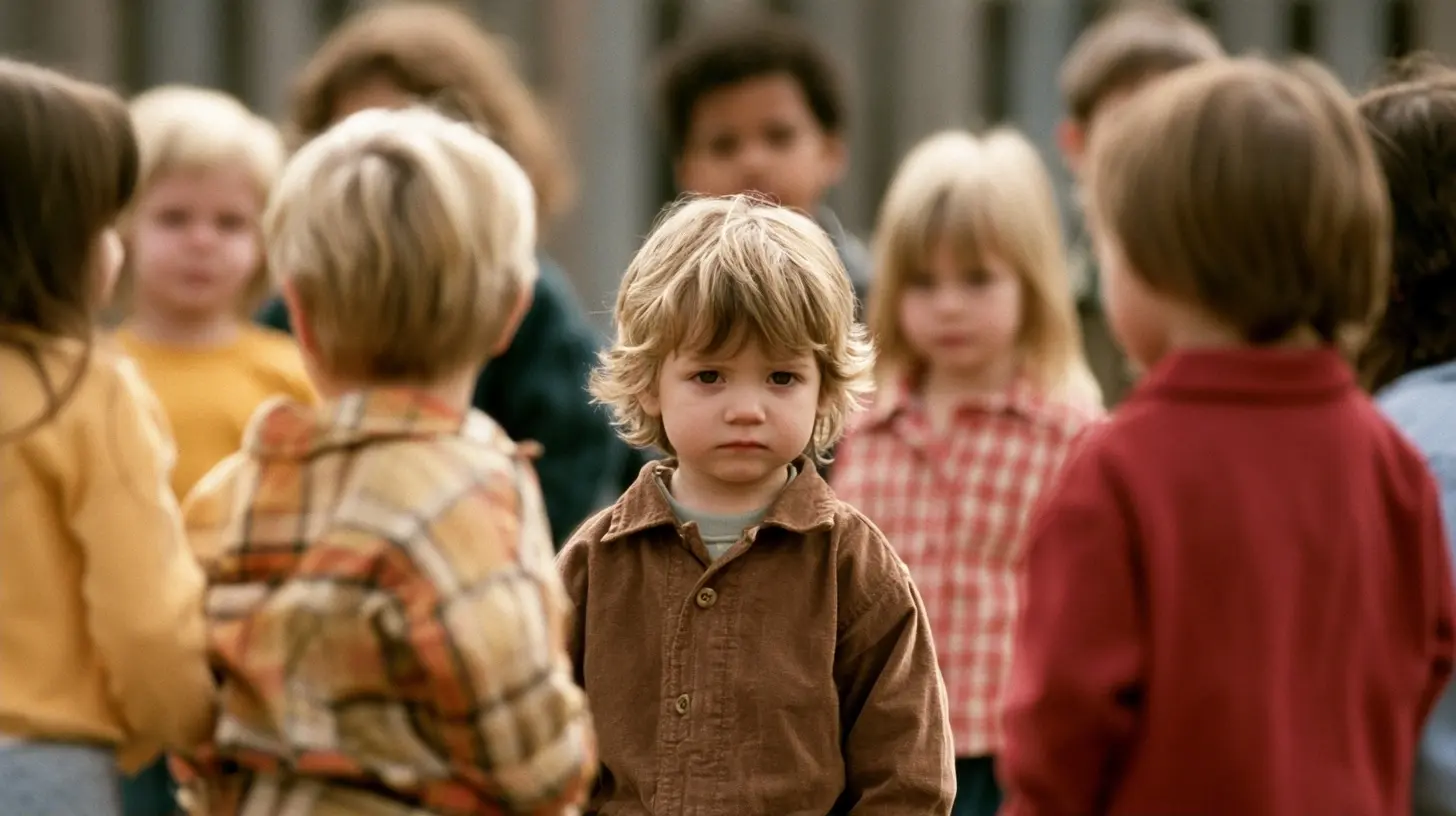
Your eight-year-old comes home from school and announces that nobody will sit with her at lunch. Your eleven-year-old son has been quietly dropped by his best friend in favor of the cooler kids. Your thirteen-year-old is suddenly obsessed with whether her shoes are the right brand. Welcome to the world of childhood cliques, a social phenomenon that has been breaking parents' hearts and testing their patience since the invention of the schoolyard.
Here is the uncomfortable truth: cliques are not a sign that something has gone terribly wrong with your child, your parenting, or the school. They are a predictable feature of human social development. Kids group up. They draw lines. They test belonging. Understanding why this happens and how to respond is far more useful than trying to eliminate cliques entirely, which is about as realistic as eliminating rain.
This article walks through what cliques actually are, why they form at different ages, how to spot the difference between normal social friction and genuine harm, and what you can actually do about it. No vague platitudes. No suggestions to just tell your child to be herself and hope for the best. Practical, tested strategies with honest trade-offs.

What a Clique Actually Is (And What It Is Not)
A clique is a small, tightly bonded group that actively excludes others. The exclusion is the defining feature. A group of four kids who love soccer and hang out together is not inherently a clique. If those four kids mock anyone who tries to join, refuse to pass the ball to a new player, and enforce unspoken rules about who is allowed in, that is a clique.The distinction matters because parents often confuse two very different situations:
- A close friendship group, which is healthy and should be encouraged.
- A hierarchical social structure built on exclusion, which causes real harm.
You can usually tell the difference by watching how the group treats outsiders. A friendship group is porous. New members can join if they share interests and make an effort. A clique is guarded. Entry requires approval from whoever holds status, and that approval can be revoked without warning.
There is also a developmental reality here. Between roughly ages eight and fourteen, children become intensely focused on peer belonging. This is not a flaw in their character. It is a normal part of separating from parents and figuring out who they are in the social world. Cliques are one of the clumsy ways kids practice this.
Why Cliques Form: The Mechanics Nobody Explains to Parents
Most advice about cliques skips the why. That is a mistake, because the why determines the what. If you understand the function a clique serves, you can respond to the function rather than just the symptom.Status and Safety
For many kids, a clique offers two things at once: a sense of safety through belonging and a sense of status through exclusion. Being inside means someone else is outside. That is not pretty, but it is honest. The tighter the group, the more valuable membership feels.This is why telling a child "just ignore them" rarely works. You are asking them to walk away from a system that provides real social currency.
Uncertainty and Transition
Cliques tend to spike during transitions. Moving from elementary to middle school, changing schools, or joining a new activity creates social uncertainty. Kids respond by forming tight groups to reduce that uncertainty. The clique becomes a stable island in choppy water.If your child is dealing with a clique during a transition year, that context matters. It does not excuse cruel behavior, but it explains why the behavior is happening now rather than last year.
Modeling from Adults
Children are not stupid. They watch how adults form groups, who gets invited to what, and how people talk about those outside the room. If your social circle is warm and open, your child has a template for that. If it is closed and status-driven, they have a different template. This is uncomfortable to hear, but it is worth an honest look.
Age-by-Age: How Cliques Show Up
The strategies that work for a seven-year-old will backfire with a fourteen-year-old. Here is how cliques tend to present at different stages.Ages 5 to 8: The Blunt Years
At this age, exclusion is often literal and unpolished. "You cannot play with us" is said to someone's face, five minutes before everyone is best friends again. It stings, but it is rarely sustained.What works here: coaching basic social skills, arranging playdates with a range of kids, and not overreacting to single incidents. What does not work: calling the other child's parents in a panic. Most of these moments resolve on their own within days.
Ages 9 to 12: The Peak Clique Years
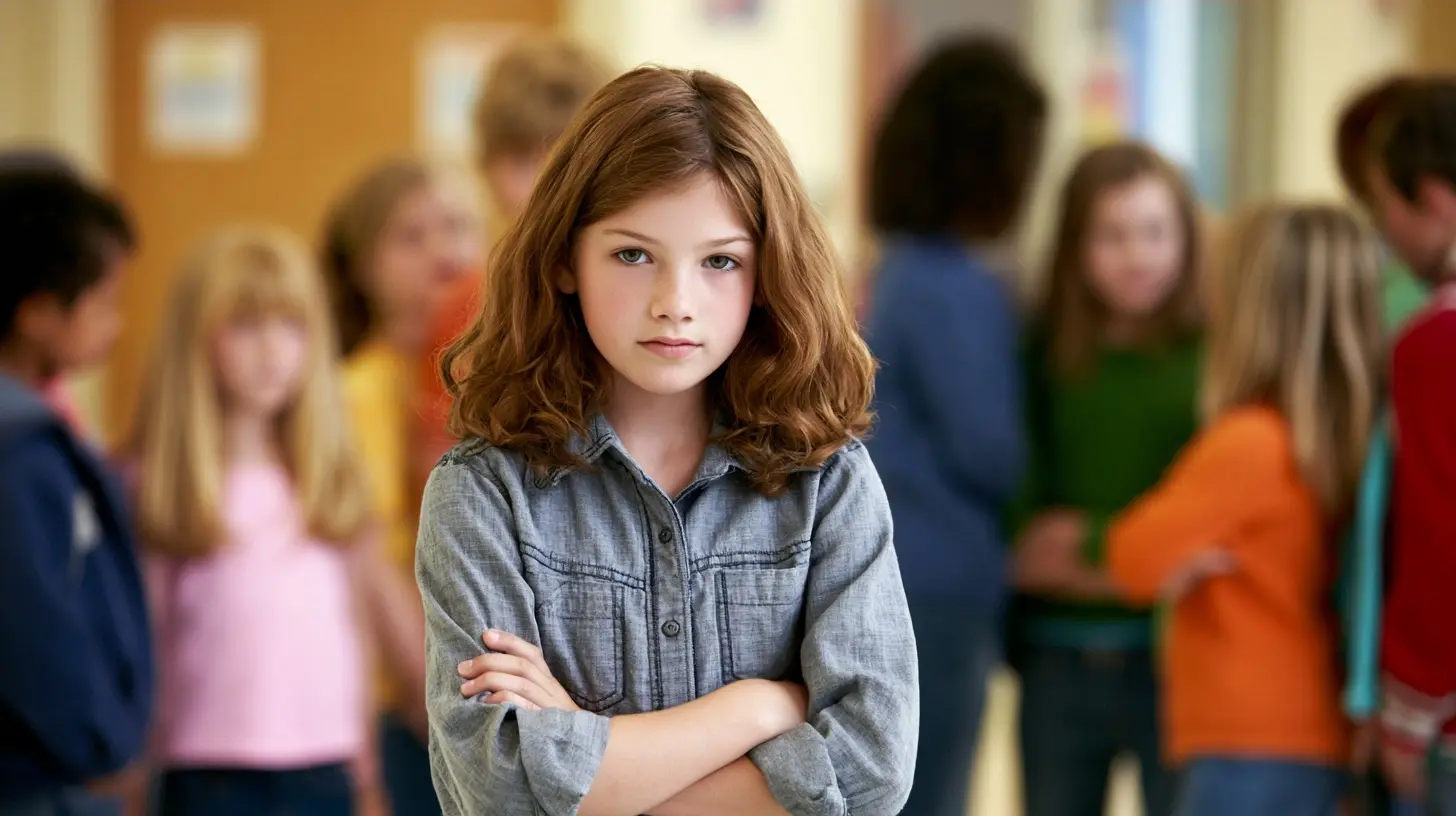
This is when cliques get real. Rules become explicit. There are leaders, followers, and outsiders. Social media often enters the picture, which amplifies everything because exclusion becomes visible and permanent in a way it never was before.This is also the age when parents are most likely to see genuine distress. Your child may come home crying, withdraw from activities, or suddenly change how they dress and talk.
Ages 13 to 15: The Hierarchical Years
Teen cliques are often more subtle and more brutal. Exclusion happens through omission rather than announcement. Group chats exist that your child is not in. Invitations dry up without explanation. The social stakes feel enormous because, developmentally, they are.At this age, your role shifts from problem-solver to consultant. You cannot fix this for them, and trying to will damage your relationship. What you can do is provide steady support, honest perspective, and a home that feels like a safe base.
The Most Common Mistakes Parents Make
Let us get these out of the way early, because avoiding them is half the battle.Mistake 1: Treating Every Exclusion as a Crisis
Kids exclude each other constantly, often without malice. If you intervene every time your child is left out of one game, you teach them that every social bump is an emergency. That is not a useful lesson.Mistake 2: Telling Your Child to "Just Be Nice"
This sounds kind, but it puts the burden on the excluded child to fix a situation they did not create. It also implies that if they were nicer, they would be included. That is often not true. Cliques exclude based on status, not merit.Mistake 3: Confronting the Other Kids
Do not do this. Ever. Confronting a clique directly, especially as an adult, almost always makes things worse for your child. It marks them as someone who needs adult protection, which is social poison in most peer groups.Mistake 4: Assuming the School Will Handle It
Schools can address bullying. They are much less effective at addressing exclusion, because exclusion is often not technically bullying. It is a gray area that leaves administrators with little to work with. Expecting the school to solve a clique problem usually leads to frustration.Mistake 5: Ignoring Your Child's Actual Experience
The opposite mistake is dismissing your child's pain because "kids are kids." Yes, kids are kids. But your child is living inside this, and minimizing it teaches them that their feelings do not matter. That is a much bigger problem than the clique itself.Practical Strategies That Actually Work
Now for the useful part. These strategies are organized by what they address, not by age, because most of them can be adapted across developmental stages.Strategy 1: Build Social Breadth, Not Just Depth
The single most protective factor against clique damage is having more than one social option. A child whose entire social world is one group has everything riding on that group. A child who has a friend in drama club, a friend on the soccer team, and a friend from the neighborhood has options.Why this works: Cliques derive power from scarcity. If your child believes this group is their only path to belonging, the group controls them. If they have alternatives, the group's power shrinks.
How to do it: Sign your child up for activities that attract different kinds of kids. Encourage friendships outside of school. Do not over-schedule, but do make sure there is more than one pond to swim in.
Strategy 2: Coach, Do Not Command
When your child comes to you upset about a clique, resist the urge to issue instructions. Instead, ask questions that help them think.- "What do you think was going on there?"
- "Who else in that group seems uncomfortable with how things are?"
- "What would you want to happen next?"
This approach works because it builds your child's social reasoning instead of making them dependent on your judgment. It also keeps you in the role of trusted advisor rather than manager.
Strategy 3: Normalize the Existence of Cliques Without Excusing Cruelty
Your child needs to hear two things at once: this is a common experience, and it is not okay for people to treat you badly. Those are not contradictory.You can say: "Cliques are a thing that happens in almost every school. That does not mean what they did was fine. It means you are not broken, and this is not your fault."
Strategy 4: Help Your Child Find Their People
Sometimes the best response to being excluded from one group is to find a different group that fits better. This is not giving up. It is strategic.Look for activities where your child's specific interests or strengths are valued. A kid who loves anime and feels like an outsider on the football team might find their people in a gaming club. A kid who is quiet and thoughtful might thrive in a smaller, more intimate friend group rather than a large, loud clique.
Strategy 5: Teach the Difference Between Being Included and Being Yourself
One of the saddest patterns in clique dynamics is a child who contorts themselves to fit in. They change their clothes, their opinions, their laugh, and their interests, all to maintain membership in a group that would drop them the moment they slipped.If you see this happening, name it gently. "I notice you have been dressing differently lately. Is that because you like it, or because you feel like you have to?"
This conversation matters because the long-term damage of clique membership is often not the exclusion itself. It is the years spent pretending to be someone else.
Strategy 6: Create a Home That Is a Soft Place to Land
You cannot control the schoolyard. You can control what your child comes home to. A home where they are accepted, where their interests are valued, and where they are not judged for social struggles is a powerful counterweight.This does not mean being a pushover. It means being steady. Your child needs to know that no matter what happens at school, there is one place where they do not have to perform.
Strategy 7: Know When to Escalate
Most clique situations do not require adult intervention. Some do. The line is usually crossed when the behavior becomes sustained, targeted, and harmful.Escalate if:
- Your child is being threatened, physically intimidated, or systematically harassed.
- The exclusion is coordinated and relentless over weeks or months.
- Your child shows signs of depression, anxiety, or self-harm.
- The behavior extends into cyberbullying or involves sharing private information.
In those cases, contact the school, document what is happening, and be persistent. Schools respond better to specific, documented patterns than to vague reports.
When Your Child Is the One Doing the Excluding
This is the conversation most parents avoid, and it is the one that matters most.If you discover your child is part of a clique that is excluding or mistreating others, do not panic and do not immediately go on the attack. Kids experiment with social power. What matters is how you respond.
Start with curiosity. "Tell me about your friend group. Who is in it? Who is not? Why do you think that is?"
Then be direct about your values. "In our family, we do not treat people as if they do not matter. If you are part of a group that does that, I need you to think about whether that is who you want to be."
You are not trying to force your child to be friends with everyone. That is unrealistic. You are trying to teach them that exclusion for the sake of status is not acceptable, and that they have the power to change the culture of their group.
The Long Game: What Actually Matters
Here is the perspective that helps most parents get through this phase without losing their minds. Cliques are temporary. The skills your child builds in navigating them are not.A child who learns to handle exclusion with resilience, to build friendships across different groups, to stand up for others, and to stay true to themselves when it would be easier to conform, is a child who is developing something far more valuable than popularity.
Your job is not to make sure your child is always included. That is impossible and, frankly, not the goal. Your job is to help them become someone who can handle the social world with grace, judgment, and a solid sense of who they are.
That takes time. It takes patience. It takes watching your child struggle and not rushing in to fix it. It is hard. It is also the work.
Final Thoughts
Cliques are not a problem to be solved once and for all. They are a stage of social development that every generation of kids moves through, sometimes gracefully and sometimes not. Your role as a parent is to be steady, observant, and honest.Listen more than you lecture. Ask questions more than you issue verdicts. Build breadth into your child's social world. Keep your home a place where they do not have to perform. And when the situation crosses from ordinary social friction into genuine harm, act clearly and without hesitation.
Your child will not remember every conversation you have about this. They will remember that you were there, that you took them seriously, and that you believed they could handle it. That is what carries them through.
all images in this post were generated using AI tools
Category:
Parenting And Social SkillsAuthor:

Austin Wilcox