The Role of Chores in Fostering Teamwork among Siblings
17 June 2026
Ah, chores—the dreaded word in every kid’s vocabulary! But what if I told you that those seemingly mundane tasks could do more than just keep your house from looking like a tornado hit it? Yep, chores can actually play a huge role in fostering teamwork among siblings.
Think about it: when kids work together to complete household tasks, they learn cooperation, accountability, and problem-solving skills—all while getting the job done (hopefully without too much bickering). So, let’s dive into how chores help siblings become the ultimate dynamic duo (or trio, or quartet… you get the idea).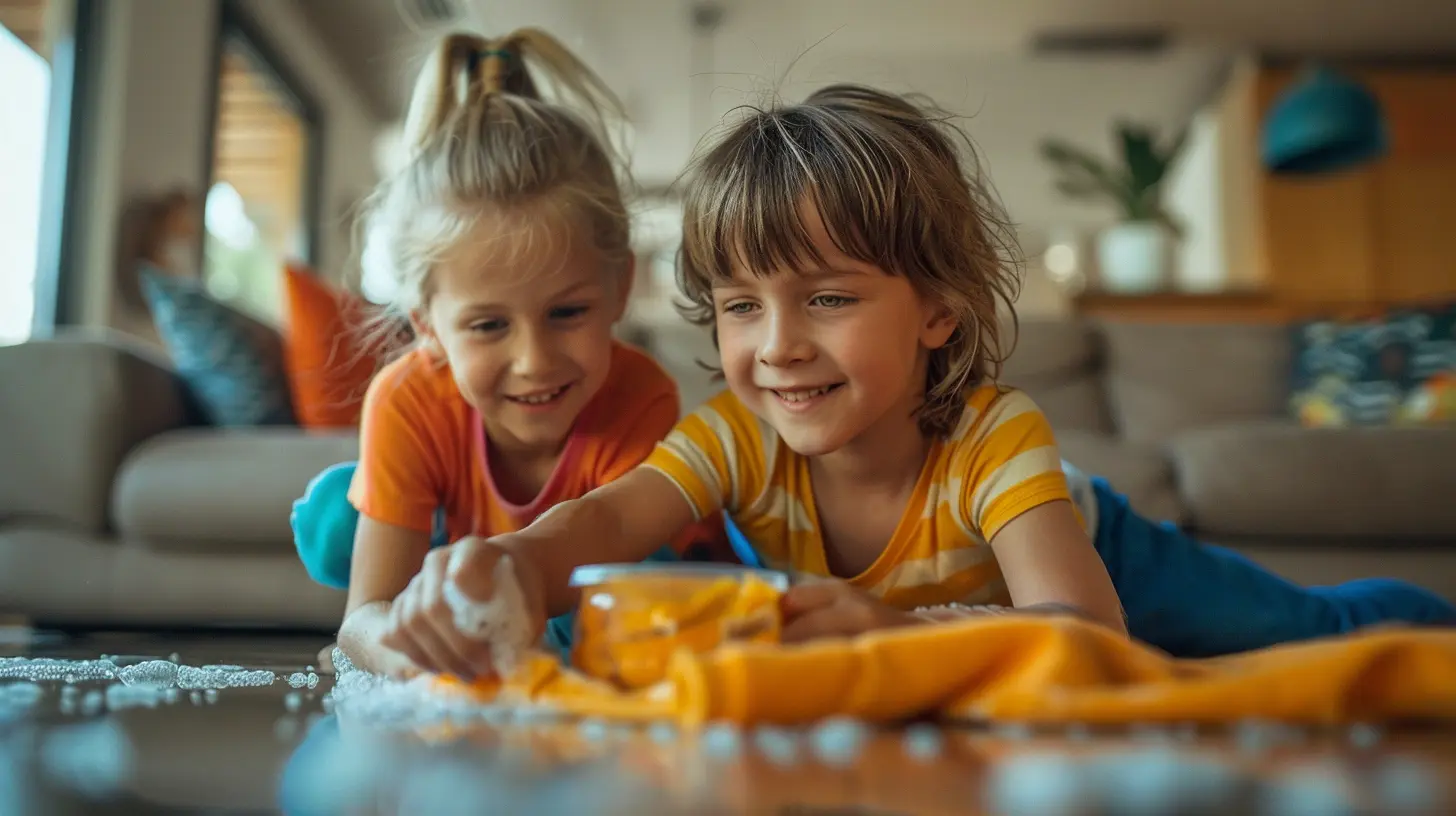
Why Teamwork Matters in Sibling Relationships
Sibling relationships are unique. Unlike friendships that come and go, siblings are stuck with each other—for life! That’s why learning to work together is crucial.When kids develop teamwork skills early on, they don’t just become better siblings—they become better friends, partners, employees, and leaders in the future. And let’s be real, what parent wouldn’t want their kids to grow up knowing how to share responsibilities and communicate effectively? 
How Chores Encourage Teamwork
Chores aren’t just about scrubbing dishes or folding laundry. They’re opportunities for kids to learn life skills that go beyond the home. Here’s how they foster teamwork:1. Teaching Responsibility and Accountability
When kids realize that their contribution matters, they take ownership of their tasks. If one sibling forgets to take out the trash and the other gets scolded because of it, they quickly learn that pulling their weight is important. When each person is accountable for their part, the house runs smoother—just like a well-oiled machine.2. Encouraging Communication
Ever seen kids try to load a dishwasher together? It’s basically a crash course in negotiation. “I’ll rinse if you load” or “You fold the towels, and I’ll handle the socks.” These little discussions teach them how to express preferences, compromise, and problem-solve—all essential teamwork skills.3. Building Conflict Resolution Skills
Let’s be honest—siblings arguing over who did more work is practically a universal experience. But here’s the silver lining: these small conflicts teach kids how to handle disagreements, find fair solutions, and move on. Learning to resolve disputes in a healthy way is a skill that will benefit them for life.4. Instilling a Sense of Equality
When chores are divided fairly, kids understand that everyone has a role to play. No one gets to slack off while the other picks up the slack (at least, not without consequences). This promotes fairness and prevents resentment between siblings.5. Developing Empathy and Cooperation
Helping a sibling finish a chore when they’re feeling under the weather or stepping in when they’re overwhelmed teaches kindness. Over time, they begin to see themselves as a team rather than competitors—and that’s a win for the whole family.
Making Chores Fun (Yes, It’s Possible!)
Let’s be real—getting kids excited about chores is like convincing them that vegetables are just as good as candy. But with a little creativity, you can turn boring household tasks into something (somewhat) enjoyable. Here’s how:1. Turn It into a Game
Time challenges, scavenger hunts, or a friendly sibling competition can turn mundane tasks into exciting missions. “Who can fold the most T-shirts in five minutes?” Watch them suddenly become speed-folding champions!2. Play Some Music
Nothing makes cleaning more bearable than a good playlist. Let the kids take turns picking songs—before you know it, they’ll be dancing their way through chore time.3. Use a Reward System
A little incentive never hurt anyone! Sticker charts, extra screen time, or a special treat at the end of the week can motivate kids to work together efficiently. Just make sure the rewards don’t turn into bribes (we all know how that can backfire).4. Let Them Choose Their Tasks
Giving your kids some control over which chores they handle can make a big difference. When they feel like they had a say in the process, they’re less likely to resist.5. Work Together as a Family
Kids mimic what they see. If parents pitch in alongside them, chores feel less like punishment and more like a family effort. Plus, it’s a great way to bond while getting stuff done.
Chore Ideas Based on Age Groups
If you’re wondering what chores are appropriate for different age groups, here’s a handy guide:Ages 3–5
- Picking up toys- Dusting with a cloth
- Matching socks
- Watering plants
Ages 6–9
- Setting the table- Sweeping small areas
- Folding laundry
- Feeding pets
Ages 10–12
- Washing dishes- Taking out the trash
- Vacuuming
- Helping with meal prep
Teens (13+)
- Mowing the lawn- Washing the car
- Cooking simple meals
- Managing laundry
Assigning age-appropriate chores ensures that kids feel capable rather than overwhelmed. It also teaches them that responsibilities grow as they do.
Overcoming Common Challenges
Let’s face it—getting kids to do chores without complaints can be… challenging. Here’s how to tackle common obstacles:1. "That’s Not Fair!"
Kids have an uncanny ability to spot injustice—especially when it comes to chores. Regular family meetings to discuss task distribution can help keep things fair and prevent arguments.2. "I Don’t Want to Do It!"
Ah, the classic protest. Sometimes, kids just don’t feel like doing chores (just like adults, right?). A little encouragement, coupled with consistent expectations, can help them push through the resistance.3. The “Redo” Syndrome
Parents, we’ve all been there—you ask your child to clean up, and the result is… questionable at best. Instead of taking over and fixing it yourself, show them how to do it properly next time. Practice makes perfect!The Long-Term Benefits of Teamwork Through Chores
In the grand scheme of things, chores are about more than just keeping the house tidy. They teach essential life skills that prepare kids for adulthood. When siblings learn to work together at home, they develop:- Strong problem-solving skills
- A sense of responsibility
- Patience and empathy
- The ability to collaborate with others
These are qualities that will serve them well in school, work, relationships, and beyond. And who knows? Maybe one day, they’ll even (gasp) thank you for teaching them these skills!
Final Thoughts
Chores might not be the most beloved part of childhood, but they play a pivotal role in fostering teamwork among siblings. When kids learn to share responsibilities, work together, and support each other, they build stronger bonds that last a lifetime.So the next time your kids roll their eyes at chore time, remind them: teamwork makes the dream work—and yes, even when that "dream" is just a clean kitchen!
all images in this post were generated using AI tools
Category:
Chores For KidsAuthor:

Austin Wilcox
Discussion
rate this article
1 comments
Quorra Gilbert
What if chores could unlock hidden bonds between siblings? The mundane tasks might just be the secret key to a deeper understanding... and unexpected alliances could emerge.
June 21, 2026 at 2:19 AM
Austin Wilcox
That's a fascinating perspective! Chores can definitely create shared experiences that strengthen sibling ties in ways we might not expect. It's all about those moments we sometimes overlook.