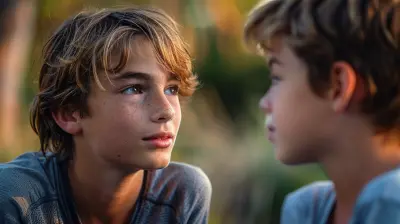
Teaching Children Empathy to Combat Sibling Rivalry
27 June 2026
Ah, sibling rivalry — the never-ending tug-of-war you didn’t know you signed up for when you thought having more than one kid was a great idea. One minute, your kids are giggling like best friends over a shared popsicle, and the next, they're reenacting a full-blown WWE wrestling match over who looked at the other funny.
If you’re reading this, chances are you’ve refereed one too many “he started it!” battles. But what if I told you that the not-so-secret ingredient to mellowing out that sibling storm is empathy?
Yep, teaching children empathy isn’t just about raising nice little humans who help old ladies cross the street. It’s a seriously powerful tool for cooling the fires of sibling rivalry and turning your home into a drama-free (mostly) zone.
Let’s unpack the beautiful chaos and see how we can teach empathy so well that your kids might just start offering each other the last cookie. Okay, maybe the second-to-last cookie.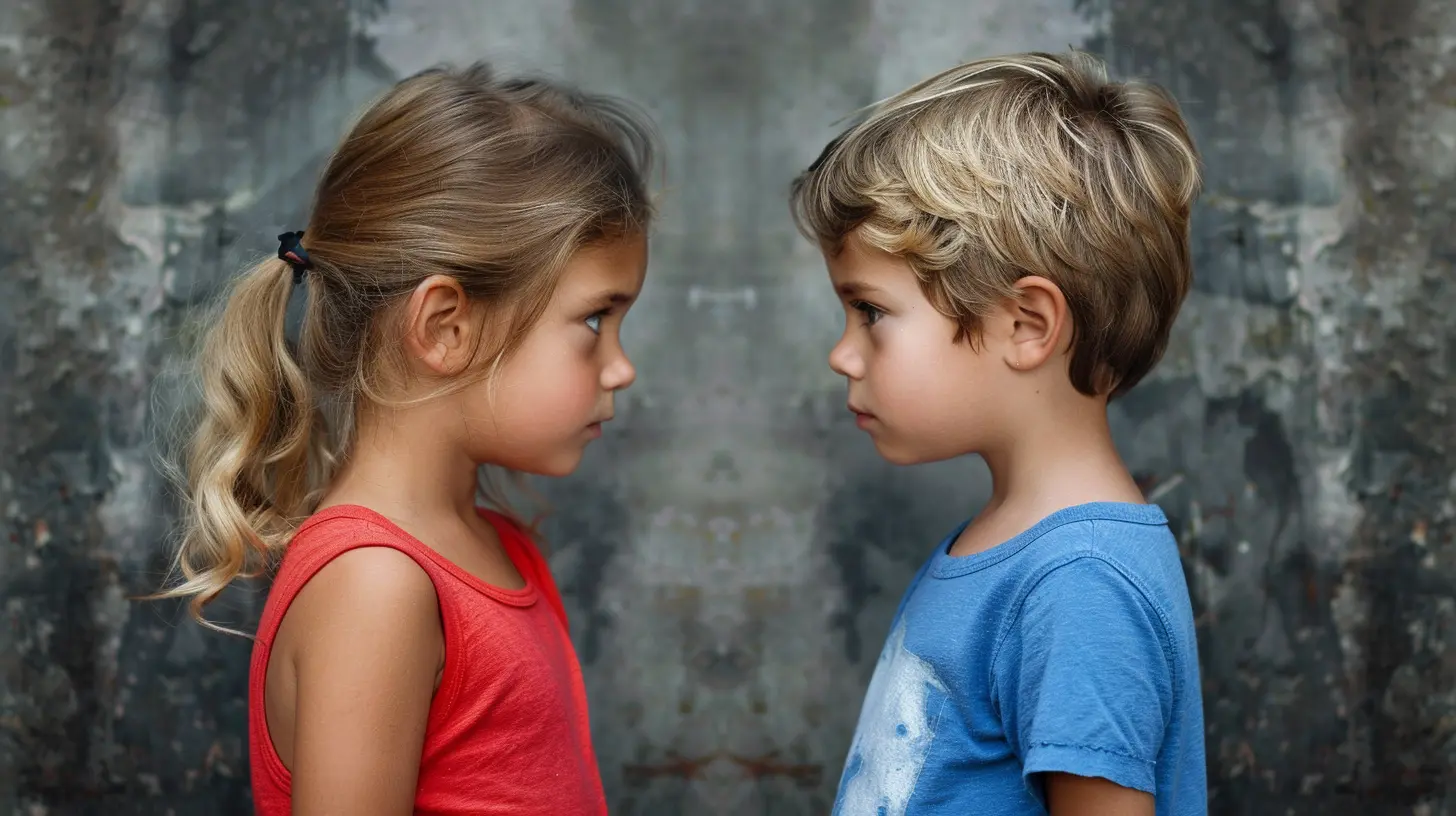
What Even Is Empathy? (And Why Should Kids Care?)
Alright, before we dive headfirst into strategies and tips, let’s get cozy with empathy. Simply put, empathy means understanding and sharing another person’s feelings. It’s seeing things from their shoes — even if those shoes are Crocs with cartoon charms and smell like playground dirt.For kids, empathy is being able to recognize that their sibling’s tears after a Lego mishap are valid, even if they were caused by a tiny plastic brick falling apart (again). It’s the secret sauce that shifts their thinking from “I want it!” to “How would I feel if that happened to me?”
When children learn empathy, it doesn’t just limit tantrums. It actually helps them:
- Communicate better
- Resolve conflicts peacefully
- Build stronger relationships
- Develop emotional intelligence
And yes, it dramatically reduces the need for you to repeat, “Can’t you two just get along?” a hundred times a day.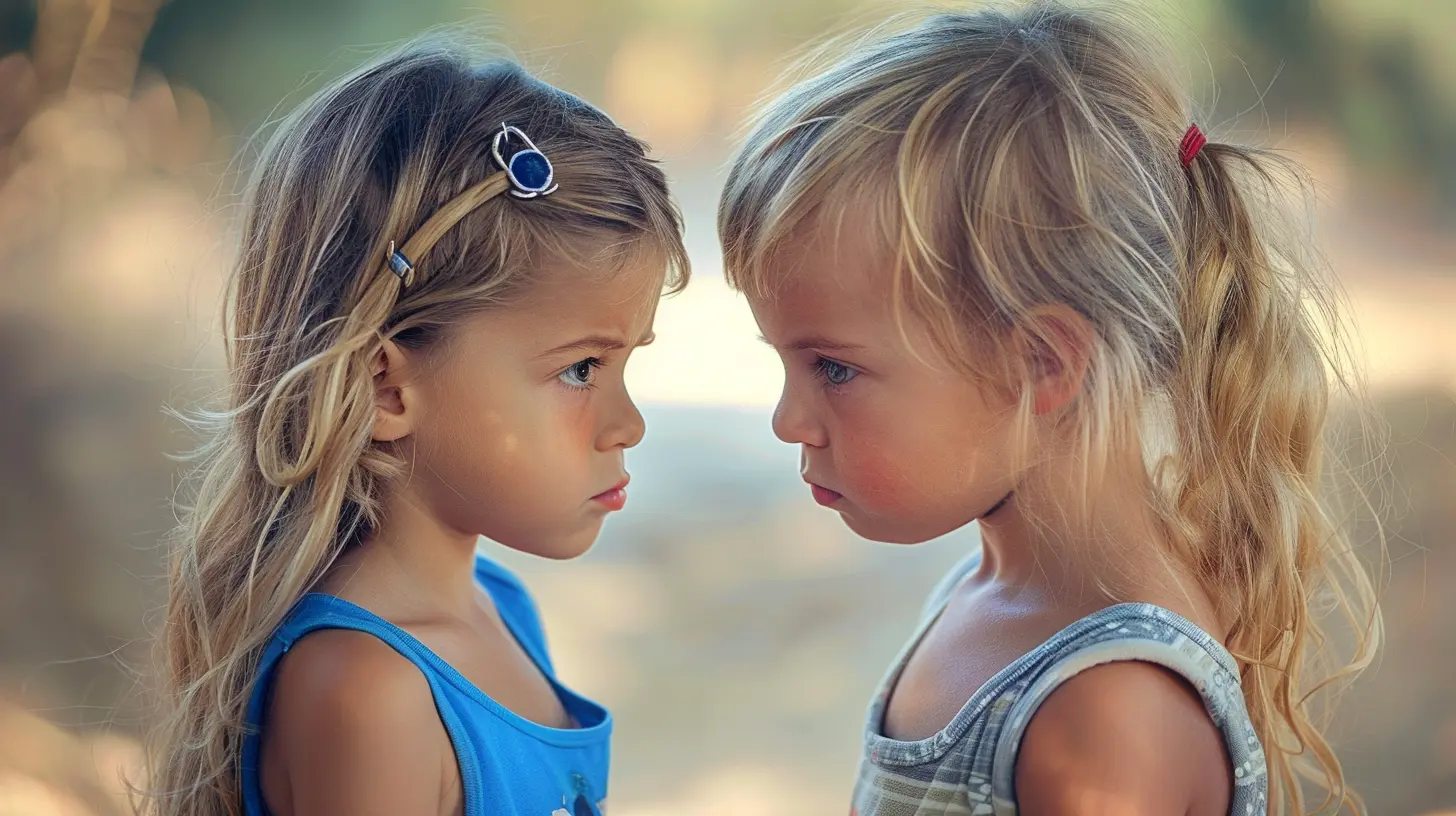
Sibling Rivalry: The Wild Beast in the Living Room
We’ve all seen it. The classic sibling spat: toy tug-of-war, accusations of favoritism, whining about who sat in the front seat last. It’s universal, ongoing, and often irrational. But here’s the twist — rivalry usually isn’t about the toy, the seat, or even the missing cookie. It’s about attention, fairness, and feeling valued.Kids have a radar for justice sharper than a courtroom lawyer. If one thinks the other is getting more love, more praise, or more screen time, boom — cue the conflict.
Enter empathy. When kids actively understand how their sibling feels, their competitive instincts cool off. Suddenly, it’s not just about “me me me.” It becomes “me and you.”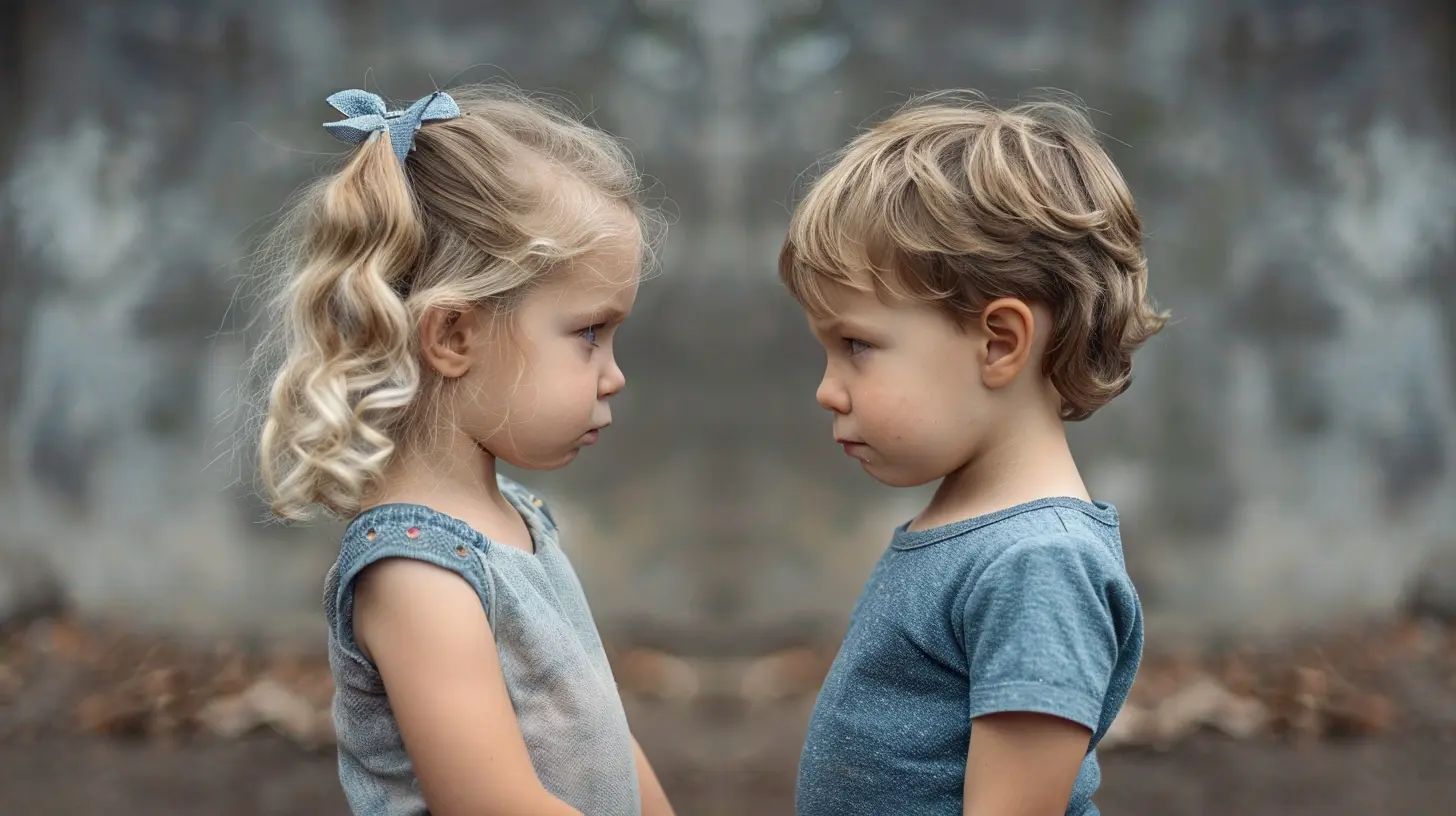
The Problem With “Just Be Nice” Parenting
Let’s be real, telling your kids to “just be nice” is about as effective as yelling “be calm” during a toddler meltdown. It sounds good, but it doesn’t quite teach them how.Empathy isn’t about surface-level niceness. It’s about emotional insight. And the key? Model it, teach it, and practice it — every single day.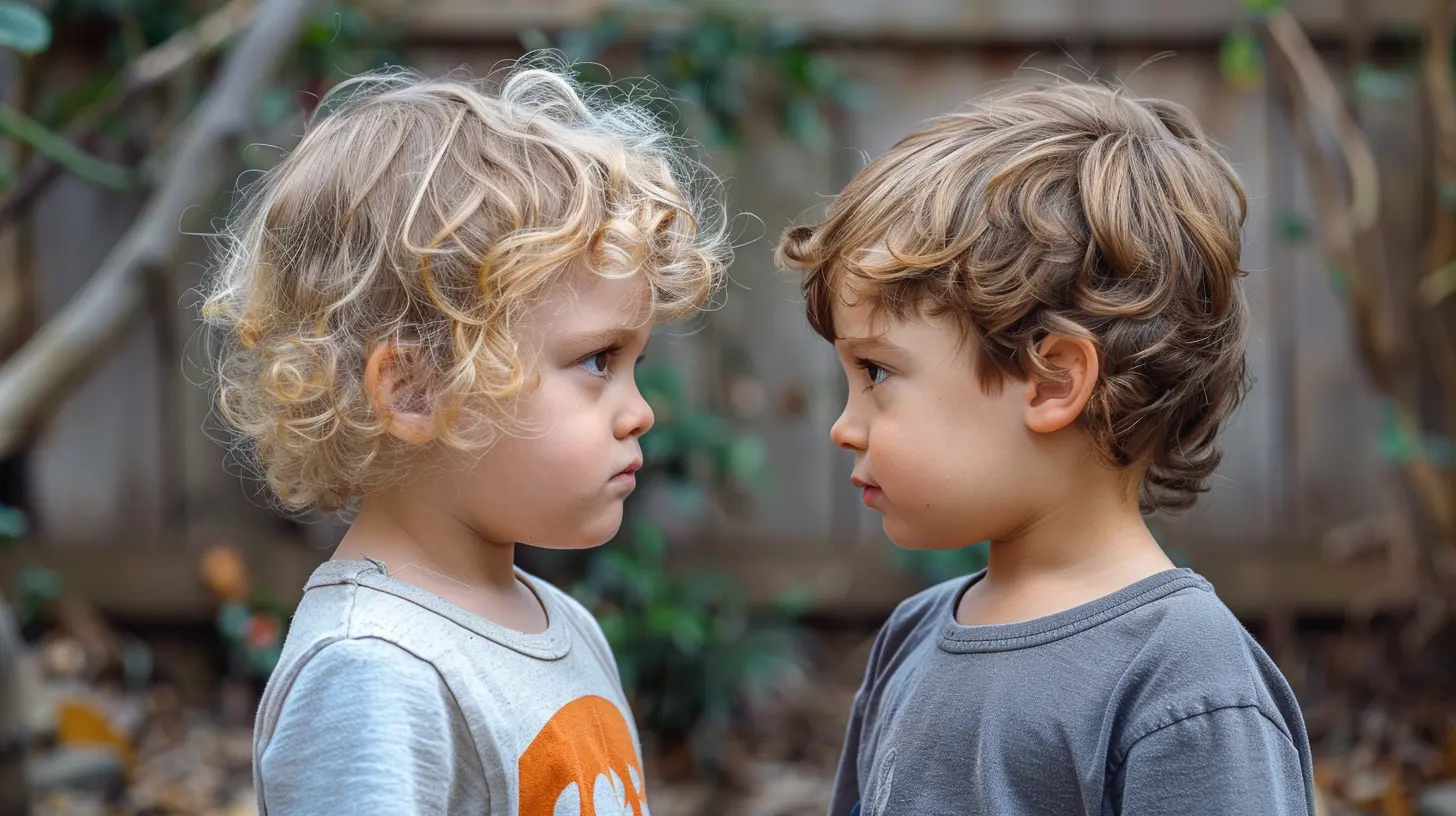
How to Teach Empathy (Without Turning It into a Lecture)
Okay, now we reach the juicy part: how do we actually teach empathy to our kids so they stop treating their siblings like arch-nemeses?We don’t need a PhD in child psychology — just some patience, creativity, and maybe a sense of humor. Here’s how:
1. Be the Empathy Role Model
Kids don’t do what we say. They do what we do. So if you’re calmly acknowledging their feelings, validating their frustrations, and talking things through kindly, they’ll pick it up like a sponge.Let them see empathy in action. If your child is upset, say something like:
> “I can see you're really frustrated because your tower fell. That must be upsetting after working so hard.”
It’s not magic, but it plants the seed.
2. Label Emotions Like a Feelings DJ
Kids often lash out because they don’t know what they’re feeling. (Heck, adults do that too.) By helping label emotions — “You seem sad” or “Are you feeling angry because your brother turned off the TV?” — you’re giving them the vocabulary to empathize with others.Try using a feelings chart on the fridge. Bonus points if the faces are adorably ridiculous (kids love that).
3. Read Books About Feelings (But Not the Boring Ones)
There are SO many amazing children’s books that highlight empathy and emotions without sounding preachy. Books let kids witness emotional scenarios from a safe distance — kind of like empathy training wheels.Some good ones?
- “Have You Filled a Bucket Today?” by Carol McCloud
- “Enemy Pie” by Derek Munson
- “How Full Is Your Bucket? For Kids” by Tom Rath
Get animated while reading. Voice the characters. Pause and ask, “How do you think she felt when that happened?”
4. Use Real-Life Moments as Teaching Gold
Your kids are arguing about a toy again. You’re tempted to scream into a pillow. Instead, pause and say:> “How do you think your sister felt when you took that doll without asking?”
Let them squirm with that question. It builds the mental bridge from action to consequence to emotion.
This reflection turns a basic fight into a lesson in empathy.
5. Practice Perspective-Taking as a Game
Turn empathy into playtime! Try this game at dinner:> “Imagine you’re your brother. What would you say if your sister grabbed your toy?”
Or play “Feelings Detective.” Watch a cartoon and pause to guess how the characters feel and why.
Kids love to pretend. So let’s get them pretending with purpose.
6. Celebrate Kindness, Not Just Achievements
We often cheer for our kids when they score a goal or get an A. But what about when they comfort a sad sibling or share their snack?Say things like:
> “Wow, you noticed your sister was upset and gave her a hug. That was really thoughtful.”
Validating kindness reinforces empathy like nothing else.
7. Give Each Child Individual Attention
A lot of sibling rivalry stems from feeling unseen or unloved. So take time to connect with each child one-on-one. Even 10 minutes of undivided attention can refill their love tank and cool down competition.It isn’t about quantity; it’s about quality. No phones. No multitasking. Just you and them.
8. Normalize Apologies and Emotional Repair
Saying sorry is step one. Understanding why we’re sorry is where empathy comes in.Instead of forcing an apology, guide your child through it:
> “What happened? How do you think your brother felt when you hit him with that toy dinosaur? What could you say to help him feel better?”
Teach the art of the apology — not just lip service, but a path to emotional healing.
The Long Game: Empathy Takes Time (But It’s Worth Every Second)
Here’s a little reality check: teaching empathy isn’t instant noodles. It’s more like a slow-cooked stew. Messy, unpredictable, but oh-so-rewarding.There will still be fights. Shoes will still be thrown. But over time, those emotional connections your kids are building will become stronger roots than you ever dreamed of. They'll become adults who communicate, relate, and care.
And someday, when they’re older, maybe even roommates navigating adulthood—it won’t turn into another edition of the sibling rivalry chronicles. It might just be two best friends who know how to treat each other right.
Final Thought: You’re Not Just Raising Kids — You’re Raising Humans
Empathy isn’t just about dealing with sibling squabbles. It’s about raising emotionally intelligent little creatures who will one day navigate jobs, relationships, and even parenthood themselves.So yes, teaching empathy takes effort. But in a world that needs more kindness, self-awareness, and understanding, you're doing the brave and beautiful work of changing the future — one bedtime story and sibling squabble at a time.
Quick Recap: Your Empathy-Raising Toolkit
- Model empathy every. single. day.- Label emotions out loud.
- Use books and storytelling to teach feelings.
- Ask perspective-taking questions.
- Turn arguments into learning moments.
- Applaud kindness, not just success.
- Spend one-on-one time.
- Normalize meaningful apologies.
all images in this post were generated using AI tools
Category:
Sibling JealousyAuthor:
Austin Wilcox
Discussion
rate this article
1 comments
Kirk Wright
This article provides valuable insights on fostering empathy in children. Teaching them to understand and appreciate each other's feelings can significantly reduce sibling rivalry and strengthen their bond.
July 6, 2026 at 3:15 AM
Austin Wilcox
Thank you for your insightful comment! I truly believe that fostering empathy can create stronger connections among siblings.