Teaching Fairness Without Promoting Jealousy
10 March 2026
Fairness is one of those big, important life lessons we all want to teach our kids. But let's be honest—it’s tricky. The moment you try to make things "fair," there's always that little voice from across the room yelling, "That’s not fair!" Sound familiar?
The challenge is teaching fairness without triggering jealousy. Because let’s face it—kids (and let’s be real, even adults) can struggle with envy when things don’t go exactly their way.
So, how do we raise fair-minded kids without turning them into envious comparison machines? Let’s dive in!
Understanding Fairness vs. Equality
The first thing to teach kids? Fairness doesn’t always mean things are equal. It means everyone gets what they need—which isn’t always the same thing.Think of it this way: If one child needs glasses to see the board at school, do we give glasses to every child in the class to be "fair"? Of course not! Fairness is about meeting needs, not making everything identical.
Children often think fairness means "everyone gets the same." But real fairness is more complex. Helping kids understand this early can prevent a lifelong habit of comparing themselves to others.
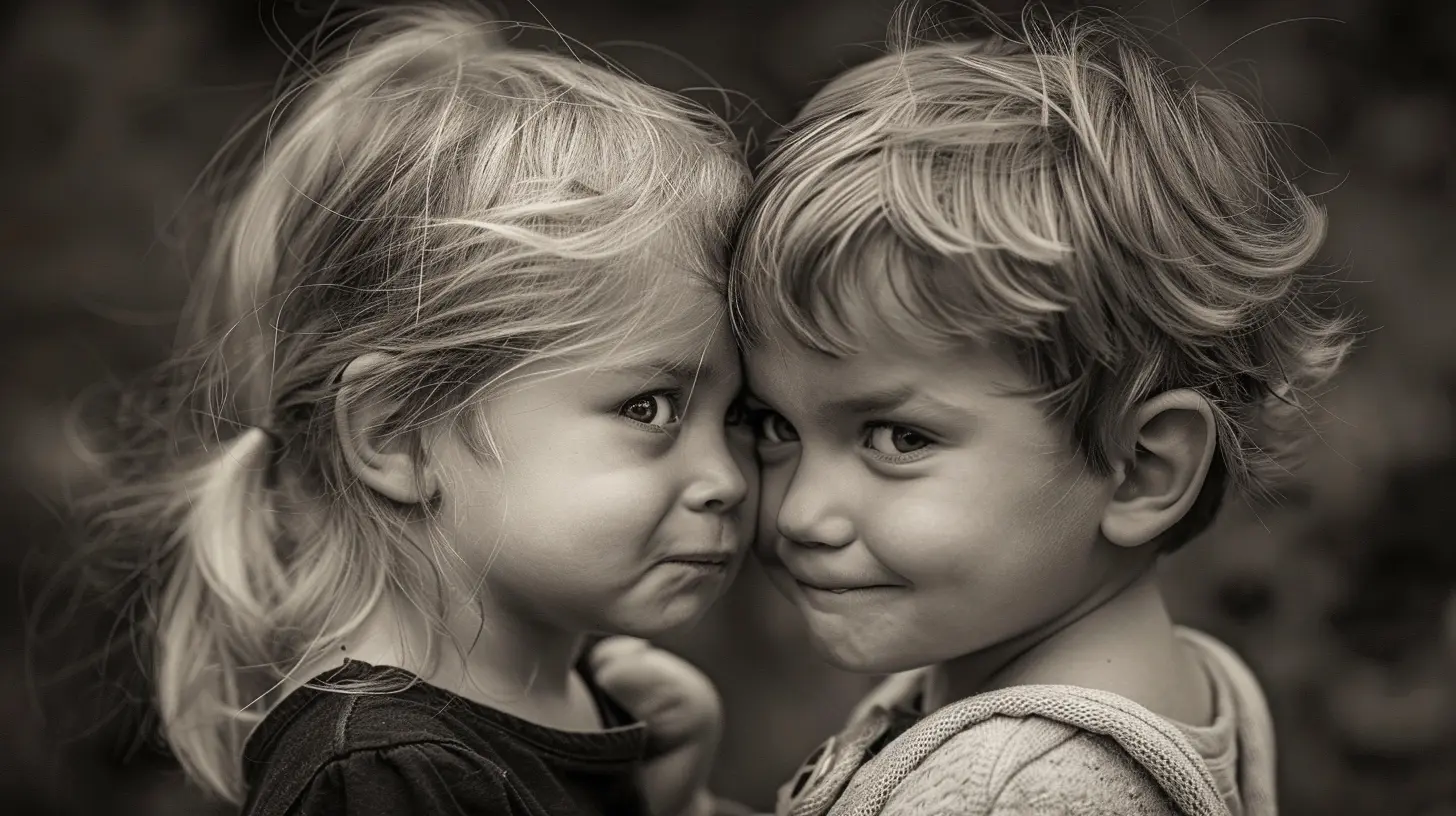
1. Validate Their Feelings Without Encouraging Comparison
When kids feel slighted, our first instinct might be to say, _"Stop being jealous."_ But here’s the thing—jealousy is a natural emotion. Instead of shutting it down, help them process it.For example:
- If your child says, "Why does my sibling get a new toy and I don’t?", instead of saying, _"Because life isn’t fair!"_, you could say:
"I understand why that feels unfair. Right now, your sibling needed something, just like you might need something in the future."
This validates their feelings but redirects their focus toward understanding—not competition.
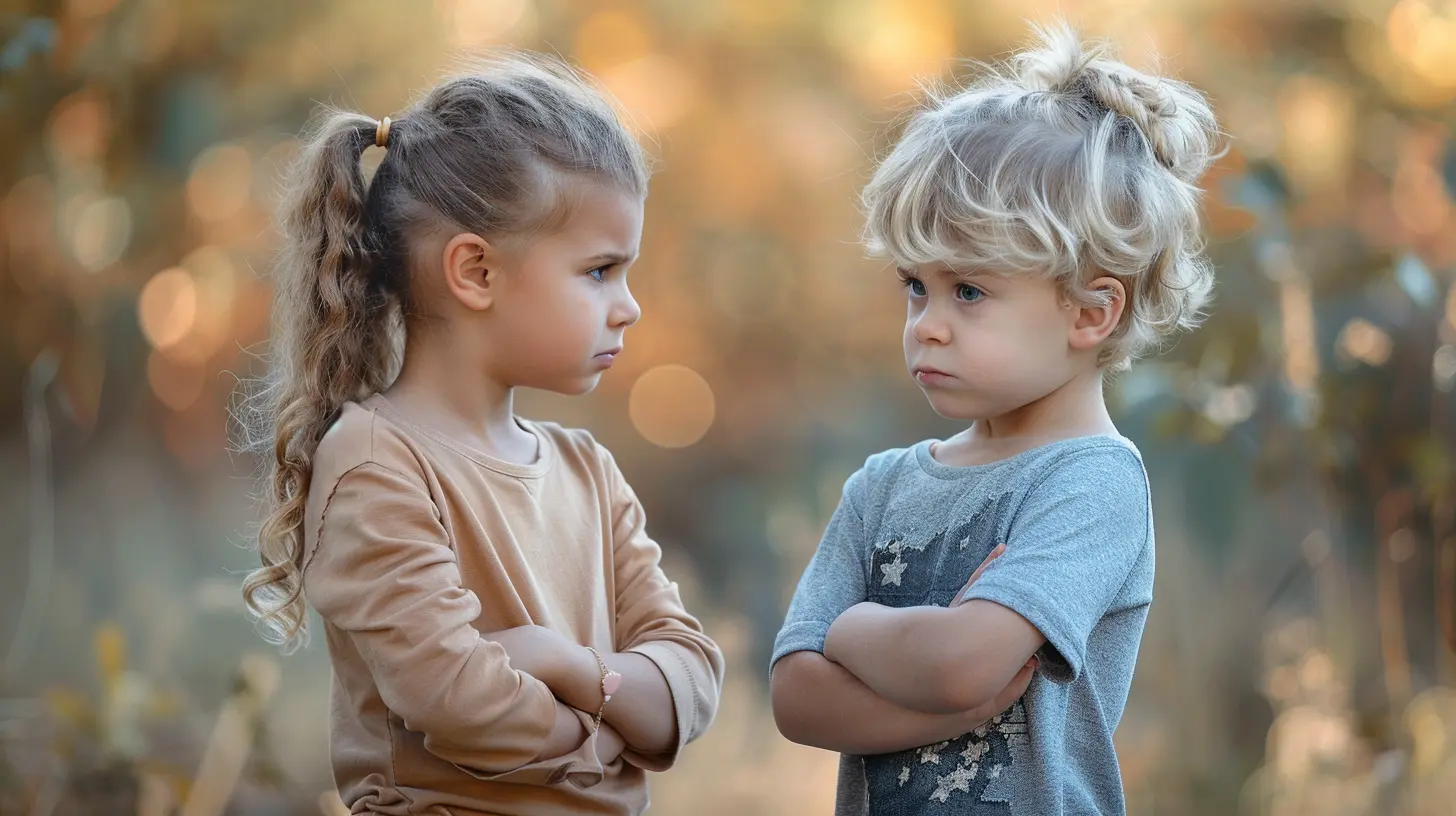
2. Use Everyday Examples to Explain Fairness
Kids learn best through real-life examples. Try using situations they can relate to:- Food portions: If one child is hungrier than the other, they get a bigger portion. That’s fair, even if it's not equal.
- Bedtimes: Older kids might get a later bedtime because they don’t need as much sleep. That’s fair, even if it’s not equal.
- Help with schoolwork: A child struggling in math might get extra tutoring. That’s fair, even if everyone else doesn’t get the same amount of help.
By reinforcing these small lessons daily, kids start to understand that fairness isn’t about getting an identical slice of the pie—it’s about getting what’s needed.
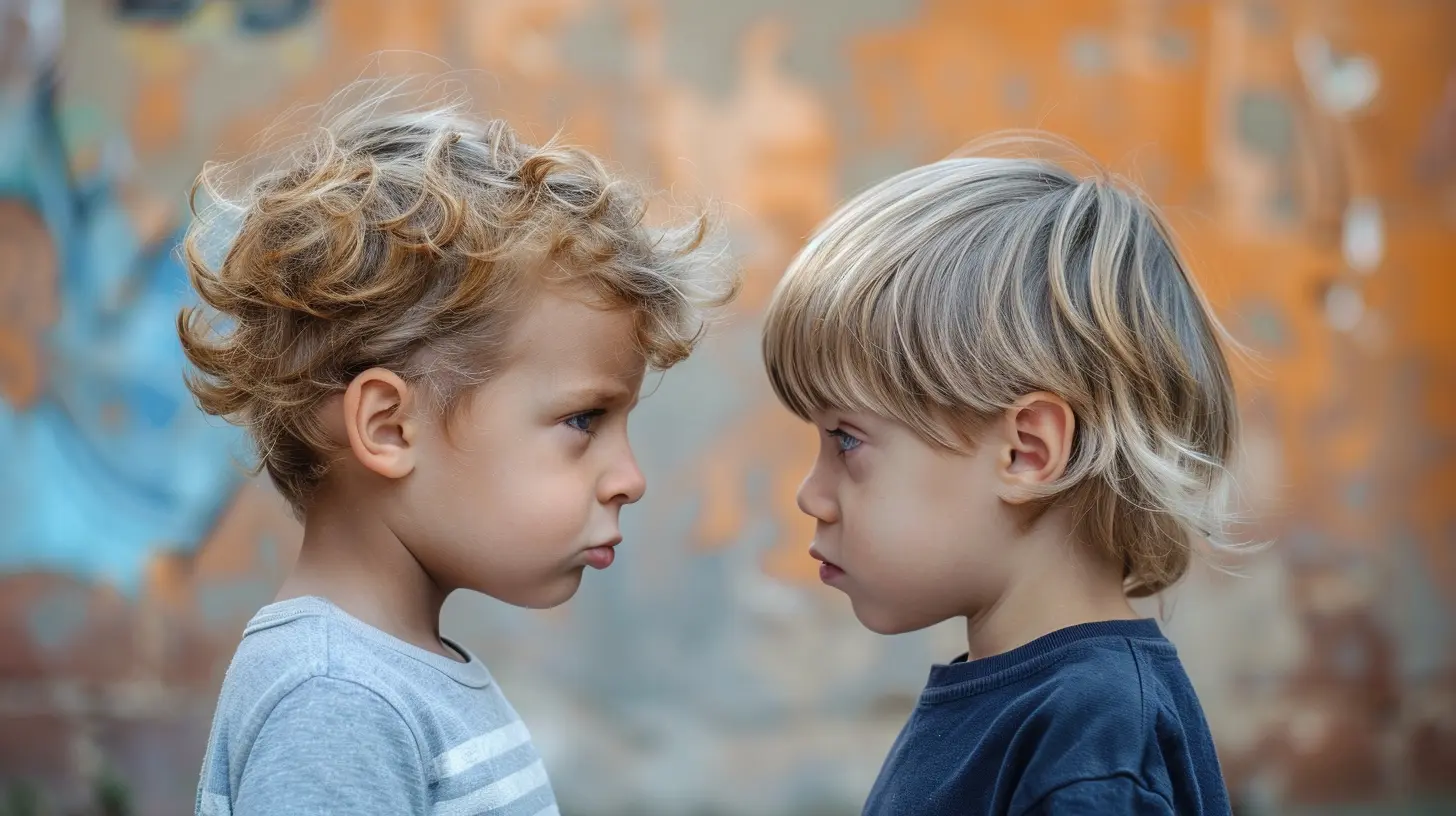
3. Encourage Gratitude Instead of Competition
Jealousy often starts when kids feel like they’re missing out. A great way to curb this is by fostering gratitude.Try a simple gratitude exercise, like:
- "Tell me one thing today that made you happy."
- "What’s something nice someone did for you this week?"
When kids focus on what they have rather than what others are getting, jealousy loses its grip.
4. Avoid Rewarding Every Action the Same Way
This is where things get tricky. As parents, we sometimes default to fairness by making everything the same. But not all efforts deserve the same reward.For example:
- If one child studied hard for a test and earned an A, should their sibling get a reward just for existing? Nope!
- If one kid helps clean the house, should the other kid get an allowance for doing nothing? Again, nope!
Teaching kids that effort leads to rewards (rather than just existing in the same space as their siblings) helps keep expectations realistic and jealousy at bay.
5. Encourage Individual Strengths and Achievements
Each child is unique, and part of promoting fairness is celebrating individuality.Instead of comparing, encourage them to lean into their own strengths:
- "Your brother is great at soccer, and you’re amazing at drawing!"
- "Your friend might be good at math, but you have a talent for storytelling!"
By highlighting what makes them special, they’ll spend less time worrying about what they don’t have and more time appreciating what they do.
6. Teach Generosity and Empathy
Fairness isn’t just about getting—it’s also about giving. Teaching kids to feel joy in seeing others happy can help counteract jealousy.Practical ways to do this:
- Encourage sharing: Not just with toys, but also time and kindness.
- Model generosity: When kids see parents helping others without expecting something back, they learn generosity too.
- Praise selfless acts: If your child shares something, acknowledge it—“That was really kind of you to share with your friend!”
The more they experience the joy of giving, the less they’ll focus on what they aren’t getting.
7. Be Honest About Life’s Natural Unfairness
Let's be real. Life isn’t always fair, and pretending it is doesn’t do kids any favors.Sometimes, they’ll see a friend get something amazing while they get nada. Sometimes, they’ll work hard and not win. That’s life.
Instead of sugarcoating it, acknowledge it:
- "Yep, sometimes things feel unfair. But that doesn’t mean something good isn’t coming your way soon."
- "Fairness doesn’t mean everything happens at the same time for everyone."
Helping kids accept this early prepares them for adulthood, where fairness doesn’t always follow a perfect formula.
8. Model Fairness in Everyday Life
Kids absorb everything they see us do. If they see us constantly comparing ourselves to others or complaining about fairness, they’ll do the same.Try this instead:
- Show fairness in your relationships—whether at work, with friends, or even with your kids.
- Avoid playing favorites, but recognize individual needs.
- Use language that reflects fairness: “We give what’s needed, not just what’s the same.”
When kids see us practicing fairness without jealousy, they’ll naturally follow suit.
Final Thoughts: Helping Kids See Fairness Positively
Teaching fairness without encouraging jealousy is all about shifting their perspective. Instead of seeing fairness as _getting exactly what someone else has_, help them see it as everyone getting what they need at the right time.When kids grasp this, they become more grateful, generous, and understanding—qualities that will serve them well throughout life.
So next time you're caught in the crossfire of a sibling battle over "fairness," take a deep breath and guide them toward a bigger, better understanding. You’ve got this!
all images in this post were generated using AI tools
Category:
Sibling JealousyAuthor:
Austin Wilcox
Discussion
rate this article
2 comments
Xavier McMillen
Emphasizing collaboration over competition fosters a sense of community, helping children understand fairness while nurturing gratitude and empathy to combat jealousy.
March 22, 2026 at 3:57 PM
Austin Wilcox
I completely agree. Collaboration really can build community and teach valuable life skills like empathy and gratitude. It's essential for healthy development.
Gabriel McQuade
This article brilliantly navigates the delicate balance of teaching fairness while avoiding jealousy in children. By fostering empathy, celebrating individual strengths, and encouraging collaboration, we can instill values of fairness without creating competition. These insights provide a valuable roadmap for nurturing harmonious sibling relationships and friendships.
March 14, 2026 at 4:12 AM
Austin Wilcox
Thank you for your thoughtful comment! I'm glad you found the insights on fostering empathy and collaboration helpful in promoting fairness among children.