Teaching Kindness and Empathy in a Competitive Society
9 August 2026
Every parent I talk to says the same thing: they want their children to be kind. But when I ask what they actually spend time reinforcing, the answer usually involves grades, trophies, and test scores. This is not hypocrisy. It is the quiet pressure of living in a culture that measures worth by achievement. The real challenge is not convincing parents that kindness matters. It is helping them see that kindness and ambition are not opposites, and that teaching empathy does not mean raising a child who cannot compete.
The problem is that we have built a false binary. We act as if children must choose between being successful and being good. That is a dangerous framing, because children absorb it quickly. They see that we celebrate the winner, not the helper. They hear us talk about college admissions and scholarships more than we talk about character. And they learn, very early, that the world rewards the loud, the fast, and the first.
But here is what I have learned from watching families that get this right: kindness is not a soft skill. It is a survival skill. Empathy is not a luxury for children who already have enough advantages. It is the foundation of every meaningful relationship they will ever have, including the professional ones. The child who can read a room, understand a colleague's frustration, or negotiate a conflict without destroying trust is not at a disadvantage. That child is leading.
The goal of this article is not to tell you to stop caring about achievement. It is to show you how to build both. You can raise a child who is kind and competitive. You can raise a child who is empathetic and ambitious. But it takes deliberate practice, and it requires you to push back against some very strong cultural currents.

Why Kindness Feels Unnecessary in a Competitive World
We live in a society that confuses scarcity with reality. There is a belief, deeply embedded in modern parenting culture, that opportunities are limited and that other children are competitors for those opportunities. This mindset starts early: preschool admissions, advanced math tracks, travel sports teams. Everywhere you look, there is a ranking.The problem is that this scarcity mindset teaches children to see other people as obstacles. If my child is kind to a classmate, does that mean he is wasting time he could spend studying? If she shares her ideas in a group project, does that mean she is giving away her advantage? These are the unspoken questions that shape how we parent, even when we do not realize it.
But the research and the lived experience of successful adults point in the opposite direction. The most effective people in any field are almost never the ones who stepped on others to get ahead. They are the ones who built networks, earned trust, and understood the needs of the people around them. Kindness is not a distraction from success. It is a tool for success, because it creates the conditions for collaboration, loyalty, and long-term reputation.
I am not saying that every kind child becomes a CEO. But I am saying that the idea of the ruthless winner is mostly a myth. It is a story we tell ourselves to justify our own anxiety. The reality is that most meaningful achievements require other people. And other people do not help you because you are smart. They help you because they like you and trust you.

The Difference Between Kindness and Empathy
Before we go further, we need to be clear about what we are actually teaching. Kindness and empathy are related, but they are not the same thing. Kindness is a behavior. It is holding the door, sharing a snack, saying thank you. Empathy is a capacity. It is the ability to feel what someone else is feeling, or at least to understand it intellectually.You can be kind without empathy. You can hold the door because you were taught to, even if you do not care about the person behind you. And you can have empathy without kindness. You can feel deeply for someone and still do nothing to help them, or even hurt them because you are overwhelmed by their pain.
Both are important, but they are developed differently. Kindness is taught through habit and modeling. You show a child what kindness looks like, you practice it, you praise it. Empathy is developed through conversation and perspective-taking. You ask a child, "How do you think she felt?" You read stories and discuss the characters' motivations. You help them name emotions, both their own and others'.
The mistake many parents make is focusing only on behavior. They demand that children say "sorry" or "please" without ever helping them understand why those words matter. The result is a child who performs politeness but lacks genuine concern for others. That child will not be truly kind in a crisis. They will only be polite when it is convenient.
So when you are teaching empathy, do not just correct behavior. Ask questions. Slow down. Help your child sit with the discomfort of someone else's experience. That is the hard part, and it is the part that actually builds character.

The Hidden Cost of Over-Praising Achievement
We all want our children to feel good about themselves. But the way we praise them matters more than we think. When we constantly praise outcomes, we teach children that their worth is tied to results. When we praise effort and character, we teach them that they have value regardless of the outcome.This seems simple, but it has deep implications for kindness. A child who is only praised for winning learns that winning is the goal. They learn to cut corners, to blame others, to avoid challenges that might make them lose. They become brittle. They cannot handle failure, and they cannot celebrate others' success because it feels like a threat.
On the other hand, a child who is praised for being kind, for trying hard, for helping a friend, learns that those things are valuable. They learn that their identity is not tied to a scoreboard. This gives them the security to be generous. They can afford to be happy for a friend who wins, because their own worth is not on the line.
I am not saying you should never celebrate a win. You should. But the balance of your praise matters. If 90 percent of your positive attention goes to grades and victories, and 10 percent goes to character, your child will know exactly what you value. They will not hear your words. They will see your priorities.
Try this: for one week, make a mental note of every time you praise your child. What are you praising? If the list is almost entirely about achievement, you have your answer. You need to shift the balance.

Practical Strategies for Building Empathy at Home
You do not need a curriculum to teach empathy. You need to change the way you talk and the way you spend time together. Here are some approaches that work, along with the reasoning behind them.Talk About Emotions as Data, Not Drama
When your child comes home upset about something that happened at school, resist the urge to fix it immediately. Instead, help them name what they are feeling. Say, "It sounds like you felt embarrassed when the teacher called on you and you did not know the answer." Then ask, "What do you think the other kids felt when they saw that?"This does two things. First, it validates your child's experience. Second, it gently moves them toward perspective-taking. You are not telling them how to feel. You are helping them notice that other people have feelings too.
The goal is to make emotional awareness a habit. When it becomes routine to ask "How did that feel?" and "How do you think they felt?", your child starts doing it automatically. That is the foundation of empathy.
Use Stories to Practice Perspective
Books are the cheapest empathy training you will ever find. When you read with your child, stop and ask questions. Why did the character do that? What would you have done? How did the character's friend feel when she said that? What does the character want, and why?This is not about moralizing. It is about building the mental muscle of seeing the world from another point of view. Fiction is uniquely suited to this because it gives you access to a character's inner life. Your child can practice empathy in a safe space, without real-world consequences.
You can do the same with movies, TV shows, and even video games. Ask your child about the villain. Why is the villain acting that way? What might have happened to them to make them angry? This does not excuse bad behavior, but it helps your child understand that people are complex.
Model Empathy Toward Your Child
This is the hardest one, because it requires you to be honest about your own behavior. Children learn empathy not from being told about it, but from experiencing it. If you are empathetic toward your child, they will internalize that as the norm. If you are dismissive or harsh, they will learn that too.What does empathy toward a child look like? It means acknowledging their feelings even when you disagree with their behavior. It means saying, "I know you are angry that we have to leave the park. It is hard to stop having fun." It means not shaming them for being upset, while still holding boundaries.
This is not permissive parenting. You can be empathetic and firm at the same time. The empathy is about understanding. The firmness is about limits. Children need both. When they get both, they learn that their feelings are valid but not all-powerful. That is a deeply important lesson.
Navigating the Tension Between Competition and Cooperation
One of the hardest parts of this work is that we cannot protect our children from competition. It is everywhere. Sports, school, even friendships have competitive elements. The question is not whether your child will compete. It is how they will compete.The key is to teach your child that competition and cooperation are not opposites. In fact, they often work together. A basketball team competes against another team, but the players must cooperate with each other to win. A student competes for a grade, but they can still help a classmate study without hurting their own chances.
The problem arises when competition becomes zero-sum, meaning one person's win is another person's loss. In those situations, you need to help your child manage their emotions and maintain their integrity. They can want to win, but they cannot want to win at any cost. They need to understand that losing with grace is a form of winning, because it builds character and reputation.
One practical way to teach this is through family games. Play games that involve luck, like card games, so that winning and losing are not tied to skill. Watch how your child reacts when they lose. Talk about it afterward. Ask, "What was it like to lose? What did you feel? What did you do?" Then talk about what it means to be a good sport.
You also need to model this yourself. If you are the kind of parent who cheats at Monopoly or gets angry when you lose, your child will notice. They will learn that winning is the only thing that matters. You have to show them that you can lose and still be happy, that you can congratulate the winner sincerely, and that the game was fun regardless of the outcome.
The Role of Community and Service
Empathy cannot be built entirely inside the home. It needs real-world practice. This is where community involvement and service come in. But you have to be careful about how you approach this.Many parents force their children into service projects, and the children resent it. They see it as a chore or a resume booster. That is not empathy. That is performance.
Instead, look for opportunities that connect your child to people who are different from them. This could be volunteering at a food bank, visiting a nursing home, or participating in a neighborhood cleanup. The key is to help your child see the people behind the need. Talk about the people you are helping. What are their lives like? What do they need? How might they feel?
The goal is not to make your child feel guilty for their own advantages. Guilt is not a good motivator for empathy. The goal is to help them see that everyone has struggles, and that they have the power to make someone's life a little better. That is an empowering lesson, not a depressing one.
You also need to be realistic. Service is not a one-time event. It is a habit. If you volunteer once a year, your child will not develop empathy. They will develop a sense of obligation, at best. But if you regularly participate in your community, if you know your neighbors, if you help when someone is in need, your child will absorb that as a way of life.
Common Mistakes Parents Make
There are several mistakes I see parents make over and over again. Let me name them so you can avoid them.First, lecturing instead of modeling. You can talk about kindness until you are blue in the face, but if your child sees you being rude to a waiter or dismissive of a family member, they will follow your example. Your behavior is the curriculum. Everything else is supplement.
Second, rescuing your child from every difficult feeling. When your child is upset, your instinct is to make it better. But if you always swoop in, you teach them that negative emotions are dangerous and must be avoided. That makes it harder for them to sit with someone else's pain. They learn to run away from discomfort, which is the opposite of empathy.
Third, using shame as a tool. Saying things like "You should be ashamed of yourself for being mean" does not work. It makes the child feel bad about who they are, not about what they did. It creates defensiveness, not growth. Instead, focus on the behavior and its impact. Say, "When you said that, it hurt your sister's feelings. How do you think we can make it right?"
Fourth, expecting perfection. Your child will be unkind sometimes. They will say mean things, they will exclude others, they will be selfish. That is normal. The goal is not to raise a child who never makes mistakes. The goal is to raise a child who recognizes their mistakes, apologizes sincerely, and tries to do better next time.
The Long Game: What Kind of Adult Do You Want to Raise?
When you are in the middle of homework battles and soccer practice and birthday party drama, it is hard to think long term. But this is the most important question you can ask yourself: What kind of adult do you want to raise?If the answer is "a successful one," you need to define success. Is it financial wealth? A prestigious career? A happy marriage? Close friendships? A sense of purpose? Most parents would say they want all of these. But they are not equally attainable if you only focus on achievement.
The truth is that empathy and kindness are the best predictors of long-term well-being. People who can connect with others, who can understand different perspectives, who can build and maintain relationships, tend to be happier and more successful in the ways that matter most. They have stronger marriages, better friendships, and more fulfilling careers. They are also more resilient, because they can lean on others when life gets hard.
So when you are deciding how to spend your parenting energy, think about the long game. The math worksheet is important. The science project is important. But the way you talk to your child after a tough loss, the way you treat the cashier, the way you respond when your child is unkind, these moments are building the foundation of who they will become.
That is a heavy responsibility. But it is also a beautiful one. Because it means that every interaction is an opportunity. You do not need to be a perfect parent. You just need to be a present one, one who is willing to do the slow, patient work of teaching your child to see the humanity in everyone, including themselves.
A Balanced Approach for a Competitive World
I want to end with a reassurance. You do not have to choose between raising a kind child and raising a competitive one. You can have both. The key is to keep them in balance and to remember that they serve different purposes.Competition teaches your child to push themselves, to set goals, to handle pressure. Those are valuable skills. Kindness teaches your child to connect, to collaborate, to build trust. Those are also valuable skills. The most successful adults in any field have both. They are driven, but they are also likable. They are ambitious, but they are also generous.
The way to achieve this balance is to be intentional. Do not let the culture decide for you. Decide for yourself what you value, and then make sure your daily actions reflect those values. Praise effort and character as much as you praise results. Ask questions that build empathy. Model the behavior you want to see. And when you fall short, which you will, apologize and try again.
Your child is watching. They are learning not from your words, but from your life. So live a life that teaches kindness, even as you pursue success. That is the best gift you can give them, and it is the gift that will keep giving for generations.
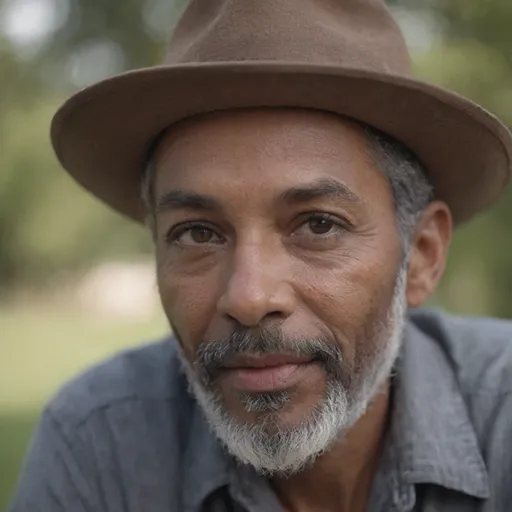
all images in this post were generated using AI tools
Category:
Navigating ParenthoodAuthor:
Austin Wilcox
Discussion
rate this article
1 comments
Heath Henderson
Can kindness thrive in a winner-takes-all world?
August 10, 2026 at 4:44 AM