Why Chore Assignments Should Evolve Over Time
29 June 2026
Raising kids isn’t just about teaching them right from wrong or making sure they do well in school. It’s also about preparing them for everyday life—like doing laundry without turning whites pink or cooking something more advanced than microwaving mac and cheese. And that’s where chores come in.
But here’s the deal: chore assignments shouldn’t be stuck in a time warp. Just as our kids grow, learn, and mature, their responsibilities around the house should shift too. Assigning the same chores over and over again doesn’t just risk burnout—it can also rob kids of the chance to learn new skills and take pride in their growth.
Let’s talk about why chore assignments should evolve over time and how you can make that change work for your family.
Why Chores Matter in the First Place
Before diving into why they should evolve, let's talk about why we assign chores at all. Chores aren’t just about cleaning up messes or lessening the parents’ workload. They're about teaching life skills, responsibility, and teamwork.Chores teach:
- Time management: Kids learn to prioritize tasks.
- Discipline: There’s value in doing something even when they’d rather not.
- Self-sufficiency: Knowing how to do the laundry or load a dishwasher goes a long way in adult life.
- Appreciation: When they do the work, they understand the effort it takes.
Bottom line? Chores are the slow-cooked stew of practical learning. And who wouldn’t want their kids to grow up fully prepped for the challenges of adulthood?
One Size Doesn’t Fit All: The Problem with Static Chore Charts
Have you ever caught yourself assigning the same chores to your 10-year-old that you gave them when they were six? It's easy to forget just how fast kids grow and how capable they become when we give them the chance.Keeping chores stagnant can:
- Bore your child, making chores feel like punishment.
- Prevent them from learning new tasks and gaining confidence.
- Turn into an overwhelming mismatch of responsibility, especially in families with multiple kids.
Think of your child like a video game character. Each year, they level up. So why are we still asking our “Level 10” child to only feed the dog when they could be managing their own school lunches or helping prep dinner?
Growth Spurts and Chore Charts: A Natural Match
As kids grow, their cognitive and physical abilities expand. A toddler can’t take out the trash, but by the time they’re in middle school, they’re capable of managing a whole slew of new responsibilities.Let's break it down:
Ages 2–4: Starting with the Basics
Yes, even toddlers can help! Think simple and supervision-friendly:- Putting toys back in their bins.
- Helping wipe the table.
- Putting dirty clothes in the hamper.
This is more about teaching routine and pride in being helpful than about perfection.
Ages 5–7: Building Habits
At this age, kids can start handling slightly more independent tasks:- Making their bed.
- Setting the table.
- Feeding pets.
- Watering plants.
They may need reminders, but they’re capable of more than we often give them credit for.
Ages 8–10: More Independence
Now we’re talking. These kids are ready for:- Folding and putting away laundry.
- Vacuuming.
- Packing school lunches.
- Helping cook (with supervision).
The key here is consistency and letting them know they’re ready for the “big kid” tasks.
Ages 11–13: Pre-Teen Power
Middle schoolers can (and should!) handle a lot more:- Mowing the lawn.
- Cooking simple meals.
- Cleaning bathrooms.
- Managing their own laundry.
This is the time to foster a sense of ownership. Talk to them like adults, not like little kids.
Ages 14+: Practicing for the Real World
Once they hit high school, think of chores as training for adult life:- Budgeting weekly grocery shopping.
- Planning meals.
- Deep-cleaning responsibilities.
- Helping younger siblings with homework or bedtime routines.
Teens often want more autonomy—this is how you give it to them while still helping them build life skills.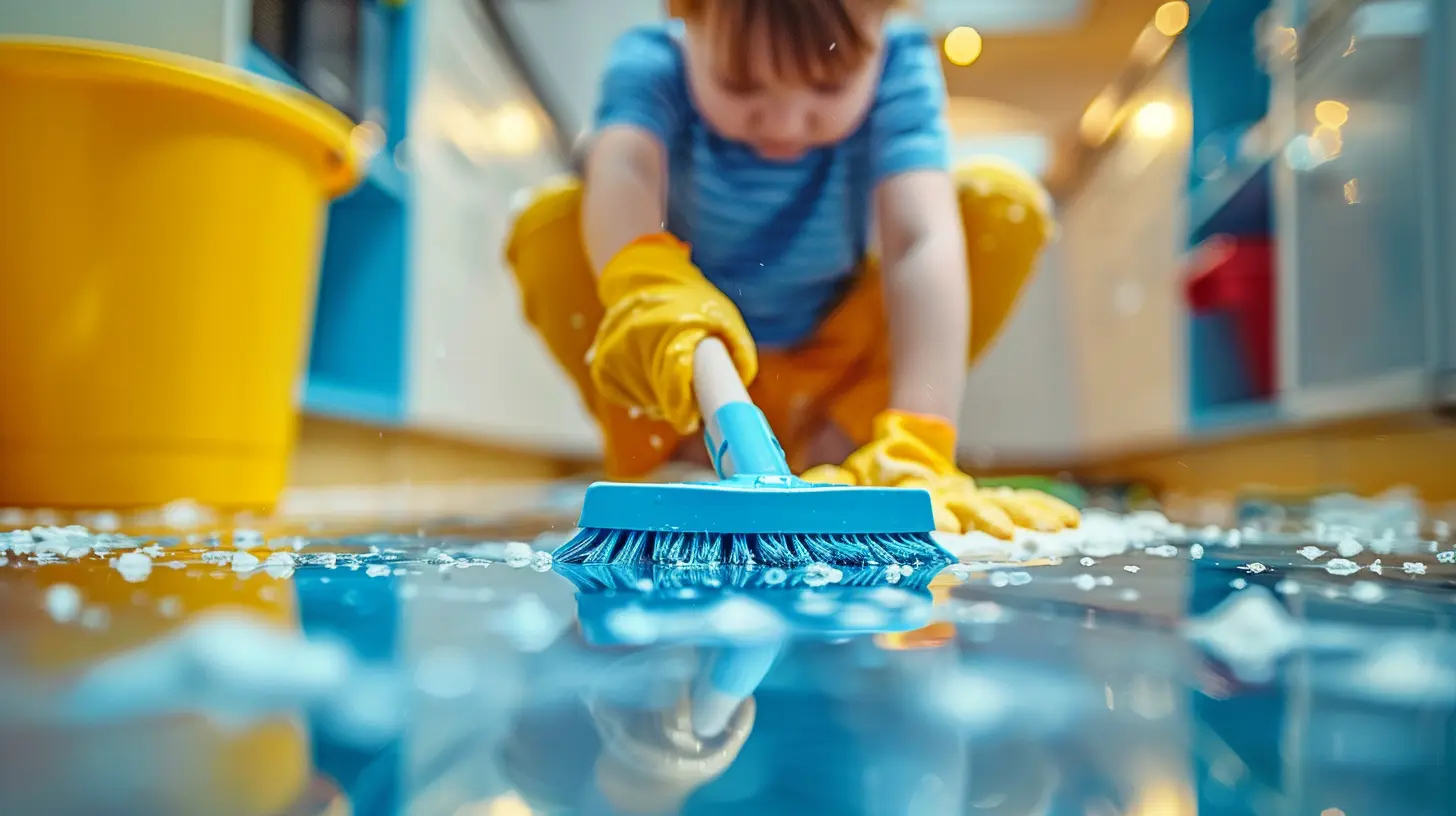
The Psychological Boost of Evolving Chores
Ever noticed how good it feels to master something new? Kids are the same way. When you increase their responsibilities over time, you’re telling them, “I believe in you. I trust you.”That trust works wonders for their self-esteem. It’s like when you’re finally trusted to drive the family car—you feel like a total boss, right?
Here’s what evolving chores can do for your child emotionally:
- Boosts confidence: “Wow, I didn’t know I could do that!”
- Builds trust: “My parents think I'm responsible enough for this.”
- Improves problem-solving: Taking on more complex chores teaches them to think critically.
Constantly adjusting their tasks can make kids feel like they’re growing with the family, not just living in it.
How to Keep Chore Assignments Growing with Your Kids
Alright, so we agree that chores should evolve. But how do you actually make that happen without chaos breaking loose in your house?1. Revisit the Chore Chart Every Few Months
Kids change fast. So should their chore list. Sit down every few months and ask:- Has my child outgrown this task?
- Are they showing interest or readiness for something new?
- Are they getting bored or resentful of their current chores?
Don’t overthink it. A quick family meeting and an open conversation can do wonders.
2. Match Chores with Strengths (and Stretch Them a Bit)
Some kids love organizing. Others are born nurturers who love helping younger siblings. Use their natural talents as a base—but don’t be afraid to stretch them. Growth comes from stepping outside the comfort zone.It’s like comfort food—you enjoy the spaghetti you know, but trying that spicy stir-fry every now and then broadens your palate.
3. Rotate Responsibilities
Switch things up regularly. Not only does this keep things fresh, but it also encourages empathy (your youngest might finally realize that cleaning the litter box is actually the worst chore of them all).Rotation teaches fairness and helps develop well-rounded skills. Everyone learns a little bit of everything.
4. Don’t Aim for Perfection—Aim for Progress
Let’s be real—your 8-year-old isn’t going to fold towels like a hotel maid. And that’s okay. The goal is effort, learning, and consistency.Encourage effort. Praise progress. Laugh off mistakes (even if the dog food ends up in the laundry).
5. Offer Gentle Accountability
You don’t need to run your house like a boot camp. But keeping kids (and even yourself) on track helps build accountability.Try:
- Visual chore charts
- Responsibility apps
- Family meetings for check-ins
No need to yell. A simple, “Hey, I noticed the dishes didn’t get done. Everything okay?” goes a lot further than barking orders.
Your Role as Coach, Not Commander
As parents, we’re not just chore assigners. We’re life coaches. Our job isn’t to hand over a static to-do list and expect blind obedience. It’s to guide, teach, and grow alongside our kids.When we evolve their chores, we’re telling them:
“You’re growing, and so are your responsibilities. I believe in your ability to handle more.”
That message sticks. And one day, when they’re cleaning their dorm room or navigating their first apartment, they’ll remember the time you handed them the vacuum and said, “You’ve got this.”
Putting It All Together
Evolving chore assignments over time isn’t just a parenting trick—it’s a philosophy. It’s about recognizing that our kids are dynamic, capable, and constantly learning. By shifting their responsibilities as they grow, we’re not only helping them become competent adults but also confident ones.So, next time you sit down to hash out the housework list—pause. Ask yourself if that assignment still fits your child, or if it’s time to level them up. You might just find a new rhythm that works better for everyone.
Because in the end, parenting is less about control and more about growth—and chore charts are no exception.
all images in this post were generated using AI tools
Category:
Chores For KidsAuthor:

Austin Wilcox
Discussion
rate this article
1 comments
Fallon Riggs
This article highlights an important aspect of parenting. As children grow, their skills and responsibilities should progress too. Adapting chore assignments not only teaches life skills but also builds confidence and independence. It's a great way to prepare them for adulthood.
July 2, 2026 at 3:41 AM
Austin Wilcox
Thank you for your insights! I completely agree that adapting chores is key to fostering independence and preparing kids for the future.