The Connection Between Self-Esteem and Sibling Rivalry
2 July 2026
Sibling rivalry—who hasn't seen or experienced it? Growing up with brothers and sisters often means dealing with competition, arguments, and the occasional tug-of-war over attention, praise, or even the last slice of cake. But have you ever stopped to wonder how self-esteem plays a role in these sibling dynamics?
Our self-worth affects how we perceive ourselves, interact with others, and handle conflicts. When kids struggle with low self-esteem, sibling rivalry can intensify, leading to lifelong relationship challenges. On the other hand, fostering a healthy sense of self can create stronger, more positive sibling bonds.
So, let’s dive into the connection between self-esteem and sibling rivalry, and what parents can do to encourage a more harmonious home environment. 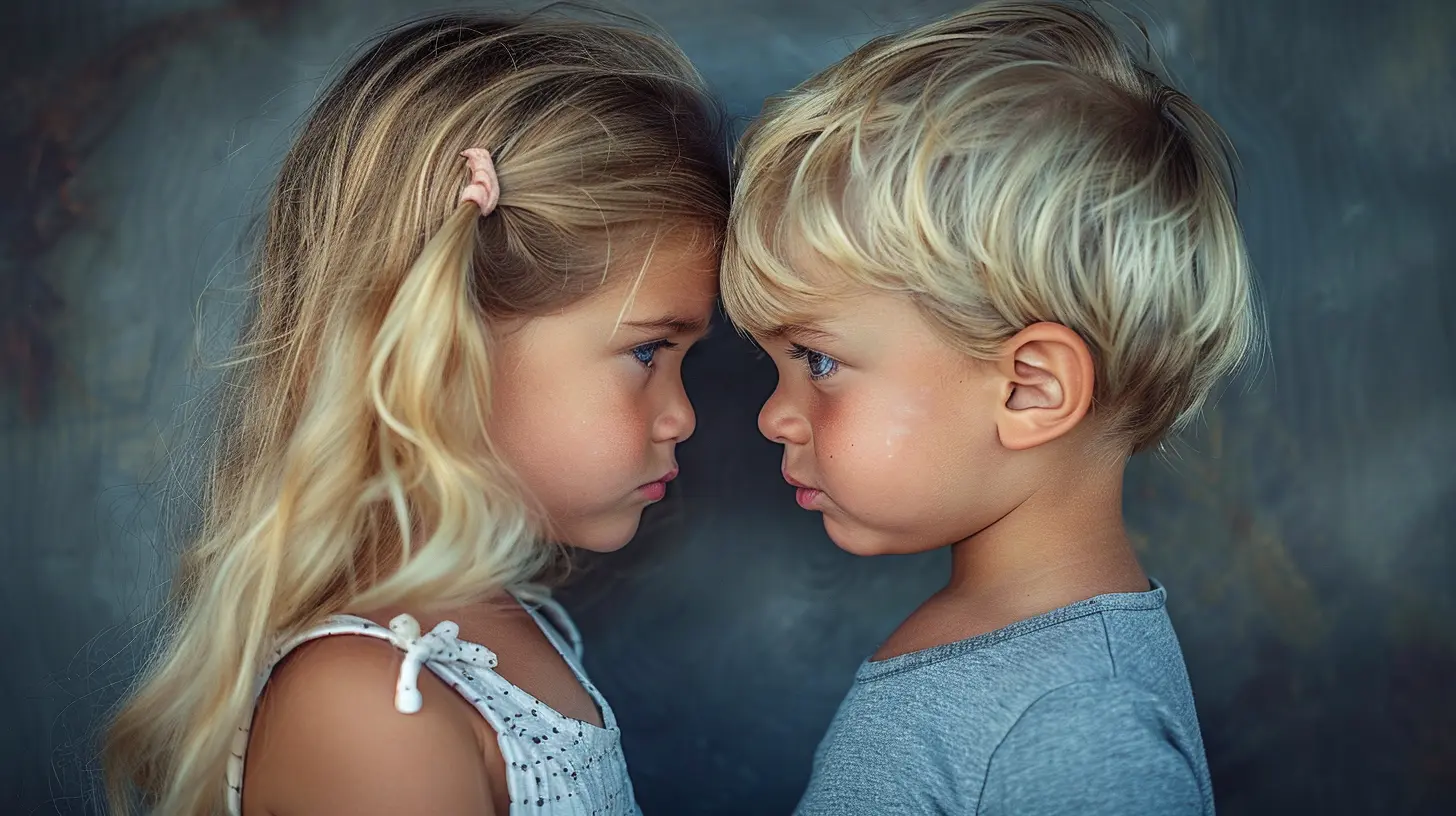
What Causes Sibling Rivalry?
Before we explore the link to self-esteem, let’s break down what fuels sibling rivalry in the first place. After all, it's not just about fighting over toys or who gets the front seat in the car.1. Competition for Attention
Children crave love, recognition, and affirmation, especially from their parents. When they feel one sibling is getting more attention—whether due to age, achievements, or perceived favoritism—jealousy can creep in.2. Comparisons and Expectations
Parents often compare children without even realizing it:- "Why can’t you be more like your brother?"
- "Your sister never forgets her homework."
These comparisons can leave kids feeling inadequate, stirring resentment toward their siblings.
3. Personality Clashes
Some siblings naturally have clashing temperaments—one might be outgoing and assertive, while the other is laid-back and reserved. Differences in personality can spark conflict, especially when one child dominates conversations and decisions.4. Unequal Treatment (Real or Perceived)
Even if parents are careful, kids may still feel unfairly treated. If one sibling gets certain privileges while the other doesn’t, feelings of injustice arise. And let’s be honest—children have an uncanny ability to keep score better than sports referees.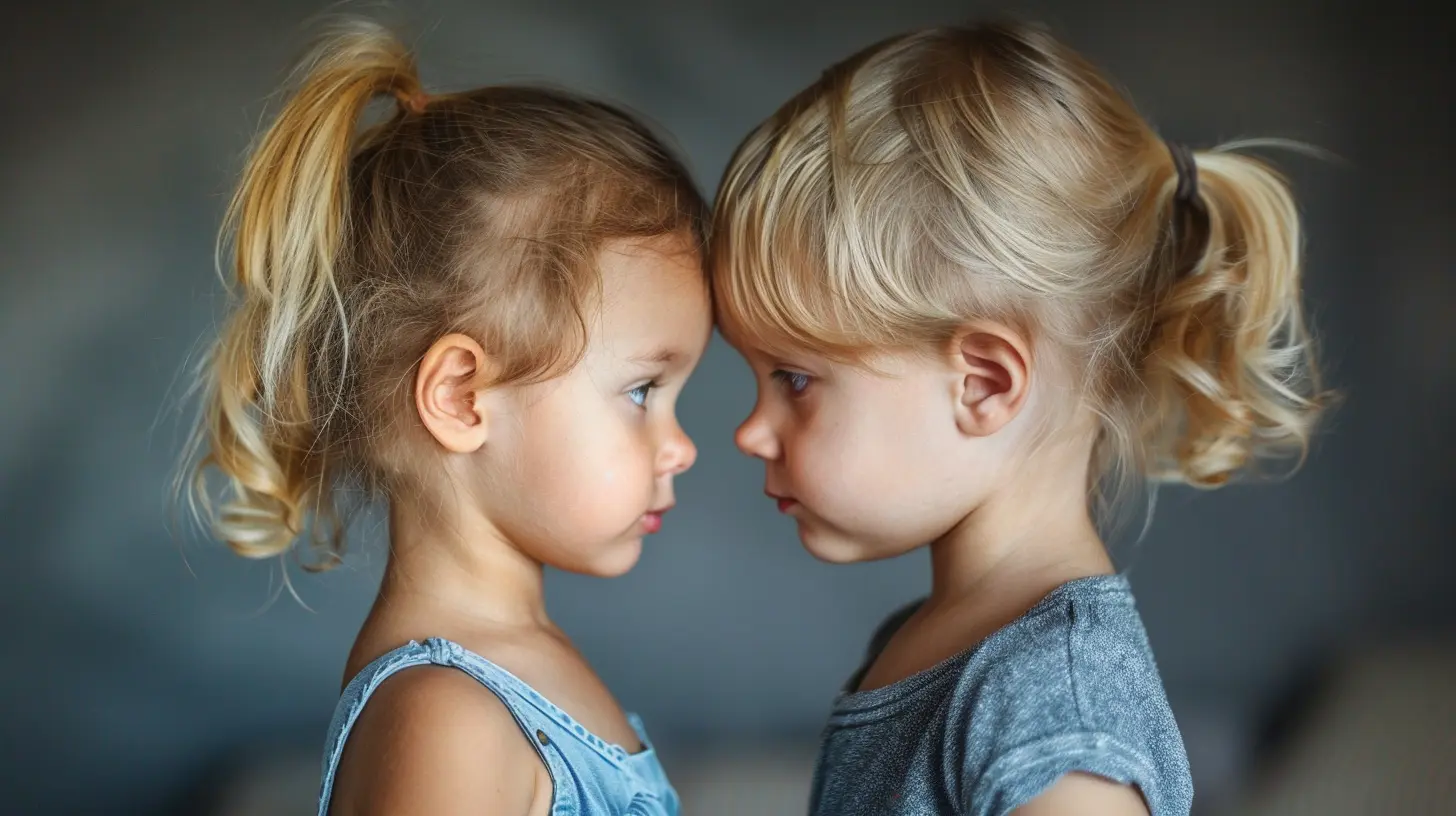
How Self-Esteem Shapes Sibling Rivalry
Self-esteem is a child's inner compass—it guides how they feel about themselves, how they react to setbacks, and how they interact with those around them. When kids struggle with low self-esteem, their sibling relationships can take a hit.1. Low Self-Esteem Fuels Competition
When a child doesn’t feel confident about themselves, they may seek validation through competition. Winning an argument, being the "smart one" in the family, or proving they're stronger or faster can become their way of measuring self-worth.In contrast, a child with healthy self-esteem doesn’t feel the need to constantly "one-up" their siblings. They feel secure in their uniqueness and don’t rely on comparison to feel valued.
2. Sensitivity to Criticism and Teasing
Siblings love to tease—sometimes playfully, sometimes not. But a child with low self-esteem is more likely to take teasing personally. They might react strongly, withdraw emotionally, or develop resentment toward their sibling.On the flip side, a child with higher self-esteem can brush off harmless jokes and distinguish between playful banter and real criticism.
3. Struggles with Sharing and Cooperation
Kids who struggle with self-worth often feel the need to defend what’s "theirs"—their toys, their space, or even their parents’ attention. They may be more reluctant to share or compromise, fearing that doing so means losing something valuable.Children with a healthy sense of self, however, find comfort in cooperation. They understand that sharing doesn’t diminish their worth but enhances their relationships.
4. Seeking Approval through Negative Behavior
Some kids act out to gain attention, especially if they feel overshadowed by a sibling. They might provoke arguments, exaggerate emotions, or even try to get their sibling in trouble. This behavior often stems from a deep need for approval.When self-esteem is strong, children don’t feel the need to constantly seek validation through negative behavior. They trust that they are loved and valued just as they are. 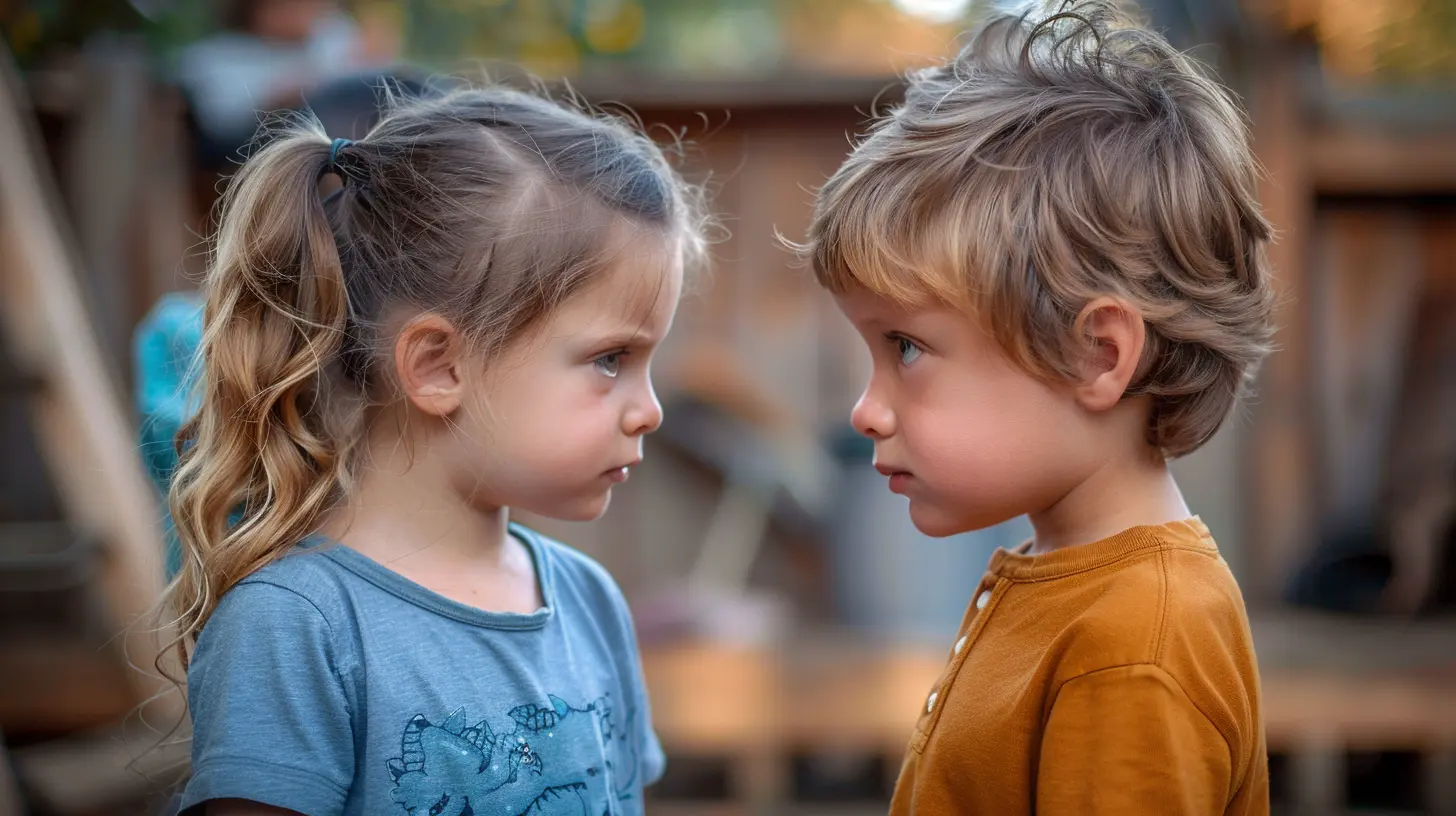
How Parents Can Support Both Self-Esteem and Sibling Harmony
As parents, we want our children to not only love themselves but also enjoy close, supportive relationships with their siblings. So, how can we help them develop self-esteem while reducing rivalry?1. Celebrate Each Child’s Individuality
Every child is unique. Emphasize what makes each one special without comparison. Instead of saying, "You’re so much better at math than your sister," try, "I love the way you think through problems!"When kids feel appreciated for who they are, they’re less likely to compete for attention.
2. Give Each Child One-on-One Time
It’s easy to fall into the trap of group parenting, especially in a busy household. But setting aside special one-on-one time with each child reassures them that their connection with you is unique and valued.Even 15 minutes of undivided attention per day—reading together, going for a short walk, or simply chatting—can make a big difference.
3. Teach Conflict Resolution
Arguments are inevitable. But instead of stepping in to solve every dispute, teach your kids healthy ways to resolve conflicts:- Encourage them to express their feelings without blaming.
- Help them brainstorm fair solutions.
- Model respect and patience in your own conflicts.
When children learn problem-solving skills, sibling fights become less about winning and more about understanding.
4. Avoid Labeling and Comparisons
Labels like "the smart one," "the shy one," or "the troublemaker" can shape how kids see themselves and each other. These labels often create unnecessary pressure and resentment.Instead, recognize and appreciate each child's strengths without categorizing them.
5. Encourage Teamwork Over Competition
Find ways for siblings to work together rather than compete. Simple activities like cooperative board games, team-based chores, or shared hobbies can strengthen their bond.When kids see each other as teammates rather than rivals, they’re more likely to support and uplift one another.
6. Be a Role Model for Healthy Self-Esteem
Children absorb a lot from their parents. If you constantly criticize yourself or downplay your achievements, they might adopt those same self-doubting behaviors.Show them what confidence looks like by celebrating your own strengths, handling setbacks with grace, and practicing self-compassion. 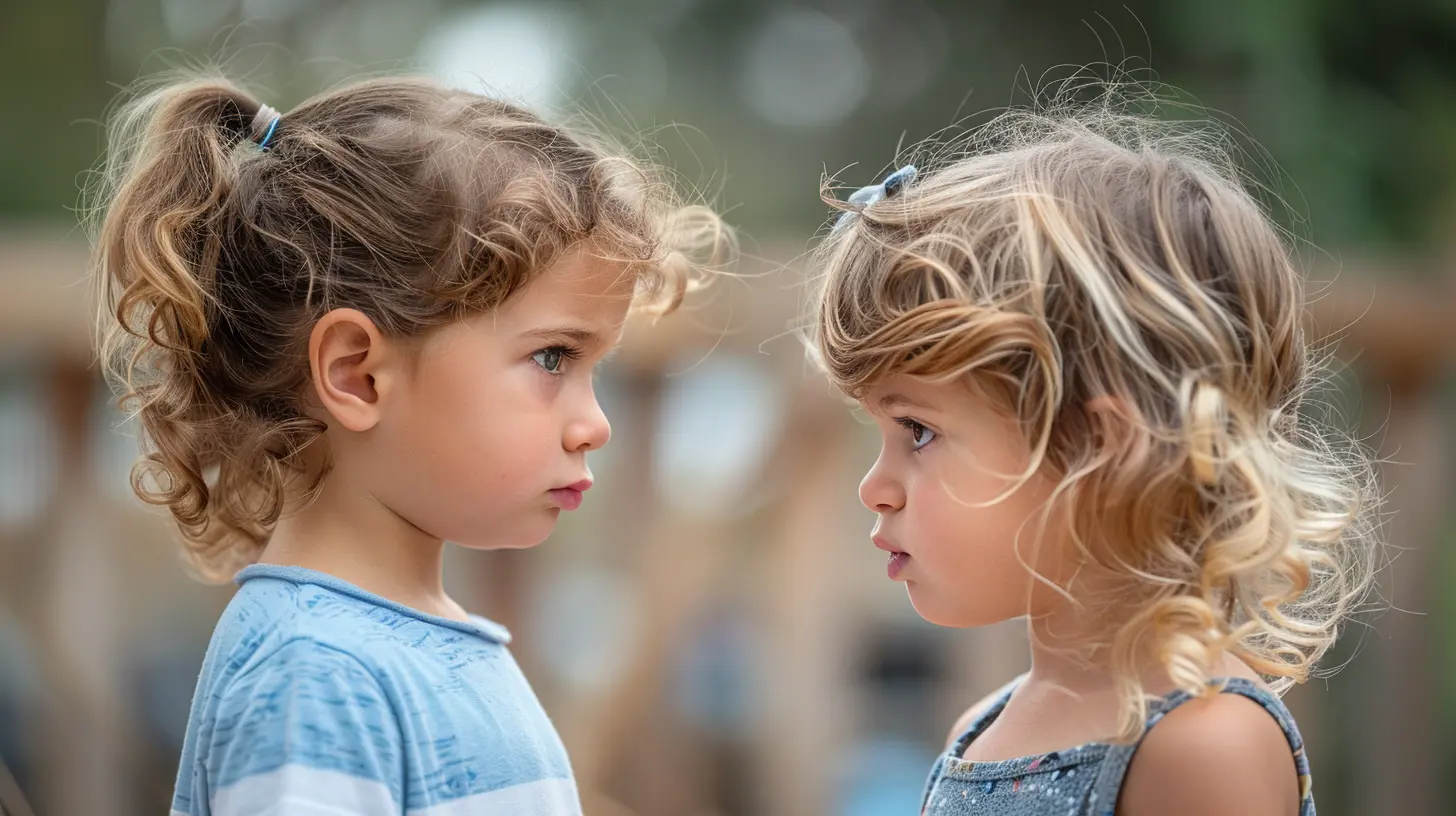
Final Thoughts
Sibling rivalry is a normal part of growing up, but when self-esteem issues are involved, things can escalate. Children who feel secure in themselves are less likely to view their siblings as threats and more likely to build strong, positive relationships.As parents, nurturing self-esteem while fostering sibling harmony is a delicate balance. But with patience, encouragement, and intentional parenting, you can help your children develop both confidence and close sibling bonds that last a lifetime.
Because at the end of the day, siblings will have their fair share of battles. But when they walk into adulthood with mutual respect and strong self-worth, those childhood rivalries transform into lifelong friendships.
all images in this post were generated using AI tools
Category:
Sibling JealousyAuthor:

Austin Wilcox
Discussion
rate this article
1 comments
Marissa McKinstry
Sibling rivalry often stems from issues of self-esteem, as children seek validation and attention. Understanding this dynamic can help parents foster a supportive environment, encouraging cooperation and empathy rather than competition among siblings.
July 10, 2026 at 4:55 AM
Austin Wilcox
You make an excellent point. By promoting a sense of self-worth in each child, parents can reduce rivalry and encourage stronger sibling bonds.