The Importance of Consistency in Assigning Chores to Kids
28 May 2026
Let’s be honest — getting kids to do chores can feel like trying to convince a cat to take a bath. You nag, bribe, remind, and sometimes even give up. But here's the secret sauce to making it all work: consistency. Yep, that one simple (but not always easy) thing can completely change the way your family handles household responsibilities.
In this article, we’re going to dive deep into why being consistent about chores matters more than you might think, how it benefits your kids (and you), and how to actually make it stick without losing your mind.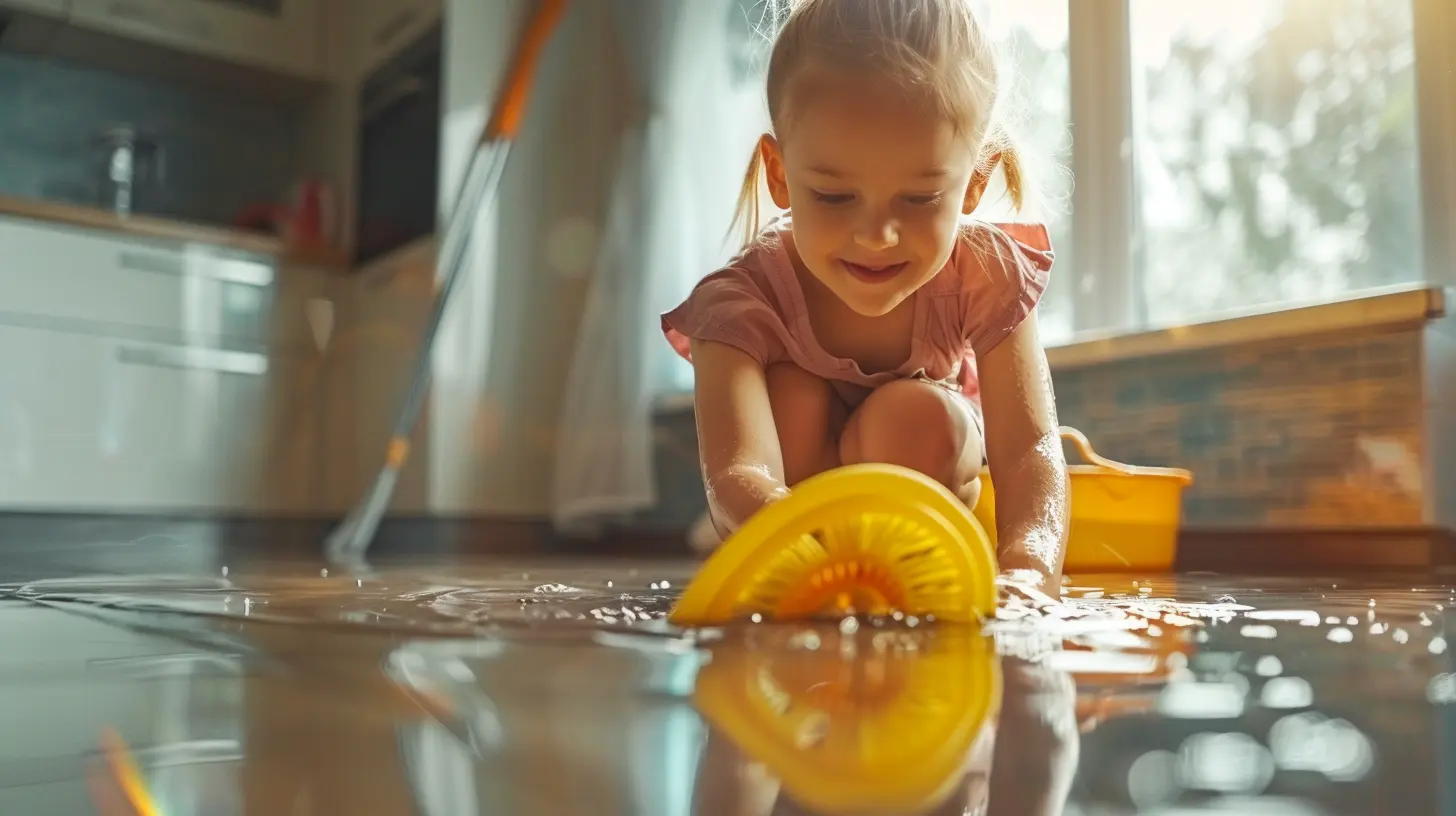
Why Chores Matter in the First Place
Before we go all-in on consistency, let’s take a step back. Why are chores such a big deal for kids, anyway? Can’t they just focus on school and play?Chores teach life skills — plain and simple. We’re talking about learning how to do laundry, cook a basic meal, or take care of a pet. These are adulting 101 skills, and the earlier kids start learning them, the better. But it’s more than just skills. Chores build responsibility, work ethic, and even self-confidence.
When kids feel like they’re contributing to the family and not just being waited on, it gives them purpose. It doesn’t have to be anything fancy — even taking out the trash or folding towels helps build their sense of value and contribution.
The Real Game-Changer: Consistency
Okay, so we know chores are great. But if you’re only assigning them here and there — maybe when the house is falling apart or the grandparents are stopping by — then you're missing out on their full potential.Let’s break down why consistency is your best friend in the "chore battle."
1. Builds Habits (and Not Just for Chores)
Good habits don’t magically appear. They’re formed through repetition. When kids know that making their bed or feeding the dog is part of their daily routine, it becomes automatic — like brushing their teeth or putting on shoes.It’s not just about the task itself. You’re actually helping them develop a healthy relationship with structure, discipline, and follow-through. These habits spill over into schoolwork, time management, and even relationships.
Think of it like training a muscle. The more you flex it, the stronger it gets.
2. Reduces Power Struggles
Oh, the joy of the daily standoff: “But I did it yesterday!” or “It’s not my turn!” Sound familiar?When chores are consistent—both in schedule and expectations—there’s far less room for negotiation. Everyone knows the rules. It’s like gravity: non-negotiable and always in effect.
Consistency takes the emotion out of the equation. Instead of getting into a shouting match every time it’s their turn to do the dishes, it's just what happens on Mondays. No surprises, no debates.
3. Reinforces Accountability
Let’s be real. Kids will try to wiggle out of almost anything if they think they can. But when chores are consistently assigned and consistently followed up on, kids learn that actions have consequences.Missed your task? Then maybe they lose screen time or allowance. Completed everything without being reminded? Hey, maybe there’s a bonus. The key is to be predictably consistent — rewards and consequences alike.
It’s how they develop accountability — which, let's face it, is something even many adults still struggle with.
4. Boosts Confidence and Independence
There’s something incredibly empowering about knowing you’ve got a job to do — and being trusted to do it.When kids regularly complete chores, they start to feel capable. They know how to mop the floor or sort laundry. They feel like they have a role in the family, and that builds confidence and independence.
It’s not just about making your life easier (though yes, that happens too). It’s about showing them they can handle more than they realize.
5. Strengthens Family Bonding
Whistle while you work? Maybe not. But working together toward a shared goal — like getting the house clean before movie night — can strengthen your family team spirit.When chores are a consistent part of family life, it shows that everyone contributes and everyone's effort matters. That shared responsibility builds respect and unity.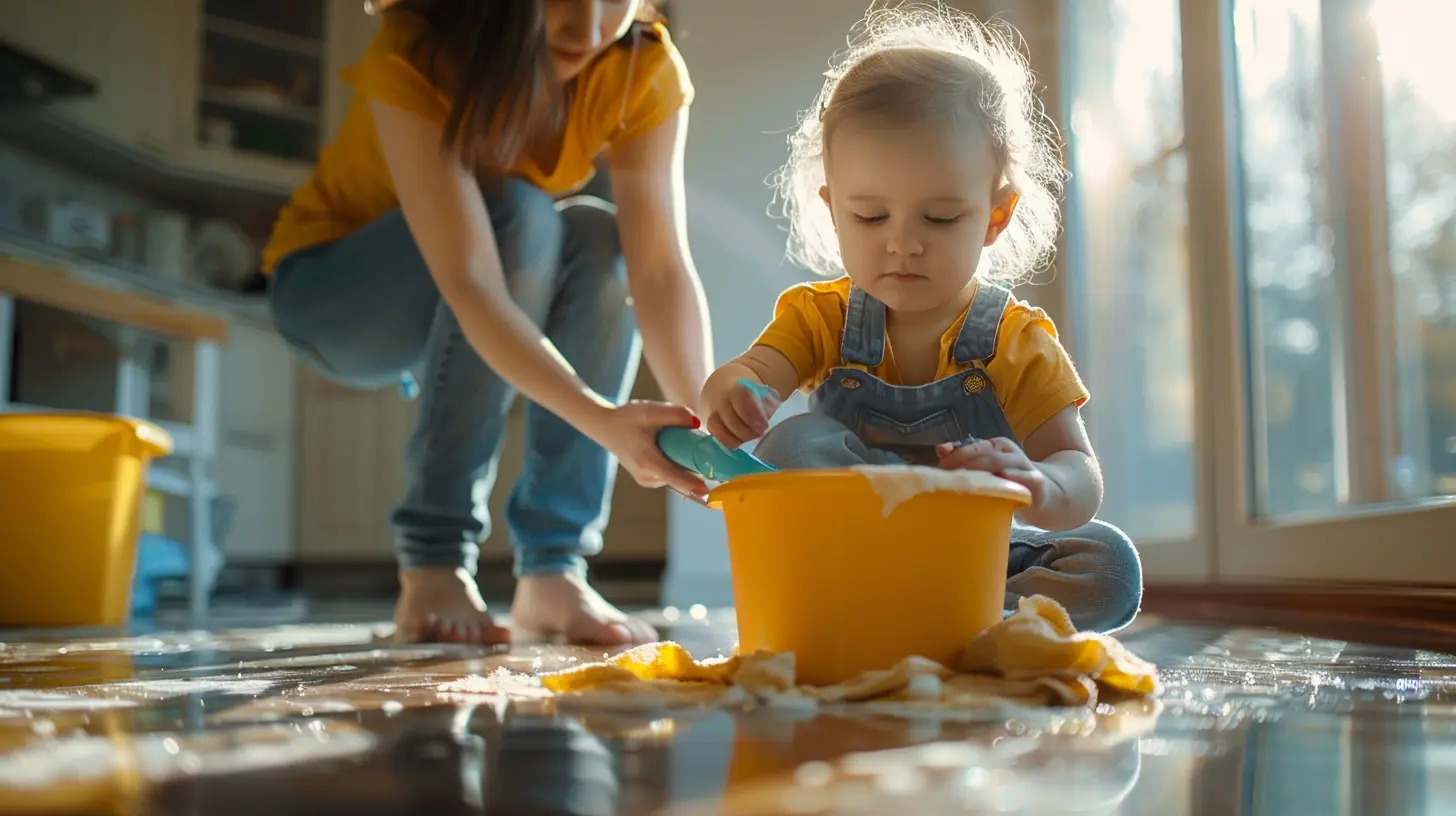
Common Mistakes Parents Make (and How to Fix Them)
Even with the best intentions, it's easy to slip up. Let’s look at some common roadblocks and how to overcome them.Inconsistency in Enforcement
You assign chores… but don’t follow up. Or maybe you let it slide because "they had a long day." We've all been there.Fix: Set clear expectations and stick to them. Write them down. Use a chore chart or an app. But most importantly — follow through every time.
Doing It Yourself Because It’s Faster
Yes, it’s quicker if you just empty the dishwasher yourself. But faster now doesn’t mean better later.Fix: Be patient. Show them how to do it, even if it takes longer. Your goal isn’t efficiency; it’s teaching.
Not Age-Appropriate
Assigning a toddler to vacuum the whole house? Not gonna happen. Giving a 12-year-old the same job as their 5-year-old sibling? Not fair.Fix: Match chores to their age and abilities. Gradually increase responsibility as they grow.
Tips to Stay Consistent Without Losing Your Sanity
Now let’s talk strategy. How do you keep things consistent without feeling like a drill sergeant?1. Create a Chore Schedule
This one’s a game-changer. Whether it’s a whiteboard in the kitchen or a chore app, having a visual schedule makes chores part of the routine.2. Use Positive Reinforcement
Praise goes a long way. “Thanks for taking out the trash without me asking!” can work wonders. Some families use a point system or small rewards — whatever keeps the momentum going.3. Keep It Routine, Not Random
Just like brushing teeth or bedtime, chores should happen at the same time each day — morning, after school, or before dinner. Build the habit into their daily rhythm.4. Be a Role Model
Kids are watching. If they see you grumbling about chores or avoiding them, they’ll do the same. But if you tackle your tasks with a good attitude, they’ll learn to do the same.5. Have Regular Check-ins
Set time once a week to talk about what’s working and what’s not. Adjust the system as needed. Give your kids a voice — it makes them more likely to stay engaged.Real-Life Benefits You'll Start Noticing
Still not convinced consistency’s worth it? Here’s what you’ll actually start seeing in your household:- Less arguing and fewer meltdowns
- Kids remembering to do tasks on their own
- A cleaner home (yes, really!)
- More free time for you (hallelujah!)
- Kids becoming more self-sufficient
It might take a few weeks to fully see the shift, but hang in there. The results are worth the effort.
Teaching Life Skills That Go Beyond the Household
Chores aren’t just about housework. They teach patience, responsibility, time management, and problem-solving. These soft skills are what help kids succeed in school, work, and relationships.So when you’re enforcing that dishwashing rotation, you’re not just aiming for a clean kitchen — you’re raising capable, confident adults.
And the Payoff? It Lasts a Lifetime
Let’s face it: we’re not always going to be there to pick up their socks or remind them to clean the bathroom. Our job is to raise kids who can someday manage their own lives — and manage them well.By being consistent with chores, you’re not just creating helpful habits — you're shaping character, building resilience, and setting them up for future success. One chore at a time.
Final Thoughts
Consistency in assigning chores isn’t about being rigid. It’s about setting a standard and sticking to it. It's the glue that holds the entire household routine together. Sure, you’ll have off days. That’s okay — the goal is progress, not perfection.So next time your kid lets out a dramatic sigh when you hand them a broom, just smile and remember: you’re not just cleaning the floor — you’re building a future-ready, responsible human being.
And that, my friend, is totally worth it.
all images in this post were generated using AI tools
Category:
Chores For KidsAuthor:

Austin Wilcox
Discussion
rate this article
2 comments
Zorion Simon
I couldn't agree more! Consistency really makes a difference. It's amazing how much my kids have learned about responsibility just from a simple chore routine. Plus, it saves me a bit of sanity each day... and that's priceless!
August 25, 2026 at 4:16 PM
Kristy Rosales
Kids thrive on routine; chores make our lives easier too!
June 2, 2026 at 3:06 AM
Austin Wilcox
Absolutely! Establishing a routine not only helps kids feel secure but also teaches them responsibility and teamwork. Chores can be a win-win for everyone.