The Importance of Play in the Digital Age
24 September 2026
My eight-year-old spent forty minutes last Saturday building a fortress out of couch cushions, a broom, and three mismatched Tupperware lids. No screen. No instructions. No adult hovering nearby. When it collapsed, he rebuilt it with a different design. When his sister wanted in, they negotiated a door policy.
That scene sounds ordinary. It is actually becoming rare.
Ask most parents what they worry about and you will hear variations on the same theme: too much screen time, not enough outdoor time, kids who seem bored the second a device leaves their hands. What many of us miss is that the real casualty is not attention span or vitamin D. It is play itself. Free, unstructured, slightly chaotic, adult-free play. The kind that looks like nothing is happening while everything important is happening.
This article is not a guilt trip about iPads. It is a practical look at why play still matters, what digital life actually does to it, where screens genuinely help, and how to protect the good stuff without turning your home into a tech-free commune that nobody wants to live in.
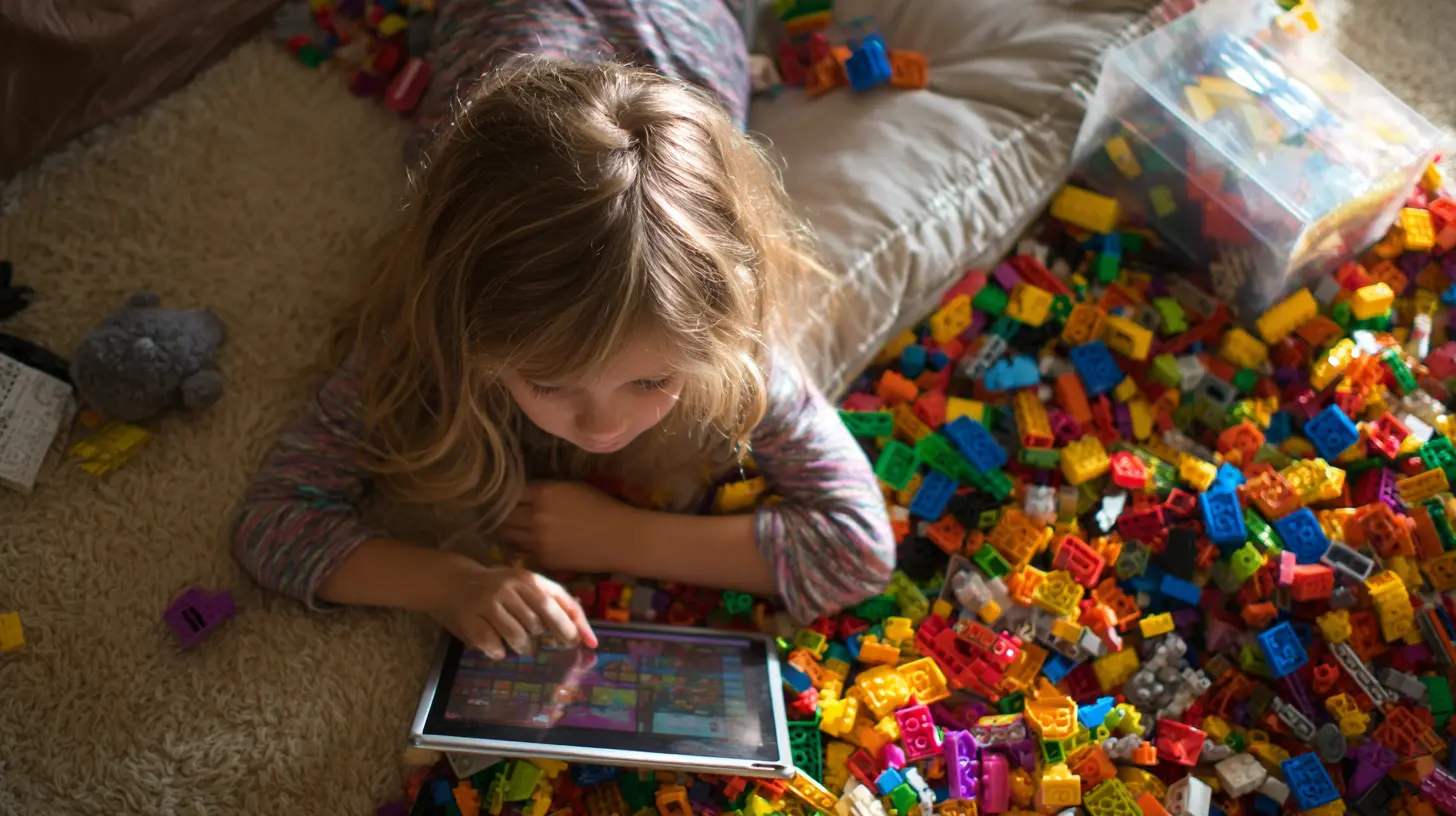
What Play Actually Is (And What It Is Not)
Researchers who study play generally agree on a few markers. Play is voluntary. It is internally motivated. It has no external goal. It often involves a suspension of normal rules and a temporary "what if" reality. When a child builds a cushion fort, the point is not the fort. The point is the building.This definition matters because it separates play from a lot of things we casually call play.
- A soccer practice with a coach, drills, and a scoreboard is not free play. It is organized sport, which has real value but different value.
- A coding game that levels up when you solve puzzles is not free play. It is structured learning with a reward loop.
- A YouTube video of other kids playing with toys is not play at all. It is watching.
None of these are villains. But if a child's week is packed with organized activities, gamified learning apps, and passive video, they can go seven days without a single hour of true play. That is the gap worth worrying about.
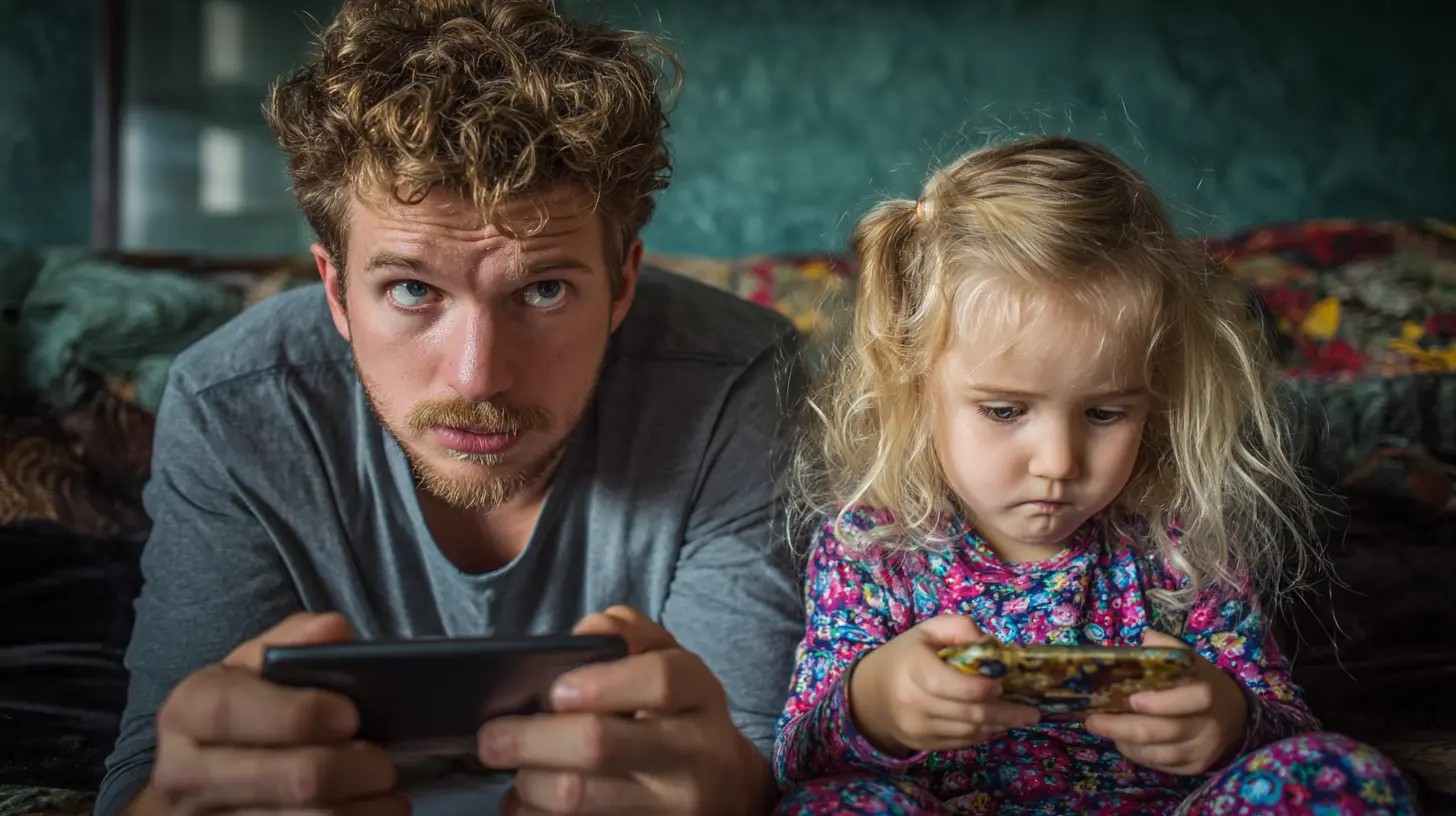
Why Play Is Not Optional
Play is one of the most studied behaviors in child development, and the findings are consistent across cultures. It is not a break from learning. It is a primary engine of it.Executive function gets built, not taught
When kids play, they constantly hold rules in their heads, switch plans mid-game, and manage frustration when things go sideways. That is executive function in action: working memory, cognitive flexibility, self-control. You cannot lecture a child into better executive function. They have to practice it under low stakes, which is exactly what play provides.A kid negotiating who gets to be the dragon in a pretend game is doing harder cognitive work than a kid filling out a worksheet. The worksheet has one right answer. The dragon negotiation has infinite ones.
Social skills need rehearsal space
Adults forget how much social behavior is learned. Sharing, turn-taking, reading facial expressions, repairing a friendship after a fight, handling exclusion. These are skills, and skills need reps. Free play with peers is the safest rehearsal space a child will ever get. The stakes are low. Nobody gets fired. Nobody gets divorced. You just try again tomorrow.Structured activities teach kids to follow rules. Free play teaches them to make them.
Emotional regulation gets practiced, not preached
When a game goes wrong, a child has to sit with disappointment, anger, or embarrassment and then decide what to do next. That pause between feeling and action is the core of emotional regulation. Screens tend to short-circuit it. A swipe, a new level, a fresh video, and the feeling is gone before it was ever processed.Creativity is a muscle, not a talent
The kids who seem effortlessly creative are usually the ones who had thousands of hours of unstructured time to mess around with cardboard, tape, sticks, and bad ideas. Creativity is less about innate genius and more about tolerance for boredom and failure. Both are built through play.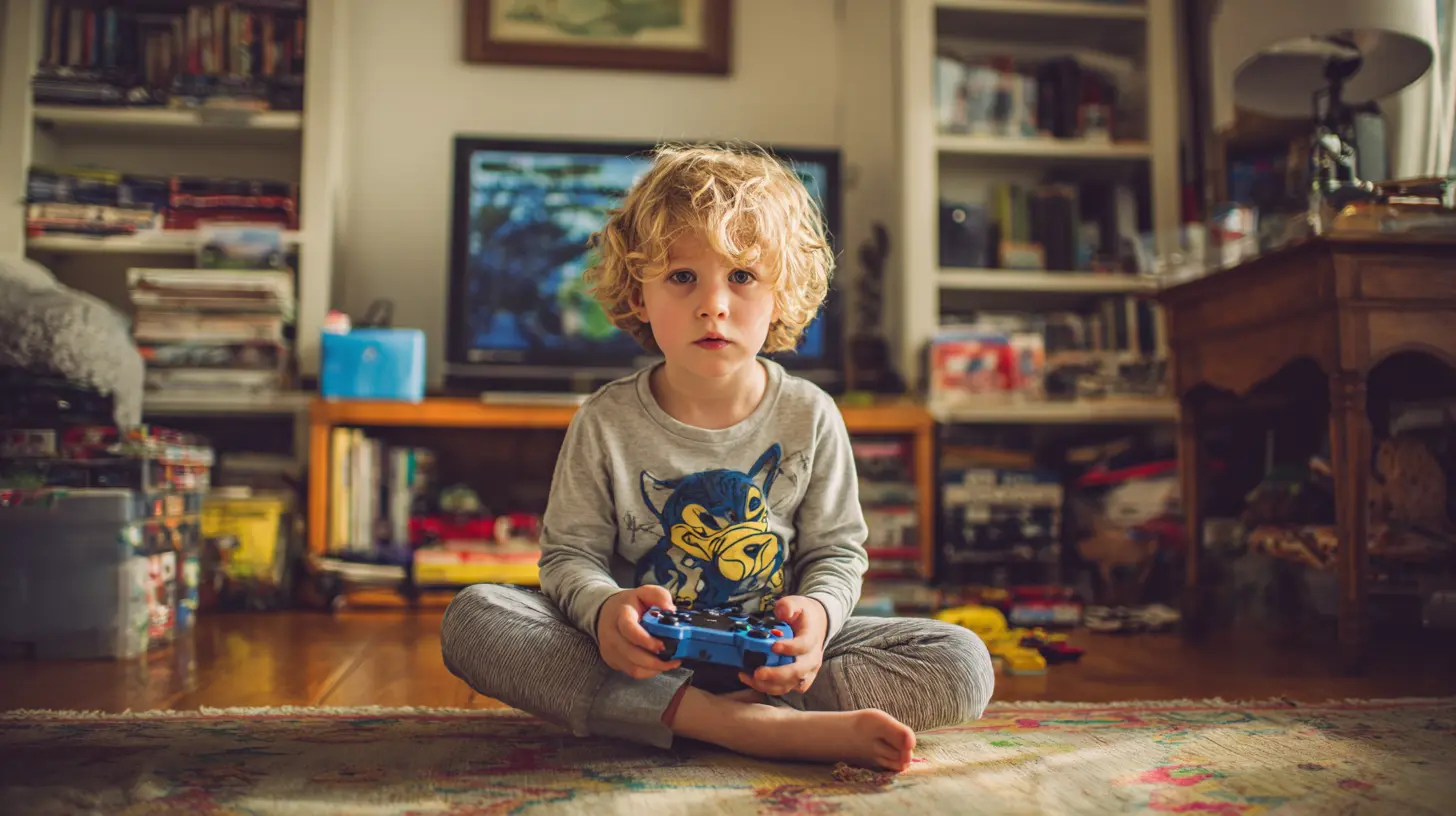
What the Digital Age Actually Changed
It is tempting to blame screens for everything. The honest picture is more nuanced.The real shift is not screen time. It is unstructured time.
The average child today has less free time than children did a few decades ago. Between homework, extracurriculars, organized sports, tutoring, and structured "enrichment," the calendar is full. Screens often fill the leftover cracks, but they are not always the cause of the loss. Sometimes they are the symptom.If you want to protect play, the first question is not "how do I reduce screens?" It is "where did the free hours go?"
Digital play is not the same as physical play
Some digital activities are genuinely playful. Minecraft in creative mode, drawing apps, sandbox games, cooperative online games with friends. These have real value. But they differ from physical, in-person play in important ways.- The environment is designed by adults. Someone else decided what is possible.
- The feedback is instant and often artificial. Real-world play has natural consequences, like a tower that falls because it was unbalanced.
- The body is mostly still. Physical play develops coordination, strength, and spatial sense in ways a controller cannot.
- The social cues are thinner. Text and voice chat strip out most of the nonverbal information kids need to practice reading people.
This does not make digital play bad. It makes it incomplete. A diet of only digital play is like a diet of only smoothies. Nutritious, convenient, and missing something your jaw and gut were built for.
Boredom became optional, and that is a problem
Boredom is the doorway to play. When a child has nothing to do, they eventually invent something. That invention is the whole point. When boredom can be erased with a swipe, the doorway closes.Many parents notice this pattern: the moment a device is removed, the child declares there is "nothing to do." This is not a character flaw. It is a skill gap. The muscle for generating your own fun has atrophied from disuse. It comes back, but it usually takes a few uncomfortable days.

The Trade-Offs Nobody Talks About
Every family decision about play involves trade-offs. Pretending otherwise makes advice useless.Convenience vs. development
Handing a child a tablet at a restaurant buys you a peaceful meal. It also skips a chance to practice patience, conversation, and sitting with mild discomfort. Both choices are legitimate. The mistake is making the convenient choice every single time and then wondering why the child cannot handle a twenty-minute wait.A useful rule: convenience is fine, but it should be the exception, not the default. If screens are the automatic answer every time a child is bored, that is not a strategy. It is a habit.
Safety vs. independence
Free play often means unsupervised play, and unsupervised play makes modern parents nervous. This is understandable. But there is a cost to constant supervision. Kids who are always watched never learn to assess risk on their own. They never get to test their own limits.The compromise most families land on is a graduated approach: more freedom as kids demonstrate judgment. A six-year-old plays in the fenced yard while you watch from the kitchen. An eight-year-old rides to the end of the block. A ten-year-old walks to a friend's house. Each step is a small bet on the child's competence, and each step builds it.
Structured enrichment vs. free time
Structured activities produce visible results. Your kid can play a song, kick a ball, speak a language. Free play produces invisible results. Nobody hands out trophies for imaginative play. This visibility bias pushes parents toward filling the calendar.The honest trade-off: structured activities build specific skills efficiently. Free play builds general capacities slowly. Kids need both, but the ratio matters. If every afternoon is scheduled, play is the thing getting squeezed, and it is usually the thing nobody notices is missing until the child seems anxious, rigid, or unable to entertain themselves.
Common Mistakes Parents Make
Mistake 1: Treating play as a reward
"I'll let you play after you finish your homework." This framing teaches kids that play is dessert and work is the meal. It also makes play feel optional, which it is not. Play is closer to sleep than to dessert. It is a developmental need, not a treat.Mistake 2: Over-structuring play
Some parents mean well and sign kids up for "play-based" classes, buy elaborate play kits, and orchestrate playdates with minute-by-minute plans. The result is play-shaped activity that is not actually play. The best play materials are often the cheapest: cardboard boxes, tape, blankets, sticks, water, dirt.Mistake 3: Confusing screen time with play time
A child watching a video of someone else playing is not playing. A child playing a game designed to maximize engagement is playing, but on someone else's terms. It helps to ask: who is driving this experience? If the answer is an algorithm, it is not free play.Mistake 4: Eliminating screens entirely
Total bans tend to backfire. Kids who grow up with zero access often become the ones who binge the moment they leave home. A more durable approach is teaching kids to manage screens rather than pretending screens do not exist. That means modeling it yourself, which is the uncomfortable part.Mistake 5: Assuming older kids do not need play
Teens need play too. It just looks different. Pickup basketball, improv, music jamming, hiking, board games, weird internet rabbit holes that turn into projects. The form changes. The function does not.
Practical Strategies That Actually Work
Protect time before you protect activities
Block out unstructured hours on the calendar the same way you would a soccer practice. Call it nothing. Resist the urge to fill it. If your child complains, that is normal. The first twenty minutes of boredom are the hardest. The good stuff usually starts after that.A reasonable target for many families is at least one hour of unstructured time on school days and several hours on weekends. This is not a rule from a study. It is a practical benchmark that many child development professionals suggest as a starting point.
Create a "yes space"
Young kids play more freely when the environment is set up for it. A corner with open-ended materials. A bin of random craft supplies. A backyard that is not perfectly manicured. A garage with safe tools and scraps. The goal is a space where the answer to "can I use this?" is usually yes.For older kids, a yes space might be a room where they can make a mess, a kitchen where they can cook, or a garage where they can take things apart.
Make screens a tool, not a default
Not all screen time is equal. A few rough categories help.- Passive consumption. Videos, scrolling, autoplay. Lowest developmental value.
- Interactive entertainment. Games with real choices, especially with friends. Moderate value.
- Creative and productive use. Coding, editing, composing, building. Highest value, though still not a substitute for physical play.
The goal is not zero. It is proportion. If most screen time is passive, that is the first thing to shift.
Play with your kids, but not too much
Adults playing with kids is great in small doses. It signals that play matters. But if a parent is always the game master, kids learn to wait for entertainment. The sweet spot is short bursts of genuine play followed by stepping back and letting them take over.Let them be bored
Boredom is not a problem to solve. It is a stage to pass through. When a child says "I'm bored," the most useful response is often a shrug and "That sounds rough." Then go back to what you were doing. Nine times out of ten, something happens within fifteen minutes.Build a village, not a schedule
Kids play more freely when there are other kids around. This does not require formal playdates with activities. It requires proximity. Neighbors, cousins, siblings, a rotating cast of kids on the block. The old-fashioned "go outside and see who's around" model still works when families make the effort to know each other.Model it
If every adult in the house spends their free time on a phone, kids will copy that. If they see you reading, gardening, cooking something for fun, playing an instrument, or just sitting with a book, they learn that unstructured time has value. This is the least comfortable advice in this article because it requires changing your own habits, not just your child's.What Good Looks Like at Different Ages
Play evolves. Trying to force a ten-year-old into the same play patterns as a four-year-old will fail.- Toddlers and preschoolers. Sensory play, pretend play, parallel play with other kids. Mess is the point.
- Early elementary. Building, crafting, imaginary worlds, rule-making games. This is the golden age of free play.
- Older elementary. Complex games with rules, sports, projects, hobbies, fort building, cooking.
- Tweens. Hanging out, joking, making things, gaming with friends, exploring interests.
- Teens. Pickup sports, creative projects, deep hobbies, socializing in low-structure settings.
The through line is choice. If the child is choosing the activity, the goal, and the rules, it counts.
When Screens Are Actually the Right Call
Let us not pretend screens are always the enemy. There are situations where a screen is genuinely the best available option.- Long travel days when the alternative is a meltdown in row 32.
- Medical situations where a child needs distraction or calm.
- Social connection when a friend or family member lives far away.
- Creative tools that let a child do something they could not otherwise do, like compose music or animate a story.
- Learning resources for topics the local library cannot cover.
The problem is not screens. The problem is screens as the automatic default for every moment of downtime. A child who uses a tablet on a flight and a child who uses a tablet every car ride are having very different developmental experiences.
The Long Game
The goal is not to raise kids who never touch a screen. It is to raise kids who know how to be bored, how to make something out of nothing, how to negotiate with a friend, how to recover when a plan falls apart, and how to choose their own fun. Those capacities are built in the messy, unstructured, occasionally whiny hours of childhood.You will not get it right every day. Some weeks will be screen-heavy and chaotic. That is fine. What matters is the overall pattern. If play is a regular part of your family's life, the rest tends to sort itself out.
So put the tablet down. Push the couch cushions onto the floor. Let the fort collapse. Let them rebuild it. That is not wasted time. That is the work.
all images in this post were generated using AI tools
Category:
Navigating ParenthoodAuthor:

Austin Wilcox
Discussion
rate this article
1 comments
Ashley McQuaid
It's crucial to find a balance between screen time and play. Together, we can nurture creativity and connection in our kids.
September 24, 2026 at 2:24 AM