The Impact of Sibling Dynamics on Childhood Anxiety
22 June 2026
When we think about childhood, we often picture laughter, playdates, and carefree fun. But let’s face it—life isn’t always rainbows and sunshine, even for kids. Sometimes, challenges like anxiety creep in, and the reasons behind it can be more complex than you'd guess. One such factor that often gets overshadowed by other influences is sibling dynamics. Yep, those day-to-day interactions between brothers and sisters can have a profound impact on kids’ mental health.
Curious how siblings can shape anxiety levels in children? Let’s dive into the world of sibling relationships, dissect their effects, and chat about ways to foster healthier dynamics at home. 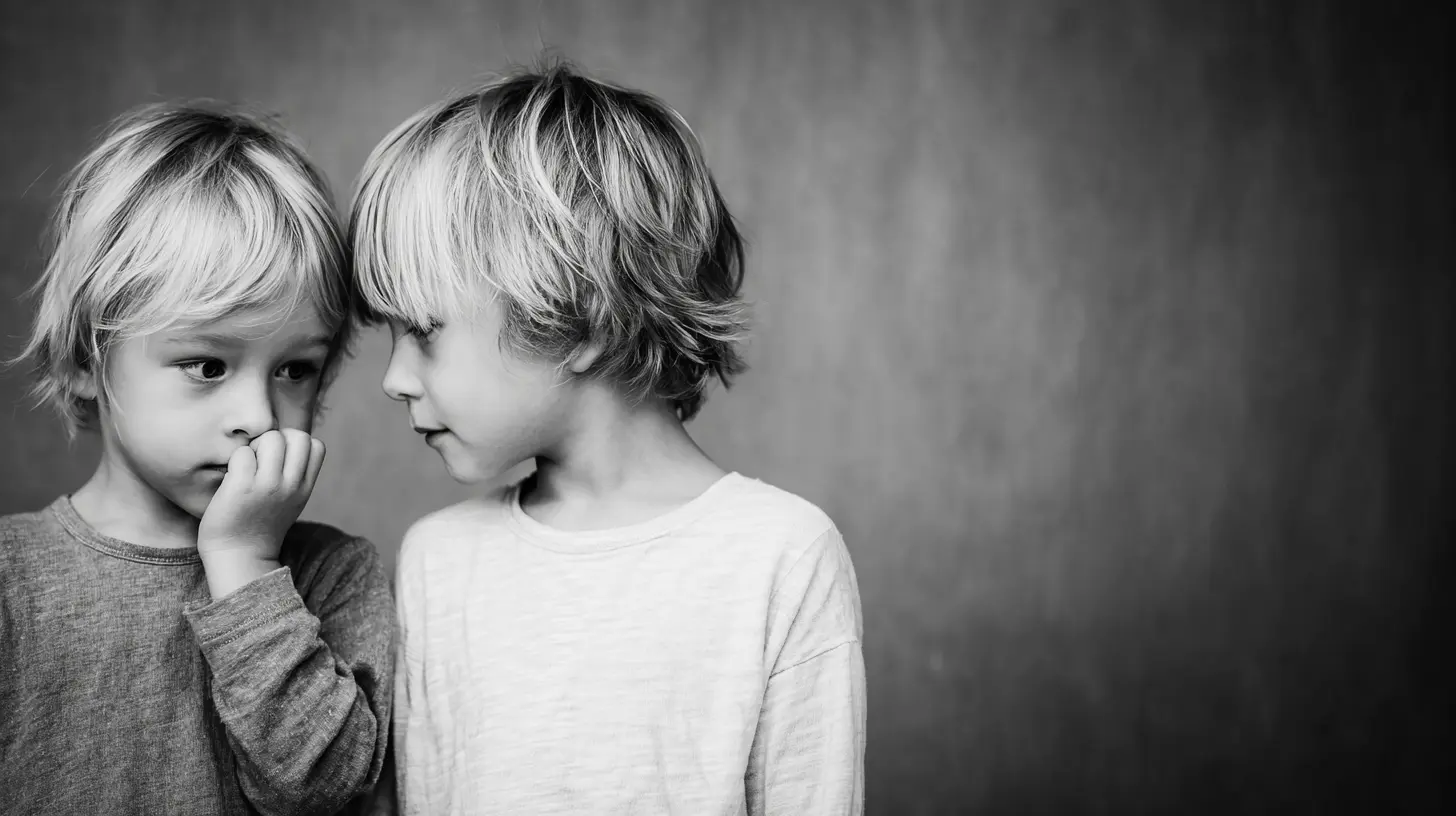
What Are Sibling Dynamics and Why Do They Matter?
Okay, first things first—what are sibling dynamics? Think of it as the chemistry between siblings, the way they interact, and the overall vibe of their relationship. It’s about how they treat each other, whether they’re best buds or constantly butting heads.Sibling relationships are often some of the longest-lasting connections in a person’s life. They serve as a kid’s first social experiment, teaching them about sharing, conflict resolution, and even trust. But when things go sideways—say, rivalry turns into resentment—it can seriously mess with a child’s emotional well-being.
So, why do sibling dynamics matter? Because they don’t happen in isolation. They play a critical role in shaping a child's sense of self, how they handle stress, and even how they respond to anxiety triggers. 
The Link Between Sibling Dynamics and Childhood Anxiety
You might be asking, “How can something like sibling squabbles cause anxiety?” Well, stick with me for a second. The relationship between siblings is like a mirror. Kids reflect, mimic, and internalize the patterns they see and experience. If sibling dynamics tilt into unhealthy territory, it’s easy for those patterns to amplify feelings of anxiety.Here’s how the connection works:
1. Constant Competition = Increased Pressure
Ever heard your kid say, “It’s not fair!” after a sibling got praised for something? Sibling rivalry—while totally normal—can sometimes escalate. When kids feel like they’re in a never-ending competition for attention, love, or praise, it creates an underlying pressure. This can lead to feelings of inadequacy or fear of not being "good enough," both major contributors to anxiety.2. Favoritism Hurts More Than You Think
Parents, this one’s for you! Even if you don’t mean to, showing favoritism toward one child can really upset the emotional balance at home. The “less favored” sibling might feel rejected or undervalued, leading to self-esteem issues and—you guessed it—anxiety.3. Bullying Within the Family
Yes, bullying doesn’t just happen at school. It can happen right under your roof. A sibling who constantly teases, belittles, or acts aggressively toward another can create a toxic environment. Over time, the victimized sibling might develop chronic anxiety, fearing conflict within the family.4. Lack of Support = Emotional Isolation
The opposite of bullying? Total emotional disconnect. When siblings don’t feel supported by each other, it can lead to feelings of isolation. If a child can’t count on their sibling during tough times, they may start bottling up emotions, which can increase anxiety over time.
Signs That Sibling Dynamics Might Be Triggering Anxiety
So, how do you know if sibling relationships are negatively affecting your child’s mental health? Keep an eye out for these red flags:- Withdrawal: One sibling avoids interacting with the other or the family altogether.
- Perfectionism: A child becomes overly competitive, trying to outshine their sibling at every opportunity.
- Fear of Mistakes: They hesitate to try new things, fearing judgment or ridicule from their sibling.
- Frequent Emotional Outbursts: If arguments between siblings consistently end in tears or tantrums, there’s a deeper issue.
- Physical Symptoms: Anxiety can manifest physically, too—stomachaches, headaches, or trouble sleeping might be connected to sibling conflicts.
If you spot several of these signs, it’s time to look into the root cause of the tension. 
Strategies to Foster Positive Sibling Dynamics
Now that we’ve unpacked the problem, let’s move on to solutions. How can you, as a parent, promote a healthy relationship between your kids? Here are some actionable tips:1. Encourage Teamwork
Make it less about “me vs. you” and more about “us.” Encourage your kids to work together on small tasks—whether it’s building a Lego castle or setting the dinner table. When they succeed as a team, they’ll start seeing each other as allies instead of rivals.2. Avoid Comparisons
“Why can’t you be more like your brother?” If you’ve ever said something like this (we all slip up!), hit pause. Comparing children only fuels resentment and competition. Instead, celebrate their unique strengths and achievements.3. Address Bullying Head-On
Don’t sweep sibling bullying under the rug. If one child is consistently belittling the other, step in and address it immediately. Set clear boundaries and let both kids know that kindness and respect are non-negotiable.4. Be Fair, Not Equal
Here’s the thing: fairness doesn’t always mean giving your kids the exact same thing. Fairness means giving each child what they need. Some might require extra attention during tough times, and that’s okay—as long as it’s explained in a way that the others understand.5. Model Healthy Conflict Resolution
Kids often mirror what they see. If they watch you handle family conflicts calmly and respectfully, they’re more likely to do the same. Show them that disagreements are normal, but they don’t have to escalate into full-blown battles.Helping an Anxious Child Navigate Sibling Challenges
Let’s say you have a child who’s already dealing with anxiety. How can you help them manage sibling-related stress without adding fuel to the fire?- One-on-One Time: Spend quality time with each child individually. This reassures them that they’re valued and helps reduce feelings of competition.
- Validate Their Feelings: If they express frustration or anxiety about a sibling, don’t dismiss it as “just how siblings are.” Acknowledge their feelings and work on solutions together.
- Teach Emotional Regulation: Help your kids learn healthy ways to cope with anxiety. Techniques like deep breathing, journaling, or even a calming corner in the house can make a difference.
- Encourage Open Communication: Create a safe space where your kids can discuss their feelings without fear of judgment or punishment.
The Bigger Picture
At the end of the day, sibling relationships are just one piece of the puzzle when it comes to childhood anxiety. Other factors—like genetics, school pressures, or parental stress—also play a role. But by paying attention to how your kids interact with each other, you can identify and address issues early on.Remember, no sibling relationship is perfect. Squabbles are going to happen. But with a little guidance, you can help your kids build a foundation of mutual respect and support. And who knows? Those bickering brothers and sisters might just grow into adults who have each other’s backs for life.
all images in this post were generated using AI tools
Category:
Dealing With AnxietyAuthor:

Austin Wilcox
Discussion
rate this article
1 comments
Faye Campbell
Sibling relationships significantly shape emotional development, often highlighting empathy and conflict resolution skills. When navigating anxiety, these dynamics can either provide support or exacerbate stress. Understanding these interactions is crucial for parents aiming to foster healthy communication and resilience among their children during challenging times.
June 22, 2026 at 3:04 AM
Austin Wilcox
Absolutely. Sibling relationships play a key role in shaping emotional skills. It's essential for parents to recognize these dynamics to support their children's resilience, especially in anxious situations.