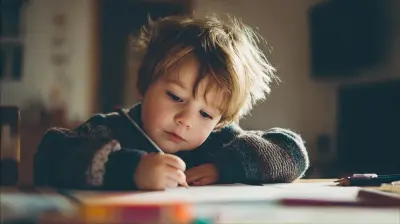
The Importance of Repetition in Early Childhood Education
23 August 2026
Every parent has seen it. The toddler who wants the same book read forty times in a row. The preschooler who sings the same song on repeat until everyone in the house knows every word. The four-year-old who builds the same block tower, knocks it down, and builds it again with identical precision. It is easy to dismiss this as a quirk of childhood, or even to feel a little bored by the sameness. But what looks like monotony from the outside is actually one of the most powerful learning mechanisms a young child possesses. Repetition is not a sign that a child is stuck. It is a sign that a child is working.

Why Repetition Is Not Boredom
Adults tend to equate repetition with boredom because our brains process familiar information quickly and move on. A child's brain is different. A child is not just hearing the same story or performing the same action. They are building a mental model of how the world works, and each repetition allows them to refine that model. The first time a child hears a new song, they might only catch the rhythm. The second time, they notice the words. The third time, they start to predict what comes next. By the tenth time, they are not just listening. They are anticipating, correcting, and eventually producing the song themselves.This is why a child who has heard the same bedtime story one hundred times will correct you if you skip a single word. They are not being pedantic. They are demonstrating mastery. They have internalized the sequence, the vocabulary, the rhythm, and the emotional arc of the story. That mastery is the foundation for future learning. You cannot build complex skills on a shaky base. Repetition is how the base gets solid.
The Neuroscience of Repetition and Memory
From a neurological standpoint, repetition is how neural pathways get strengthened. When a child hears a word or performs an action for the first time, the brain creates a weak connection between neurons. Each time that experience is repeated, the connection gets stronger. This is often described as "neurons that fire together wire together." The more frequently a pathway is activated, the more efficient it becomes. This is why skills like tying shoes, recognizing letters, or counting to ten eventually become automatic. They have been practiced so many times that the brain no longer needs to think consciously about them.There is an important distinction between simple repetition and spaced repetition. Spaced repetition means revisiting the same material at intervals over time, rather than cramming it all in one session. A child who practices counting for five minutes every day will retain that skill far better than a child who counts for an hour once a week. The brain consolidates memories during rest and sleep, and spacing out practice allows for that consolidation to happen. For parents and educators, this means that short, frequent, and consistent repetition is more effective than long, rare, and intense sessions.
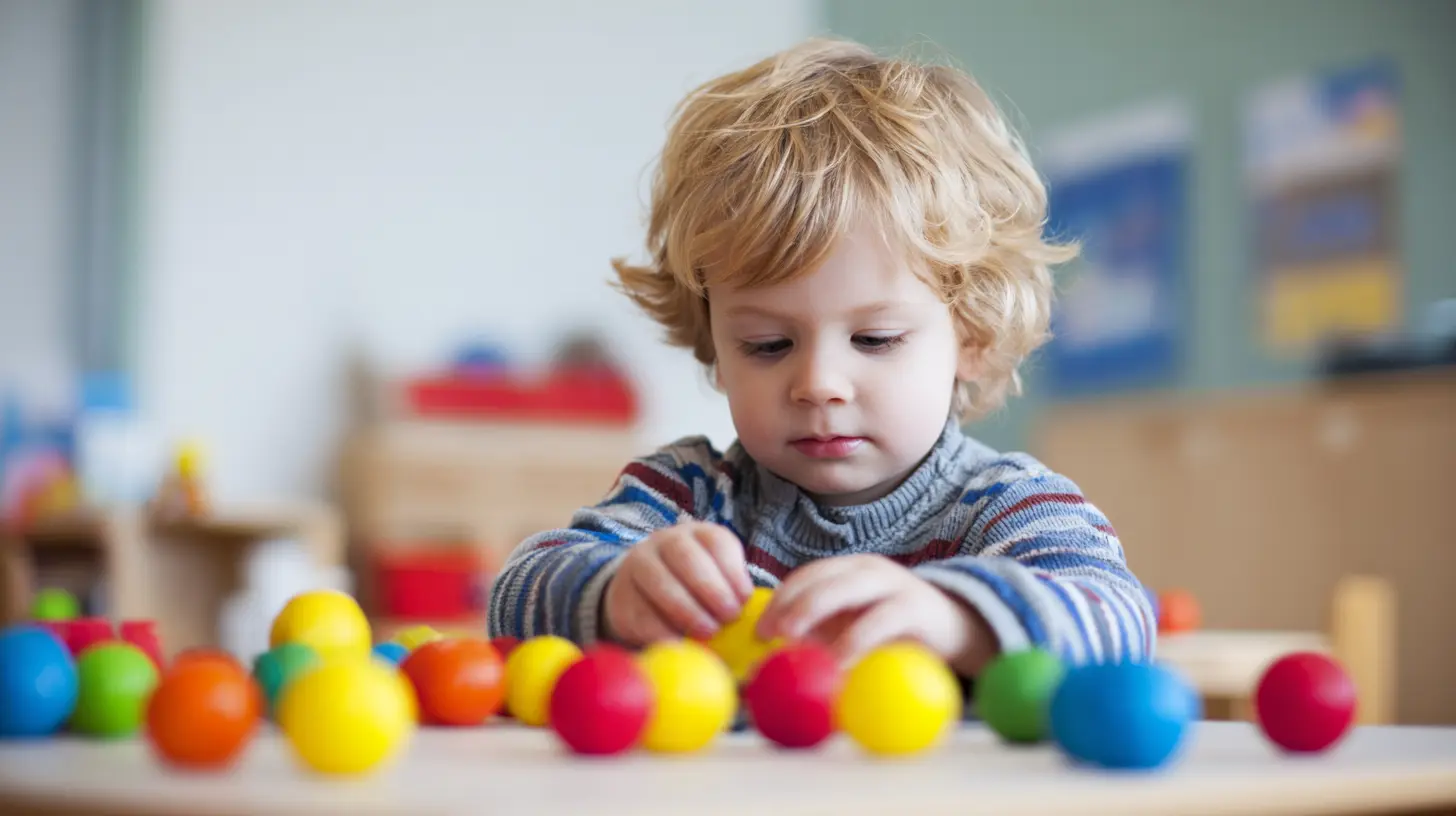
The Role of Repetition in Language Acquisition
Language is perhaps the clearest example of why repetition matters. Think about how a baby learns to say "mama" or "dada." They hear the word hundreds of times before they attempt it. They babble, they approximate, they get corrected, and they try again. Each repetition of hearing the word and attempting to produce it builds a stronger connection between the sound and the meaning.When children ask for the same book repeatedly, they are not just enjoying the story. They are absorbing vocabulary, sentence structure, grammar, and pronunciation. The repetitive nature of many children's books is not an accident. Books like "Goodnight Moon" or "Brown Bear, Brown Bear" are designed with predictable, repeating patterns because those patterns help children predict language and internalize it. A child who memorizes a book is not just memorizing words. They are learning how sentences are put together, how stories flow, and how meaning is conveyed through language.
One common mistake parents make is trying to introduce new books constantly because they think variety is better. While variety is valuable, it should not come at the expense of repetition. A child who only ever hears new stories never gets the chance to fully absorb any of them. The best approach is a balance. Read new books to expose children to new ideas, but do not be afraid to read old favorites again and again. The old favorites are doing the heavy lifting of language retention.

How Repetition Builds Confidence and Independence
There is an emotional component to repetition that is often overlooked. For a young child, the world is a chaotic and unpredictable place. New experiences, while exciting, can also be overwhelming. Repetition provides a sense of control and predictability. When a child knows exactly what is going to happen next in a story or a game, they feel safe. That safety gives them the confidence to engage more deeply.Consider a child learning to ride a tricycle. The first few attempts are wobbly and uncertain. But each time they get on, they learn a little more about balance, steering, and pedaling. After enough repetitions, the movements become smooth. The child no longer has to think about every motion. They can ride and look around at the same time. That feeling of competence is deeply satisfying and motivates them to take on new challenges. Repetition is not just about learning the skill. It is about learning that you are capable of learning.
This is why children often repeat activities that they have already mastered. A child who can already count to ten might still count to ten every day. They are not trying to learn to count anymore. They are practicing the feeling of success. That practice builds self-esteem and creates a positive feedback loop. The more they repeat something they are good at, the more confident they become, and the more willing they are to try something new.
The Difference Between Repetition and Rote Learning
It is important to address a common misconception. Repetition is often confused with rote learning, and rote learning has a bad reputation. Rote learning is memorization without understanding. It is reciting the times tables without knowing what multiplication means. That kind of repetition is indeed limited and can be counterproductive if used exclusively. But true repetition in early childhood is almost never rote. When a child repeats a song, they are not just repeating sounds. They are experimenting with melody, rhythm, and meaning. When they build the same block tower, they are testing physics, balance, and spatial relationships. Each repetition is slightly different because the child is actively engaged and thinking.The key difference is active versus passive repetition. Passive repetition is repeating a fact or a phrase without thinking about it. Active repetition is repeating an action or a piece of information while paying attention to the details, noticing what changes, and making small adjustments. Adults should encourage active repetition by asking questions, pointing out details, and making connections. Instead of just reading the same book, ask the child what they think will happen on the next page. Instead of just singing the same song, pause and let the child fill in the next word. This turns repetition from a passive activity into an active learning experience.
Practical Ways to Use Repetition at Home
There are many simple and effective ways to incorporate repetition into daily life without driving yourself crazy. The goal is not to eliminate repetition, but to make it purposeful and engaging.First, embrace the same-book request. If your child wants to read the same book every night for two months, let them. You can make it more interesting for yourself by changing your tone of voice, asking questions, or pausing to let your child finish sentences. You can also point to words as you read them, helping your child connect the spoken word to the written word.
Second, use songs and rhymes throughout the day. Songs are naturally repetitive, and children love them. Sing the same songs during bath time, car rides, and mealtimes. The repetition of the melody and lyrics helps children learn new vocabulary and develop phonological awareness, which is a strong predictor of later reading success.
Third, create routines with predictable sequences. A consistent bedtime routine, for example, is a form of repetition. When a child knows that bath comes before pajamas, and pajamas come before the story, and the story comes before sleep, they feel secure. That security makes transitions easier and reduces anxiety. The repetition of the routine is not just about getting things done. It is about teaching the child that the world is orderly and that they can predict what comes next.
Fourth, encourage repetitive play. If your child wants to line up the same toys in the same order, let them. If they want to play the same game of peek-a-boo twenty times, play it. These repetitions are helping the child master concepts like object permanence, sequencing, and cause and effect. You can gently extend the play by adding a small variation after the child has had many repetitions of the original game. For example, after playing peek-a-boo with your hands many times, you might hide behind a pillow instead. This introduces novelty while maintaining the familiar core.
When Repetition Becomes a Problem
While repetition is generally healthy and necessary, there are times when it can become excessive or problematic. Some children, particularly those on the autism spectrum, engage in repetitive behaviors that are more about self-regulation than learning. These behaviors, like rocking, hand-flapping, or repeating the same phrase over and over, serve a different purpose. They are often calming mechanisms or ways to manage sensory overload. In these cases, repetition is not a learning tool but a coping strategy. It is important for parents to understand the difference.For typically developing children, excessive repetition that interferes with other activities might be a sign of anxiety or an attempt to avoid new experiences. If a child refuses to do anything except repeat the same activity, it might be worth gently introducing new options while still honoring their need for the familiar. The key is balance. Repetition should be a tool for growth, not a barrier to it.
Another common mistake is using repetition as a form of drilling that creates pressure. If a child is forced to repeat a skill until they get it right, and they are punished or criticized for mistakes, the repetition becomes stressful. Stress inhibits learning. The brain is not designed to absorb new information when it is in a fight-or-flight state. Repetition works best when it is playful, voluntary, and low-pressure. A child who is having fun repeating a song is learning far more than a child who is being drilled on flashcards.
The Role of Parents and Educators in Guiding Repetition
Adults have a crucial role in making repetition effective. It is not enough to just let children repeat things. Adults need to observe, respond, and extend. When a child repeats an action, an attentive adult can notice what the child is focusing on and offer subtle support. If a child is building a tower and it keeps falling over, the adult can model a slightly different approach. If a child is singing a song and gets stuck on a word, the adult can supply the word without making a big deal of it.Adults also need to be patient. It can be frustrating to read the same book for the hundredth time or answer the same question over and over. But every repetition is an investment in the child's cognitive development. Patience in the moment pays off in the long run. When you respond to a child's request for repetition with enthusiasm rather than reluctance, you are sending a powerful message. You are telling them that their interests matter and that learning is a joyful process.
There is also a balance to strike between repetition and novelty. Too much repetition and the child becomes bored. Too much novelty and the child becomes overwhelmed. The ideal is a rhythm of familiar and new. Introduce a new concept, give the child time to explore it through repetition, and then introduce another new concept that builds on the first. This is how curricula are designed in quality early childhood programs, and it is a good model for home as well.
Common Misconceptions About Repetition
One misconception is that repetition is a sign of low intelligence. This is completely false. In fact, the opposite is often true. Highly intelligent children are often very interested in repetition because they are driven to understand things deeply. They notice details that other children miss, and they want to explore those details thoroughly. Repetition is a sign of curiosity and focus, not a lack of ability.Another misconception is that children should be pushed to try new things instead of repeating old ones. While exposure to new experiences is important, pushing a child away from repetition can actually slow their learning. A child needs to master one skill before they can build on it. If you force a child to move on before they are ready, you are creating gaps in their understanding. Let the child set the pace. They know what they need.
A third misconception is that repetition is only for young children. In reality, repetition is important for learners of all ages. Musicians practice scales. Athletes practice drills. Adults review notes and practice presentations. The difference is that adults often choose repetition consciously, while children do it instinctively. The instinct is worth honoring.
How Different Age Groups Benefit Differently
Repetition looks different at different ages, and understanding this can help parents tailor their approach.For infants, repetition is mostly about sensory experiences. Repeating the same lullaby, the same gentle bounce, or the same game of pat-a-cake helps build early connections between sound, movement, and emotion. Repetition also helps infants learn cause and effect. When they drop a spoon and it falls, and they drop it again and it falls again, they are learning about gravity and object permanence.
For toddlers, repetition is about language and motor skills. They want the same book, the same song, the same game. This repetition is building vocabulary, sentence structure, and coordination. Toddlers also use repetition to assert control and test boundaries. Asking for the same thing over and over is a way of exploring the limits of their power and your patience.
For preschoolers, repetition is about mastery and social learning. They might want to play the same game with a friend repeatedly because each time they play, they understand the rules a little better. They might want to hear the same story because they are working on retelling it themselves. Preschoolers also use repetition to practice social scripts, like greeting, sharing, and pretending. These repeated social interactions are how they learn to navigate relationships.
The Long-Term Benefits of Repetition
The benefits of repetition in early childhood extend far beyond the preschool years. Children who are allowed to engage in meaningful repetition develop stronger memory skills, better attention spans, and a deeper understanding of how learning works. They learn that mastery takes time and that persistence pays off. This is a critical lesson for later academic success.Repetition also builds a foundation for creativity. This might seem counterintuitive. How can doing the same thing over and over lead to creativity? The answer is that creativity requires a base of knowledge and skill. You cannot improvise on an instrument unless you know the scales. You cannot write a story unless you know how sentences work. Repetition provides the raw material for creative expression. Once a child has mastered a skill through repetition, they can begin to play with it, vary it, and combine it with other skills. The child who has sung the same song one hundred times will eventually start making up new verses. That is creativity built on a foundation of repetition.
A Balanced Approach for Parents
The best approach to repetition is a balanced one. Honor your child's need for repetition, but also gently introduce variety. Trust that your child knows what they need, but also provide guidance. Be patient when the same request comes again and again, but also set limits when necessary. If you are feeling bored or frustrated, it is okay to say so in a gentle way. You can say, "I am feeling a little tired of this book. Can we read it one more time and then pick a new one?" This models healthy communication and teaches the child that other people have needs too.It is also helpful to remember that repetition is not just for the child. Adults benefit from repetition too. When you repeat a bedtime routine, you are also building a habit that makes your life easier. When you sing the same lullaby, you are also calming yourself down. Repetition is a shared experience, and it can be a source of connection between parent and child.
Final Thoughts
When you understand the importance of repetition, you start to see it everywhere. The child who asks for the same story is not being difficult. They are being an active learner. The child who wants to play the same game is not being rigid. They are building mastery. The child who sings the same song is not being repetitive. They are being joyful.The next time your child asks for the same thing again, pause before you sigh. Remember that this is not a sign of stagnation. It is a sign of growth. Your patience in that moment is not just enduring a boring task. It is actively supporting your child's brain development, emotional security, and love of learning. Repetition is not the enemy of progress. It is the very engine of it.
all images in this post were generated using AI tools
Category:
Early Childhood EducationAuthor:

Austin Wilcox
Discussion
rate this article
1 comments
Yvonne Fisher
Repetition builds confidence and understanding in young minds. Embrace these moments; they shape a strong foundation for lifelong learning. Keep inspiring!
August 24, 2026 at 3:32 AM
Austin Wilcox
Thank you for your insights! Embracing repetition truly lays the groundwork for lifelong learning. I appreciate your support!