The Overprotective Parent: When Support Becomes a Crutch
13 February 2026
Parenting comes with a mix of joy, fear, hope, and sometimes — too much caution. Of course, we all want to shield our kids from harm. But there’s a fine line between being supportive and inadvertently holding them back. When does caring turn into coddling? When does helping become hindering?
Welcome to the tricky world of overprotective parenting — where love sometimes ties kids’ shoelaces long after they’ve learned to do it themselves.
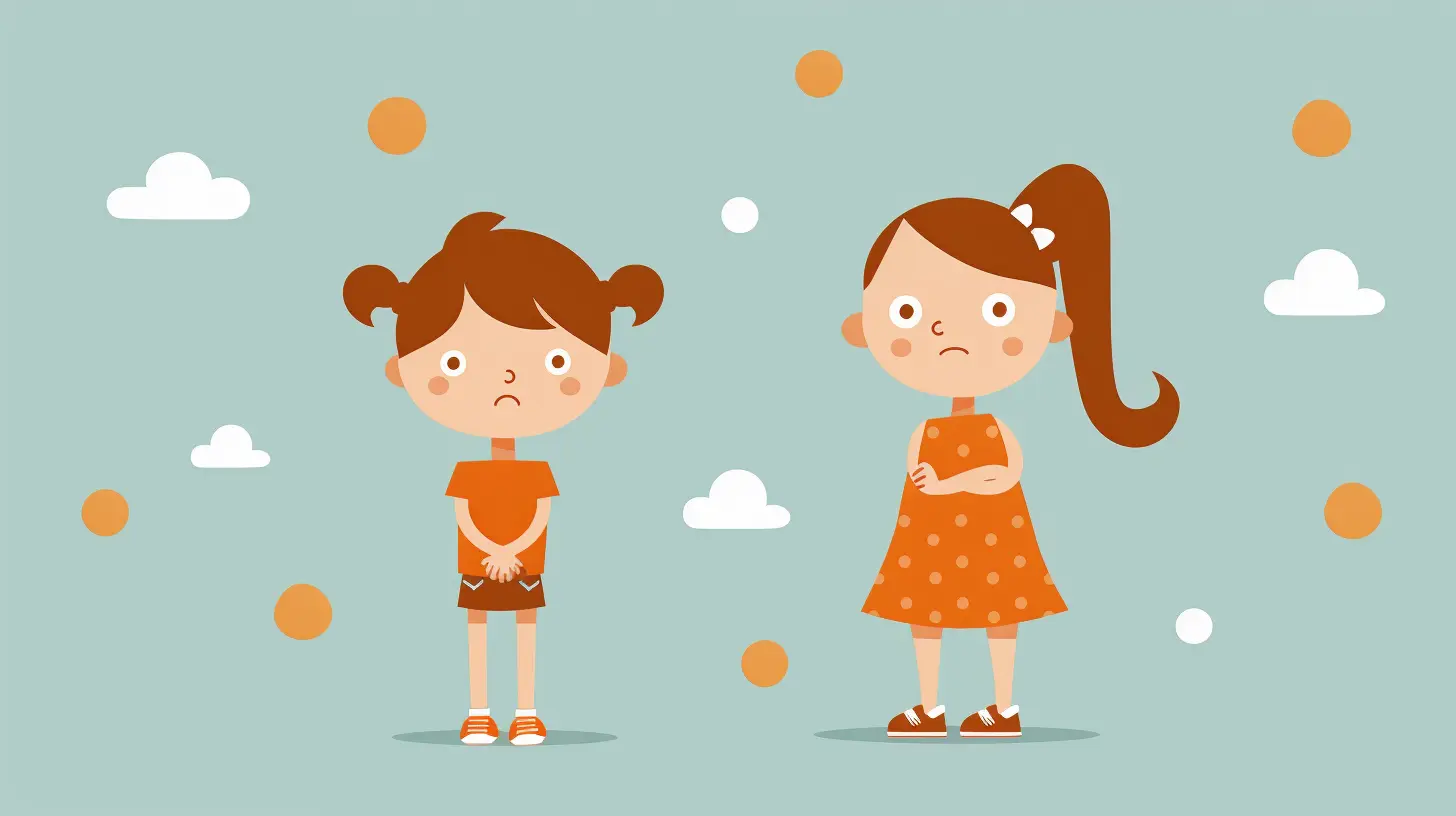
What Is Overprotective Parenting?
Overprotective parents often operate from a place of deep love, but also fear. They go to great lengths to prevent suffering, discomfort, or failure in their child’s life — even minor ones. Think of it as emotional bubble wrap. Harmless at first, but stifling in the long run.It might show up as:
- Constant monitoring of every activity
- Intervening in conflicts without letting the child resolve anything
- Doing homework or chores for them
- Preventing any type of risk — even developmentally necessary ones
- Stepping in to fix things before the child has a chance to try
Sound familiar? You’re not alone.

Why Parents Become Overprotective
The root of this behavior is usually fear. Fear of failure. Fear of judgment. Fear of anything bad happening to your child. And in today’s world — with social media, peer pressure, and a barrage of parenting advice — that fear can feel overwhelming.We’re told to watch our kids like hawks, but also to let them be independent. Mixed messages much?
Sometimes, a parent’s own childhood experiences — maybe growing up with neglect, trauma, or insecurity — can drive them to overcompensate. The intention is good. But the outcomes? Not always.

The Warning Signs: When Support Becomes a Crutch
You know how training wheels help a kid learn to ride a bike? They’re great at first — but eventually, those wheels need to come off so the kid can ride solo.Overprotective parenting is like refusing to take those wheels off — even when your child’s ready to pedal on their own.
Here’s where it crosses the line:
1. Your Child Can’t Make Decisions
Every little thing — from what to wear to how to solve a problem — goes through you. If your child constantly looks to you for answers, they might not be building the decision-making muscles they’ll need in the future.2. They Fear Failure… A Lot
Overprotected kids often grow up terrified of doing anything wrong. Why? Because they’ve never been allowed to fail safely. Every stumble has been prevented, so the idea of messing up feels catastrophic.3. Struggles With Independence
If your teen doesn’t know how to make their own lunch or schedule a doctor’s appointment, it might be a sign they’re relying too much on you. Independence is a skill that must be practiced — just like anything else.4. Low Resilience and Coping Skills
Life can be messy. Disappointments, rejection, stress — they’re part of the package. But if a child has been shielded from every challenge, they'll likely crack under pressure rather than rise to meet it.
The Long-Term Impact On Kids
You’re not just raising a child — you’re raising a future adult. And adults need to function in a world that doesn’t always cater, protect, or clean up their messes.Here’s what overprotection can do over time:
Lack of Confidence
Kids who are constantly bailed out or guided may start to doubt their own abilities. They second-guess themselves, feel anxious about new situations, and avoid taking initiative.Struggles With Relationships
Let’s face it: relationships require conflict resolution, empathy, and compromise. But if mom or dad always swooped in to fix things, how will kids learn to navigate emotions on their own?Dependency
Even well into their twenties or thirties, overprotected children can continue leaning too heavily on their parents. Picture a flower that never learns to stand tall because someone constantly props it up — even when it’s strong enough.Mental Health Risks
Anxiety, depression, and low self-esteem are often higher in kids who weren’t given the room to fall — and learn to get back up.Why Failing Is Actually Good (Yes, Seriously!)
Think back to something you learned the hard way. Maybe burning your first batch of cookies taught you to double-check the timer. Or missing a school deadline helped you prioritize better.Kids need to experience small failures. It’s like their emotional immune system — exposing them to challenges helps build resilience and strength.
Let them stumble while you're still around to guide them. It’s safer than waiting until they’re out on their own with no clue what to do.
Healthy Support vs. Overprotection
Let’s draw the line clearly.| Supportive Parenting | Overprotective Parenting |
|--------------------------|------------------------------|
| Encourages problem-solving | Solves every problem for the child |
| Offers guidance, not control | Micromanages every detail |
| Allows age-appropriate risks | Avoids all risk, no matter how small |
| Builds resilience | Prevents failure at all costs |
| Fosters independence | Creates dependency |
Support means walking alongside your child — not in front of them, clearing the path.
How To Break the Overprotection Cycle
So, what if you’re reading this and thinking, “Uh-oh… that’s me”? First — no judgment. Most of us have dipped a toe into the overprotective pool at some point.The good news? You can turn it around. Here’s how:
1. Start Small
Give your child more room in low-stakes situations. Let them pick their outfit, make their snack, or handle a minor disagreement with a friend.Yes, they might mess up. That’s okay.
2. Shift From “Fixer” to “Coach”
When your child faces a problem, resist the urge to jump in. Instead, ask:“What do you think you could do?”
“How do you want to handle it?”
Let them brainstorm — and support them if they stumble.
3. Admit When You’re Overdoing It
Honesty goes a long way. Tell your child, “I realize I’ve been stepping in too much, and I want to give you more space to learn on your own.” That kind of self-awareness models healthy behavior.4. Let Them Fail (Gently)
We’re not talking about tossing them into the deep end without a lifejacket. But do let them taste failure — whether it’s forgetting homework or not making the team. Then be there to help them process it, not erase it.5. Focus on Long-Term Growth
Ask yourself: “Will this help or hurt their independence in the long run?” That one question can shift your whole parenting perspective.
Parenting for Independence: What That Looks Like
So, what does healthy, growth-focused parenting actually look like?- Encouraging responsibility from an early age
- Teaching life skills (laundry, cooking, managing money)
- Allowing privacy and space to make decisions
- Supporting their passions (even if they’re not yours)
- Building trust rather than enforcing control
- Letting natural consequences do the teaching
It’s not about being distant or hands-off. It’s about becoming a safe base they can return to, not a constant presence hovering above.
Raising Resilient Kids in an Overprotective World
Let’s be real — society doesn’t make this easy. Schools, apps, other parents — even the news — often push us toward paranoid parenting. But kids thrive most when they’re trusted and given space to grow.Imagine raising a tree. If you never let it sway in the wind, it’ll never grow strong roots. The same is true for kids. They need a little wind, a little wobble, to find their balance.
Final Thoughts: Love With Limits
Being a parent is hard. Letting go, even just a little, can feel terrifying. But it’s also necessary — and healthy.Let’s stop confusing protection with perfection. Let’s stop viewing independence as indifference. And let’s start giving our kids the gift of growth — even when it’s messy.
We can be supportive without becoming their crutch. Because true love doesn't shelter… it strengthens.
all images in this post were generated using AI tools
Category:
Parenting MistakesAuthor:

Austin Wilcox
Discussion
rate this article
2 comments
Claire Foster
This article offers valuable insights into the balance between support and independence in parenting. It’s essential to empower children to navigate challenges on their own while providing a safety net. Striking this balance fosters resilience and confidence, preparing them for future challenges in a nurturing environment.
March 9, 2026 at 4:43 AM
Austin Wilcox
Thank you for your thoughtful comment! I completely agree that fostering resilience through a balance of support and independence is crucial for children's development.
Colin Monroe
Finding balance is key—support them but let them grow!
February 13, 2026 at 3:40 AM
Austin Wilcox
Absolutely! Striking that balance is essential for fostering independence while providing necessary support.