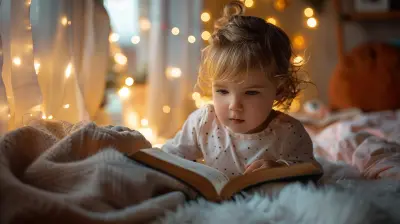
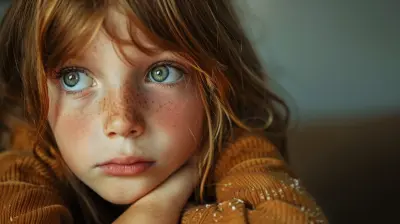
The Role of Birth Order in Sibling Jealousy
7 May 2026
Let’s face it—raising multiple kids comes with its fair share of beautiful chaos. And right in the middle of the daily hustle? Sibling rivalry. One moment they’re playing superheroes together, the next they’re fighting over who got more syrup on their pancakes. If you’ve felt caught smack in the middle of those squabbles, you’re not alone.
Sibling jealousy is a real thing. And interestingly, the order in which your kids are born can play a pretty big role in how this jealousy shows up. Whether you’ve got a bossy firstborn, a sensitive middle child, or a wild-and-free youngest, birth order shapes their little personalities—and the ways they clash or connect.
So, what’s the deal with birth order and sibling jealousy? Let’s break it down in a way that actually makes sense (without any boring textbook vibes). By the end, you’ll feel empowered to calm the bickering, support your kids in their individual journeys, and maybe even enjoy a few more peaceful family dinners.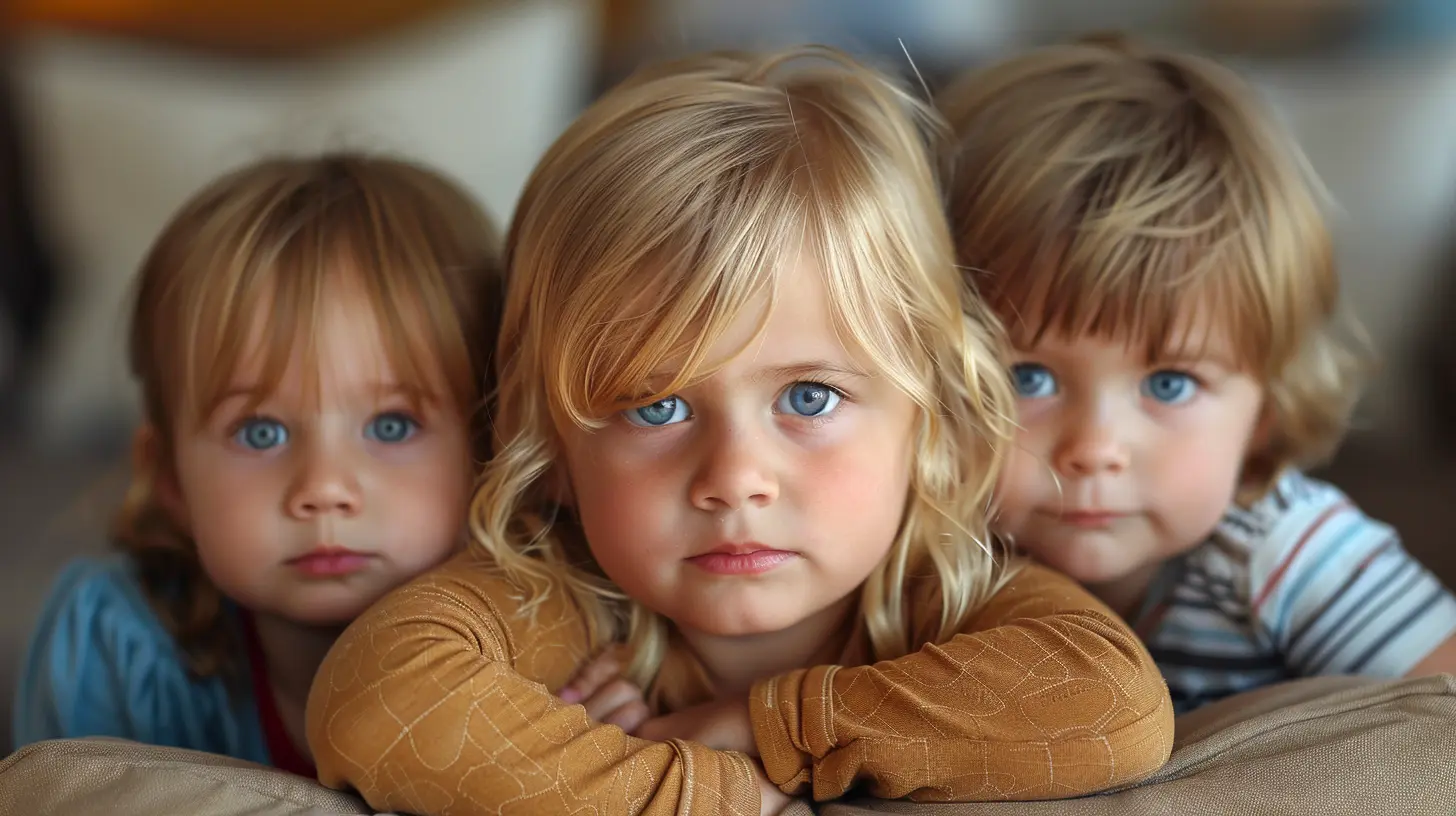
What Is Sibling Jealousy, Really?
Before we get into who’s jealous of who, let’s talk about what sibling jealousy actually is. Basically, it’s that bubbling feeling of envy or resentment one child might feel toward another. It can show up when one child thinks their sibling is getting more attention, more praise, or more privileges.And let’s not sugarcoat it—jealousy can lead to all kinds of behaviors. From tantrums to tattletales, from fights over toys to “She’s your favorite!” accusations, this emotion can cause serious rifts between siblings and headaches for parents.
But here’s what’s important: sibling jealousy isn’t just about personality. It’s shaped by each child’s environment, experiences, and yes, their birth order.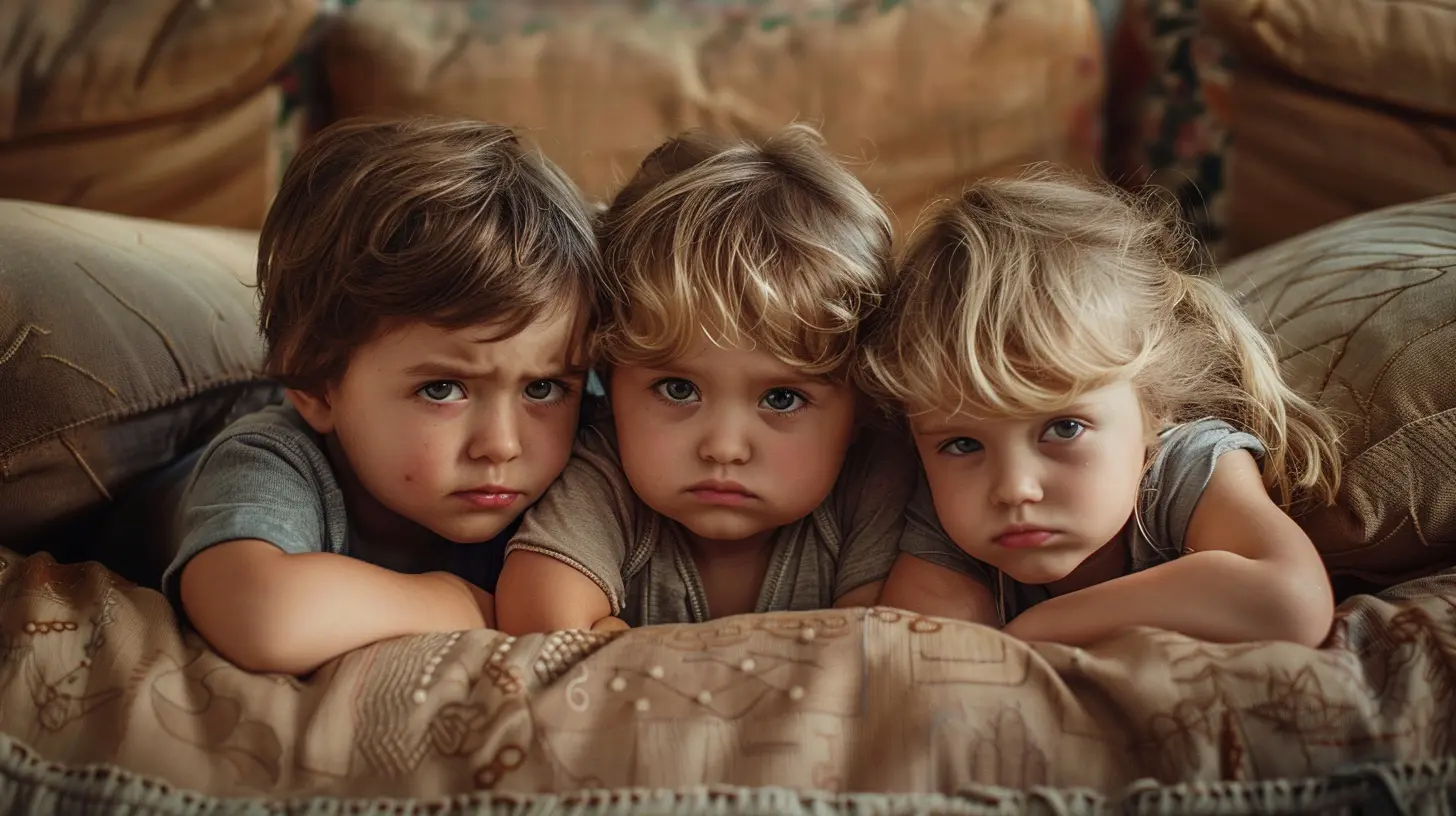
Birth Order Basics: A Quick Refresher
You’ve probably heard the stereotypes—the responsible firstborn, the rebellious middle child, and the spoiled baby of the family. While it’s not a one-size-fits-all, birth order can definitely have a psychological impact.Let’s break it down:
1. Firstborns
- Usually seen as leaders or perfectionists- Often feel pressure to "set the example"
- May be more anxious or competitive
2. Middle Children
- Often feel overlooked or "in the shadow"- Strive to carve out their own space
- Can be peacekeepers or rebels
3. Youngest Kids
- Typically more free-spirited and attention-seeking- May get away with more thanks to mom and dad being more relaxed
- Known for charm and creativity
Each of these roles can affect how children perceive their place in the family—and how much they envy their siblings.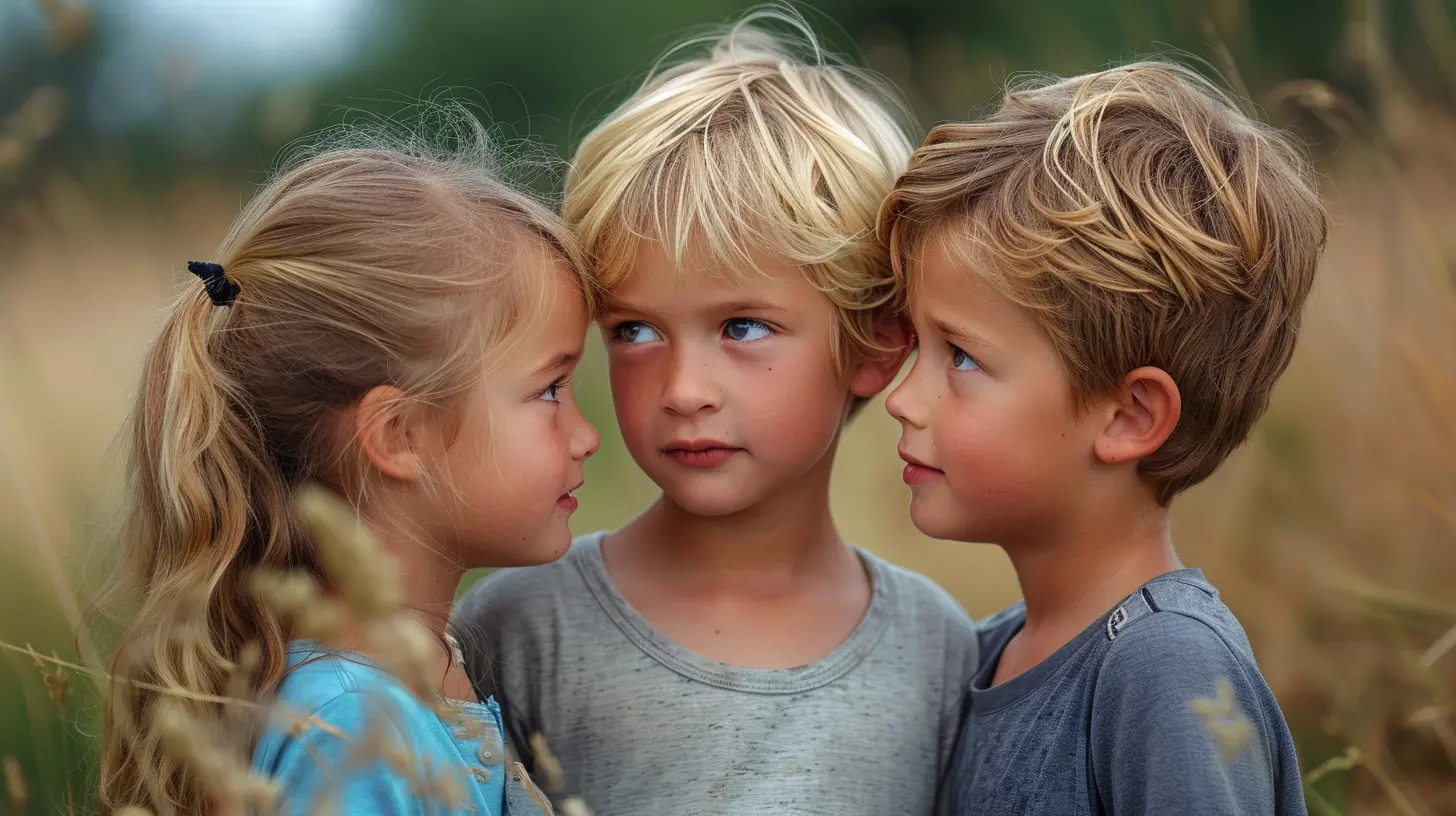
How Birth Order Can Shape Jealousy
Now that we’ve got the basics, let’s dig into how birth order mixes the perfect storm for jealousy.1. The Firstborn’s Fall From Grace
Imagine being the only child in the family—getting all the cuddles, coos, and attention. Life’s sweet, right? Then suddenly, a baby shows up and your world flips upside down.Many firstborns experience a sense of loss when a younger sibling arrives. Their monopoly on mom and dad’s attention ends, and they’re often expected to “grow up fast.”
That’s a recipe for jealousy. You might hear things like:
- “Why does she get all the attention?”
- “When I was little, I never got to do that!”
Even though they’re older, these kiddos may act out or regress just to reclaim some of that lost spotlight.
Pro Tip: Carve out special one-on-one time with your firstborn. Let them know that their role as the “big kid” is important, but they’re still your baby too.
2. The Middle Child’s Identity Crisis
Ah, the middle child—the one stuck between the trailblazing eldest and the baby-of-the-house youngest. It’s easy to see why middle kids might feel invisible. They may not get the praise the firstborn does or the affection showered on the baby.This “middle place” often sparks jealousy:
- “No one pays attention to me.”
- “They always care more about her.”
Middle children may develop a strong need to stand out, or they might withdraw entirely. Sometimes, they even get labeled as the “troublemaker” when they're just trying to be seen.
Pro Tip: Celebrate your middle kid’s uniqueness. Let them pick the dinner menu, choose the movie night flick, or lead a weekend activity. They’re not “stuck in the middle”—they’re the glue.
3. The Youngest: The Drama Royalty
Let’s be honest. The youngest kids often get a little more leniency. Parents are usually more relaxed by the time baby #3 (or #4, or #5) rolls in. That can make older siblings feel like the youngest is the "favorite."And from the youngest child’s perspective? They may feel like they have to perform or exaggerate just to be noticed among their louder, older siblings.
Youngest kids may show jealousy when:
- They feel left out of “big kid” activities
- They crave attention and don’t know how to ask nicely
- Their older siblings get praise they don’t understand
Pro Tip: Encourage age-appropriate independence for your youngest child. Also, don’t be afraid to set boundaries—even the baby needs limits!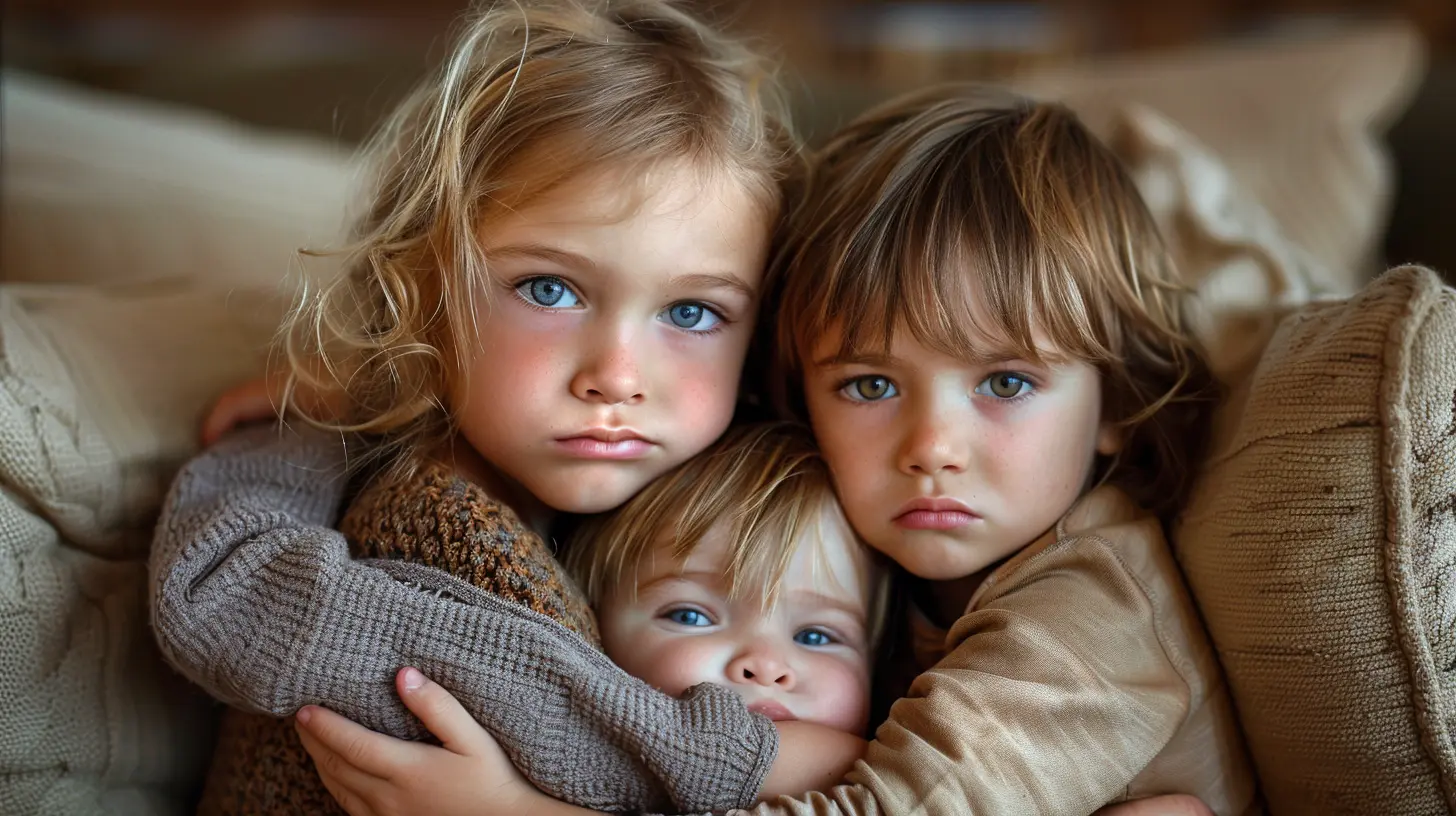
What About Twins or Large Families?
In bigger families or in the case of multiples like twins, the dynamics shift even more. Sometimes competition becomes more intense, especially if kids are close in age or share similar interests.With twins, for example, one might feel jealous if the other is constantly labeled "the smart one" or "the athletic one." Labeling, even when unintentional, can drive a wedge between closely bonded siblings.
Pro Tip: Avoid comparisons at all costs. Focus on reinforcing each child’s strengths without stacking them against one another.
Signs Your Child May Be Struggling with Sibling Jealousy
Not all jealousy is loud and obvious. Sometimes, it hides underneath the surface. Here’s what to watch for:- Frequent arguments with siblings
- Regression (like bed-wetting or baby talk)
- Attention-seeking behavior
- Withdrawal or acting out in school
- Low self-esteem or negative self-talk
If you spot a pattern, don’t panic. Jealousy is natural—it’s how you handle it that makes the difference.
Tips for Easing Sibling Jealousy (Without Losing Your Mind)
While you might not be able to magically erase jealousy, you can create a family environment that lowers the tension and boosts each child’s sense of self-worth.1. Practice Fairness—Not Sameness
Kids don’t want exactly the same treatment; they want to feel seen and valued. Meet each child where they are, and explain your reasoning when things look “unequal.”2. Point Out Strengths (Minus the Comparisons)
Instead of saying, “Why can’t you be more like your sister?” try “I love how creative you are.” Keep the focus on nurturing unique qualities rather than stacking them up against one another.3. Encourage Teamwork
Give them a common goal—whether it’s building a blanket fort, baking cookies, or finishing a puzzle. Working together builds bonds.4. Teach Emotional Language
Sometimes jealousy masks itself as anger, tears, or silence. Help your kids name what they’re feeling. You can say, “It seems like you're upset because you feel left out. Want to talk about it?”5. Lead By Example
Model how to express feelings in a healthy way. Let them see that it’s okay to feel jealous, frustrated, or sad—and that those emotions can be worked through without yelling or hitting.The Good Side of Sibling Jealousy
Believe it or not, a little sibling rivalry can be healthy when managed right. It teaches kids about boundaries, competition, compromise, and emotions. Plus, as they learn to navigate jealousy, they also build empathy and conflict-resolution skills—life lessons that’ll serve them well into adulthood.So, the next time you hear, “That’s not fair!” or witness another dramatic “She took MY toy!” moment, take a deep breath. This is just one chapter in their lifelong sibling story. And you, dear parent, are the author guiding them through it.
Final Thoughts
Birth order doesn’t cause jealousy, but it definitely spices it up. Each child sees the world (and their siblings) through their own lens, shaped by where they fall in the family dynamic.The key? Stay aware of these differences. Keep communication open. Celebrate what makes each child special. And most importantly, remind them—and yourself—that this messiness is all part of building lifelong sibling bonds.
Parenting multiple kids isn’t easy, and sibling jealousy can be tough to watch. But with a little intention, a lot of patience, and a side of humor, you can help your children grow into confident, compassionate, and connected individuals.
You’ve got this.
all images in this post were generated using AI tools
Category:
Sibling JealousyAuthor:

Austin Wilcox
Discussion
rate this article
2 comments
Micah Thompson
Great insights on sibling dynamics! Understanding birth order really helps in navigating those tricky moments of jealousy between siblings.
June 11, 2026 at 2:31 PM
Austin Wilcox
Thanks for your feedback! I'm glad you found the insights helpful in tackling sibling jealousy. Understanding these dynamics can really make a difference.
Zareth McMahon
This article insightfully explores how birth order influences sibling dynamics. It highlights that firstborns may feel threatened by younger siblings, while later-borns might wrestle with identity issues. Understanding these patterns can help parents foster healthier relationships and mitigate jealousy among their children.
May 8, 2026 at 4:22 AM
Austin Wilcox
Thanks for your thoughts! It's fascinating how birth order shapes sibling relationships. Recognizing these dynamics can really help parents create a supportive environment.