The Role of Tummy Time in Infant Development
8 December 2025
Let’s face it—being a new parent is like being thrown into a whirlwind of swaddles, diapers, and Google searches at 2 a.m. One minute you're celebrating your baby's first smile, and the next, you're panicking over whether you're doing enough when it comes to their development. One of those mysterious parenting buzzwords you've probably heard floating around is "tummy time."
Spoiler alert: tummy time isn’t just some fancy term the pediatrician throws around to sound smart. Nope—it’s a game-changer for your baby’s growth, especially in those crucial first few months. Stick with me, because we’re about to break down exactly why tummy time deserves a front-row seat in your daily baby routine.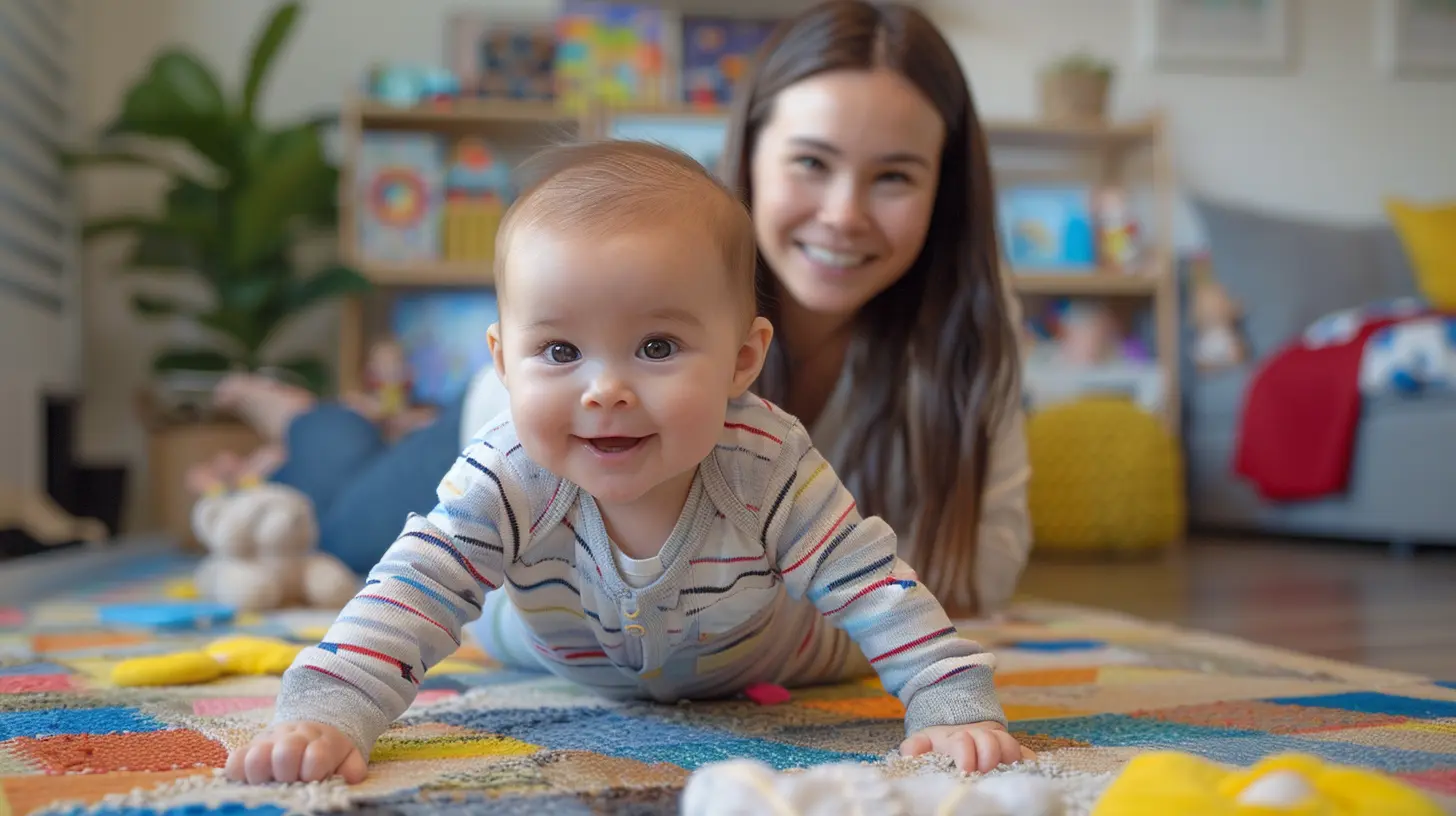
What Exactly Is Tummy Time?
First things first. Tummy time is simply the period when your baby is placed on their stomach while they're awake and supervised. That’s it. It doesn’t involve fancy baby gear or a Pinterest-worthy set-up. Just your baby, a safe surface, and some intentional time on their belly.Sounds simple, right? But don’t let the simplicity fool you. This little moment of play is the workout your baby didn't know they needed.
Why Is Tummy Time So Important?
Think of tummy time as your baby's very first gym membership. It’s all about building strength—especially in the neck, shoulders, arms, and back. It lays the foundation for rolling over, crawling, sitting up, and eventually walking.1. Strengthens Core Muscles
Imagine trying to do a push-up with a head three times larger than your body (okay, maybe not literally, but proportionally—yes!). That’s what tummy time is like for babies. They work their little muscles just trying to lift and turn their heads. These movements help develop the core strength they’ll need for everything from crawling to sitting.2. Prevents Flat Head Syndrome (Plagiocephaly)
Heads are soft when babies are born, which is why lying on their backs all day can lead to a flat spot. Tummy time gives babies a break from that pressure and helps shape their heads properly. And let’s be real, who doesn’t want to protect that adorable noggin?3. Boosts Motor Skill Development
Tummy time isn’t just about the neck and back. It amps up coordination—helping babies understand how their arms and legs move together. It’s the earliest form of cross-body coordination, which they’ll need to crawl and eventually dance like nobody’s watching.4. Encourages Sensory Exploration
Your baby’s perspective totally shifts when they’re on their tummies. Suddenly, they're seeing the world from a whole new angle—touching different textures, hearing new sounds, and observing movement differently. It’s like going from black-and-white to full color.5. Promotes Visual Development
Lying on their bellies encourages babies to look around more actively. They follow toys, look at faces, and take in their environment in ways that improve tracking, depth perception, and visual motor skills.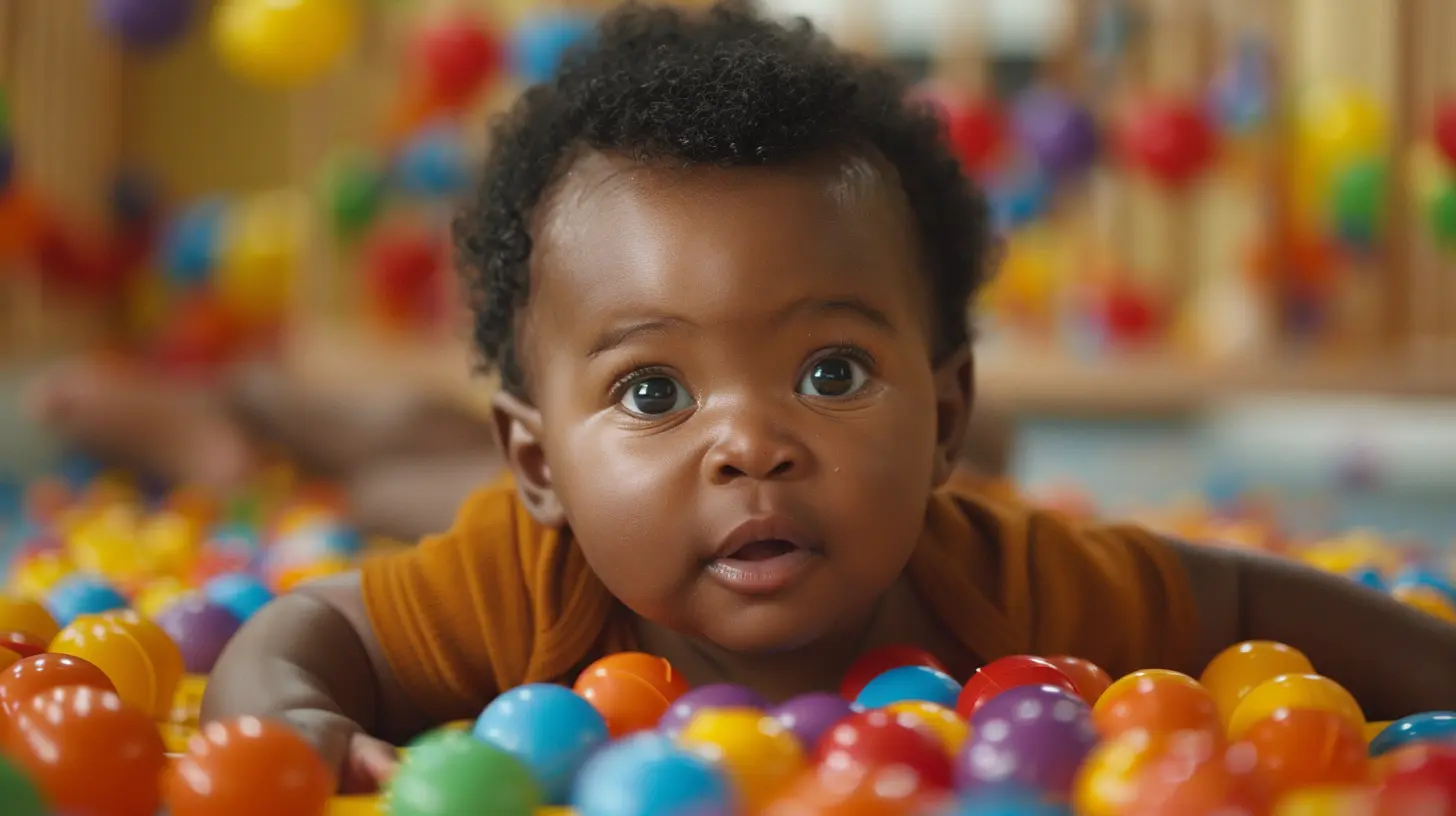
When Should You Start Tummy Time?
Here’s the golden rule: the earlier, the better. As in, right after birth.Yep, you read that right.
You can start tummy time from day one—right on your chest. In fact, chest-to-chest tummy time is not just beneficial, it’s also super cozy. It helps with bonding and offers all the perks of tummy time without even needing a play mat.
As your baby gets stronger, you’ll level up from snuggly chest sessions to tummy time on a firm surface (like a play mat or soft blanket on the floor).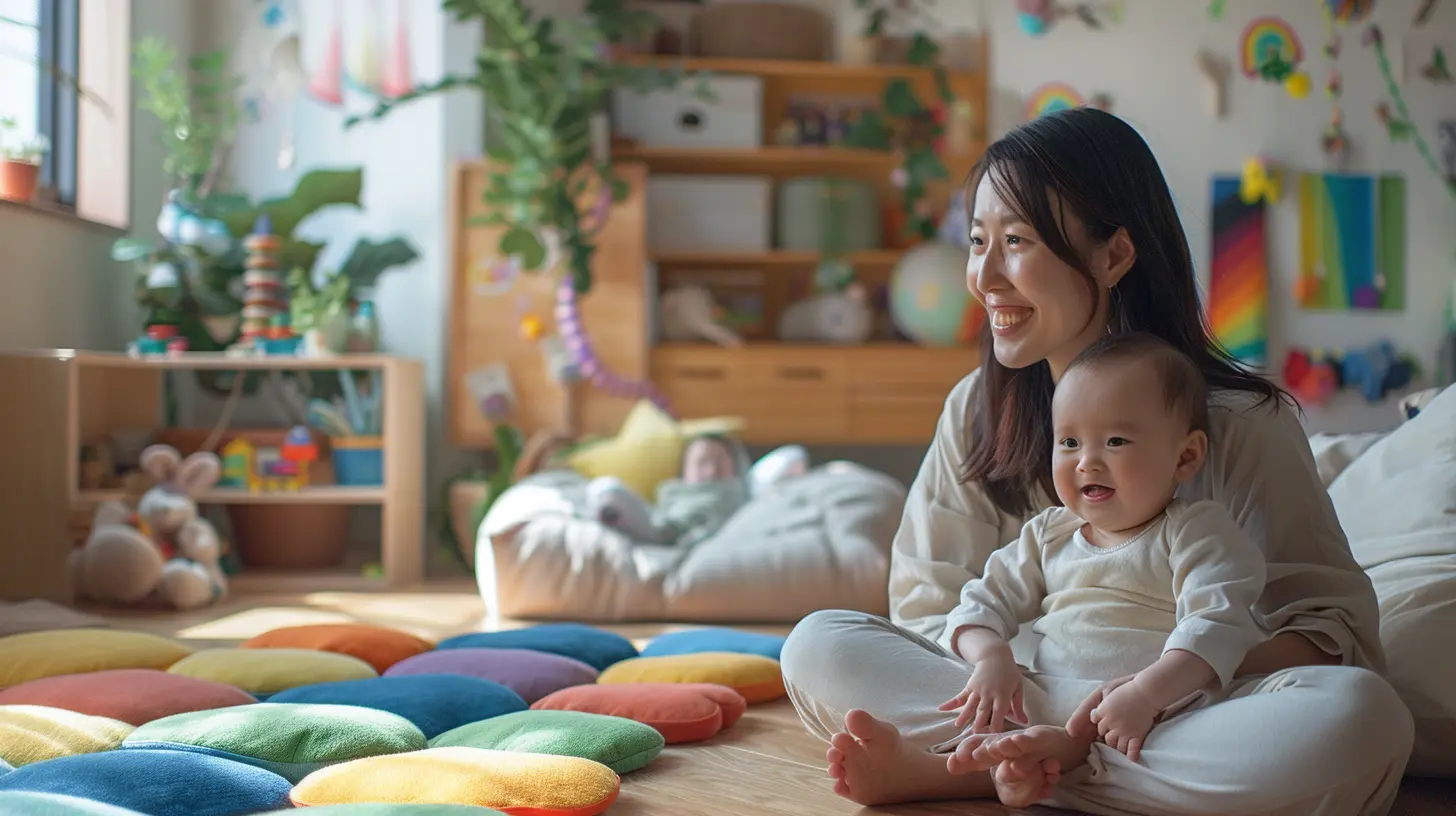
How Much Tummy Time Should Your Baby Get?
Good question. The answer? It depends on age:- Newborn–2 months: Start with a few minutes at a time, 2–3 times a day. Even 1 minute counts. Don’t worry if they fuss—that’s normal.
- 3–4 months: Aim for a total of 20–30 minutes a day, split up into shorter sessions.
- 5+ months: Work up to at least 1 hour spread throughout the day.
Don’t stress if your baby hates it at first. Most do. But like broccoli and taxes, it’s good for them, even if they protest at the beginning.
How To Make Tummy Time Fun (So Your Baby Doesn’t Lose It)
Alright, real talk—no one enjoys baby meltdown hour. Tummy time can be frustrating for babies when they’re still figuring it all out. The trick is to make it engaging and fun.1. Get Down There With Them
Your baby is more likely to tolerate this mini workout if they’re not doing it alone. Lie down facing them. Smile. Talk. Make silly noises. You’re their favorite person right now—use that power.2. Use Toys and Mirrors
Toys that crinkle, light up, or make sounds? Yes, please. A baby-safe mirror can also be a game-changer—they love looking at themselves. (Who doesn’t?)3. Try Short, Frequent Sessions
You don’t have to nail a 30-minute tummy time marathon on day one. Think more along the lines of 3-minute bursts throughout the day. Build it into your diaper changes, playtime, or right after naps.4. Switch Positions
Tummy time doesn’t always have to be on the floor. Try laying your baby across your lap, on a pillow, or even tummy-to-tummy on your chest. The variety keeps things fresh and makes it feel less like bootcamp.What If My Baby Hates Tummy Time?
Okay, breathe. Most babies go through a tummy time protest phase. It’s not a sign they’re broken or doomed to have weak upper bodies forever.Here’s what to do:
- Start slow: One minute at a time is better than nothing.
- Use encouragement: Clap, cheer, and show excitement when they make even the smallest movement.
- Time it right: Don’t try tummy time when they’re hungry, sleepy, or cranky. Timing is everything.
- Be consistent: Babies thrive on routine. The more often you do it, the more they’ll adjust.
Trust me, consistency wins the race here.
Tummy Time Milestones By Month
Let’s break down what you can expect (roughly) as your baby grows:- 0–1 Month: Can lift their head briefly while on the chest.
- 2 Months: Begins to push up on arms, lifts head higher.
- 3–4 Months: Holds head steady, starts to push chest off the ground.
- 5–6 Months: Rolls over, props up on straight arms, starts reaching for toys.
Of course, every baby is different. Don't panic if your little one takes their sweet time—just keep offering opportunities.
The Long-Term Benefits of Tummy Time
Let’s zoom out for a second. We’ve talked a lot about the here-and-now gains, but tummy time also leads to some pretty epic long-term wins.1. Prepares for Major Milestones
Crawling? Yeah, that’s about to happen. Rolling? Sitting? Walking? All of those start with solid upper-body strength and strong neck muscles, both of which are built during tummy time.2. Enhances Cognitive Skills
Wait, what? Muscle time helps brain development? You bet. As babies explore their environment from new perspectives, they’re also wiring up neural pathways. Movement fuels brain growth—it’s science.3. Lays the Foundation for Posture and Coordination
Good posture doesn’t just happen. It’s built from the ground up—or in your baby’s case, from the belly up. The strength that tummy time builds supports balance, coordination, and eventually the ability to sit and stand tall.Let’s Bust Some Tummy Time Myths
You’ve probably heard some confusing things about tummy time. Let’s clear ‘em up.Myth #1: "It's not necessary if my baby sleeps on their stomach"
Hard no. First, babies should always sleep on their backs to reduce the risk of SIDS. Second, tummy time isn’t about sleeping—it’s about awake, active play that builds strength.Myth #2: "My baby hates it, so I’ll skip it"
Tempting, I get it. But even if your baby fusses, start small and build up. They’ll adjust. You’re not torturing them—you’re helping them grow.Myth #3: "Tummy time only matters in the first few months"
False again. While it’s most critical early on, tummy time continues to offer benefits even past the six-month mark—especially for mobility and coordination.Final Thoughts: Tummy Time Matters—Don’t Skip It
So there you have it. Tummy time isn’t just a developmental checklist item—it’s a core part of your baby’s journey toward becoming mobile, coordinated, and strong. It’s messy at times, maybe a little frustrating, and sure, it may involve a few tiny tantrums at first—but it’s oh-so-worth-it.So roll out that play mat, get down on the floor, and embrace the wobbly head lifts and adorable grunts. Your baby’s first steps? They start right here—on their tummy.
all images in this post were generated using AI tools
Category:
Infant DevelopmentAuthor:

Austin Wilcox
Discussion
rate this article
2 comments
Andrea McGeehan
Tummy time is like a mini workout for your little one! Keep it fun and playful; each session is a step toward stronger muscles and curious adventures ahead! You've got this! 🌟
December 19, 2025 at 5:23 PM
Austin Wilcox
Absolutely! Tummy time is essential for building strength and encouraging exploration. Let's make it enjoyable for our little ones! 🐾
Haze McQuillen
Thank you for this insightful article on tummy time! I appreciate how you highlighted its importance for infant development. It’s essential for building strength and motor skills. I look forward to implementing these tips to support my baby’s growth effectively.
December 9, 2025 at 4:44 PM
Austin Wilcox
Thank you for your kind words! I'm glad you found the article helpful for your baby's development. Best of luck with tummy time!