Understanding the Root Causes of Sibling Jealousy
27 July 2026
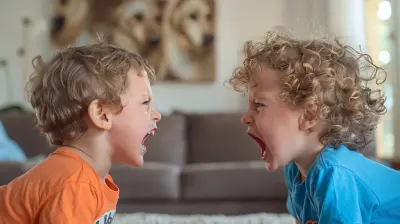
Sibling rivalry—it’s a tale as old as time. Whether you grew up with brothers and sisters or you're raising a brood of your own, you know that sibling jealousy is not just a phase. It’s real, it’s messy, and it can shake up even the most peaceful households. But what actually causes it? Where does all that tension come from? Is it something parents can prevent, or at least soften? Let's dive deep into the root causes of sibling jealousy and unpack how we can help our kids feel secure, loved, and less likely to be at each other’s throats.
What Is Sibling Jealousy?
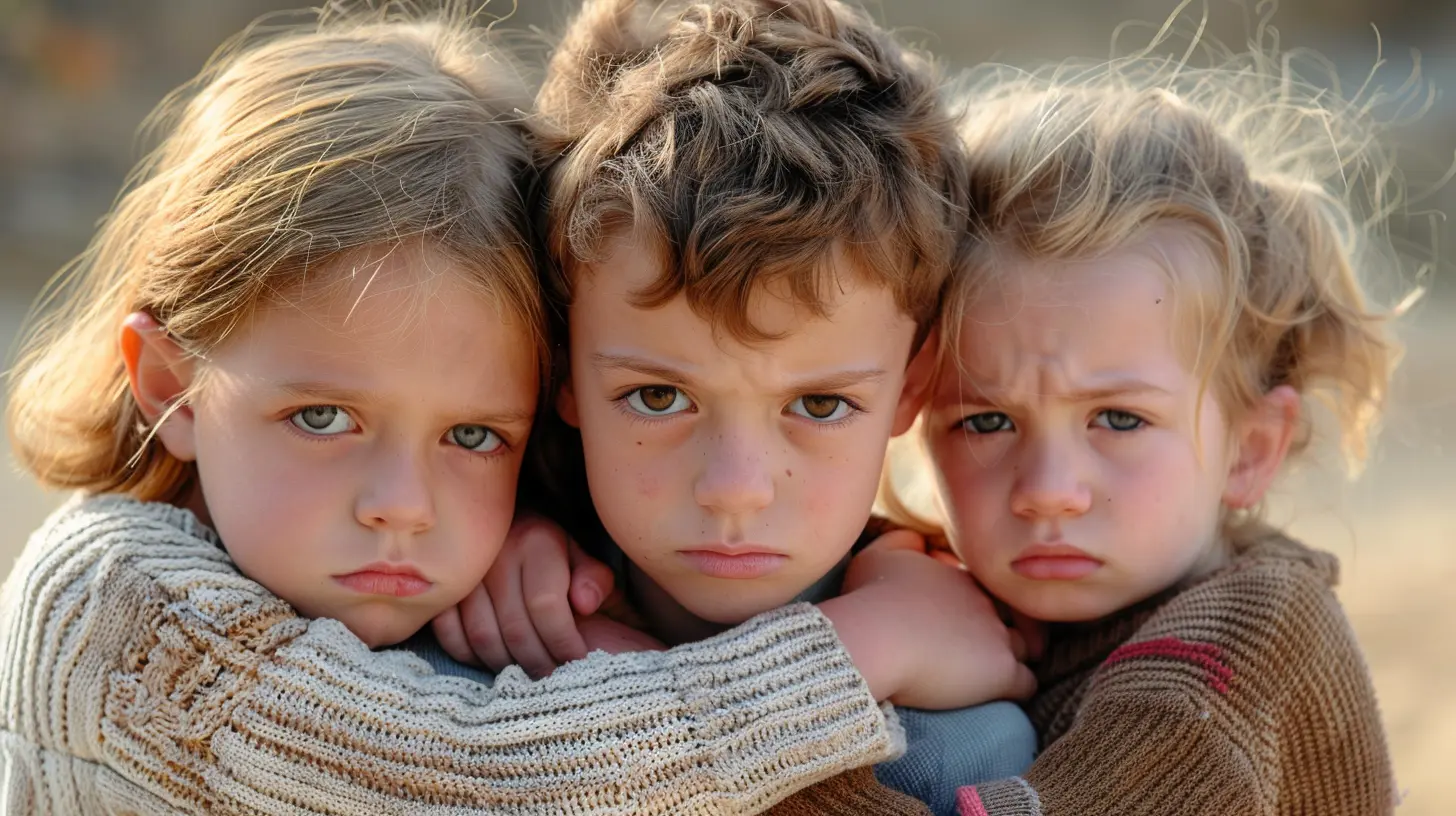
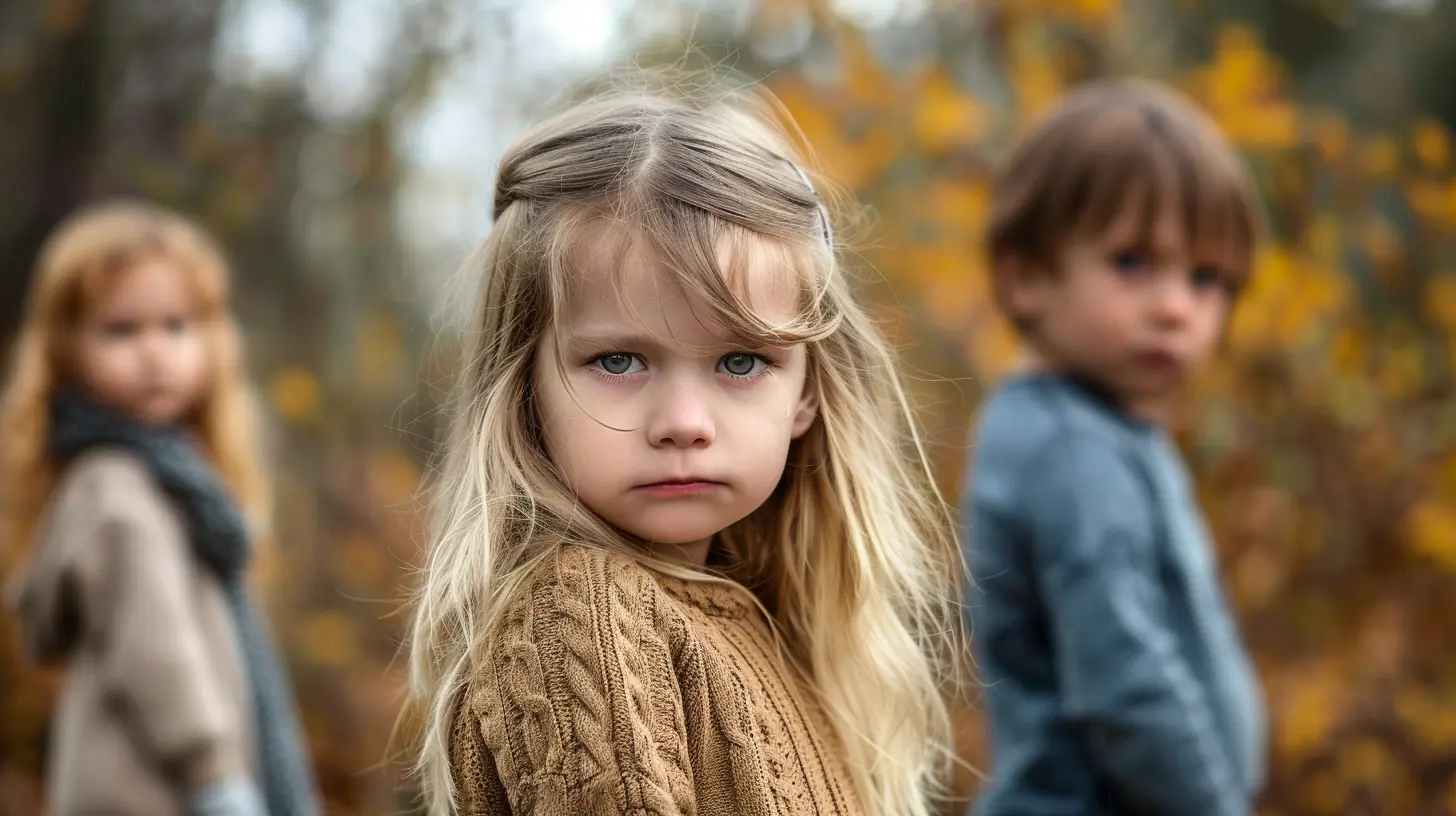
Let’s start by cutting through the fluff—sibling jealousy is a complex cocktail of emotions. It shows up when one child feels threatened by the attention, love, or privileges that another sibling receives. This jealousy can lead to rivalry, conflict, resentment, attention-seeking behaviors, and even emotional withdrawal.But here’s the thing: it’s not just about kids being “dramatic” or “overreacting.” Sibling jealousy is deeply rooted in human nature. It stems from our innate desire to be valued, seen, and secure in our relationships—especially with our parents.
Why Does Sibling Jealousy Happen?
Now, here’s where things get juicy. Sibling jealousy isn’t sparked by one single thing. It's usually the result of several overlapping factors. Let’s break down the big ones.1. Perceived Unequal Attention From Parents
This one’s a classic. If one child feels like their sibling is getting more love, affection, or praise, jealousy can bubble up fast. It doesn’t even matter if the attention gap is real or imagined—the perception alone can twist a child’s emotions into knots.Parents often don’t realize they’re doing this. Maybe the younger child needs more care because they’re a baby. Or maybe the older one gets more privileges. Either way, if one child constantly sees the other getting what feels like “extra,” the green-eyed monster creeps in.
How it sounds at home:
> "You always help her with her homework. Why don’t you help me anymore?">
> "He always gets new stuff. I get your hand-me-downs."
2. Birth Order Dynamics
Birth order—not just a dinner-table conversation starter! It really plays a part in how kids view themselves and each other. Firstborns often feel a sense of ownership over their role in the family and might act more responsible or mature. But with it comes pressure and the fear of being replaced when a younger sibling comes along.Youngest children? They’re usually the “babies” of the family—everyone dotes on them. That’s enough to set an older sibling on edge.
Middle children, stuck between the achiever (firstborn) and the adorable baby, may struggle to find their unique place. Jealousy thrives in that kind of confusion.
3. Comparisons—Intentional or Not
Even if you think you're keeping things fair, kids are especially good at spotting (or imagining) inequality. When parents say things like:> “Your brother is so good at math, why don’t you try harder?”
Or even well-meaning remarks like:
> “Why don’t you be more like your sister? She always sets the table without being asked.”
These comparisons dig deep into a child’s self-worth. They start feeling like they’re “less than,” and resentment is just a stone’s throw away.
4. Differing Temperaments and Personalities
Let’s face it—every kid is born with their own unique personality. Some are introverts. Some are loud and bouncy. Some are empathetic. Some are stubborn as a mule.When siblings have clashing personalities, friction is bound to happen. An introverted child might be jealous of how easily their outgoing sibling wins attention. Or a rule-follower might resent their free-spirited sibling who seems to get away with everything.
It’s like trying to mix oil and water. They’re stuck in the same bottle, but they’re not blending without a bit of effort.
5. Competing for Resources—Even Love
Kids are constantly vying for a piece of Mom and Dad's time, affection, and approval. And let’s be honest—parental attention can feel like a scarce resource. If one child gets more hugs, bedtime stories, or praise, the other might worry there’s not enough left for them.To a child, love doesn’t always seem infinite. Instead, it’s like a cookie—if their sibling gets a bigger piece, they assume they’re getting less.
6. Life Changes and Transitions
Big changes can shake up the emotional foundation of any child. A new baby. Divorce. Moving houses. Starting school. These changes are like emotional earthquakes for kids.They throw off routines, redefine roles, and shift the family dynamic. If not handled gently, they can stir up feelings of insecurity—and in turn, jealousy.
For instance, a once-happy five-year-old might start acting out after the arrival of a new baby. They’re not “bad.” They’re scared. Confused. And yes, jealous.
Signs Your Child Might Be Struggling With Sibling Jealousy
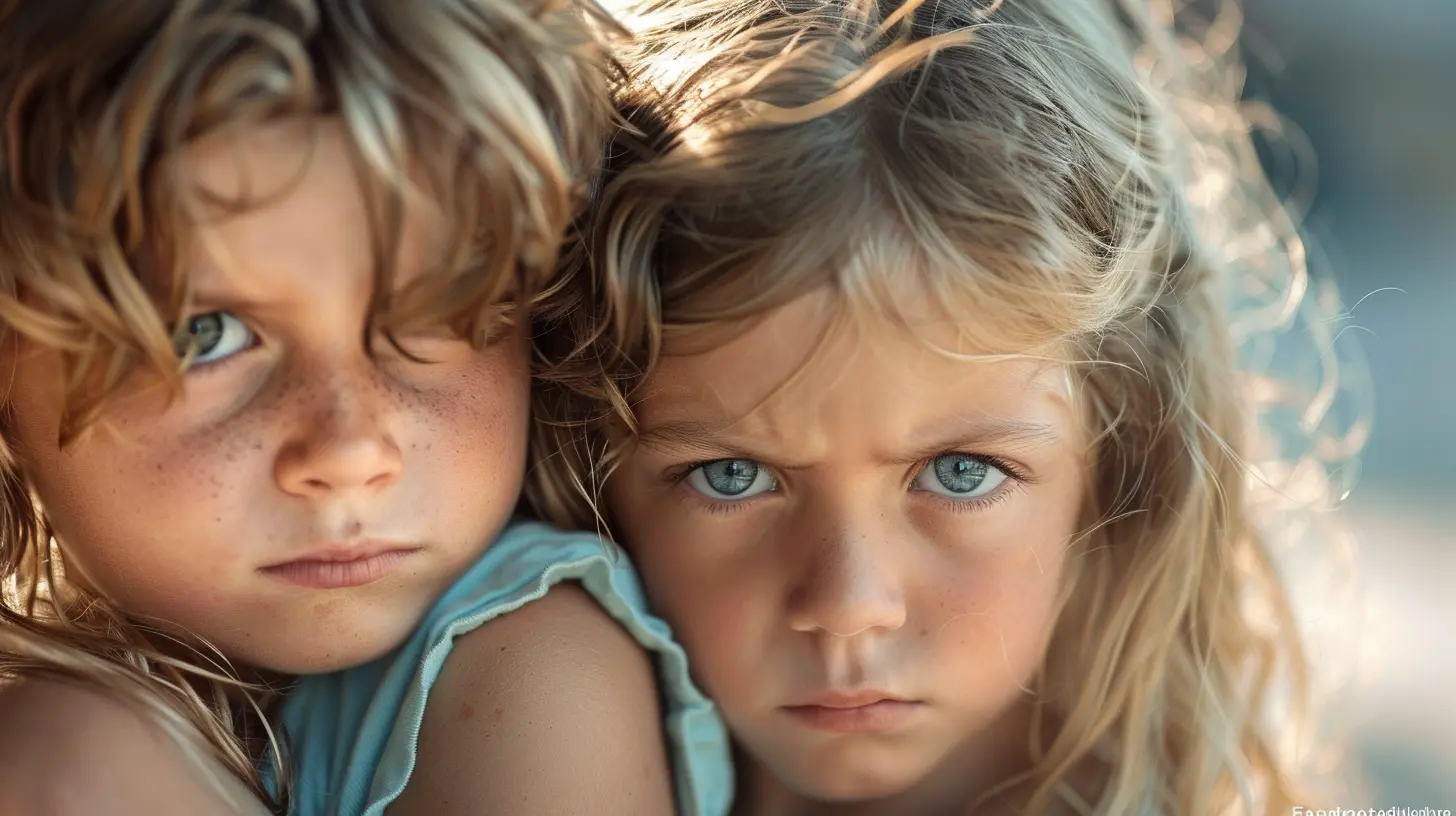
Sometimes jealousy comes out in the most unexpected ways. It’s not always as clear as, “I’m jealous of my brother.” Take a look at these common red flags:- Excessive tattling or blaming the sibling
- Regression (like bedwetting or baby talk)
- Withdrawing from family activities
- Over-the-top bragging to outshine the sibling
- Attention-seeking (tantrums, acting out in public)
- Sudden academic issues or trouble in school
- Deliberate attempts to annoy or hurt the sibling
If you're seeing these behaviors, sibling jealousy might be lurking underneath.
How Parents May Accidentally Fuel Jealousy
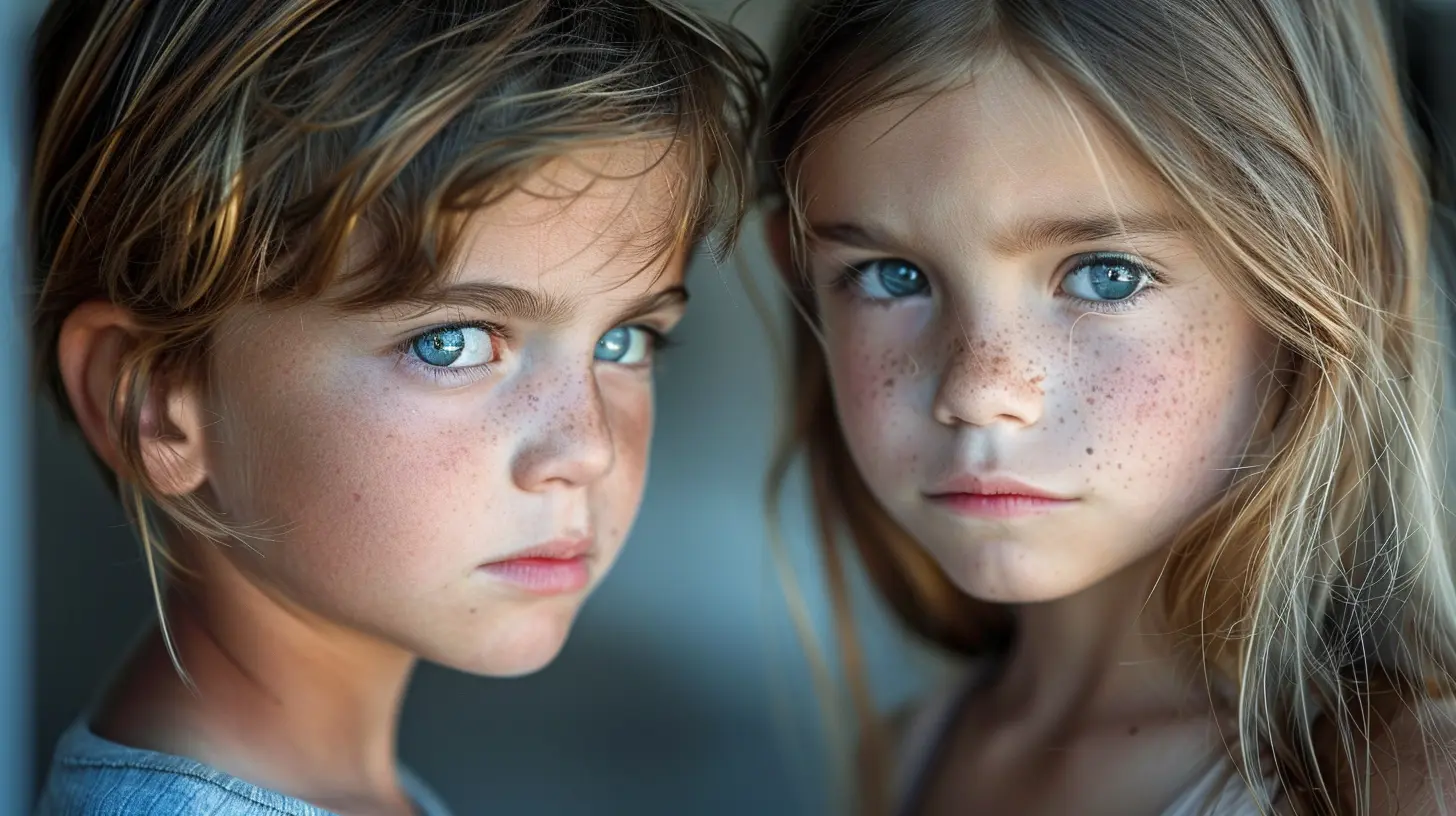
Let’s get real—parenting’s hard. Like, “juggling flaming swords while riding a unicycle” kind of hard. And sometimes, without even knowing it, we throw fuel on the sibling rivalry fire. Here’s how:Favoritism (Even Unintentional)
Praising one child’s talents repeatedly while ignoring the other's unique strengths can sting. It sends the message: “They’re the golden child,” even if that’s the last thing you mean.Inconsistent Rules
Kids are quick to notice inconsistent discipline. If one child gets grounded for lying while the other just gets a warning? Cue the resentment.Not Listening Equally
If you always hear out one child’s side in a sibling fight but cut the other off? You’re unintentionally picking sides—and your kids feel it.Dismissing Their Feelings
Telling a jealous child to “just get over it” doesn’t help. It dismisses their feelings instead of helping them work through them. What they need is validation, not brushing off.So… What’s a Parent To Do?
Good news—you can totally minimize sibling jealousy. No, you won’t eliminate it entirely (unless you’ve cracked the code of perfect parenting—call me if you have). But you can absolutely help your kids cope in healthier ways. Here’s how:1. Give Individual Attention
Even just 10-15 minutes of one-on-one time can work wonders. Whether it’s reading a book, baking cookies, or taking a walk—make each child feel seen and important.2. Celebrate Differences
Instead of saying, “Why can’t you be more like your sister?” try, “I love how creative you are—it’s one of my favorite things about you.”This reinforces that everyone brings something special to the family table.
3. Avoid Labels
“She's the smart one.” “He’s the wild one.” “She’s the shy one.” These labels stick like glue and create boxes kids feel pressured to stay in—or rebel against. Ditch 'em.4. Teach Empathy
Encourage emotional conversations. Ask your kids how they think their sibling might be feeling. Help them step into each other’s shoes. Emotional intelligence is the secret sauce here.5. Set Clear, Fair Rules
Make sure rules and consequences are consistent. Make it clear that everyone is held accountable to the same standards—regardless of age.6. Praise Effort, Not Comparison
Instead of “You’re better than your brother at math,” say, “I noticed how hard you worked on this. That’s awesome!”This shifts focus from competition to personal growth.
7. Model Healthy Conflict Resolution
Really, this starts with you. When your kids see you handling conflict calmly, respectfully, and with empathy—they’ll slowly learn to do the same with each other.
When to Seek Help
If jealousy between siblings turns into bullying, violence, or long-term emotional distress—it’s time to loop in a counselor or child therapist. There’s no shame in it. Sometimes, a neutral party helps get to the root of the issue in ways parents can’t.Final Thoughts
Sibling jealousy isn’t the end of the world. Honestly, it’s a part of growing up for many families. But when we understand the “why” behind it, we stop reacting and start responding. We begin to see our children’s behavior for what it really is—a cry to feel seen, loved, and secure.So take a deep breath. Keep the dialogue open. Celebrate each of your kids for who they are. And know that with a little patience (and a lot of love), even the most tangled sibling dynamics can smooth out over time.
Let’s raise a generation of siblings who lift each other up—not tear each other down.
all images in this post were generated using AI tools
Category:
Sibling JealousyAuthor:

Austin Wilcox
Discussion
rate this article
1 comments
Oscar Reynolds
Sibling jealousy is a common issue that many families face. By recognizing its root causes and fostering open communication, parents can help their children build stronger relationships and navigate their feelings more effectively. Understanding is key to resolution.
July 28, 2026 at 4:47 PM
Austin Wilcox
Thanks for your insight! Open communication really does make a difference in addressing sibling jealousy and fostering healthier relationships.