White Noise and Baby Sleep: Does It Really Help?
31 August 2026
Few things test a new parent's sanity like the 2:00 a.m. wake-up call. You have rocked, fed, burped, and shushed. The baby finally closes their eyes, and you tiptoe toward the crib. Then a floorboard creaks. The eyes snap open. The crying starts again. In that fog of exhaustion, someone tells you to try white noise. The internet is full of videos and apps promising instant sleep. But does it actually work, or is it just another parenting fad that leaves you with a device to charge and a baby who still will not sleep?
The short answer is yes, white noise can genuinely help many babies sleep better. But the long answer is more complicated. It depends on the type of sound, the volume, the timing, and your specific baby's temperament. Used correctly, white noise mimics the constant whooshing your baby heard in the womb. Used incorrectly, it can become a sleep crutch that creates new problems. This article walks through the science, the practical application, and the mistakes parents commonly make.

What White Noise Actually Does to a Baby's Brain
To understand why white noise works, you have to think about what sleep means for a newborn. In the womb, your baby lived in a world of constant sound. The maternal heartbeat, the rush of blood through the placenta, the muffled rumble of your voice and digestion. That environment is loud, around 80 to 90 decibels, which is roughly the volume of a vacuum cleaner. It is also unbroken. There is no silence in the womb, ever.After birth, silence is a foreign concept. Many parents assume that quiet is best for sleep. But for a baby who spent nine months in a noisy chamber, absolute silence can feel alarming. Their nervous system is wired to expect background noise. When the room is quiet, every small sound becomes a potential threat. The neighbor's door slams, a car passes, you sneeze in the hallway. Each of those sounds triggers the baby's startle reflex, which wakes them and makes it harder to fall back asleep.
White noise solves this problem in two ways. First, it provides a continuous, predictable auditory backdrop that masks sudden sounds. Think of it like trying to read in a busy coffee shop versus a library. In the library, a dropped book makes everyone jump. In the coffee shop, the hiss of the espresso machine covers it. Second, white noise has a calming effect on the autonomic nervous system. The steady, low-frequency rumble activates the parasympathetic response, which lowers heart rate and reduces stress hormones. This is the same reason why adults often use rain sounds or fans to fall asleep.
But here is the nuance. White noise is not a sedative. It does not make a baby sleepy on its own. It removes an obstacle to sleep, which is different. If your baby is overtired, hungry, or in pain from gas, white noise will not fix that. It simply creates the right conditions for sleep to happen naturally.
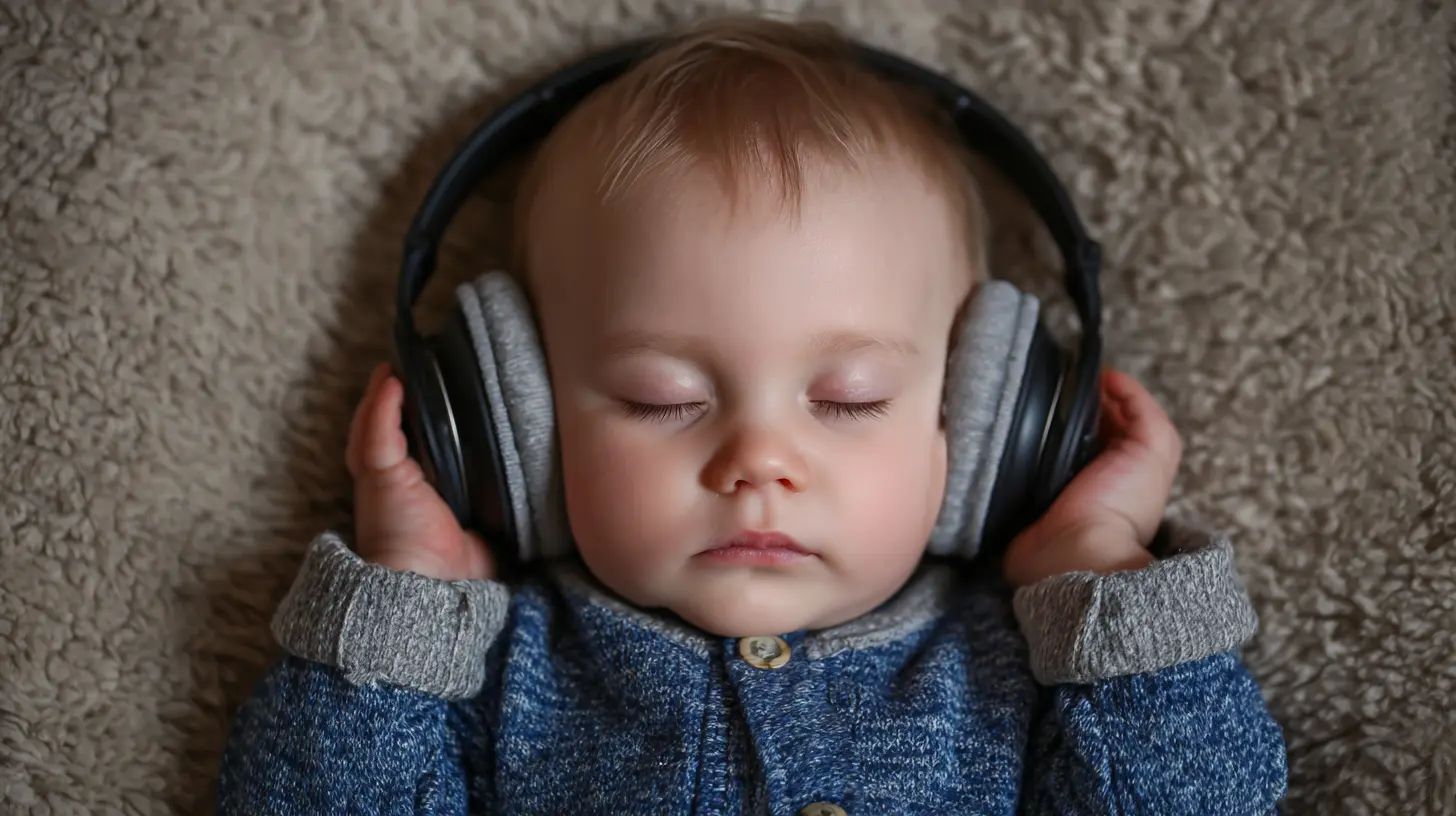
The Difference Between White Noise, Pink Noise, and Other Sounds
Parents often use the term white noise loosely. Technically, white noise contains all frequencies at equal intensity. It sounds like static on an old radio or a hissing air conditioner. Pink noise, on the other hand, is deeper and softer. It emphasizes lower frequencies, which makes it sound more like rainfall or a gentle waterfall. Brown noise goes even deeper, like the rumble of a distant thunderstorm or a large fan.Which one is best for babies? Most research and pediatric sleep consultants lean toward pink or brown noise for infants, because the lower frequencies are more similar to the sounds of the womb. Pure white noise can sound harsh and metallic to a baby's sensitive ears. It contains a lot of high-frequency hiss that can be overstimulating. Pink noise is generally more soothing, but the difference is subtle for most babies. The best approach is to try one type and watch your baby's reaction. If they seem agitated, switch to a lower-pitched option.
There is also the distinction between continuous noise and patterned sounds. Some baby sleep machines play lullabies or heartbeat tracks. Those are not white noise. Lullabies are rhythmic but have pauses and changes in melody. Heartbeats are repetitive but not constant. For the masking effect to work, the sound needs to be continuous and consistent. A lullaby that fades out between verses will not block a door slam. Continuous noise is the key.

Volume Matters More Than You Think
This is where many well-meaning parents go wrong. They download a white noise app, set the volume to a gentle hum, and place the phone across the room. That is not enough. The whole point is to mask abrupt environmental sounds. If the white noise is too quiet, it does not do its job. If it is too loud, it can damage hearing or make sleep worse.The American Academy of Pediatrics has published guidelines on safe white noise volume for infants. The recommendation is to keep the sound below 50 decibels, which is roughly the level of a quiet conversation. Some devices can exceed that, especially if placed right next to the crib. The rule of thumb is simple. Place the sound source at least 1 meter (about 3 feet) away from the baby's head. Keep the volume at a level where you can still hear a baby cry through it, but it masks normal household sounds. If the noise sounds loud to you, it is too loud for the baby.
A common mistake is turning the volume up to drown out a crying baby. That is counterproductive. The noise should be set before sleep begins, at a consistent level. It is not a tool to overpower distress. If your baby is already crying, white noise will not calm them. You need to soothe them first, then turn on the noise as they begin to settle.
Another important point is the duration. Many parents leave white noise running all night. That is fine, and actually recommended, because waking up in the middle of the night to a sudden silence can be startling. The womb was never silent. If the noise stops at 3 a.m., your baby may wake up wondering what changed. Continuous playback is better than a timer that cuts off after 30 minutes. Some devices have a maximum runtime for safety, but if you are using a phone app, leave it on all night.
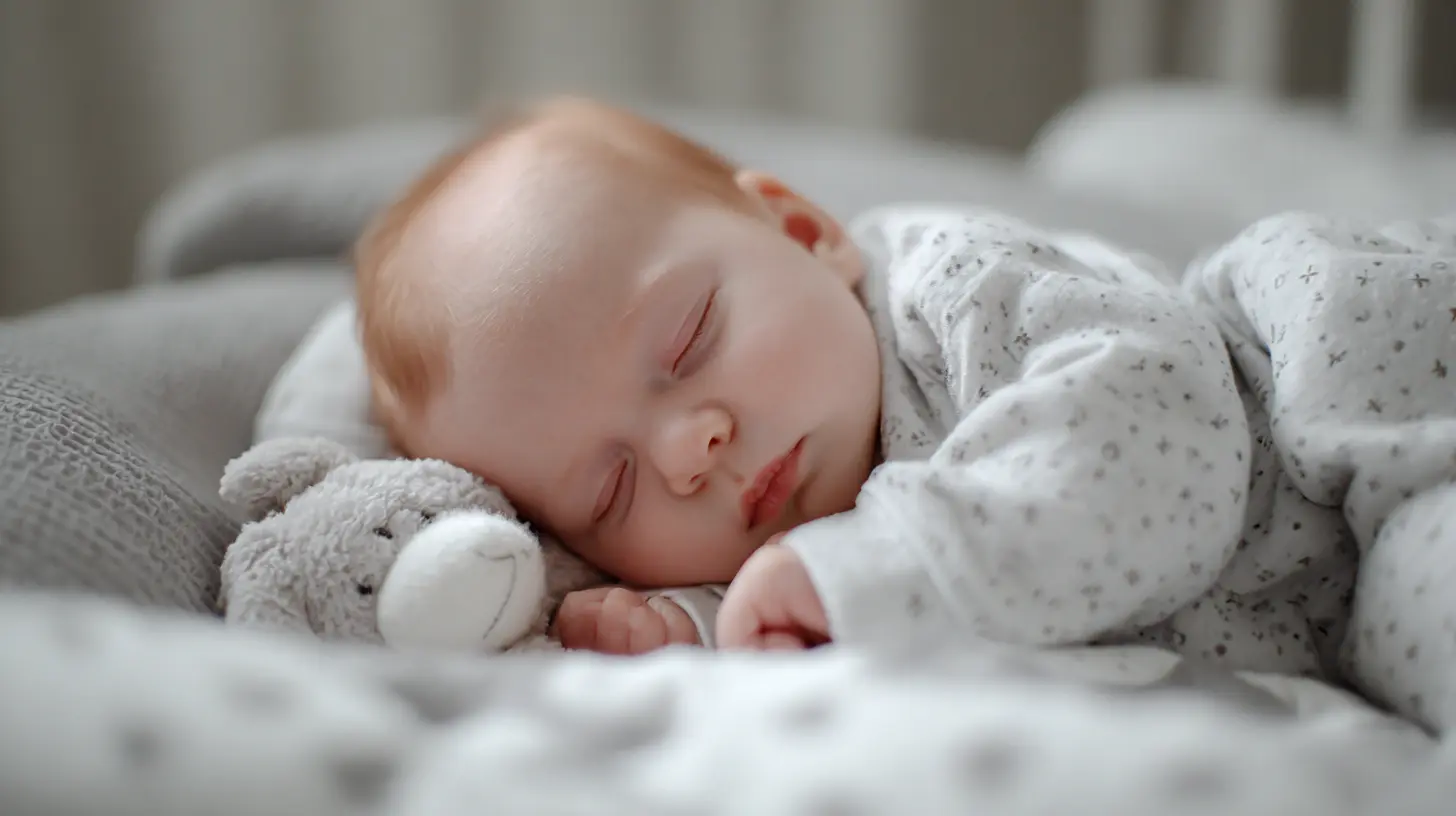
The Womb Connection: Why It Works for Newborns
Newborns, especially those under three months, are still adjusting to life outside the womb. Their nervous system is immature. They have no concept of day and night. They cycle between sleep and wakefulness every few hours. The startle reflex, also known as the Moro reflex, is strong. Any sudden movement or sound causes them to throw their arms out, which often wakes them.White noise directly addresses this reflex. It provides a sensory anchor that is familiar. When a baby hears that low, steady rumble, it reminds them of being held inside the womb. It is not a memory in the conscious sense, but a physiological familiarity. Heart rate slows, breathing deepens, and the body relaxes. This is why white noise is often called the fourth trimester tool. It recreates the environment your baby lost at birth.
For this reason, white noise is most effective in the first three to four months. During this period, babies sleep in short cycles, often 45 to 60 minutes. White noise helps them transition between cycles without fully waking. Without it, a baby might stir at the end of a sleep cycle, hear a small noise, and cry out. With it, they simply drift into the next cycle.
However, do not expect white noise to work miracles on a colicky baby. Colic is related to digestive discomfort and sensory overload. While white noise can help some colicky babies calm down, it is not a treatment for the underlying pain. Use it as part of a soothing routine, but do not rely on it alone.
When White Noise Becomes a Problem: The Sleep Crutch Debate
Here is the trade-off that every parent needs to understand. White noise can be a useful tool, but it can also become a dependency. If your baby absolutely cannot fall asleep without the noise, you have created a sleep association. That is not inherently bad. Many babies also need a pacifier, a specific blanket, or a rocking motion. The problem arises when the association causes problems outside the home or during travel.Imagine you are visiting grandparents. You forget the white noise machine. Bedtime becomes a disaster. Or you are on a plane and the baby will not sleep because there is no fan humming. That is the downside of a strong sleep crutch. You are tied to the device.
The solution is not to avoid white noise altogether. It is to use it as one part of a broader sleep routine. Pair it with other calming cues like a warm bath, a swaddle, or a gentle massage. That way, the baby associates sleep with the whole routine, not just the sound. If you need to wean off white noise later, you can gradually lower the volume over several weeks. Most babies naturally outgrow the need by their first birthday, as their nervous system matures and they learn to self-soothe.
Another common problem is using white noise to cover up poor sleep hygiene. If your baby is sleeping in a bright room, with a full diaper, and no consistent bedtime, white noise will not save you. It is a supplement, not a substitute. You still need a dark room, a cool temperature, and a predictable sleep schedule.
Real-World Comparisons: White Noise vs. Other Sleep Aids
Parents often wonder how white noise stacks up against other popular sleep aids. Let us compare three common options.Swaddling is a physical restraint that prevents the startle reflex. It works well for newborns, but it becomes unsafe once the baby can roll over. White noise has no such age limit. It can be used from day one through toddlerhood and beyond. The two actually work well together. Swaddle the baby, then turn on the noise. The combination mimics the tight, loud environment of the womb.
Pacifiers are another common tool. They satisfy the sucking reflex and can be very soothing. However, pacifiers fall out. When the baby spits it out at 2 a.m., they cry for it. You have to get up and put it back. White noise does not fall out. It stays on all night. That is a clear advantage for parents who value uninterrupted sleep.
Rocking or motion is highly effective, but it requires effort. You have to hold the baby and move. It also creates a strong dependency. Many parents find themselves rocking for 30 minutes, then trying to transfer the sleeping baby to the crib without waking them. White noise removes the need for constant motion. You can put the baby down drowsy, with the noise on, and let them settle independently.
None of these are mutually exclusive. The best strategy is to layer multiple soothing elements. Swaddle, white noise, and a pacifier together create a powerful sleep environment. But do not overdo it. If you use every tool at once, you will have a difficult time weaning the baby off any of them. Pick two or three that work, and keep the routine consistent.
Common Mistakes Parents Make with White Noise
Let me walk you through the most frequent errors I see in my work with families.The first mistake is using a phone speaker. Phone speakers are small and directional. The sound quality is thin, and the volume is often too low to mask anything. Also, the phone emits light and notifications. You do not want a glowing screen in the nursery. Use a dedicated white noise machine or a tablet with the screen turned off, placed at a distance. The sound should fill the room, not come from a single point.
The second mistake is turning it on only after the baby is upset. White noise works best as a preventive measure. Turn it on before you start the bedtime routine. Let the baby hear it while you feed, change, and swaddle them. That way, the sound becomes part of the wind-down process. If you only turn it on when the baby is already crying, you are teaching them that the noise signals distress, not calm.
The third mistake is using white noise at inconsistent volumes. Some parents turn it up when the baby is fussy and down when the baby is calm. That is confusing. Keep the volume fixed. Set it once and leave it. Your baby needs predictability. If you change the sound level every night, they cannot learn to associate it with sleep.
The fourth mistake is ignoring the baby's individual response. Some babies love white noise. Others hate it. I have seen babies who cry harder when the noise is on, because they find it overstimulating. If your baby is one of those, do not force it. Try brown noise or simply a fan. If that does not work, drop white noise entirely and try something else. There is no universal solution.
The fifth mistake is forgetting about the mother's or father's sleep. White noise can help parents sleep too, but it can also mask important sounds. If you are a light sleeper, you might not hear the baby's early stirrings. That is actually fine, because you want the baby to learn to fall back asleep on their own. But if you need to hear the baby for feeding, keep the volume low enough that you can still hear them cry.
Practical Tips for Introducing White Noise
If you have never used white noise before, start slowly. Do not blast it on the first night. Here is a step-by-step approach.First, pick a sound. Try pink noise or brown noise first, because they are gentler. Play it for a few minutes during daytime naps to see how your baby reacts. If they seem calm, keep it on for the entire nap. If they seem agitated, try a different sound or lower the volume.
Second, position the machine correctly. Place it at least 1 meter from the crib, facing the baby but not directly at their ear. The goal is to fill the room with sound, not to blast a single spot. A corner shelf or a dresser works well.
Third, use it consistently for at least two weeks. Sleep associations take time to form. Do not give up after one bad night. The baby needs to learn that when the noise is on, it is time to sleep. This is a conditioned response. It does not happen overnight.
Fourth, combine it with a bedtime routine. The order matters. Bath first, then feed, then swaddle, then white noise, then put down. Repeat the same order every night. The brain builds a sequence. When the white noise starts, the baby knows what comes next.
Fifth, be mindful of travel. If you are going on a trip, bring the same machine and use it at the same volume. This provides continuity. A baby who sleeps well at home can sleep well in a hotel if the environment feels similar. Some parents use a portable white noise app on a tablet for this purpose, but the sound quality is not the same. A dedicated device is worth the luggage space.
When to Stop Using White Noise
There is no fixed age to stop. Some children use white noise well into elementary school. That is fine. It is not harmful. The only reason to stop is if it becomes a problem, either for the child or for the family.Signs that it is time to wean include the child asking for it in a way that disrupts sleep, or the child waking up if the noise stops. If your toddler is otherwise sleeping well, there is no medical reason to remove the noise. It is a personal choice. Some parents keep it because it helps the whole family sleep in a noisy apartment building or near a busy street.
If you do want to wean, do it gradually. Reduce the volume by 10 percent every few nights. After a few weeks, the sound will be barely audible. Then turn it off entirely. The child will not notice a sudden change because you have made it subtle. Do not go cold turkey. That will cause a regression.
If your child has chronic ear infections or hearing issues, consult your pediatrician before using white noise. The sound itself is not dangerous, but if there is fluid in the ear, the pressure changes from loud noise might cause discomfort. Always err on the side of caution.
The Bottom Line
White noise is a legitimate, evidence-informed tool for improving infant sleep. It works because it mimics the womb, masks disruptive sounds, and calms the nervous system. It is not a magic bullet. It will not fix sleep problems caused by hunger, illness, or poor routines. But when used correctly, it can reduce nighttime wakings, extend sleep duration, and make bedtime easier for everyone.The key is to use it safely, consistently, and as part of a broader sleep strategy. Keep the volume low, the distance adequate, and the sound continuous. Do not let it become the only way your baby can sleep. Build a routine around it, and you will have a flexible, resilient sleeper.
Parenting is full of conflicting advice. White noise is one of the few tools that has stood the test of time, with decades of anecdotal support and a growing body of research behind it. Try it with an open mind, but also trust your instincts. You know your baby better than any app or machine. If it works, use it. If it does not, put it away and try something else. There is no shame in either outcome.
all images in this post were generated using AI tools
Category:
Babies And SleepAuthor:

Austin Wilcox
Discussion
rate this article
1 comments
Mateo Potter
Sure, because silence is overrated!
September 5, 2026 at 4:49 AM
Austin Wilcox
Silence has its place, but white noise can create a comforting backdrop for some babies. It's all about what works for each child.