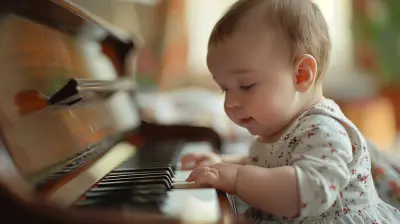
Why Baby-Wearing Can Support Infant Cognitive and Emotional Growth
1 May 2026
Parenting is one wild ride, isn't it? One moment you're trying to decode the cries of your tiny bundle of joy, and the next, you're wondering if you're doing enough to support their development. Don’t worry, we've all been there! One practice that many parents swear by (and science backs up) is baby-wearing. Yes, that simple act of strapping your baby snugly against your chest can do wonders—not just for convenience but also for your baby’s cognitive and emotional growth. Curious how? Let’s dive into it. 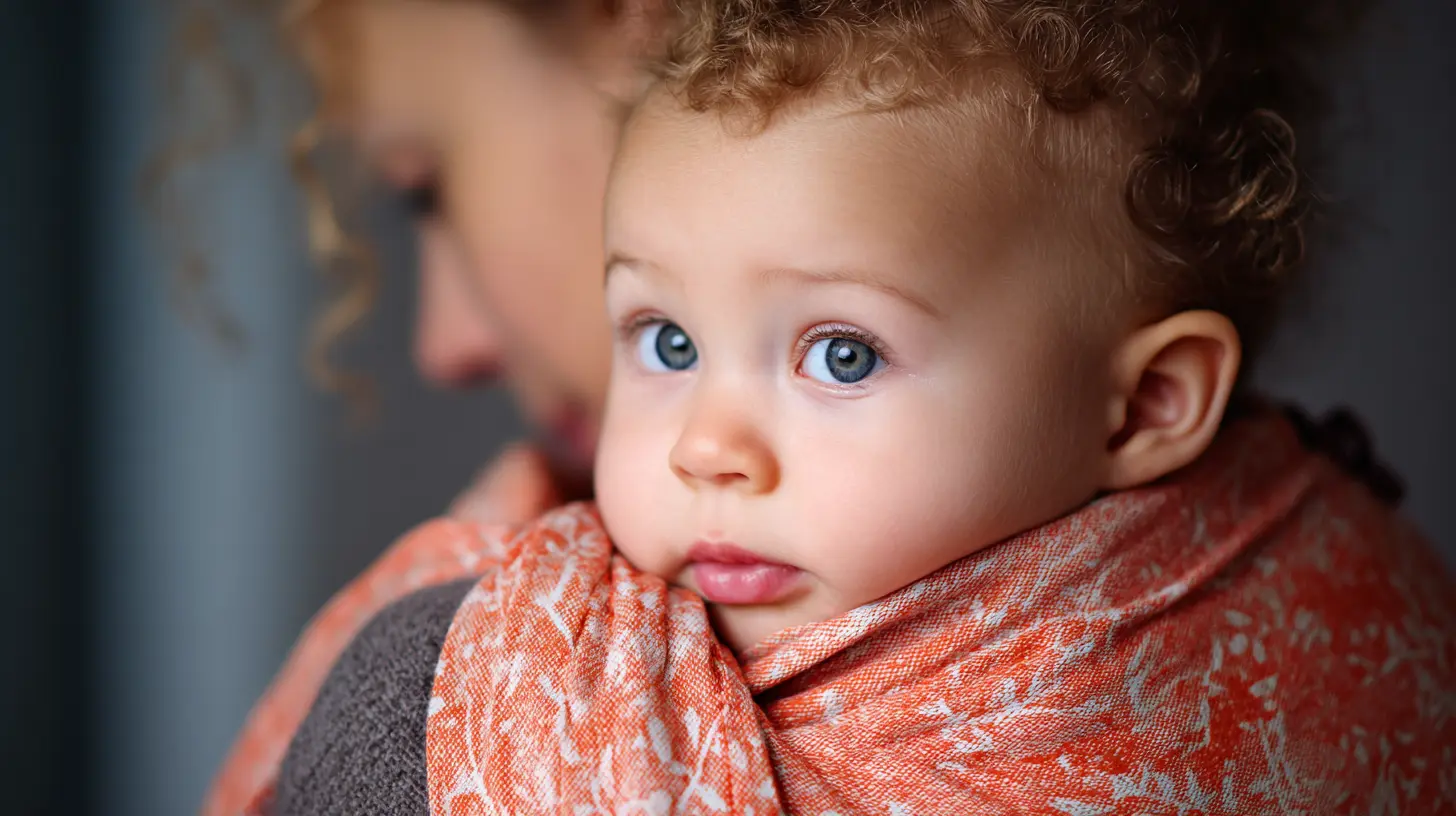
What Exactly Is Baby-Wearing?
First things first—what is baby-wearing? If you’re picturing a superhero mom or dad with a baby strapped to their chest like a tiny sidekick, you’re not too far off! Baby-wearing is a practice where you use a wrap, sling, or carrier to keep your baby close to your body as you go about your day.It’s not some new millennial parenting trend, either—baby-wearing has been around for centuries, if not millennia. Cultures all over the world, from African communities to Indigenous peoples of the Americas, have practiced baby-wearing long before fancy carriers hit the market. Turns out, they knew what they were doing because baby-wearing is so much more than hands-free parenting.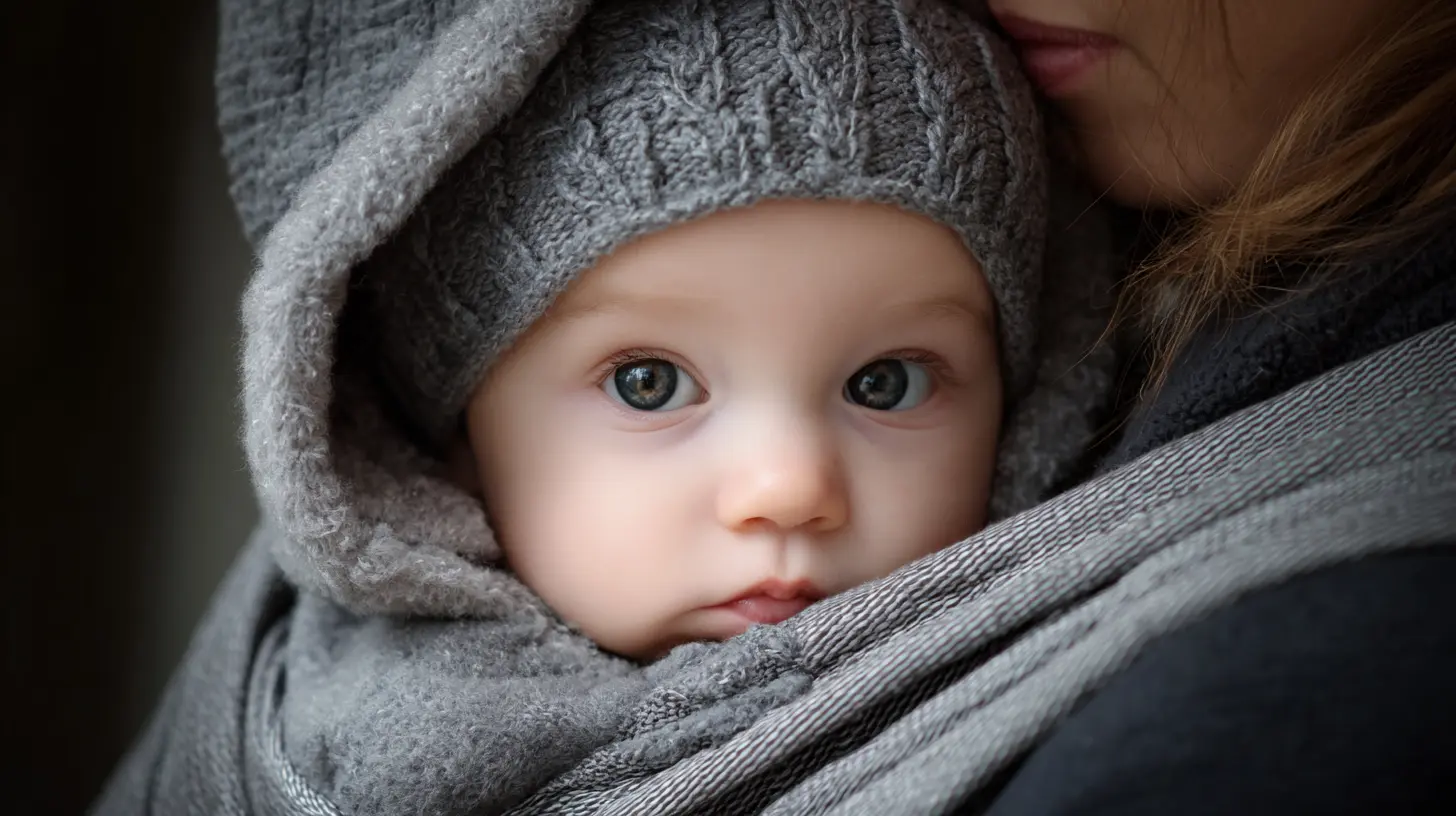
How Baby-Wearing Boosts Cognitive Development
1. Promotes Sensory Stimulation
Babies learn a ton through their senses during those early months. When they’re cuddled up close to you, they feel your warmth, hear your heartbeat, smell your familiar scent, and see the world from your perspective. It's like an all-access pass to the "VIP sensory experience," and this level of stimulation is a huge driver of cognitive growth.Think about it: Instead of being stuck in a crib staring at the ceiling, baby-wearing gives your little one a front-row seat to life's daily adventures. Trips to the grocery store, walks in the park, or even watching you do dishes teach them about movement, sound, and interaction. These sensory experiences play a vital role in shaping their brain’s neural pathways.
2. Encourages Language Development
Ever notice how, when you’re wearing your baby, you naturally start chatting with them about, well, everything? “Oh, look at that fluffy dog!” or “We’re getting apples for the pie tonight!” When babies are close to you, they’re more likely to be part of these one-sided conversations.This is fantastic for their language development. Babies absorb language like little sponges, and hearing your voice all day helps them start to recognize speech patterns and build their vocabulary. Even if they can’t reply (yet), their brains are hard at work making sense of the sounds you're making. Baby-wearing puts them in the perfect position to soak it all in.
3. Enhances Spatial Awareness
Wearing your baby gives them a much better understanding of their environment. Whether you bend down to grab a dropped toy, turn your head to greet a neighbor, or sway gently as you wait in line, your baby is experiencing movement from your vantage point.This helps develop their vestibular system (a fancy term for their sense of balance and spatial orientation). It’s kind of like their first rollercoaster ride—just without the screaming and overpriced photos, of course. 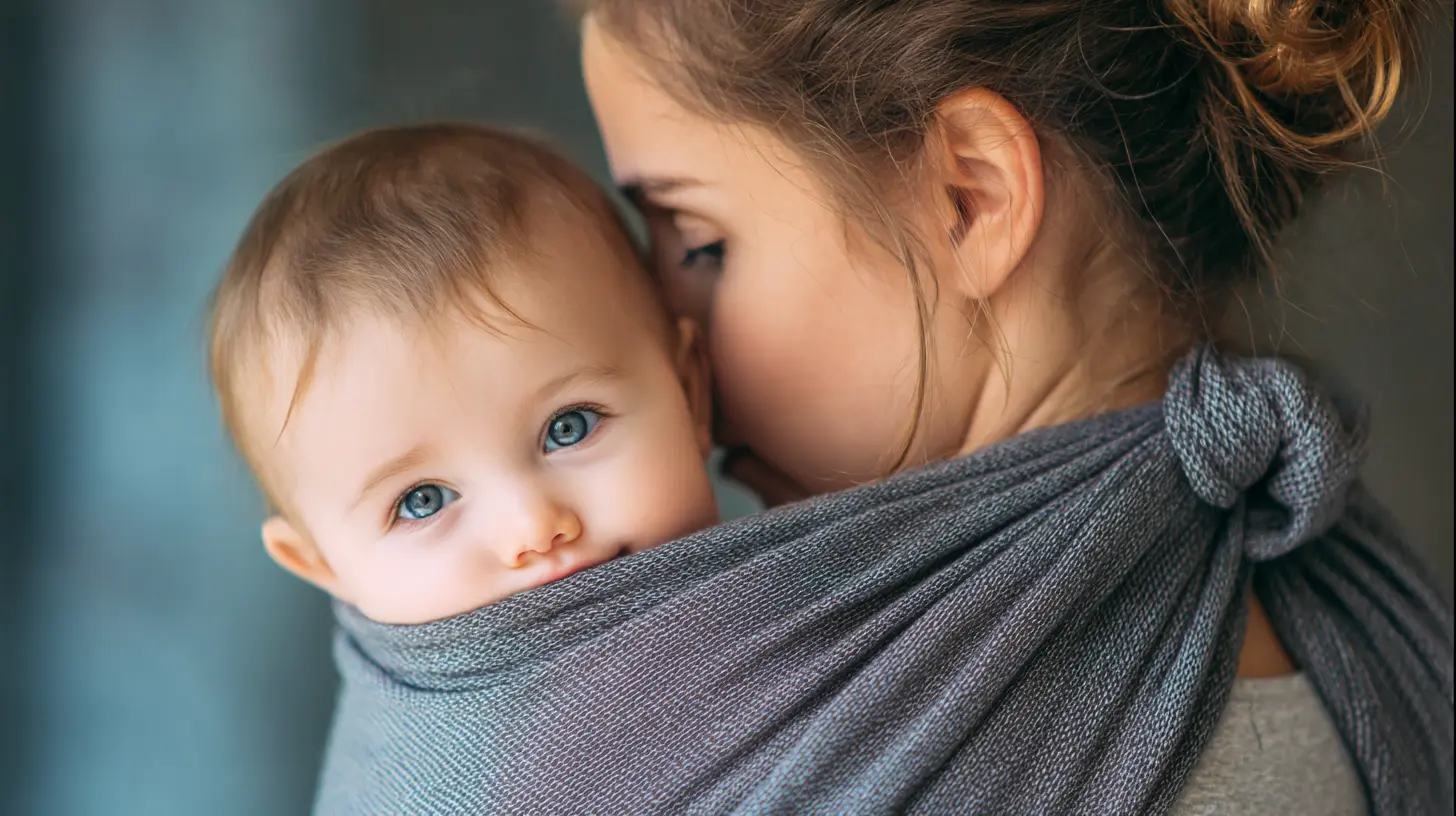
How Baby-Wearing Supports Emotional Growth
1. Builds a Stronger Parent-Child Bond
There’s something magical about being so physically close to your baby. When they’re nestled against you, they feel safe and secure. That constant contact helps to strengthen your bond, fostering a deep sense of trust that forms the foundation for their emotional well-being.Think of baby-wearing as an emotional security blanket. Sure, you could leave them in a stroller, but being that close to your heartbeat? That's the ultimate comfort and reassurance.
2. Reduces Stress and Crying
Here’s a fun fact: studies show that babies who are carried cry less. A 1986 study published in Pediatrics found that baby-wearing can reduce crying and fussiness by up to 43%! (Yes, 43%—that’s a game-changer for sleep-deprived parents.)Why? It’s all about proximity. When your baby is close to you, they feel safe. They don’t need to cry out to get your attention because, well, you’re right there. This reduction in stress isn’t just good for your sanity; it also has long-term benefits for your baby’s emotional development.
3. Helps Regulate Emotions
Ever notice how your baby tends to calm down when you hold them close? That’s no coincidence. Your baby learns to regulate their emotions by syncing up with yours. When you’re calm and steady, they pick up on that vibe. (No pressure, right?)Baby-wearing provides your little one with an up-close lesson in emotional self-regulation, which is a crucial skill they’ll carry with them as they grow. It’s like giving them a head start on emotional intelligence. 
Bonus Benefits for Parents
Let’s not forget about the perks for you. Baby-wearing isn’t just good for your baby’s development—it’s pretty amazing for your mental health, too.- Hands-Free Parenting: Need to fold laundry? Done. Want to sip your coffee while it’s still hot? You can, thanks to baby-wearing.
- Close Bonding: Feeling that tiny body snug against yours is an instant mood booster.
- Helps with Baby Blues: Physical closeness releases oxytocin—aka the “love hormone”—which can help combat postpartum anxiety and depression.
Tips for Safe and Successful Baby-Wearing
Before you strap your baby to your chest and tackle the day, let’s talk safety.1. Choose the Right Carrier: Opt for a carrier that supports your baby’s hips and keeps them in a natural “M” position (legs spread, knees higher than their hips).
2. Check Their Airway: Make sure your baby’s face is visible and their airway is clear. No snuggling so deep into the fabric that it blocks their nose or mouth.
3. Follow the TICKS Guidelines:
- Tight: The carrier should hold your baby snugly.
- In view at all times: You should always see your baby’s face without obstruction.
- Close enough to kiss: You should easily be able to kiss the top of their head.
- Keep chin off chest: Ensure there’s enough space so their chin doesn’t press against their chest.
- Supported back: Their back should be properly supported, not slumped.
The Bottom Line
Baby-wearing is more than a practical way to keep your hands free—it’s a beautiful way to nurture your baby’s cognitive and emotional development. From boosting sensory stimulation and language skills to fostering a deep sense of trust and security, baby-wearing is a parenting win-win.So go ahead, strap on that carrier and keep your little one close. Whether you’re conquering your to-do list or simply soaking in the snuggles, you’re helping your baby grow in ways you can’t even see. And at the end of the day, isn’t that what parenting is all about?
all images in this post were generated using AI tools
Category:
Infant DevelopmentAuthor:

Austin Wilcox
Discussion
rate this article
2 comments
Marcus McDougal
Baby-wearing fosters closeness, enhances bonding, and supports an infant's development by providing security and promoting exploration.
May 4, 2026 at 4:29 AM
Austin Wilcox
Absolutely, baby-wearing creates a nurturing environment that benefits both the baby and caregiver, fostering essential connections and encouraging healthy development.
Starling Davis
Baby-wearing offers a unique way to bond with your child. Holding them close not only soothes but also stimulates their development. It's a simple practice that fosters connection and supports their growth during those early stages.
May 1, 2026 at 2:36 PM
Austin Wilcox
Absolutely, baby-wearing creates a special bond that benefits both parent and child. It nurtures emotional connections and enhances development during those crucial early days.